

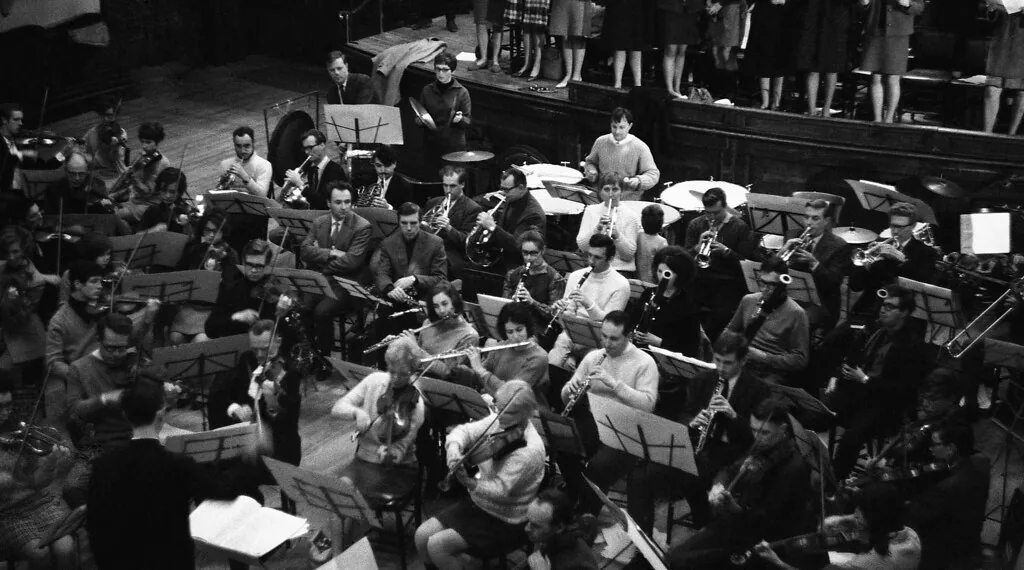
Italy has played a central role in the history of classical music. From the beginning of its musical history, the country shaped the development of musical genres, notably with the birth of opera in Florence in 1597.
Composers such as Claudio Monteverdi, Giuseppe Verdi, Giacomo Puccini and Antonio Vivaldi left an indelible mark. Their works, combining innovation and expressiveness, continue to resonate in concert halls around the world.
Italian opera, in particular, transformed the musical stage. Monteverdi, known as the “father of opera,” laid its foundations with masterpieces such as L’Orfeo. Verdi and Puccini later enriched the repertoire with enduring works.
This journey through the history of Italian classical music highlights visionary composers. Their contributions defined opera and inspired generations.
Introduction to Italian classical music
Since the Middle Ages, Italy has been fertile ground for classical music. Its rich history and vibrant culture enabled visionary composers and enduring works to emerge.
Historical and cultural context
Over the centuries, music was influenced by royal courts and noble families. In Florence, for example, the Medici supported artists, creating an environment that encouraged musical innovation. Cities such as Venice and Rome became cultural centres that attracted musicians and composers.
The changing musical landscape in Italy
In the seventeenth century, opera emerged in Florence, marking a turning point in musical history. Composers such as Monteverdi benefited from the support of courts, which helped them develop their careers. Influential families, such as the Esterházys, played a key role by offering opportunities to musicians.
This period also saw the rise of cities with vibrant musical life. Composers could explore new styles, enriching the classical repertoire.
The historical legacy of Italian composers
Italian composers profoundly shaped musical history, laying the foundations for genres that have endured for centuries. Their contributions still resonate today.
Sacred music found a master in Palestrina. His polyphonic approach reshaped liturgical music and gave rise to timeless works. The choir had a central place in them, enriching religious ceremonies.
Italian opera, meanwhile, transformed the musical stage. Composers such as Monteverdi created masterpieces that inspired generations. Their legacy can be heard in musical movements that continue to captivate audiences.
These composers influenced not only Italy but the entire world. Their works remain living testaments to their genius.
Renaissance composers and sacred music
The Renaissance marked a golden age for sacred music in Italy, thanks to composers who redefined artistic conventions.
Palestrina and the art of polyphony
Giovanni Pierluigi da Palestrina, a master of polyphony, dominated sacred music. His Missa Papae Marcelli remains a masterpiece that demonstrates his command of complex vocal textures. Palestrina combined simplicity with depth while responding to the expectations of the Council of Trent.
The influence of sacred music on the Italian tradition
Churches and chapel masters played a central role in creating sacred scores. Guided by these institutions, composers produced timeless works. Although secular, madrigals influenced sacred composition through their expressiveness.
The legacy of Palestrina and his contemporaries is indelible: their compositional techniques continue to inspire musicians today.
The beginnings of opera: Monteverdi and his contemporaries
At the end of the sixteenth century, Italy was the setting for a musical revolution. Claudio Monteverdi emerged in this context and laid the foundations of modern opera. His work L’Orfeo, composed in 1607, is considered a decisive milestone in musical history.
L’Orfeo, a pioneering opera
L’Orfeo is far more than a musical composition. It is a masterful fusion of words and music, in which every note seems to carry the emotions of the text. Monteverdi created a work in which voice and orchestra converse, bringing unprecedented dramatic depth. With L’Orfeo, opera became an art form that united theatre, music and emotion.
Monteverdi’s innovations in composition
Monteverdi transformed musical composition by introducing expressive arias and dramatic recitatives. His use of dynamic contrasts and bold harmonies redefined the conventions of his time. The idea behind The Return of Ulysses to His Homeland symbolises this musical journey, in which every note tells a story and every melody evokes an inner landscape. Monteverdi captured the essence of the myth and turned it into a universal listening experience.
The height of Italian opera: Verdi and Puccini
Italian opera reached its height in the nineteenth century with composers such as Giuseppe Verdi and Giacomo Puccini. Their works defined the operatic repertoire and inspired generations of musicians.
Verdi’s impact on the operatic repertoire
Verdi, a master of Romantic opera, made history with masterpieces such as Rigoletto and La Traviata. His dramatic approach and ability to explore universal themes set new standards for opera.
Puccini: from La Bohème to Tosca
Puccini, Verdi’s successor, captivated audiences with operas such as La Bohème and Tosca. His style, combining expressive melodies with rich orchestration, redefined opera at the dawn of the twentieth century.
| Composer | Opera | Year |
|---|---|---|
| Giuseppe Verdi | Rigoletto | 1851 |
| Giacomo Puccini | La Bohème | 1896 |
Their legacy endures and continues to influence opera internationally. Discover their lasting contributions on the Format-Raisins website.
Italian classical music: major composers and works
Italy was a centre of intense musical creation and profoundly shaped the history of Western music. Italian composers such as Vivaldi and Verdi produced works that continue to resonate today.
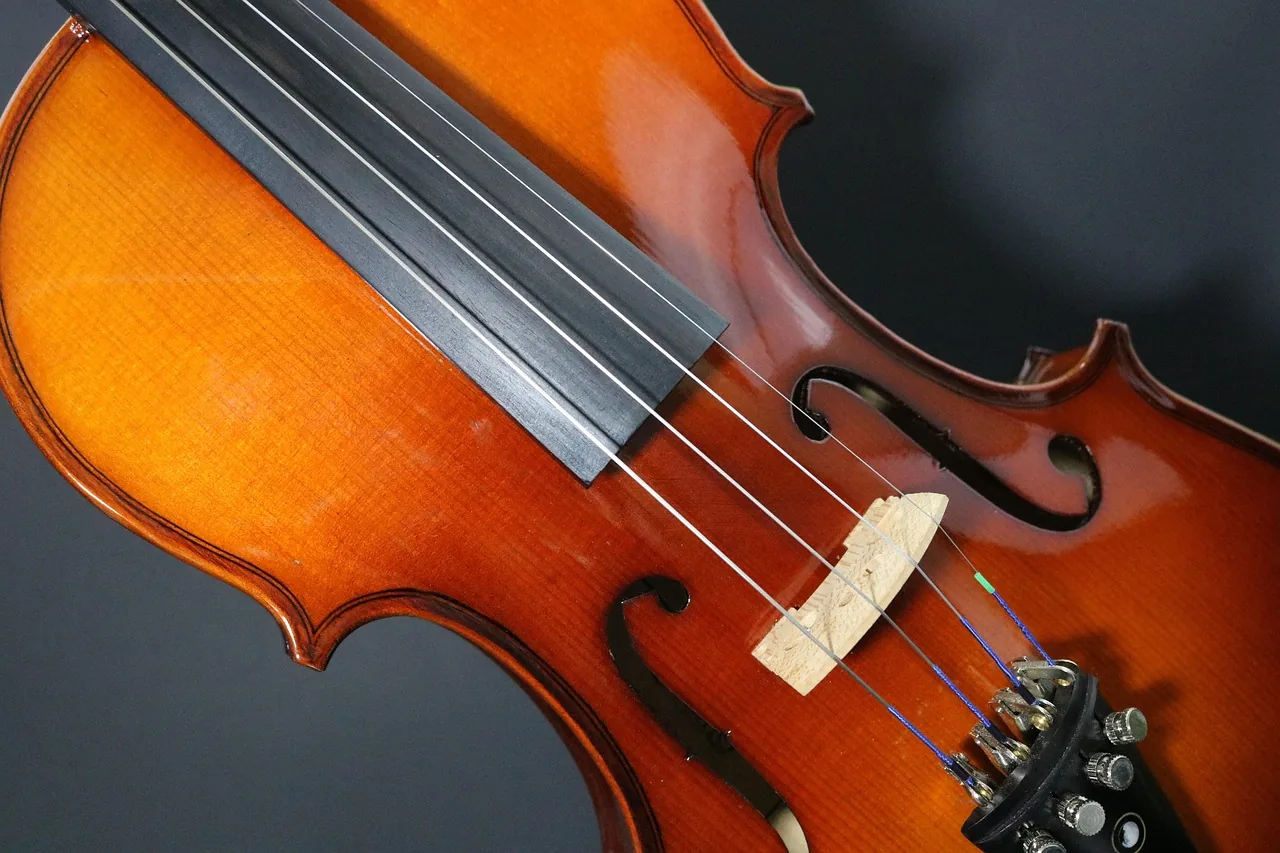
The violin has a central place in this history. Antonio Vivaldi redefined the instrument’s possibilities with his violin concertos. His style, combining virtuosity and expressiveness, influenced generations of musicians.
The sonata, a structured musical form, reflects the ingenuity of Italian composers. These often complex pieces showcase performers’ technical and artistic skill. The classical sonata, with its contrasting movements, remains a mainstay of the instrumental repertoire.
| Composer | Instrument | Work |
|---|---|---|
| Antonio Vivaldi | Violin | Concertos |
| Giuseppe Verdi | Orchestra | Operas |
| Giovanni Pierluigi da Palestrina | Choir | Masses |
Instruments, especially the violin, played a crucial role in musical development. The rich and complex sonatas written for them attest to Italian ingenuity. These pieces continue to captivate audiences and carry the artistic legacy of a bygone era.
Innovations of the Baroque period
The Baroque period marked a decisive turning point in musical history, introducing innovations that permanently transformed composition and performance. Spanning the early seventeenth to the mid-eighteenth century, this period saw the emergence of techniques and styles that redefined artistic conventions.
The use of basso continuo
One of the major innovations of the Baroque period was the use of basso continuo. This technique, which accompanies the main melody with a continuous bass line, allowed greater expressiveness and a more coherent structure. Basso continuo became a mainstay of Baroque composition, providing a rich and complex harmonic foundation.
Orchestration and instrumental virtuosity
Developments in orchestration also distinguished this period. Composers began exploring the possibilities of wind and string instruments, creating works in which each instrument could shine. Instrumental virtuosity became a major focus, with pieces designed to showcase performers’ technical abilities.
Dance also played an important role, influencing rhythms and musical movements. Baroque composers incorporated dance elements into their works, creating music that was both energetic and expressive.
These innovations enriched the music of their time and laid the foundations for developments in later centuries. The Baroque legacy continues to resonate in concert halls, reflecting the creativity and ingenuity of the period’s composers.
Instrumental masterpieces: concertos and sonatas
Antonio Vivaldi and Arcangelo Corelli, two leading figures, shaped Italian musical history with their concertos and sonatas. Their compositions, combining innovation and expressiveness, continue to resonate in concert halls around the world.
The innovative concertos of Vivaldi and Corelli
These masters transformed the concerto, a musical form structured in three movements. Vivaldi redefined the violin’s possibilities with his violin concertos. His style, combining virtuosity and expressiveness, influenced generations of musicians.
Basso continuo plays a central role in these compositions, providing a rich harmonic foundation. It supports the main melody and creates an intense, expressive musical interplay.
The importance of the sonata
The sonata, a structured musical form, showcases the virtuosity required of a violinist. The compositions of Vivaldi and Corelli, with their contrasting movements, remain mainstays of the instrumental repertoire.
These composers enriched Italian music and inspired generations. Their works continue to resonate and carry the artistic legacy of a bygone era.
The development of chamber music in Italy
Chamber music developed remarkably in Italy, marking a turning point in musical history. This form, characterised by small ensembles, allowed more intimate and personal expression.
Italian composers played a key role in this development. They explored new structures and techniques, producing works that highlighted individual virtuosity. Luigi Boccherini, for example, illustrated this move towards musical intimacy with his string quintets.
| Composer | Instrument | Work |
|---|---|---|
| Luigi Boccherini | String quartet | Quintets |
| Muzio Clementi | Piano | Sonatas |
| Alessandro Scarlatti | Chamber ensemble | Concertos |
These compositions, often intended for private salons, enriched the repertoire and influenced later generations. Chamber music remains a mainstay of the Italian classical tradition, offering a distinctive perspective on musical expression.
Learn more about the history of Western classical music and its development over the centuries.
The major contributions of violin virtuosos
The violin, an emblematic instrument of classical music, profoundly shaped Italian musical history. Its technical and stylistic development owes much to the virtuosos who brought it to an extraordinary level of expression.
The influence of Corelli and Mangiante
Masters such as Arcangelo Corelli elevated the violin as a solo instrument and laid foundations for music teaching. Their approach, combining virtuosic technique with expressiveness, inspired generations of musicians. Corelli, in particular, was a pioneer of violin teaching, training pupils who went on to excel on European stages.
The relationship between teacher and pupil played a central role in passing on musical skills. Italian virtuosos understood the importance of sharing their knowledge, creating a lasting artistic legacy. Their influence extended far beyond Italy and enriched classical music worldwide.
The technical innovations introduced by these masters, such as the use of basso continuo and the exploration of new sounds, redefined the violin’s possibilities. Their legacy still resonates today and inspires musicians to push the boundaries of musical expression.
The influence of Italian music on international opera
Italian opera, born in Florence in the sixteenth century, quickly spread around the world. Its influence extended far beyond Italy’s borders and shaped opera internationally.
Travelling musicians and orchestras played a key role in this spread. Their presence in theatres across Europe and beyond introduced audiences to the Italian repertoire and enriched local stages.
Here are some key aspects of this influence:
- Italian operas were adapted in other countries, incorporating local elements.
- The Italian style inspired foreign composers and their creations.
- Tours of Italian operas, including works by Verdi and Puccini, made history.
This fusion of local traditions and Italian innovations produced distinctive works. Verdi’s La Traviata, for example, has been adapted in many countries, retaining its essence while becoming part of local cultures.
Musical revolutions and pioneering figures
Over the centuries, pioneering figures transformed the musical landscape by introducing bold innovations. These landmark developments redefined harmonic and rhythmic conventions.
Harmonic and rhythmic innovations
Visionary composers introduced profound changes that altered the course of musical history. Their creations, often considered revolutionary, marked decisive turning points. The use of new harmonic structures and complex rhythms, for example, opened new paths for musicians.
| Composer | Innovation | Year |
|---|---|---|
| Claudio Monteverdi | Introduction of recitative and the expressive aria | 1607 |
| Antonio Vivaldi | Development of the solo concerto | 1725 |
| Gioachino Rossini | Dramatic orchestration and crescendo | 1816 |
These innovations, taught in composition courses, marked pivotal years. They influenced their own time and laid foundations for future generations. Today, these figures are still regarded as pioneers and continue to inspire musicians around the world.
Discover more about these composers and their impact on musical history.
A closer look at the Baroque repertoire and its impact
Italy’s rich and distinctive Baroque repertoire marked a crucial stage in musical development. Characterised by bold innovations, this period redefined artistic conventions and laid foundations for later styles.
Examples of emblematic pieces
Madrigals, polyphonic vocal works, occupy a central place in this repertoire. Written for groups of singers, they express deep emotions and tell complex stories. Composers such as Claudio Monteverdi and Alessandro Scarlatti excelled in this art, creating works in which each part shows great musical expressiveness.
| Composer | Title | Year |
|---|---|---|
| Claudio Monteverdi | Madrigals | 1607 |
| Alessandro Scarlatti | Concerti Sacri | 1700 |
These compositions, structured in several parts, offer harmonic and melodic richness. They demonstrate Italian ingenuity and continue to inspire contemporary artists. Baroque opera incorporated these innovations, enriching operatic art.
Fascinating anecdotes and the stories behind the compositions
Behind every masterpiece of Italian classical music lies a captivating story. These often little-known accounts shed light on the creative process and offer a glimpse into composers’ lives.
One of the most surprising stories concerns Giuseppe Verdi. The idea for his opera La Traviata came to him after he saw a play based on the novel The Lady of the Camellias. Drawn to the story, Verdi decided to adapt it as an opera despite contemporary objections to its supposedly scandalous subject.
Another story concerns Giacomo Puccini. When composing, he liked to retreat to a small room overlooking a lake. In this peaceful setting, he wrote works such as La Bohème and Tosca. His approach to composition, combining expressive melodies and rich orchestration, made its mark on opera history.
These stories show how often Italian composers’ lives included periods of intense creativity. Their ideas, sometimes developing over days, gave rise to enduring works. Each story and each detail of their lives adds to our understanding of their genius.
Exploring scores and orchestration techniques
Analysing scores is essential to understanding the orchestration techniques used by Italian composers. Although varied, these methods share a common aim: a constant search for innovation and expression.
The scores of Vivaldi and Corelli, for example, demonstrate mastery of basso continuo, which plays a central role in the musical structure. This technique, which accompanies the main melody with a continuous bass line, provides a rich and coherent harmonic foundation.
Teachers play a key role in passing on these techniques. They guide students through the analysis of major works, helping them understand the complexities of orchestration. This includes studying the movements of the orchestra and the use of basso continuo to support the main melody.
| Composer | Technique | Work |
|---|---|---|
| Antonio Vivaldi | Basso continuo | Violin concertos |
| Arcangelo Corelli | Complex orchestration | Sonatas |
Although developed centuries ago, these techniques continue to inspire contemporary musicians. Score analysis remains an essential way to understand the development of music and the impact of visionary composers.
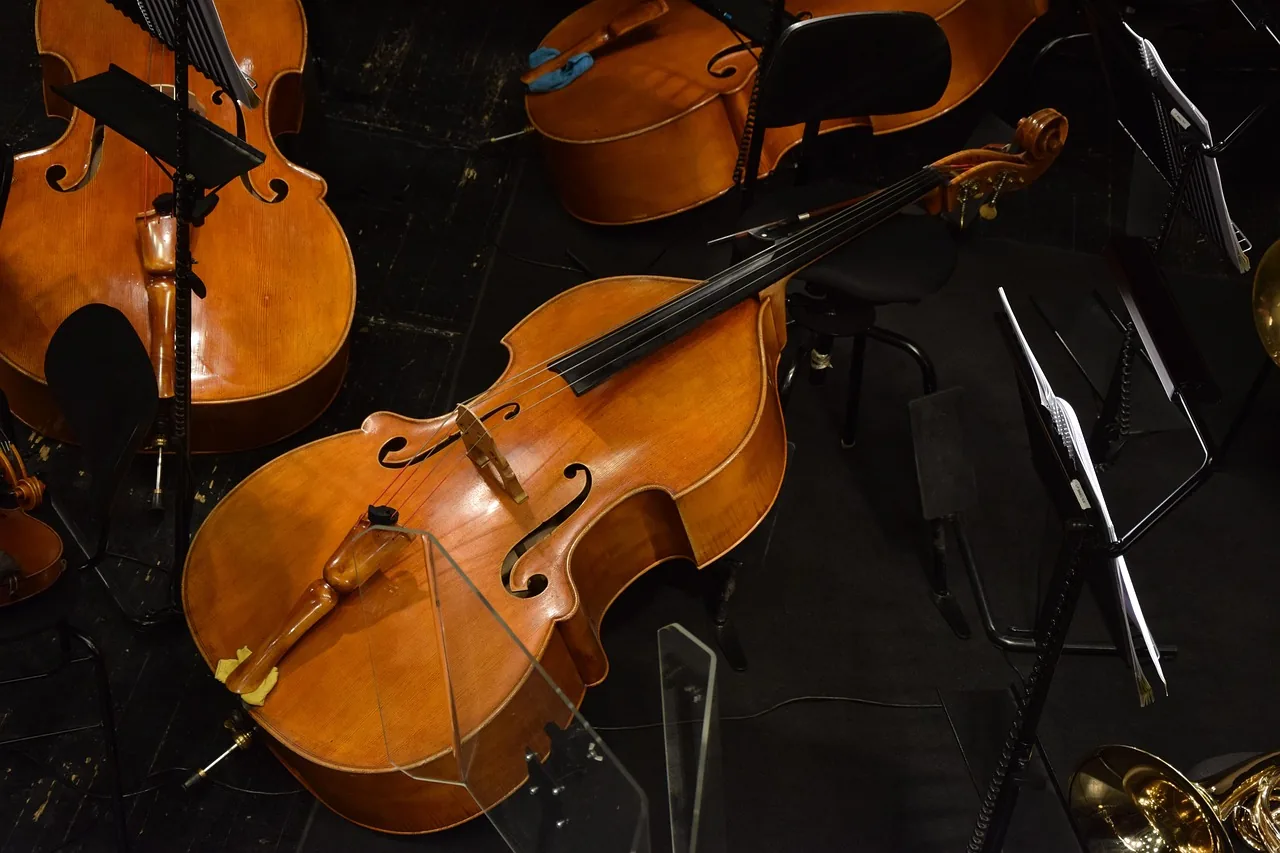
Discover more about these techniques and their impact on musical history by consulting the Treatise on Instrumentation and Orchestration.
Conclusion
Over the centuries, the voices of Italian composers have shaped an enduring musical homeland. Their legacy, carried forward by revolutionary artistic movements, continues to resonate powerfully.
From Monteverdi to Puccini, the greatest names made history with enduring works. Although they are gone, their music lives on in our collective memory.
Rediscover the richness of this musical tradition today. Every note and every melody pays tribute to those who brought opera to life. Let us celebrate their genius and allow their music to inspire us once again.
FAQ
What are the key periods of Italian classical music?
Who is considered one of the most influential composers of the Renaissance?
What is basso continuo, and what role does it play in Baroque music?
What are Claudio Monteverdi’s best-known works?
How did sacred music influence the Italian musical tradition?
What characterises a Baroque concerto?
Who is the most famous Renaissance chapel master?
What is a madrigal, and how did it develop?
How did opera originate in Italy?
Source links
- https://en.wikipedia.org/wiki/Antonio_Vivaldi
- https://en.wikipedia.org/wiki/Baroque_music
- https://en.wikipedia.org/wiki/Baroque_music
- https://en.wikipedia.org/wiki/Antonio_Vivaldi
- https://en.wikipedia.org/wiki/Baroque_music
- https://en.wikipedia.org/wiki/Antonio_Vivaldi
- https://www.baroqueries.ch/en/antonio-vivaldi-and-the-splendid-venetian-legacy/
- https://en.wikipedia.org/wiki/Baroque_music
- https://en.wikipedia.org/wiki/Baroque_music
- https://en.wikipedia.org/wiki/Antonio_Vivaldi
- https://en.wikipedia.org/wiki/Antonio_Vivaldi
- https://en.wikipedia.org/wiki/Baroque_music
- https://en.wikipedia.org/wiki/Baroque_music
- https://en.wikipedia.org/wiki/Antonio_Vivaldi
- https://en.wikipedia.org/wiki/Baroque_music
- https://en.wikipedia.org/wiki/Baroque_music
- https://en.wikipedia.org/wiki/Baroque_music
- https://en.wikipedia.org/wiki/Baroque_music
- https://en.wikipedia.org/wiki/Baroque_music
- https://en.wikipedia.org/wiki/Antonio_Vivaldi
- https://en.wikipedia.org/wiki/Antonio_Vivaldi
- https://en.wikipedia.org/wiki/Baroque_music
- https://en.wikipedia.org/wiki/Baroque_music
- https://en.wikipedia.org/wiki/Antonio_Vivaldi
- https://en.wikipedia.org/wiki/Baroque_music
- https://en.wikipedia.org/wiki/Antonio_Vivaldi
- https://en.wikipedia.org/wiki/Antonio_Vivaldi
- https://en.wikipedia.org/wiki/Antonio_Vivaldi
- https://en.wikipedia.org/wiki/Baroque_music
- https://en.wikipedia.org/wiki/Baroque_music
- https://en.wikipedia.org/wiki/Baroque_music
- https://en.wikipedia.org/wiki/Antonio_Vivaldi
- https://en.wikipedia.org/wiki/Baroque_music
- https://en.wikipedia.org/wiki/Baroque_music
- https://en.wikipedia.org/wiki/Baroque_music
- https://en.wikipedia.org/wiki/Baroque_music
- https://en.wikipedia.org/wiki/Baroque_music
- https://en.wikipedia.org/wiki/Baroque_music
- https://en.wikipedia.org/wiki/Baroque_music
- https://en.wikipedia.org/wiki/Baroque_music
- https://en.wikipedia.org/wiki/Antonio_Vivaldi
- https://en.wikipedia.org/wiki/Baroque_music