

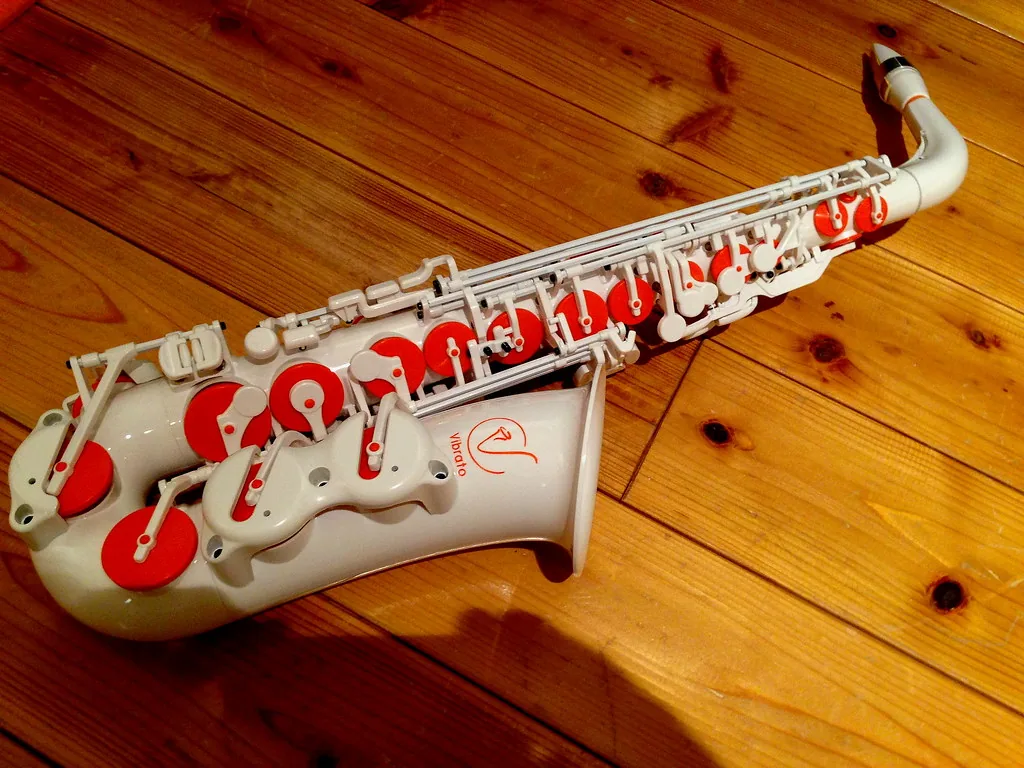
Goal: help readers in France understand the saxophone family, compare models and choose an instrument suited to their level and budget.
The key principle is simple: the same basic fingering applies to most types of saxophone, but their key, range, size and ergonomics vary considerably.
What this guide covers: B♭ and E♭, transposition and practical differences such as weight, comfort and musical role.
We will start with the four common saxophones — soprano, alto, tenor and baritone — then look at rarer variants (sopranino, bass and contrabass).
As you read, you will learn what to try in a shop, what to check when buying used and which accessories to plan for.
Playing contexts include jazz, classical music, marching bands, pop/rock and studio work — the right choice depends above all on how you intend to use the instrument.
Understanding the saxophone family: from Adolphe Sax’s invention to today
Adolphe Sax envisioned an instrument that combined the power of brass with the softness of woodwinds.
His aim was clear: to create an instrument whose sound would carry in marching bands while retaining great expressiveness for soloists. This work began in the 1840s.
The first fully developed model was a baritone in F, around 1843. The official patent dates from 1846. Between 1857 and 1870, teaching at the Paris Conservatoire helped establish saxophone practice in France.
Adoption by military bands, followed by the rise of jazz and big bands in the twentieth century, spread the instrument around the world. Industrial production by Conn and Selmer from 1920 standardized its forms.
- Purpose: combine brass and woodwind qualities for projection and expressiveness.
- Milestones: the 1840s, 1846 (patent), 1843 (baritone).
- Spread: from France to the world (military bands, conservatories, jazz).
| Milestone | Date | Impact | Use today |
|---|---|---|---|
| Design | 1840s | New family of wind instruments | Marching bands, orchestras, jazz |
| First model | Around 1843 | Baritone in F, a working prototype | Starting point for the family |
| Patent and teaching | 1846 / 1857-1870 | Recognition and spread in France | Training and standardization |
| Industrial production | 1920s | Conn / Selmer: mass production | Worldwide spread |
Saxophone anatomy and the basics to know before buying
Understanding a saxophone’s components makes it easier to try one in a shop.
The essential parts fall into five easily identifiable areas.
- Mouthpiece: where the sound begins. The choice of mouthpiece directly affects tone and attack.
- Neck: contributes to response and intonation between the mouthpiece and body.
- Body: holds the keys and tone holes; it is the instrument’s mechanical core.
- Bow: the curved lower section that guides air toward the bell and affects comfort.
- Bell: radiates the sound and partly determines its projection.
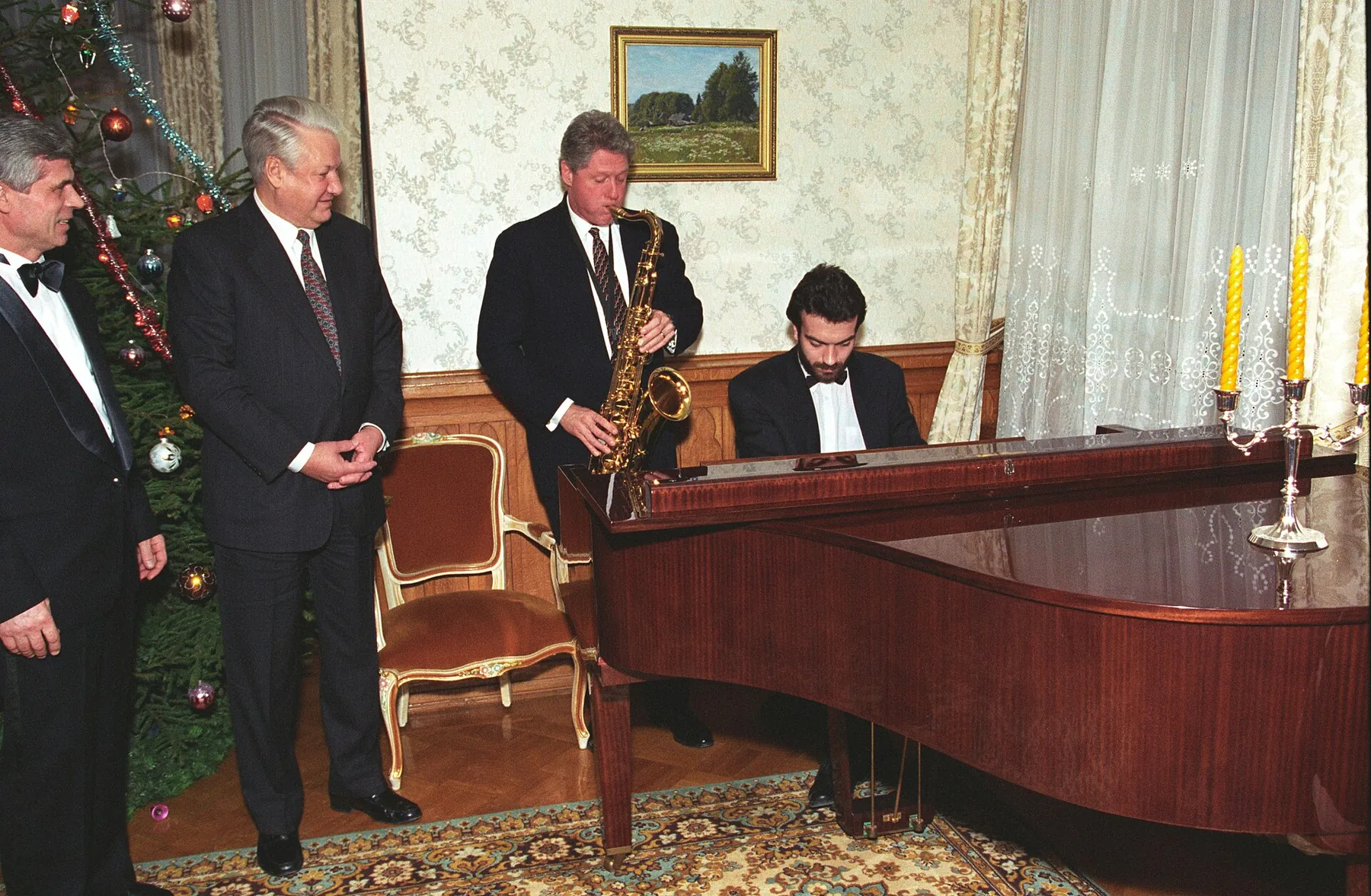
Why the reed and keys matter
The reed affects attack, ease of sound production and stability, especially in the low register. A reed that is too hard takes more effort; one that is too soft may offer too little control.
The keys affect ergonomics and how well the pads seal. Well-designed keywork makes playing easier and reduces fatigue. Pads that seal properly are better than poorly adjusted “prestige” mechanics.
Octave, keys and transposition
The octave mechanism lets you move between registers. Reliable mechanics reassure beginners and make intonation practice easier.
As for transposition, some instruments are in B♭ (soprano, tenor) and others in E♭ (alto, baritone). This changes how music is written when playing with other musicians. In practice, check whether you will need to transpose or use parts written for your instrument.
Buying tip: choose a well-adjusted instrument without leaks over a poorly maintained high-end model. Its key, range and comfort should guide your choice when you try it.
Comparing the most common models: soprano, alto, tenor and baritone saxophones
A visual table makes it easy to spot differences in key, range, weight and ensemble role.
| Instrument | Key | Range (approximate) | Weight / posture | Typical use |
|---|---|---|---|---|
| Soprano | B♭ | A♭3 – E6 | Light, often straight | Soloist, tonal color |
| Alto | E♭ | D♭3 – A5 | Easy to handle, ideal for beginners | Versatile (conservatory, jazz) |
| Tenor | B♭ | A♭2 – E5 | Larger, needs a wider hand span | Jazz, solos |
| Baritone | E♭ | D♭2 – A♭4 | Heavy (5 to 6 kg), harness | Concert band, big band |
Which is smallest, and which plays lowest?
Of these four saxophones, the soprano is the smallest. The baritone plays the lowest.
Shape and ergonomics
Soprano: often straight or slightly curved. Alto, tenor and baritone: curved bodies for better balance.
The neck and bell affect the instrument’s apparent size, air column and comfort. For beginners, the alto remains the best compromise; the tenor requires a greater reach, and the baritone requires a harness.
Coming up: a closer look at each instrument’s sound, technique and notable players.
Soprano saxophone: the highest pitched and most demanding
With its small bore and exacting demands, the soprano quickly puts a player’s ear to the test.
Design and tuning
Sopranos come in straight and curved forms. The neck may be straight or slightly curved to improve ergonomics.
Key: it is in B♭. A written C therefore sounds as B♭, which affects how you read music alongside a piano or guitar.
Range and intonation
Its range extends approximately from A♭3 to E6. Notes in the upper register are especially exposed.
The small bore makes intonation sensitive. Embouchure, breath support and a good ear are essential for steady playing.
Tone and mouthpiece
Depending on the mouthpiece, its tone can range from bright to more mellow.
A large-chamber mouthpiece produces a darker sound; a more open mouthpiece encourages a punchier, sharper tone.
Styles and notable players
The soprano has an important place in jazz and contemporary repertoire. Listen to Sidney Bechet for its historical style and John Coltrane for a modern approach.
“The soprano reveals the player’s intention: every note is exposed.”
- Buying tip: favor stable intonation and smooth mechanics over an overly “open” setup.
- For further listening, add Wayne Shorter and Steve Lacy to these players.
Alto saxophone: the most common choice for beginners
The alto offers a rare balance: a practical size, a rich sound and a quick start to learning.
It is in E♭ and has an approximate range of D♭3 to A5. This middle range strikes a good balance between accessible low notes and reachable high notes.
Conservatories often favor this instrument for its moderate size and weight. Its keywork suits most hands, helping beginners develop a stable embouchure without struggling with posture.

Tone and mouthpiece choice
For a mellow tone, choose a large chamber and a more closed mouthpiece. For a brighter sound, choose a smaller chamber or a more open mouthpiece.
Buying tip: choose a sturdy instrument with good intonation and an adjustable thumb rest (the Yamaha YAS-280, for example). Budget for several mouthpieces and reeds to suit your style.
Repertoire and notable players
The alto plays a major role in jazz (Charlie Parker, Cannonball Adderley), classical music and pop/rock horn sections. It is an excellent first choice for making quick progress.
“A good alto makes technique easier and brings out the player’s musicality.”
Tenor saxophone: the warm, expressive sound of jazz
Larger and deeper sounding than the alto, the tenor offers an expressive range prized in jazz and popular music.
Design: it is a larger instrument with a wave-shaped neck that affects its balance and how it is held. The tenor is in B♭, like the soprano, making it easier to pair with other B♭ instruments.
Range: approximately A♭2 to E5. It plays lower than the alto while still allowing many saxophonists to project high notes with ease.
Tonal colors: its sound varies with the mouthpiece, reed and player’s approach. It can range from a warm, mellow tone (Stan Getz) to a powerful, bright attack (as heard in more modern playing).
Uses: the tenor is an emblematic voice of jazz, but it also has a place in rock and pop. Familiar examples to listen for include Careless Whisper and the Pink Panther theme.
- Buying tip: check the ergonomics of the keys, the condition of the neck and the stability of low notes. These points often vary among entry-level tenors.
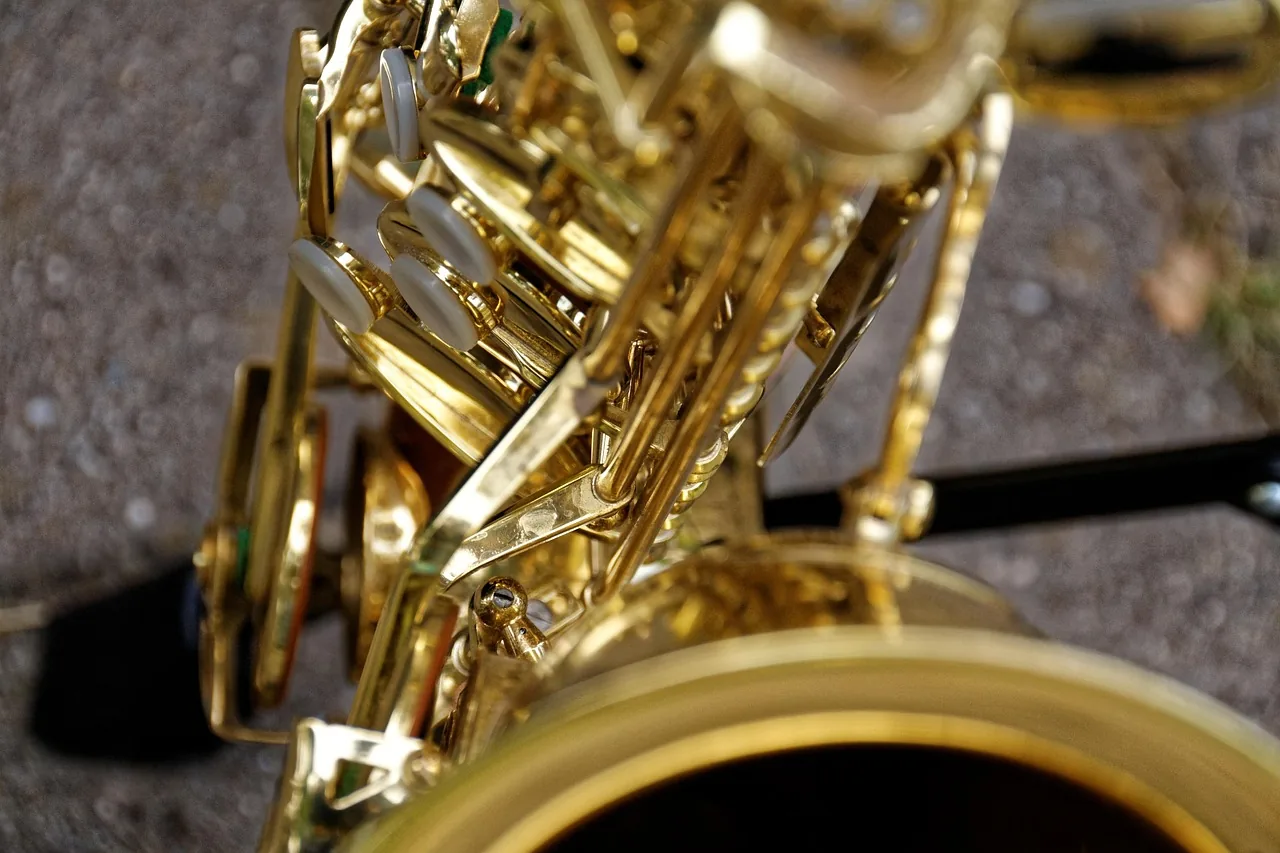
“The tenor converses naturally with melodies; it can support them and sing.”
Baritone saxophone: depth, power and a foundational role in ensembles
The baritone makes its presence felt through its solid sound and low range. It provides a harmonic foundation, a bass line and countermelodies that strengthen the ensemble.
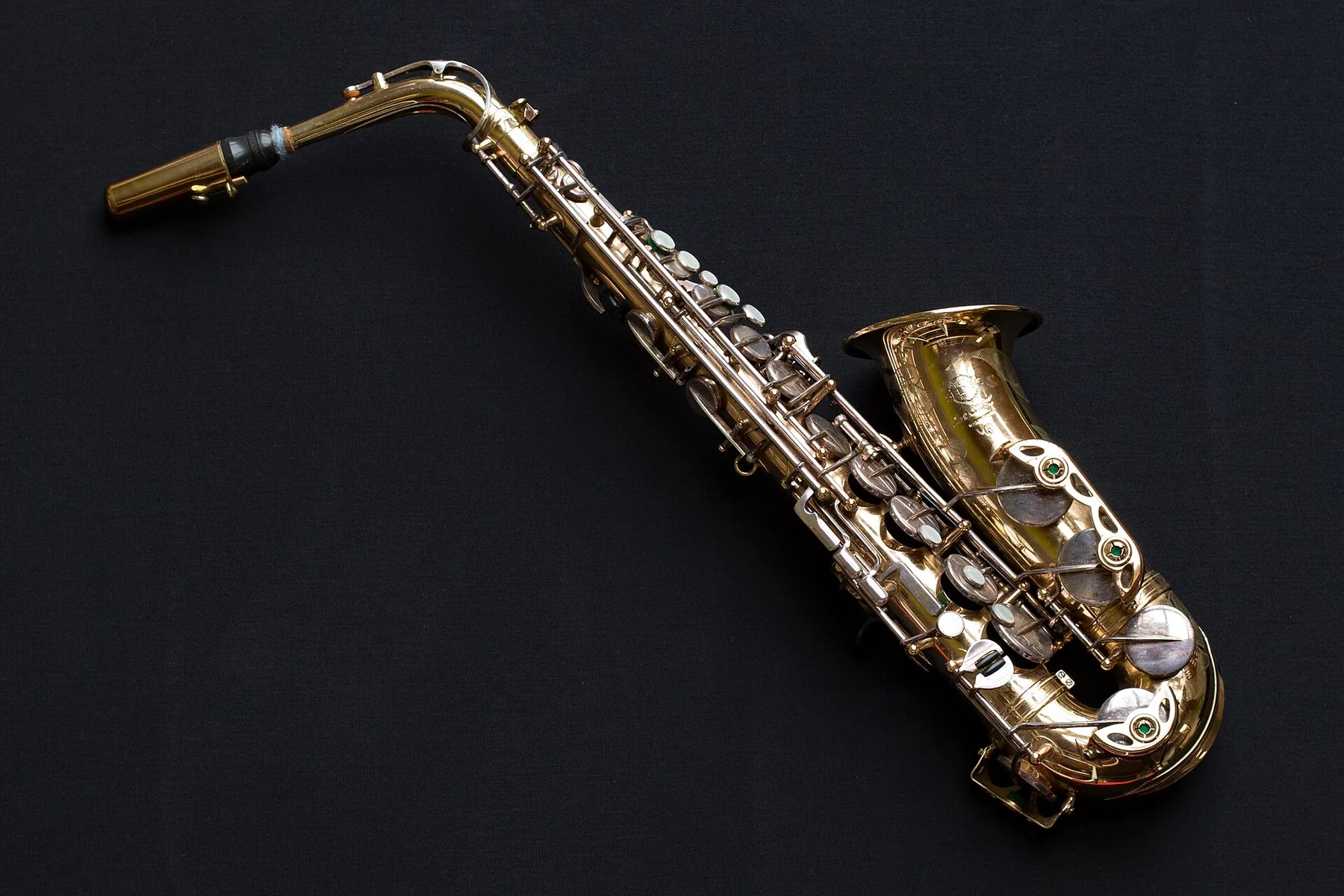
Physical features
You can recognize it by the loop in its neck, which reduces its overall height, and its large bell, which helps it project. The baritone often has an additional low A key that extends its range downward.
Weight, posture and harness
Expect a heavy instrument (often 5 to 6 kg). Stable posture is crucial for playing for long periods without pain.
Tip: a properly adjusted harness reduces neck fatigue and frees up your breathing, improving endurance in rehearsals and concerts.
Sounds, styles and uses
Its sound ranges from mellow and round (Cecil Payne) to bright and percussive (Leo P), depending on the mouthpiece, reed and desired style. The baritone has a central place in big bands, funk and modern jazz, and also appears in classical music and soundtracks.
What to check when buying: whether the large pads seal properly and whether the low-key mechanism works consistently. For more technical detail, consult the technical specifications.
“The baritone supports, shapes and colors the music: without it, the section loses its depth.”
Rarer models: sopranino, bass, contrabass and other variants
Rare instruments offer extreme tonal colors and highly specific sonic possibilities.
Why are they rare? Their high cost, size, limited repertoire and logistical demands all play a part. Their intonation and breath requirements call for advanced technique.
Sopranino
The sopranino is a small instrument with a very high range. Its sensitive intonation demands fine embouchure control.
It is used to add a distinctive color to an ensemble or in modern solos where clear high notes are desired.
Bass and contrabass saxophones
The bass saxophone extends the low register below that of the baritone and often serves as the bass voice in specialist ensembles.
The contrabass saxophone offers extremely low notes and an unusual stage presence. These instruments are heavy and require suitable transport arrangements.
When to use them
Practical uses include contemporary music, orchestral projects, saxophone ensembles and sound design for film or theater.
Tip: do not start with these models; take one up as a second instrument after mastering the alto or tenor.
“These variants transform the sonic space — they suit specific projects.”
| Type | Role | Challenges | Typical uses |
|---|---|---|---|
| Sopranino | High tonal color, soloist | Sensitive intonation, small bell | Contemporary ensembles, effects |
| Bass | Low foundation | Weight, transport, breath support | Saxophone ensembles, arrangements |
| Contrabass | Extremely low notes, stage presence | Very rare, difficult to transport | Orchestral projects, sound design |
How to choose the best saxophone for your needs and budget (buying guide)
Choose in three steps:
- Model based on your build and musical goal (alto for easy handling, tenor for a lower sound).
- Focused trial: test intonation, consistency across the full range and key ergonomics.
- Total budget: instrument, accessories and any servicing needed.
Beginners: simple criteria for choosing alto or tenor
For beginners, the alto remains a reliable choice: easy to hold, it is versatile in conservatory study and jazz.
The tenor appeals if you want a warm sound for jazz or rock. Avoid starting with a poorly adjusted instrument or an overly open mouthpiece.
Trying an instrument in a shop: new or used
A quick trial: play slow scales over two or three octaves, vary the dynamics from piano to forte, and move between low and high notes.
For a used instrument, check the pads, mechanism, leaks and condition of the neck. Allow for the cost of servicing if needed.
Essential accessories
- A suitable mouthpiece and reeds of a manageable strength.
- A reliable ligature, mouthpiece cap, and neck strap or harness (essential for baritone).
- Care kit: swab, grease and screwdriver.
“Start with a comfortable setup (a softer reed and a stable mouthpiece), then refine your sound through playing.”
For a fuller buying guide and recommendations by price range, consult this practical guide: choosing a saxophone.
Conclusion
In summary, saxophones can be compared along four lines: key (B♭/E♭), range, size and ergonomics, and musical role. These points are enough to compare models and narrow down a purchase suited to your goals and build.
Reliable choices: alto for beginners, tenor for jazz, soprano for a challenge and baritone for depth. Remember that the mouthpiece and reed change the sound more than you might imagine.
Test intonation, consistency and ergonomics in a shop. Include accessories and maintenance in your budget. To better understand the baritone’s role, read this article on the baritone and its benefits: baritone: benefits and uses.