

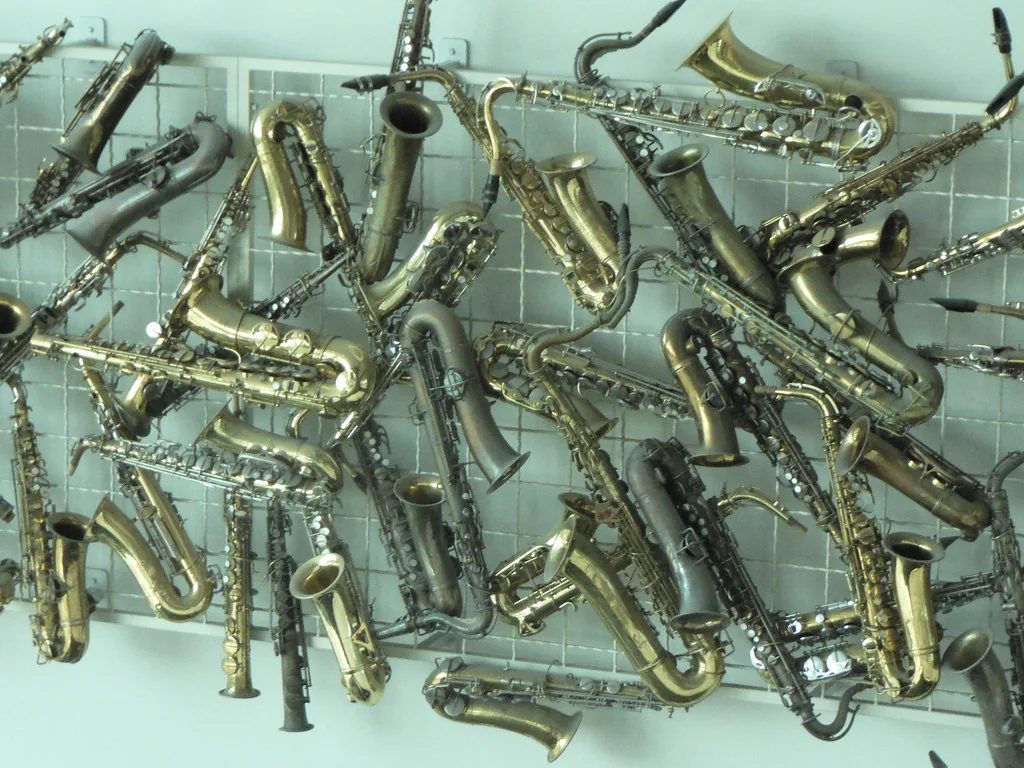
A practical guide to buying an instrument in France.
This article is for beginners who feel uncertain about the secondhand market. Buying a used instrument can be an excellent deal if you follow a clear inspection checklist.
The aim is simple: reduce unpleasant surprises. Check the overall condition, keywork, airtightness and sound response to avoid an expensive overhaul.
A beginner does not always have the ear or technique to judge an instrument from the first few notes. This checklist offers observable criteria that are easy to follow.
Set aside assumptions about brands: prioritize playability, reliable adjustments and how the instrument feels to you over rumors.
Follow this sequence: understand the market → define your needs → inspect the instrument point by point → estimate its value → test it in real playing conditions → choose where to buy.
Note: a used instrument sometimes needs an overhaul. Always include maintenance costs in your total budget.
Understanding the used saxophone market in France
In France, secondhand listings range from student instruments to high-end professional models. Identify the category before comparing listings.
There are three practical categories: student, intermediate and professional. Student instruments, such as the Yamaha YAS 23/280 or Jupiter JAS 769-767, emphasize durability and ergonomics.
Intermediate models, such as the Yamaha YAS 480, offer a richer tone and more stable adjustments. Professional series, such as the Selmer Supreme, emphasize precision and tonal range.
Since the 1980s, the growth of Japanese and Taiwanese manufacturing has blurred the boundaries. A modern student model can rival an older intermediate model.
Be cautious with very cheap instruments from China: some are playable, but manufacturing and quality control vary. Ask for a chance to try the instrument and get a technician’s opinion.
Do not treat a forum rumor as an absolute truth. Test the instrument, consult a teacher or technician, then decide based on your experience.
Define your needs before buying: saxophone type, playing level and budget
Before opening a listing, decide what you need from the instrument.
Type and level: first choose the type of saxophone (alto, tenor or soprano) and the intended level (student, intermediate or professional). Most beginners choose an alto: its size is manageable, its mouthpiece is easier to handle, and it is well suited to playing without straining.
All-in budget: allow for learning time, accessories and a possible overhaul. An instrument that is too basic can slow your progress; an unnecessarily advanced model can cost more than you need to spend.
| Range | Used (approx.) | New (approx.) |
|---|---|---|
| Student | €500 | €1,000 |
| Intermediate | €1,000 | €3,000 |
| Professional | €2,500 and up | €2,500 and up |
Compare several models, even within the same range. For a sound saxophone purchase, aim for a reliable used model rather than a very cheap new instrument.
Used saxophone: checklist before you buy
A methodical inspection of the body and mechanisms helps prevent unpleasant surprises.
Overall condition of the body
Inspect the brass for dents, cracks and distortion. The lacquer can be worn without affecting the sound, but its condition offers clues about how the instrument was stored.
Keywork and ergonomics
Test the keys: they should operate quietly and return without looseness. Check the springs and whether the parts work together consistently to assess the ergonomics.
Pads, airtightness and octave key
The pads must seal completely. A leak weakens the response and prevents some notes from sounding cleanly.
Tone holes and assembly
Examine the tone holes and their rims for signs of crushing or poor alignment. Assemble and disassemble the instrument: the joints and cork should allow the parts to fit together smoothly.
Sound test and intonation
Play across the full range, from low to high notes. Check the intonation with a tuner set to A at 440 Hz.
Signs of repairs
Look for visible solder joints, non-original parts and mismatched pads. If you find several problems, factor in the cost of an overhaul or walk away.
| Part | What to check | What to do if there is a problem |
|---|---|---|
| Body (brass) | Dents, cracks, lacquer | Ask about its history; budget for a repair |
| Keywork | Quiet keys, no looseness | Have a workshop adjust it if needed |
| Pads & airtightness | Firm seal, octave key | Replace the pads |
| Tone holes & rims | Alignment, no crushing | Repair the damage or walk away |
Brand, model and serial number: how to assess quality and value
Identifying an instrument’s origin and series helps you estimate its actual quality. Brand affects value because it influences reliability, parts availability and demand when you sell it.
Established brands:
- Yamaha — stable and easy to maintain.
- Selmer — a historic benchmark; pay attention to the series and the Selmer Mark.
- Yanagisawa — careful finishing and consistently high quality.
- Jupiter — clear improvements in the 700 series and above.

- Use it to estimate when the instrument was made.
- Check that the number fits the model’s history.
- Be cautious if parts appear to date from different periods.
| Use | Example models | Why |
|---|---|---|
| Starting out | Yamaha YAS 23/280, Jupiter JAS700 | Reliability and reasonable cost |
| Intermediate level | YAS-480, Yanagisawa A-WO1, Selmer Axos | Richer tone |
| Professional level | Selmer Series III, YAS-82Z, Selmer Supreme | Precision and tonal range |
About the Selmer Mark (Mark VI): its reputation raises its price. It is not always the best choice, however, if the instrument needs frequent repairs or has non-standard tuning.
Test a saxophone like a musician: mouthpiece, neck, reed and feel
Nothing replaces a thorough playing test when judging response and comfort. The aim is simple: produce a stable, even sound, whatever the instrument’s finish.
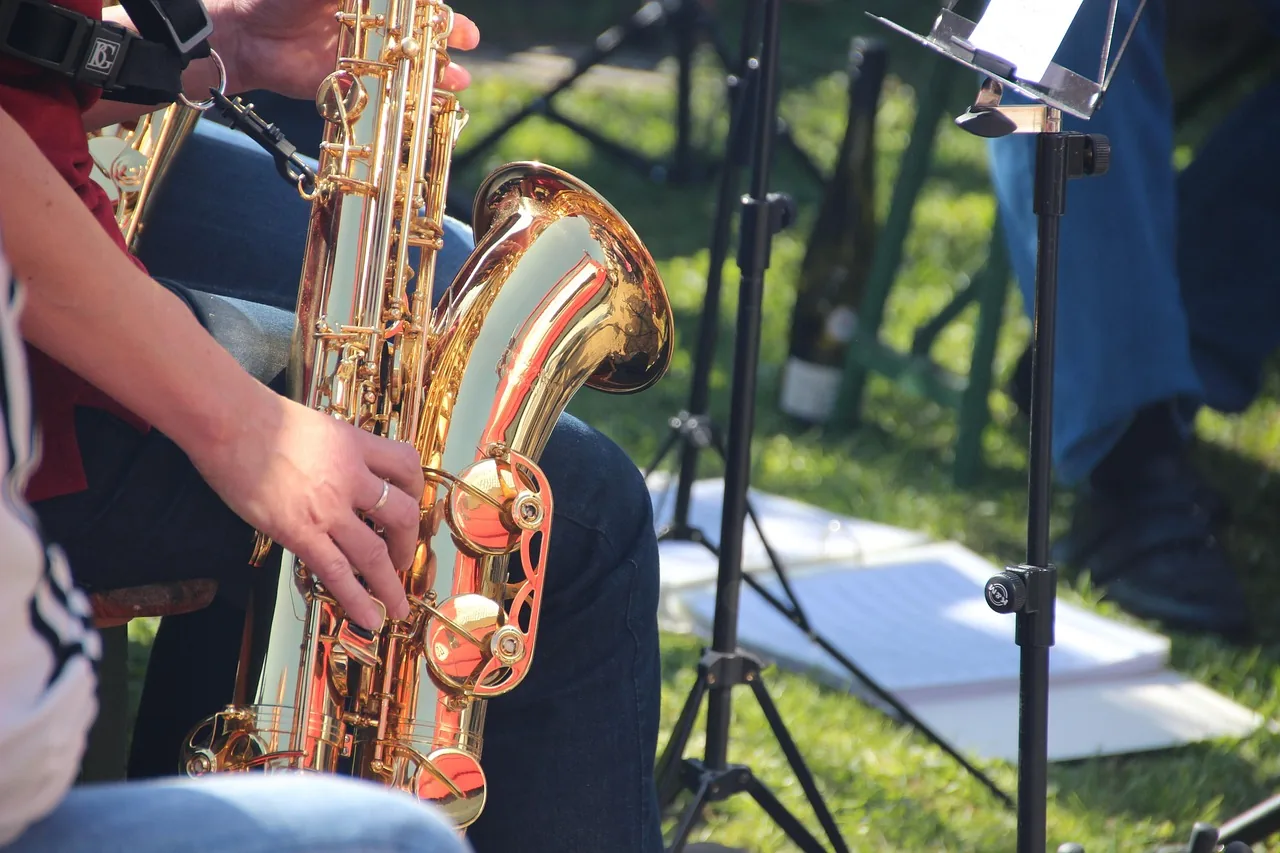
Why the mouthpiece matters more than the body
The attack, tip opening and accuracy of the mouthpiece facing directly affect playability. The mouthpiece often has a greater effect on the result than the brass body, especially on student models supplied with a plastic mouthpiece.
Test with your own equipment
Bring your mouthpiece and reed so you can compare instruments under consistent conditions. If the instrument comes with a basic mouthpiece, use your own during the test.
Practical reference points
- Selmer C*: versatile.
- Meyer 7M: often chosen for jazz.
- Vandoren V5 A35: another option for jazz.
Neck and tuning adjustment
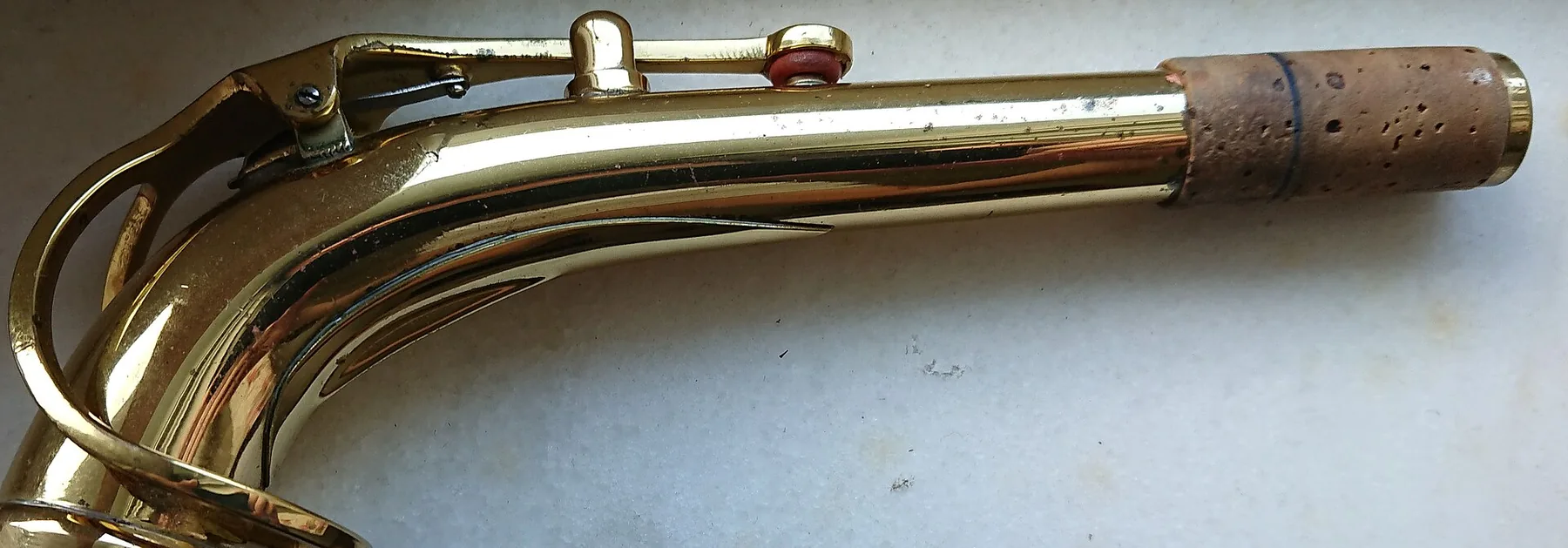
The neck should provide stable intonation and good response across the full range. First adjust the mouthpiece’s position on the cork to tune the instrument, then adjust your embouchure.
During the test, listen for clear attacks, how easily each note speaks and an even sound across registers. If notes are reluctant to speak, the instrument is not necessarily at fault: check the mouthpiece and its position.
Where to buy with fewer surprises: private sellers, shops, online and refurbished instruments
Where you buy affects the final cost and the risks you face. Think in terms of total cost: asking price + overhaul + possible repairs + missing accessories.
Buying from a private seller
A private seller may offer an attractive price, but the instrument’s history can be unclear. An instrument that has not been checked by a repair technician may soon need repairs.
Budget for an overhaul if the seller has no maintenance receipts, the keywork is noisy or the response is uneven during the test.
Shops and established sellers
A shop will often prepare and adjust the instrument and offer a warranty. You can compare instruments during a playing test and get technical advice.
Adjustments made by a technician reduce the time and money needed after purchase. This is the safest option for a first purchase.
Refurbished instruments: a balance of quality and price
A refurbished instrument combines the advantages of buying used with greater reassurance: inspection, replacement parts and adjustments are included. It is also an environmentally friendly choice.
It reduces the risk of unpleasant surprises while giving you access to better models at a more reasonable price.
Key questions to ask the seller
- Reason for selling and frequency of use.
- Storage conditions (humidity, temperature) and maintenance receipts.
- Previous repairs and replaced parts.
- Included accessories and how soon an overhaul might be needed.
Tip for musicians: bring a saxophonist friend or teacher to the test. Do not rely on the brand alone: prioritize playability and stability.
For a complete guide to the buying process and practical advice, see this buying guide, or read about other instruments in musicians’ experiences.
Conclusion
In short, the best approach combines technical checks with a test in real playing conditions.
In the used instrument market, a good purchase depends on a careful inspection and a comparative playing test, rather than rumors about a brand. Check the condition of the body, keywork and seals, estimate value from the model and serial number, then test the instrument with your own mouthpiece and reed.
Quality also depends on how well an instrument meets your needs: two famous models can feel very different to play. Try several instruments and compare them to find one that makes playing easier.
If you have doubts about an essential feature, negotiate with the cost of an overhaul in mind or walk away. For practical advice on buying used instruments, see this buying guide.