

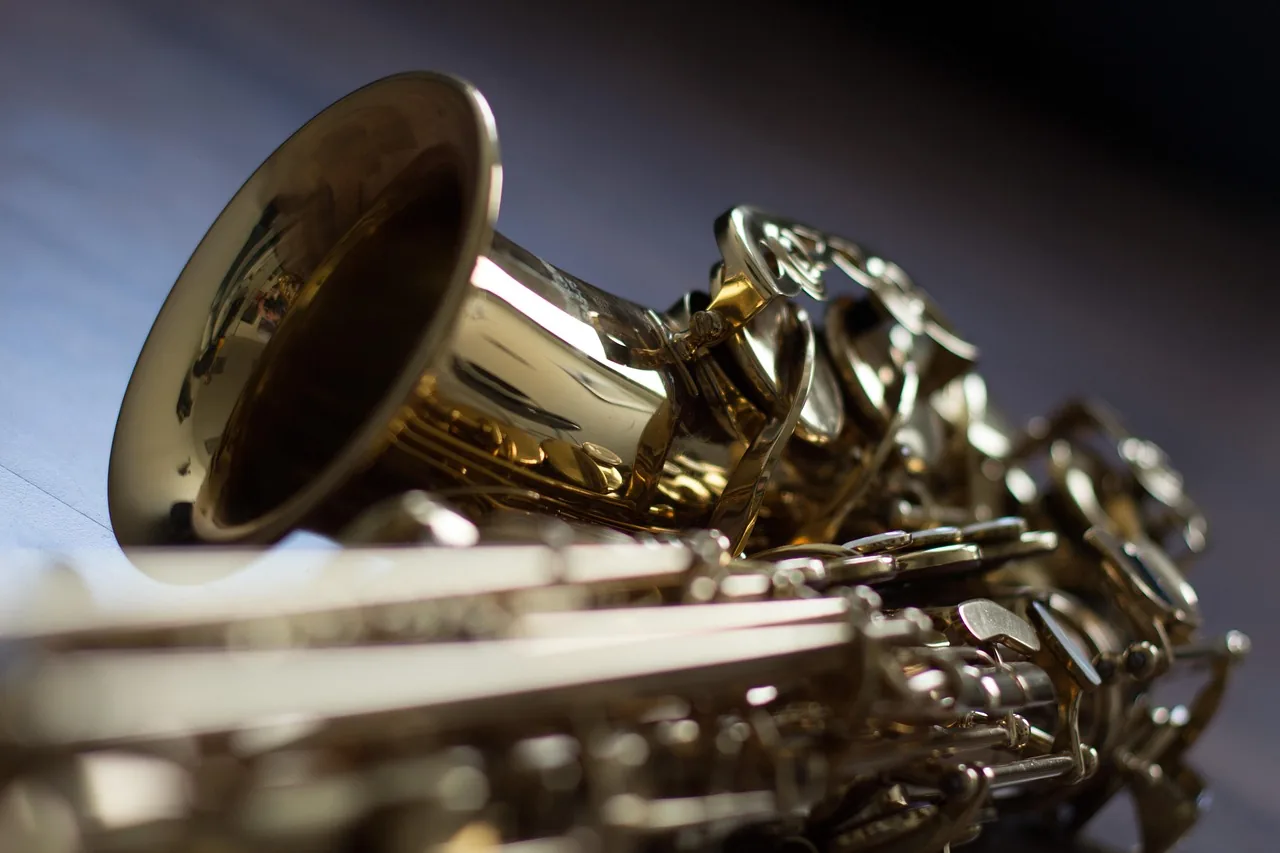
Goal: a buying-focused review of what to expect today in France. We assess the sound, response, intonation and projection. We also cover how the instruments are made and where the brand stands.
This article focuses on the Senzo, presented as a “rebirth” inspired by the Super Dynaction and S1. It cites product references (BC2525-7B / BC2525-2 / BC2525-8 / BC2525-4) and design information provided by the company.
We begin with a brief history to explain the brand’s identity, examine the Senzo in practice, then offer buying advice based on level, style and budget. We also help you choose between new and used instruments and identify the technical points to check.
Practical aim: beyond deciding whether an instrument is “good or bad,” the task is to choose a sound and playing feel suited to jazz, classical music or chamber music. For historical context and comparisons, see the page on the company’s history and the page about the 100 Series for used instruments and value for money.
Buffet Crampon and the saxophone: heritage, manufacturing and the brand’s place
The brand’s industrial and cultural history helps explain its place among musicians today. Its roots go back to Denis Buffet-Auger in Paris in 1825, and it adopted its official name in 1836.
The move to Mantes-la-Ville in 1850 established a workshop tradition. In 1866, Adolphe Sax’s patent entered the public domain. This turning point helped the saxophone spread and prompted the company to develop the instrument.
Important milestones:
- 1885: takeover by Evette and Schaeffer and a move upmarket.
- 1889: recognition at the World’s Fair.
- 1903: introduction of the Series IV.
- 1918: the Evette name comes to designate a student series.
This history supports the image of traditional craftsmanship and helps explain why some older instruments are valuable on the used market.
To learn more about the company’s story, see this dedicated page: history and legacy.
Buffet Crampon saxophones: how good are the current models?
The Senzo is now central to the company’s professional range. It is designed to bring together tradition and technical innovation.
Sound: it is described as round and warm, with a velvety low register and bright high notes. The response remains easy across the instrument’s range, supporting expressive phrasing.
Revised internal dimensions help its intonation. A usable tuning range of 438 to 444 Hz provides flexibility when playing in an orchestra or chamber ensemble.
- Neck and projection: a redesigned bore and a neck option that can provide greater clarity and projection depending on the setting.
- Construction: a pure copper body and hand-engraved floral decoration for a premium finish.
- Mechanism: adjustable side keys, blued steel springs and leather pads with metal resonators.
The references help identify the finish: BC2525-7B (lacquered red copper), BC2525-2 (silver-plated copper), BC2525-8 (lacquered brass) and BC2525-4 (gold-plated).
This versatile model suits jazz, chamber music and classical repertoire. To explore the range and compare products, see the Buffet Crampon catalogue.
Which model should you choose for your level, style and budget?
The right choice depends first on your musical experience, what you play and how much you can spend.
A simple approach: beginner → a reliable, affordable instrument; student or advanced player → focus on comfort and tuning accuracy; professional → a professional model to avoid repeated instrument changes.
New or used: when to consider an older model
A new instrument comes with a warranty, factory adjustments and available parts. A used one often costs less and has more character. One example is a 1961 Super Dynaction baritone bought for €2,400 in 2006 and described as being in “incredible condition.”
Vintage character and a modern approach
The Super Dynaction/S1 lineage brings a historic tonal character. The Senzo draws on it while offering stable intonation, a 438 to 444 Hz tuning range and neck options to vary projection and clarity.
What to check before buying
- Intonation in the sensitive registers and the condition of the pads (check for leaks).
- Key alignment, spring condition and any damage to the neck or bell.
- Consistency of the finish: a matching neck and uniform screws.
Quick guide: prioritize modern comfort → Senzo; prioritize character and budget → look for a well-serviced used instrument.
To choose the right kind of instrument for your needs, also see this guide to saxophone types.
Conclusion
The practical picture is clear: a controlled sound, easy response and carefully developed intonation are at the heart of the offering.
The brand shows that it can reconnect with professional players while respecting its heritage. The finishes and reference numbers make it easier to identify an instrument before buying.
The decision chiefly depends on the player: the desired tone, playing context (orchestra, stage or studio) and a budget that includes maintenance. Trying several configurations helps settle the choice.
For another considered used option, see the page about a used 100 Series.
Recommendation: try different neck and finish options, check intonation across the full usable range, and choose a seller or workshop that provides follow-up service and adjustments to make your purchase more secure.