

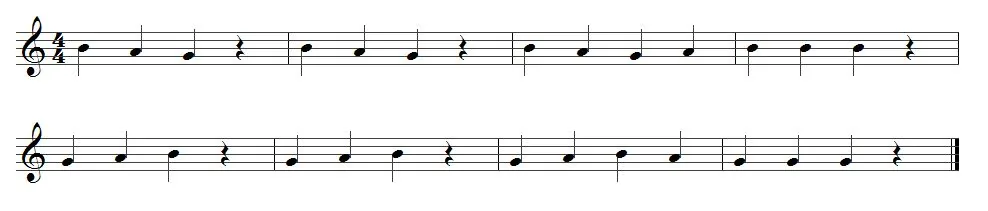
Quick introduction: this article explains, in practical terms, the alto saxophone’s sounding pitch and what it means when reading a score. The alto is pitched in E♭ and reads treble clef. A written C sounds as E♭ when played on the instrument; that is a simple reference point for beginners.
The goal is to learn to transpose, read scales and play in a group without getting lost in theory. This guide offers advice on choosing an embouchure, adjusting the mouthpiece and practising intonation.
Some context: the alto sits between the soprano and tenor. Its range and characteristics make it versatile in jazz, classical music and pop. This article is for beginners and intermediate musicians who want to become more independent.
To learn more about instrument types and their characteristics, see this practical guide to choosing a saxophone.
Understanding the alto saxophone’s key: an E-flat transposing instrument
Understanding why a written C does not sound the same on every instrument helps you read a score correctly.
What “in E♭” means
An E♭ transposing instrument plays a different pitch from the one written. In other words, a notated C sounds like E♭. This convention makes it easier to standardize scores for several types of instrument.
Historical background
Adolphe Sax designed a family of instruments in the mid-1840s. His aim was to bring their tone and fingerings into line. The patent filed in 1846 established a choice of keys, often E♭ and B♭, instead of a system based on C.
Range and register
The alto covers approximately D♭3 to A5 on the staff, with possible extensions depending on the model. Low notes are comfortable, while high notes require more control of the embouchure and breath.
Key points:
- E♭: the relationship between the written note and the note heard.
- This instrument reads treble clef.
- Family: alto and baritone in E♭; soprano and tenor in B♭.
For more on the concept of a transposing instrument, see this useful resource.
Alto saxophone key: what it means when reading a score
Being able to convert a written note quickly into a sounding note makes ensemble playing easier.
How to read the part
You always read in treble clef. The reference points on the staff stay the same. The difference appears when the written note sounds a minor third lower on the transposing instrument.
A quick transposition method
Simple rule: go down a minor third from the written note to find the sounding concert note.
| Written note | Sounding note (concert pitch) | Fingering | Note |
|---|---|---|---|
| C | E♭ | Open C | An easy reference point to remember |
| G | B♭ | Standard G fingering | Check the key signature |
| A | C | A fingering | Control your breath in the high register |
Adapting a concert-pitch score
Transpose the piano or guitar part up a minor third to produce a suitable written version. Check the key signatures and sharps before rehearsing.
Key signatures, fingerings and intonation
Make it a habit: identify the key signature as soon as you open the score. Practise fingering changes slowly, then increase the speed.
“Start each rehearsal by checking the concert pitch and any tricky passages.”
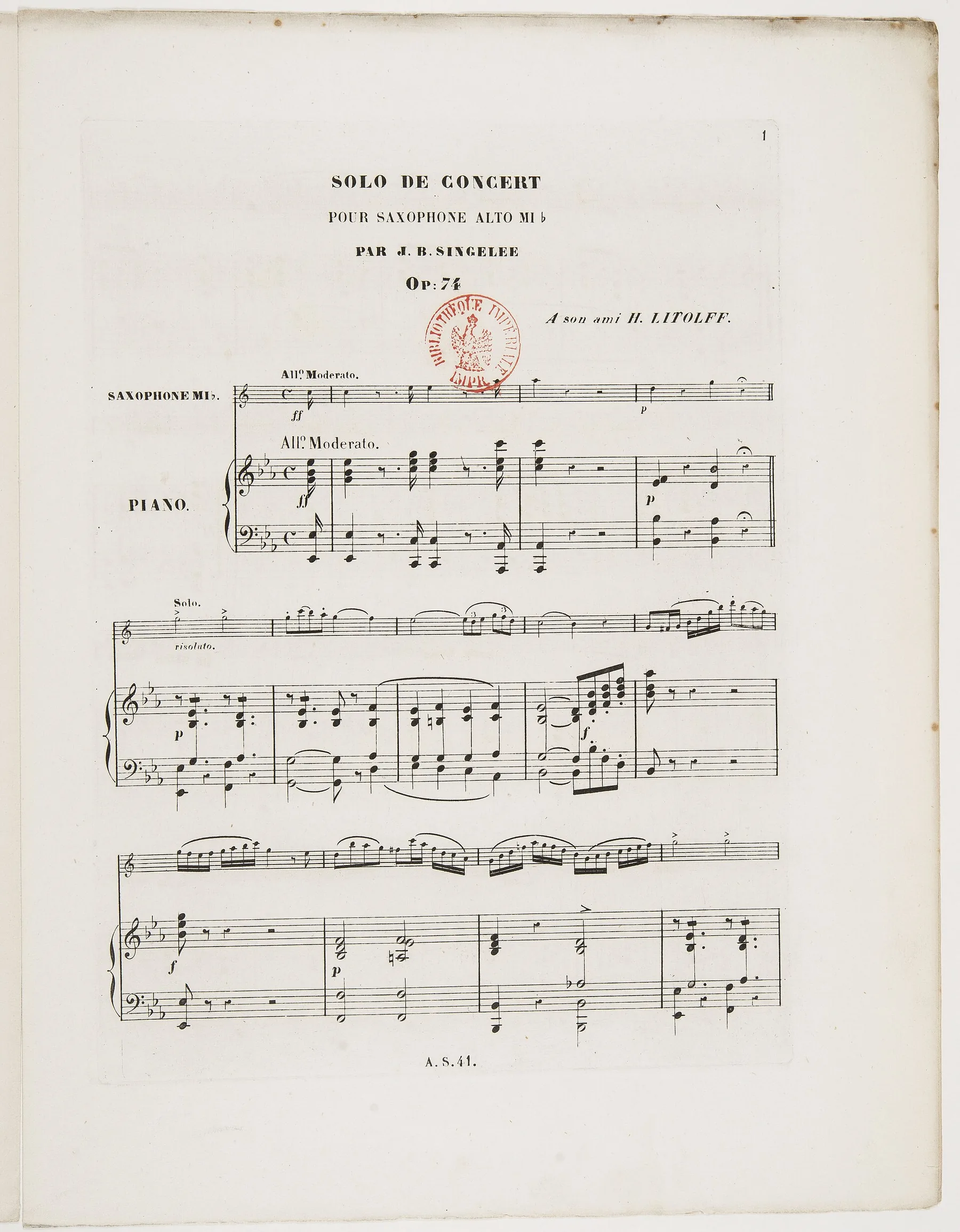
Practising alto saxophone scales to master different keys
Regular practice makes accidentals automatic. Focused exercises improve dexterity, coordination and intonation.
Why this helps:
- Steadier breath and more even tone.
- Better control when changing registers.
- Automatic fingerings when reading key signatures.
Six major scales to learn
Start with C major, then G, F, D, B♭ and A. Each step adds an accidental. You will gradually gain flexibility and confidence.
An effective routine (15 to 25 minutes)
Start the metronome. Warm up slowly. Play scales ascending and descending. Vary the rhythms, arpeggios, and slurred or detached articulation.
Tip: if your intonation slips, slow down and repeat the passage.
For a detailed guide to practising scales, see scale practice. To connect practice with reading music, also see classical piano.
Comparing alto, soprano, tenor and baritone: what their keys mean in a group
To play together without mistakes, first agree on which pitch names to use.
The soprano and tenor are in B♭; the alto and baritone are in E♭. This difference means you need to speak in concert pitches to avoid misunderstandings.
E♭ and B♭: playing with a tenor or soprano without mistakes
Practical rule: decide whether you are referring to concert pitches, the key of the piece or chord symbols.
For example, the pianist announces C major (concert pitch). The tenor saxophone reads in B♭, while the alto reads in E♭. Agreeing on a reference saves time.
“Always announce the concert pitch before you begin.”

When the alto shares the baritone’s key: advantages for the section
Advantages: simpler unisons, reliable doubling and consistent voicings. The baritone and alto complement each other to reinforce low lines.
- Tune to a steady note (A 440 or an A given by the conductor).
- Check exposed passages and high notes.
- Adjust the balance between sections.
| Situation | Recommended action | Result |
|---|---|---|
| Big band rehearsal | Announce the concert pitch, then tune | Fewer transposition errors |
| Alto and baritone doubling | Write the unison in concert pitch and annotate the score | Solid voicing |
| With tenor or soprano | Specify the reference (concert or transposed) | Quick coordination |
A short checklist for the saxophone section: decide who announces the notes (conductor or pianist), annotate the scores (concert or transposed pitch) and check the key signature. For an example of a quartet and its scores, see saxophone quartet.
Making the most of the alto’s key: tone, mouthpiece, embouchure and flexibility
Your choice of mouthpiece has a major effect on the colour and projection of your sound. A large chamber and curved baffle encourage a mellow sound, useful in classical settings (Sarah Dunbar, Paul Desmond). A high, scooped baffle and smaller chamber produce a brighter sound, as heard with Karsten Belt or David Sanborn.

Embouchure: roll the lower lip in, maintain steady pressure and avoid clenching your jaw. This reduces intonation drift in high passages.
Breath: a steady air column stabilizes the attack and sustained notes. Breathe with your diaphragm and practise long tones slowly to strengthen your control.
Fingerings, ergonomics and choice of repertoire
The instrument’s ergonomics help you play quickly: keep your hands relaxed and limit unnecessary movement. Use that flexibility to learn familiar jazz standards, demanding classical pieces and pop covers written for piano or guitar.
“Adjust your equipment, breathe, then play: three simple steps to improve the quality of your sound.”
| Focus | Action | Result |
|---|---|---|
| Setup | Try two mouthpieces (one with a large chamber and one with a small chamber) | Choose a sound that suits the style |
| Exercise | Long tones and active listening | Better intonation and breath control |
| Goal | Play a piece in a familiar key without hesitation | Confidence in performance |
Conclusion
Mastering transposition turns a challenge into a musical advantage.
Remember: the instrument is pitched in E♭ and reads treble clef. This affects reading, transposition and practising different keys.
Regular practice of scales (C, G, F, D, B♭, A) strengthens your fingerings, ear and intonation. It also reduces the mental effort needed during rehearsals.
In a group, the alto and baritone share the key of E♭, while the soprano and tenor share B♭. Agree on concert pitch as your reference to save time.
Next step: choose a key, practise its scale with a metronome, then play a piece while applying transposition and tone control. With these habits, the saxophone becomes a flexible instrument that opens up a wider repertoire.