

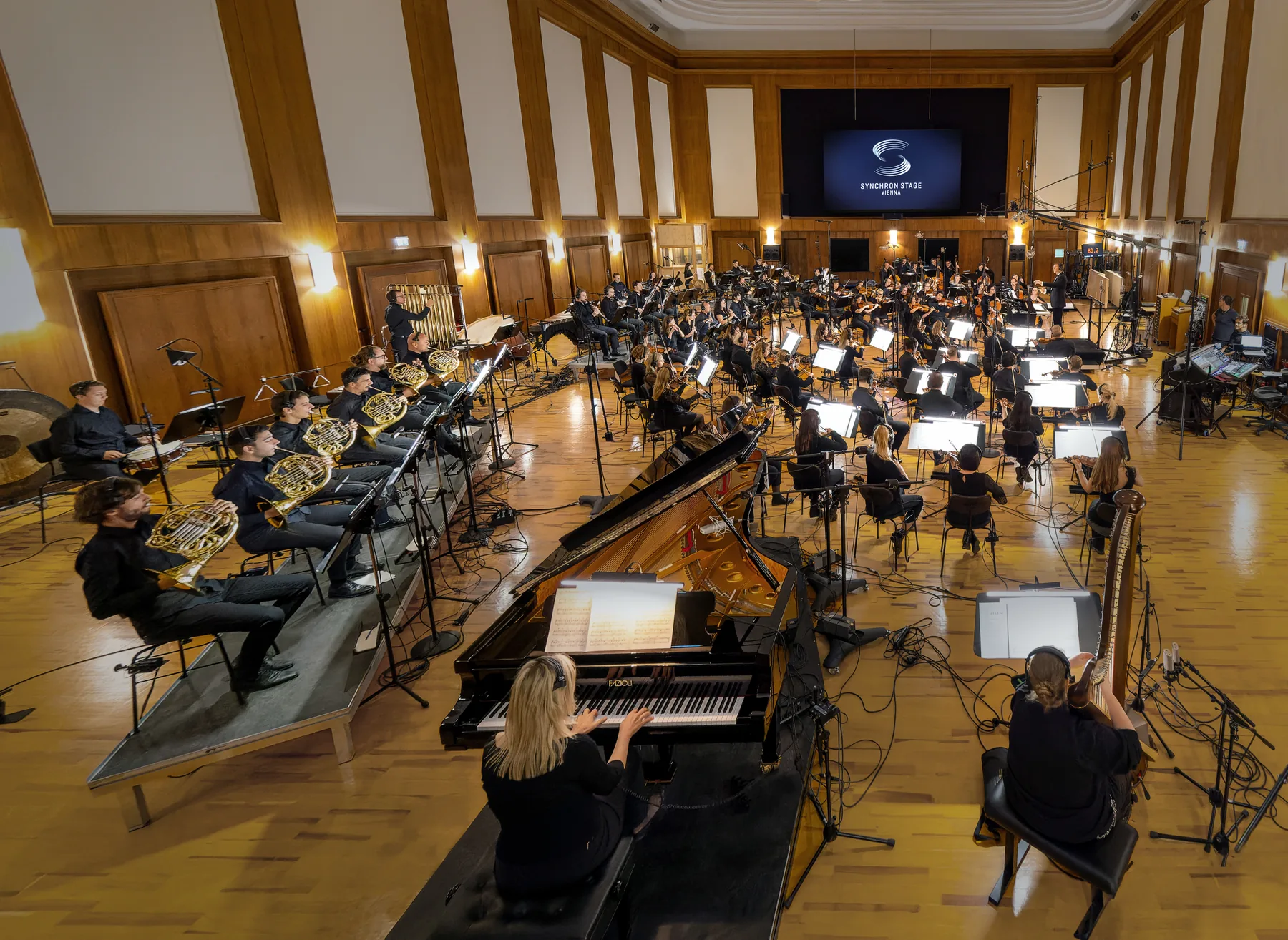
The waltz, a timeless and iconic dance, has captivated hearts around the world for centuries. Originating in Vienna in the nineteenth century, it flourished in Austrian salons before reaching international stages. Great names such as Johann Strauss and Chopin shaped its history, giving it unparalleled beauty and emotion.
Through its enchanting melodies, the waltz evokes deep feelings, from love to melancholy. Composed for balls and elegant evenings, it has also found a place in films and songs, keeping its musical legacy alive. Works such as The Blue Danube and The Farewell Waltz continue to carry listeners into a world of dreams and passion.
The waltz is much more than a dance: it is a true work of art. It has adapted to changing times while retaining its essence. Composers such as Tchaikovsky added their personal touch, creating immortal melodies. Today, these melodies continue to resonate in our hearts, recalling a rich past and an extraordinary musical tradition.
The history and evolution of the waltz
Born in Vienna in the early nineteenth century, the waltz is much more than a dance. It represents a profound cultural movement that left its mark on the history of classical music. Rooted in folk tradition, it quickly evolved into a symbol of elegance and passion.
Viennese origins and the birth of the three-beat rhythm
At first, the waltz was seen as a revolutionary dance. Couples danced in a close embrace, shocking the society of the day. Its three-beat rhythm and enchanting melody soon won people over, however. Viennese cafés and aristocratic salons played a key role in its spread.
Figures such as Goethe criticized the new dance, calling it “madness.” Despite these reactions, the waltz endured. It became a symbol of freedom and modernity.
The influence of great composers and Viennese salons
Viennese salons turned the waltz into a cultural phenomenon. Composers such as Johann Strauss created enduring works that gave the dance its soul. Their melodies, often played at balls and ceremonies, made the waltz indispensable.
| Composer | Notable work | Year |
|---|---|---|
| Johann Strauss | The Blue Danube | 1867 |
| Frédéric Chopin | The Farewell Waltz | 1835 |
| Pyotr Ilyich Tchaikovsky | Waltz of the Flowers | 1892 |
The waltz has also found a place in films and songs, keeping its musical legacy alive. Today, these melodies continue to resonate in our hearts, recalling a rich past and an extraordinary musical tradition.
The most beautiful waltzes in classical music
With its captivating rhythm, the waltz holds a central place in music history. It has become a symbol of elegance and passion, enchanting listeners and dancers for centuries.
Masterpieces by Johann Strauss and his successors
Johann Strauss, known as the “Waltz King,” made history with works such as The Blue Danube and Emperor Waltz. These pieces, with their enchanting melodies, continue to carry listeners into a world of dreams and passion.
Often played at balls and ceremonies, these compositions made the waltz indispensable. Strauss’s distinctive style, combining rhythm and harmony, inspired many composers.
The enchanting melodies of Chopin and Tchaikovsky
Frédéric Chopin brought an intimate quality to the waltz with his Waltz in C-sharp minor. His piano interpretation remains a touchstone and offers a unique emotional depth.
Pyotr Ilyich Tchaikovsky captivated audiences with his Waltz of the Flowers. Its melody and magical atmosphere make it ideal for weddings and formal occasions.
These composers gave the waltz its soul, turning it into a true work of art. Their musical legacy continues to resonate through the ages.
Waltzes for an unforgettable wedding first dance
At a wedding, the waltz is much more than a dance. It is a defining moment when the couple takes center stage. Music and movement come together to create a magical, moving atmosphere.
Choosing the ideal waltz to begin the celebration
The choice of waltz matters. Johann Strauss and Pyotr Ilyich Tchaikovsky offer timeless melodies. Strauss’s “The Blue Danube,” for example, carries guests into a dreamlike world with its enchanting rhythm.
Contemporary composers such as Yann Tiersen bring a modern touch. His “Amélie’s Waltz” combines elegance and intimacy, making it perfect for a small wedding.
From tradition to modern interpretations: alternatives and new ideas
While the classics remain popular choices, couples can also explore modern interpretations. Waltzing to a pop song such as Ed Sheeran’s “Perfect” adds a personal touch.
Including film themes, such as “Emperor Waltz,” can evoke a cinematic atmosphere. The first dance then becomes a musical, visual and storytelling experience.
The importance of rhythm and atmosphere for a magical moment
Rhythm and atmosphere are essential. A slow, gentle waltz, such as Claude Debussy’s “Clair de lune,” creates an intimate mood. A more energetic waltz, such as Tchaikovsky’s “Waltz of the Flowers,” can bring the room to life.
The music should reflect the style of the wedding. For a country wedding, an acoustic piano melody may be ideal. For a more sophisticated celebration, a full orchestral arrangement may be a better fit.
Read our guide to discover how to choose the perfect music for your ceremony.
Conclusion
With its captivating rhythm, the waltz remains an iconic dance that has shaped the history of classical music. From its Viennese origins to its contemporary adaptations, it embodies elegance and passion. Legendary composers such as Johann Strauss and Chopin gave these melodies their soul, turning them into true works of art.
Today, the waltz continues to be heard at ceremonies, from weddings to concerts. Depending on the occasion, it creates an intimate or formal atmosphere. Some compositions, such as those by Mel Bonis, display orchestral mastery and musical refinement through harmonious contrasts.
Choosing a waltz for a ceremony, whether a wedding or a concert, carries special importance. The Format Raisins team shares this passion for classical music, supports emerging talent and promotes the art through articles and live events. Coordination among the music, venue and organizing team is essential to creating an unforgettable atmosphere.