

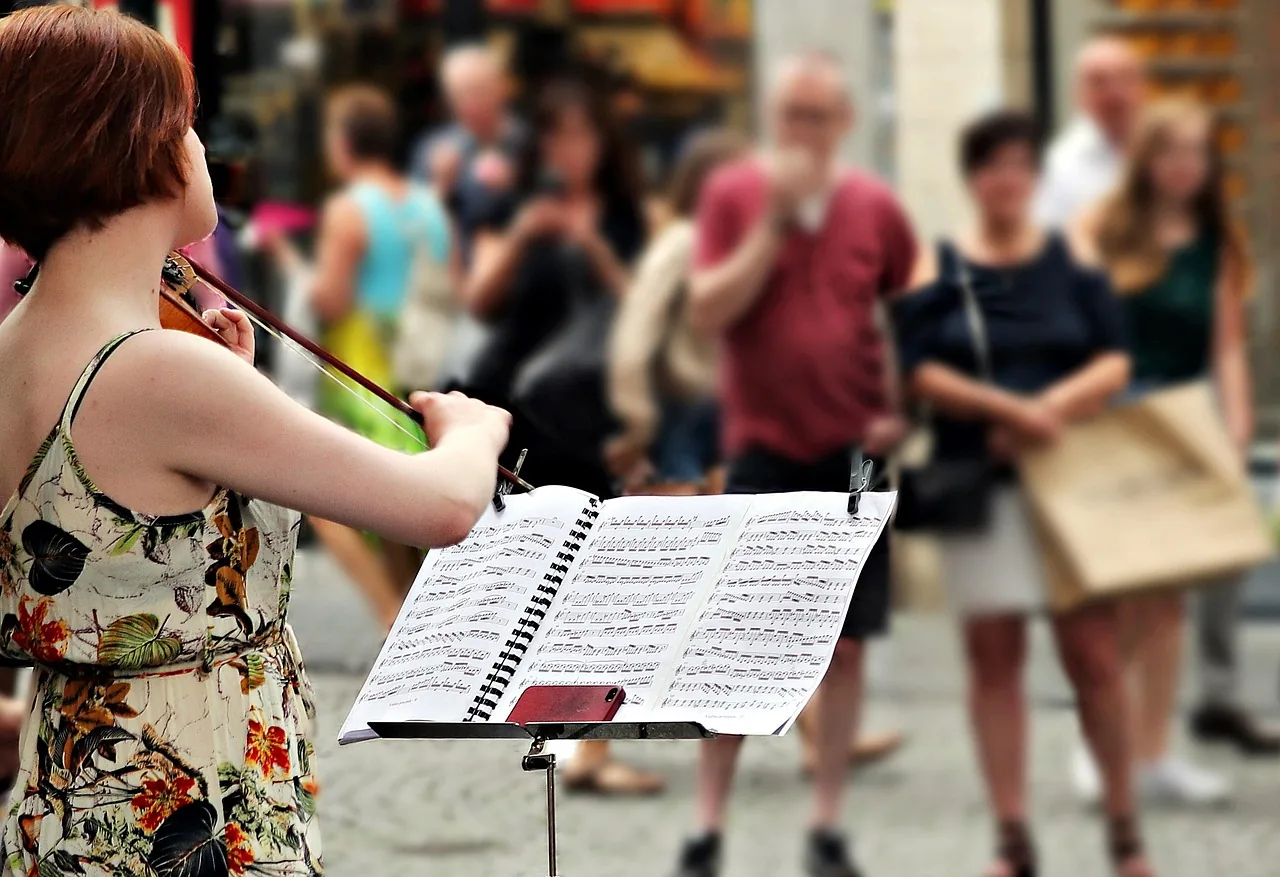
Among Antonio Vivaldi’s most iconic Baroque concertos, The Four Seasons continue to captivate listeners around the world. This musical work, published in Amsterdam in 1725 by Michel-Charles Le Cène, consists of four concertos, each depicting a season with the help of explanatory sonnets.
Part of the collection Il Cimento dell’Armonia e dell’Invenzione, Op. 8, these violin concertos showcase Vivaldi’s virtuosity and the central roles of the violin and orchestra. After a long period of neglect, The Four Seasons were rediscovered in the twentieth century, bringing this work into the heart of the classical repertoire.
Today, The Four Seasons lend themselves to many interpretations that combine music and text in innovative ways. This landmark piece explores the connections between Baroque techniques and the emotions conveyed by music, offering a unique artistic experience.
To learn more about classical music and its masterpieces, read our article on the gentle sound of the piano.
Introduction and historical context
Antonio Vivaldi, a Venetian composer, left his mark on the history of Baroque music. As a teacher at the Ospedale della Pietà, he helped train talented young women musicians, an experience that influenced his compositions.
Vivaldi’s life and times
Born in Venice in 1678, Vivaldi was a priest and a prolific composer. His role at the Ospedale della Pietà enabled him to develop works that highlighted the violin, the central instrument in his concertos.
Publication and reception in the eighteenth century
Published in 1725, Opus 8, which includes The Four Seasons, was dedicated to Count Wenzel von Morzin. This strategic dedication was intended to strengthen Vivaldi’s standing and bring him greater recognition.
In Paris, his works already dominated the Concert Spirituel in 1728, demonstrating their influence in aristocratic and ecclesiastical circles.
| Season | Movements | Characteristics |
|---|---|---|
| Spring | Allegro, Largo, Allegro | Birdsong, thunderstorm |
| Summer | Allegro, Adagio, Presto | Heat, thunderstorm |
| Autumn | Allegro, Adagio, Allegro | Pastoral dance |
| Winter | Allegro, Largo, Allegro | Ice, storm |
Accompanied by their descriptive sonnets, these concertos helped establish program music by connecting music and text in an innovative way.
Musical analysis of The Four Seasons
Antonio Vivaldi’s The Four Seasons, published in 1725, are a milestone in the history of Baroque music. Each concerto represents a season illustrated by a descriptive sonnet, bringing music and text together in a distinctive way.
Formal structure and movements
Each concerto has three movements: a fast movement, a slow movement, and another fast movement. This classical structure alternates energy with reflection. For example, Spring opens with a lively Allegro, followed by a soothing Largo, and ends with a cheerful Allegro.
The ritornello plays a key role: it alternates with passages for the soloist and the full orchestra, creating a compelling musical dynamic.
Innovations and Baroque techniques
Vivaldi innovates by imitating natural sounds, such as birdsong and barking dogs. These effects, produced by the violin and orchestra, strengthen the narrative character of each season.
Summer, with its intense Presto, evokes summer thunderstorms, while Autumn celebrates abundance through pastoral dances. These innovations helped lay the foundations of the modern concerto and influenced generations of composers.
Vivaldi and The Four Seasons: A detailed history and analysis
Antonio Vivaldi left his mark on the history of Baroque music with a rich and innovative body of work. The Four Seasons, published in 1725, bring music and text together in a distinctive way, revealing an exceptional narrative dimension.
The sonnets and program music
Each concerto is accompanied by a descriptive sonnet that guides the listener through the seasons. These texts, included in the score, indicate sound effects such as birdsong and winds. Spring, for example, opens with cheerful accents, while Winter evokes ice and storms.
These annotations show how Vivaldi transforms text into expressive music and creates an immersive experience.
The dialogue between literature and music
Vivaldi’s program music closely connects each sonnet with its composition. Summer, with its Allegro non molto, imitates thunderstorms, while Autumn celebrates abundance through a pastoral dance. These innovations influenced the concerto genre and showed how music can tell a story.
Cultural impact and modern interpretations
Since their rediscovery in the twentieth century, Antonio Vivaldi’s The Four Seasons have shaped musical culture around the world. This iconic work continues to captivate listeners across borders and generations.
Historic interpretations and landmark recordings
Historic recordings of The Four Seasons played a key role in their popularity. Legendary conductors such as Herbert von Karajan and Nikolaus Harnoncourt left their mark on these concertos with unforgettable interpretations. With more than 1,000 recordings, this work remains one of the most frequently performed in history.
Contemporary adaptations and reinterpretations
Today, The Four Seasons are adapted to new genres. Max Richter’s 2012 version, titled The Four Seasons Recomposed, is a notable example. This music is also frequently used in films and advertisements and has even inspired jazz adaptations, demonstrating its versatility. These modern interpretations show how strongly Vivaldi continues to inspire contemporary artists.
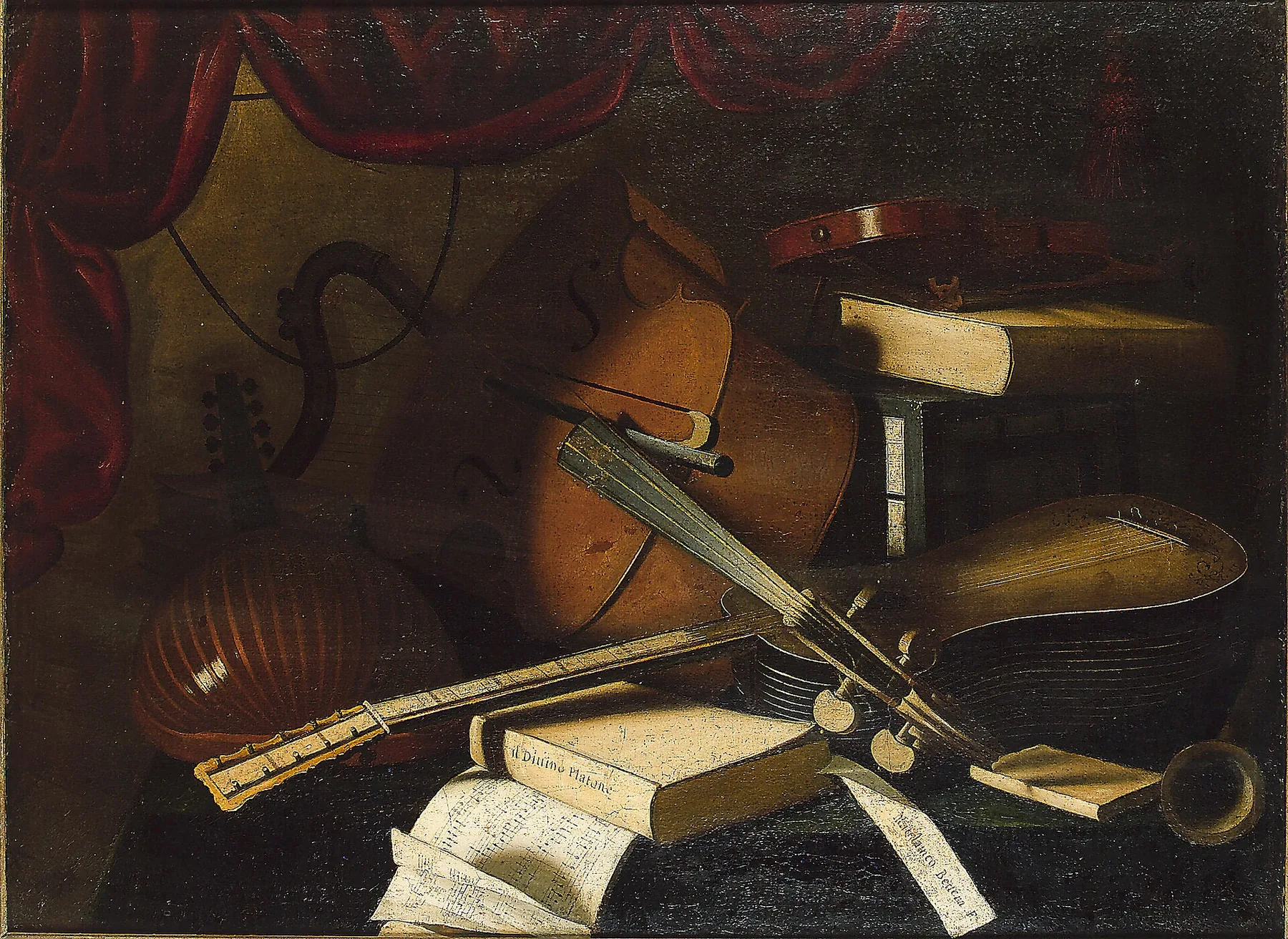
These adaptations reflect the evolution of classical music while remaining faithful to Vivaldi’s original spirit. His influence can be felt in fields ranging from advertising to today’s music scene.
Distinctive features of the score and instrumentation
Antonio Vivaldi’s The Four Seasons stand out for their rich and innovative instrumentation. Although no original autograph manuscript survives, annotated early copies, such as those in Manchester, offer valuable insight into the composer’s expressive intentions.
Instrumentation and instrumental innovations
Each concerto is built around a solo violin, accompanied by a string quartet and basso continuo. Vivaldi innovates by using the orchestra dynamically and alternating solo passages with interventions by the ensemble. He thus creates compelling musical tension, typical of the concerto grosso, while paving the way for the modern concerto.
Annotations and comments in the original score
Vivaldi’s annotations in the early scores reveal precise sound effects, such as winds and animal sounds. Spring, for example, imitates birdsong, while Summer evokes thunderstorms. Guided by the descriptive sonnets, these details show how music can tell a story by linking text and sound.
Instruments such as the viola and cello play a key role in creating an atmosphere for each season. These instrumental innovations, combined with deep musical reflection, helped lay the foundations of program music.
Learn more about the history of classical music and its innovations on the Format-Raisins website.
Conclusion
Antonio Vivaldi left his mark on the history of Baroque music with a rich and innovative body of work. The Four Seasons, published in 1725, bring music and text together in a distinctive way, revealing an exceptional narrative dimension. Each concerto, from cheerful Spring to icy Winter, evokes a distinct soundscape and captures the essence of its season.
This work influenced the development of the concerto and redefined the boundaries of Baroque music. Modern interpretations, such as Max Richter’s version, show its versatility and ability to adapt to contemporary genres. The Four Seasons continue to endure and inspire musicians and composers.
To explore this iconic music further, read our article on Vivaldi’s Summer and its cultural impact. The Four Seasons remain an essential landmark of classical music and offer a timeless artistic experience.
FAQ
What is the structure of Vivaldi’s The Four Seasons?
What instrumental innovations does this work contain?
Why are The Four Seasons considered program music?
What is the cultural impact of The Four Seasons today?
What are the distinctive features of the original score?
How did Vivaldi use the orchestra in this composition?
How do the seasons relate to the movements of the concertos?
What modern interpretations of The Four Seasons are there?
Sources
- https://en.wikipedia.org/wiki/The_Four_Seasons_(Vivaldi)
- https://www.britannica.com/biography/Antonio-Vivaldi
- https://www.britannica.com/topic/The-Four-Seasons-by-Vivaldi
- https://www.britannica.com/topic/The-Four-Seasons-by-Vivaldi
- https://inline.carnegiehall.org/?c=carnegiehall&e=pnsafetynet2023&ver=aspnet-4.4.1&cver=447&man=Safety%20Net&enqueuetoken=eyJ0eXAiOiJRVDEiLCJlbmMiOiJBRVMyNTYiLCJpc3MiOjE3OTUzMTQ5NTUzNjEsImV4cCI6MTc5NTMxNTE5NTM2MSwidGkiOiIwMzhlYWYyMy0yODYwLTQ1YjMtYjVhNS01N2VjYjk3ZDcxNTUiLCJjIjoiY2FybmVnaWVoYWxsIiwiZSI6InBuc2FmZXR5bmV0MjAyMyIsImlwIjoiMTcyLjIxLjQuNzEifQ.LHbgbR8o3MDnI_cvWEx3WQOYwBc6Sx40cUiISaUvq4g.fWqjq6CPPVYlHeNuoMz3iF-yU-RbYK3gwuDFUSSAtmk&t=https%3A%2F%2Fwww.carnegiehall.org%2FExplore%2FArticles%2F2021%2F04%2F29%2FVivaldis-Four-Seasons
- https://www.britannica.com/topic/The-Four-Seasons-by-Vivaldi
- https://www.britannica.com/topic/The-Four-Seasons-by-Vivaldi
- https://www.britannica.com/biography/Antonio-Vivaldi
- https://www.britannica.com/biography/Antonio-Vivaldi
- https://www.britannica.com/topic/The-Four-Seasons-by-Vivaldi
- https://www.jstor.org/stable/10.2307/3127507
- https://en.wikipedia.org/wiki/Antonio_Vivaldi
- https://www.jstor.org/stable/10.2307/3127507
- https://en.wikipedia.org/wiki/Classical_music
- https://en.wikipedia.org/wiki/Transcription_(music)
- https://en.wikipedia.org/wiki/The_Four_Seasons_(Vivaldi)
- https://inline.carnegiehall.org/?c=carnegiehall&e=pnsafetynet2023&ver=aspnet-4.4.1&cver=447&man=Safety%20Net&enqueuetoken=eyJ0eXAiOiJRVDEiLCJlbmMiOiJBRVMyNTYiLCJpc3MiOjE3OTUzMTQ5NTUzNjEsImV4cCI6MTc5NTMxNTE5NTM2MSwidGkiOiIwMzhlYWYyMy0yODYwLTQ1YjMtYjVhNS01N2VjYjk3ZDcxNTUiLCJjIjoiY2FybmVnaWVoYWxsIiwiZSI6InBuc2FmZXR5bmV0MjAyMyIsImlwIjoiMTcyLjIxLjQuNzEifQ.LHbgbR8o3MDnI_cvWEx3WQOYwBc6Sx40cUiISaUvq4g.fWqjq6CPPVYlHeNuoMz3iF-yU-RbYK3gwuDFUSSAtmk&t=https%3A%2F%2Fwww.carnegiehall.org%2FExplore%2FArticles%2F2021%2F04%2F29%2FVivaldis-Four-Seasons
- https://en.wikipedia.org/wiki/Antonio_Vivaldi