

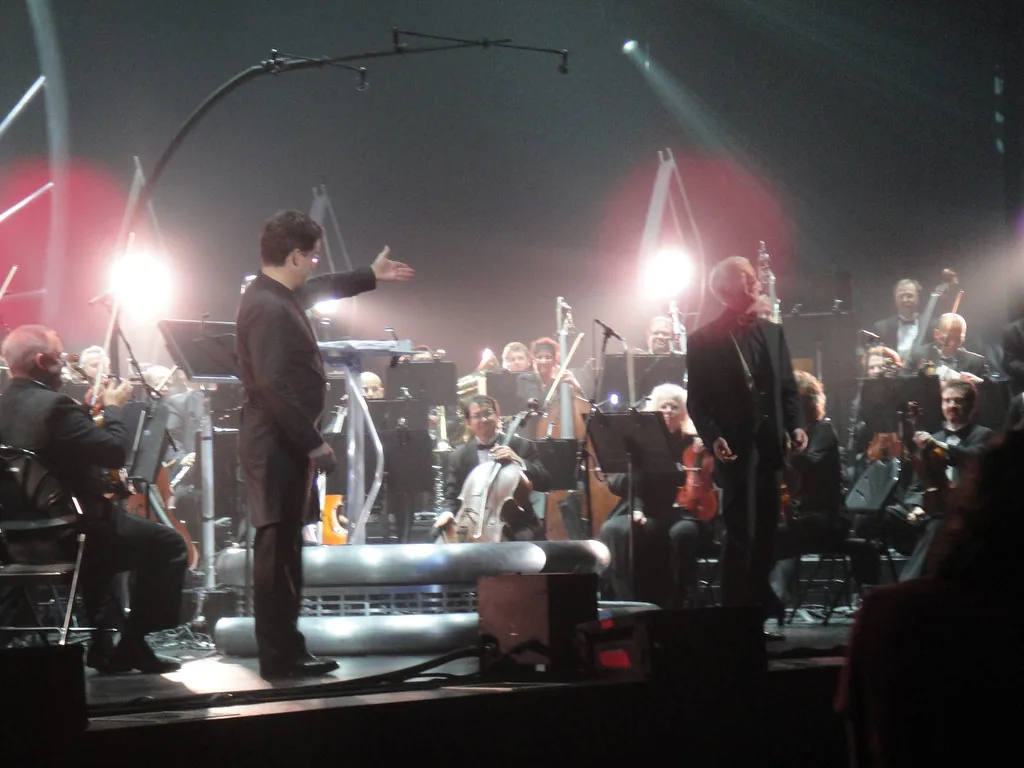
Romanticism marked a decisive turning point in the history of classical music. Emerging in the nineteenth century, this movement freed composers from the rigid academic conventions of Classicism and allowed them to express deeper, more personal emotions. Figures such as Beethoven, Schubert and Chopin pushed the boundaries of composition by exploring new structures and techniques.
The Romantic era produced landmark works characterized by virtuosic orchestration and bold harmonies. Composers drew inspiration from nature, love and the supernatural to create evocative musical narratives. Schubert, for example, popularized the lied, while Wagner developed the concept of the Gesamtkunstwerk, which brings together music, text and staging.
This movement transformed the symphony and expanded the possibilities of the orchestra. Romantic composers explored a variety of themes shaped by their regional cultures, from Chopin’s Poland to Tchaikovsky’s Russia. Their legacy continues to resonate today, offering a glimpse into an era when emotion and artistic individuality were central to musical creation.
Introduction to Romanticism in classical music
At the turn of the nineteenth century, a revolutionary artistic movement emerged, marking a turning point in music history. Known as Romanticism, it developed amid political and social upheaval and a renewed emphasis on feeling.
Origins and historical context
The Romantic era has its roots in the early 1800s, when artists and writers began to favor the expression of personal emotions. The movement developed in reaction to Classicism, which they considered too rigid and lacking in emotional depth. Composers drew inspiration from literature, nature and legends, enabling them to create more intimate and evocative works.
Characteristics and musical forms
Romantic music stands out for its intense expressiveness and formal innovation. Composers explored new structures, expanded classical forms and incorporated narrative elements. Beethoven, for example, paved the way for more personal and dramatic expression with his Eroica Symphony. Forms such as the lied, popularized by Schubert, and opera, represented by works such as Weber’s Der Freischütz, also defined the period.
Romantic composers were influenced by the literary and artistic movements of their time. Poets and writers such as Goethe and Schiller inspired songs and musical dramas. This blending of the arts gave rise to a richer, more personal musical language.
In short, Romanticism transformed classical music by giving emotion a greater role and renewing musical forms. The era produced visionary composers who pushed the boundaries of music and left a lasting legacy.
Romanticism in classical music: composers to know
The Romantic movement saw the emergence of visionary composers who pushed the boundaries of musical composition. Among these pioneers were influential artists who laid the foundations for a new musical language.
Pioneers of the Romantic movement
Although rooted in Classicism, Beethoven is often regarded as the first Romantic composer. His legacy influenced generations of musicians, including Carl Maria von Weber, Franz Schubert and Hector Berlioz. These composers renewed compositional techniques by exploring new structures and new ways to express emotion.
Their innovations were remarkable. Beethoven expanded classical forms, while Schubert mastered the lied, a genre that would become central to Romantic music. Berlioz revolutionized orchestration with works such as the Symphonie fantastique.
Their legacy in composition and expression
They had a profound influence on the development of Romantic musical forms. These composers explored new sounds and enriched the musical language. For example, they gave wind and percussion instruments a more prominent place, broadening the range of orchestral sounds.
That artistic legacy is still celebrated today through works that continue to inspire contemporary musicians. The pursuit of emotional expression and the diversity of themes defined the Romantic era and left an enduring legacy.
| Composer | Contribution | Influence |
|---|---|---|
| Ludwig van Beethoven | Expansion of classical forms | Major influence on Romantic composers |
| Carl Maria von Weber | Romantic opera (Der Freischütz) | Development of orchestration |
| Franz Schubert | Mastery of the lied | Poetic expression in music |
| Hector Berlioz | Innovation in orchestration | Development of the symphony |
In conclusion, these pioneers redefined musical composition and opened the way to more personal and emotional expression. Their legacy continues to resonate throughout the world of classical music.
Beethoven’s precursors and influence
Ludwig van Beethoven is often considered a bridge between Classicism and Romanticism. His music, marked by unprecedented emotional depth, pushed the limits of composition.
Beethoven, an inspiring master
Beethoven made the orchestra a vehicle for personal expression. His Eroica Symphony and Symphony No. 5 feature innovative structures and bold orchestration. These works opened the way to a new era of musical creation.
During this period of musical transition, Beethoven introduced formal and expressive innovations. His use of recurring motifs and dynamic contrasts enriched the orchestra’s range of sounds. These advances influenced his contemporaries and continue to inspire composers today.
As this detailed biography explains, Beethoven shaped music history with works that combine power and delicacy. His legacy remains a boundless source of inspiration.
Early Romantic musical forms
The Romantic revival encouraged the emergence of distinct musical forms that reflected a new artistic sensibility.
Opera, the lied and the symphony
Opera changed by incorporating complex dramatic stories that emphasized emotion and detail. The lied became an intimate link between music and poetry, offering a means of personal expression. The symphony grew in scope, embodying the grandeur and emotional depth of the era.
| Form | Transformation | Characteristic |
|---|---|---|
| Opera | Narrative development | Intense dramatic expression |
| Lied | Blending of poetry and music | Intimate emotional expression |
| Symphony | Expansion of forms | Broad emotional range |
These forms differed from classical traditions in their freedom and emotional intensity. They renewed Romantic music by giving it a richer expressive range.
Carl Maria von Weber: an innovator in opera and orchestration
Carl Maria von Weber, a major figure in music history, made his mark as a composer and conductor. His career in musical theater redefined German opera and laid the foundations for Romantic orchestration.
A life devoted to musical theater
Weber was born in 1786 in Eutin, Germany. He showed musical talent from an early age. His career took him to several European cities, where he worked as a conductor and artistic director. He devoted himself fully to musical theater and is now recognized as one of the founders of German Romantic opera.
Major works and instrumentation techniques
His best-known works, including Der Freischütz and Oberon, demonstrate his innovations in orchestration. Weber used wind and string instruments to create new sounds. His masterful use of the orchestra paved the way for a school of musical thought that influenced generations of composers.
His instrumentation techniques, particularly in Der Freischütz, prepared the ground for the Romantic orchestra. Bold harmonies and recurring motifs gave rise to a distinctive style. His legacy can be heard in the works of later composers who drew inspiration from his innovations.
As Richard Wagner noted, Weber brought music and drama together, laying the foundations for the Gesamtkunstwerk. His influence on the evolution of musical forms is undeniable.
Franz Schubert: poetry and expression in music
Franz Schubert, an undisputed master of the lied, united poetry and emotion with unprecedented depth. His work, marked by a distinctive sensitivity, pushed the boundaries of musical expression.
The lied and the creation of poetic moods
Schubert excelled at the lied, transforming poems into intimate musical experiences. His ability to convey the emotions of a text through melody created profound and evocative atmospheres.
His song cycles, including Die schöne Müllerin and Winterreise, illustrate his genius. Inspired by poets such as Wilhelm Müller, these works capture the essence of human emotion through expressive melodies.
Schubert’s innovative use of modulation allowed expressive transitions between keys, adding a poetic dimension to his music.
His influence on Romantic music is immense. He left a lasting legacy in the art of the lied and in the creation of musical atmospheres.
| Work | Characteristic | Influence |
|---|---|---|
| Die schöne Müllerin | Introspective song cycle | Expression of melancholy |
| Winterreise | 24 songs exploring solitude | Emotional depth |
| Impromptus | Lyrical piano pieces | Influence on Romantic piano music |
Schubert redefined the lied and expanded the possibilities of musical expression, leaving an emotional and poetic legacy that still resonates today.
Hector Berlioz: the modern orchestra and Symphonie fantastique
Hector Berlioz, a central figure of Romanticism, made his mark on music history through bold innovations. His work transformed the orchestra and expanded the possibilities of musical composition.
The evolution of instrumentation
Berlioz pushed the boundaries of orchestration by introducing new techniques. He increased the size of the orchestra and explored new sounds, incorporating wind and percussion instruments in unprecedented ways. This approach created dramatic contrasts and remarkable richness of sound.
Masterpieces and the Requiem
The Symphonie fantastique, one of his best-known works, tells an emotionally charged story in five movements. Inspired by an autobiographical poem, this program symphony depicts an inner journey marked by love, passion and despair. Each movement evokes a stage of that emotional journey and captivates listeners with its expressive depth.
Berlioz’s Requiem, with its massive orchestration and grand staging, reflects his artistic audacity. Both monumental and intimate, the work explores the contrast between grief and hope, offering a distinctive musical experience.
Berlioz left an indelible mark on Romantic music. His ability to combine technical innovation with emotional expression influenced generations of composers, showing that he was much more than a musician of his time.
The generation of 1810: a wave of inspired composers
The generation of 1810, which included musicians such as Mendelssohn, Schumann, Chopin and Liszt, shaped music history through artistic ambition and close connections. These composers transformed the concert and drew inspiration from one another as they innovated.
Musical innovations and connections between artists
This generation transformed the Romantic music scene by introducing new forms and techniques. Mendelssohn, for example, renewed the symphony with works such as Symphony No. 3, while Schumann explored new directions with his song cycles. Chopin renewed piano composition with his études and nocturnes, offering an intimate and deeply emotional form of expression.
These artists had close ties. Mendelssohn and Schumann, for example, shared a strong artistic friendship and often collaborated on musical projects. Their exchange of ideas fostered significant stylistic innovations, including the use of recurring motifs and dynamic contrasts.
| Composer | Innovation | Impact |
|---|---|---|
| Felix Mendelssohn | Symphony No. 3 | Renewal of the symphony |
| Robert Schumann | Song cycles | Exploration of new forms |
| Frédéric Chopin | Études and nocturnes | Renewal of piano composition |
These composers defined the Romantic era and laid the foundations for more personal and emotional musical expression. Their legacy continues to resonate and inspire contemporary musicians.
Felix Mendelssohn: a prodigy and the rediscovery of Baroque music
Felix Mendelssohn, born on February 3, 1809, made his mark on music history through his prodigious talent and his key role in the rediscovery of Baroque music. By the age of 16, he had composed 13 symphonies for string orchestra, demonstrating exceptional mastery.
Major symphonies and concertos
His best-known works include his piano and violin concertos, particularly the Violin Concerto in E minor, which remains a touchstone. His symphonies, including the Symphony No. 3, “Scottish” and the Symphony No. 4, “Italian”, combine tradition and innovation with remarkable richness of sound.
Influence on European music
Mendelssohn brought Baroque masterpieces back to public attention, notably Bach’s St Matthew Passion in 1829, and influenced a generation of musicians. His work at the helm of Leipzig’s Gewandhaus enhanced his reputation and attracted artists from around the world.
| Work | Contribution | Influence |
|---|---|---|
| Symphony No. 3, “Scottish” | Complex narrative structure | Influence on the development of the Romantic symphony |
| Violin Concerto in E minor | Virtuosic technique | Touchstone for violin concertos |
| Rediscovery of the St Matthew Passion | Introduction of Bach into the Romantic repertoire | Renewed interest in Baroque music |
In conclusion, Felix Mendelssohn shaped the Romantic era through his compositions and played a major role in the rediscovery of Baroque music. His legacy continues to resonate and inspire musicians around the world.
Frédéric Chopin: the poet of the piano and the étude
Frédéric Chopin, born on March 1, 1810, in Żelazowa Wola, is regarded as one of history’s greatest pianists and composers. His genius lay in his ability to convey profound emotions through his piano compositions, earning him the nickname “poet of the piano.”
Piano virtuosity and the creation of études
Chopin revolutionized piano technique with his études, particularly the Études, Opp. 10 and 25. Although difficult, these pieces go beyond technical exercises to become intimate, poetic works. His innovative approach opened new paths for later composers.
His études are more than displays of virtuosity; they capture the essence of human emotion. For example, the Étude, Op. 25, No. 1, with its gentle, expressive melodies, reveals rare emotional introspection.
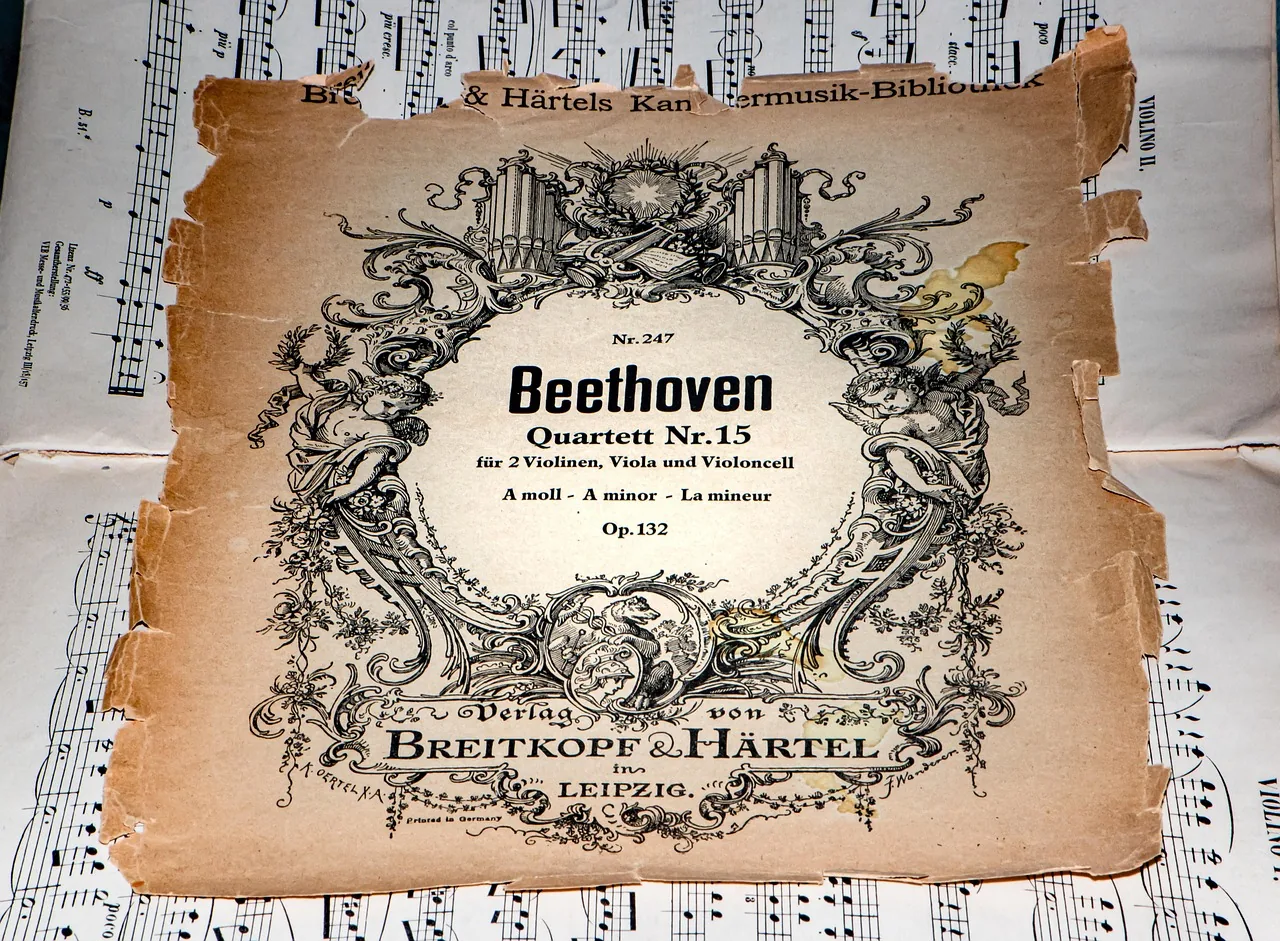
Chopin also shaped music history with his nocturnes and waltzes, which continue to inspire pianists worldwide. His legacy, both technical and emotional, offers a glimpse of the human soul through his compositions.
Robert Schumann: between dreams and passion
Robert Schumann is an emblematic figure of Romanticism, combining passion and rigor. His deeply introspective music expresses tensions between dreams and reality, emotion and structure.
Between poetry and rigor in composition
Both a dreamer and a perfectionist, Schumann combined poetic expression with formal rigor. Influenced by his personal experiences, his musical writing reflects an intense artistic quest.
His career included bursts of creativity and periods of doubt. His legacy nonetheless remains exceptional, offering a glimpse of the human soul through intimate and moving compositions.
| Work | Characteristic | Influence |
|---|---|---|
| Symphony No. 2 | Complex narrative structure | Influence on the development of the Romantic symphony |
| Carnaval | Poetic expression and piano virtuosity | Renewal of piano composition |
| Lieder | Emotional introspection | Emotional depth |
Schumann renewed musical expression and helped usher in a new era, leaving a substantial artistic legacy. His story, marked by passion and delicacy, continues to resonate through his compositions.
Franz Liszt: from the concert hall to piano innovation
Franz Liszt, an emblematic figure of Romanticism, made his mark on music history through exceptional virtuosity and innovation. He turned the concert into a major event and opened the way to new approaches to piano music.
Virtuosity and the development of modern piano performance
Liszt revolutionized piano technique with his Transcendental Études, which pushed the instrument’s limits. His ability to combine virtuosity and emotion created a new current of expression on stage.
He also pioneered the piano recital, developing this format to showcase the instrument’s possibilities. His performances, marked by great expressive depth, elevated the status of the performer.
| Contribution | Innovation | Impact |
|---|---|---|
| Development of piano technique | Transcendental Études | Expansion of the piano’s possibilities |
| Creation of the recital format | Solo concert format | Evolution of musical performance |
| Influence on later composers | Intense emotional expression | Inspiration for generations |
Liszt transformed the musical scene of his time and laid the foundations for a new artistic current. His legacy of innovation and expression still resonates today.
Richard Wagner: total opera and the Gesamtkunstwerk
Richard Wagner, a central figure of the nineteenth century, revolutionized opera with a radically new vision. His concept of the Gesamtkunstwerk, or “total work of art,” sought to unite music, drama and the visual arts in a single masterpiece.
Bringing together drama, music and staging
Wagner imagined an opera in which every element—text, music and stage design—would come together in a coherent experience. This approach, typical of the Romantic spirit, placed emotion at the heart of artistic creation. He sought to transcend traditional boundaries and offer a complete artistic experience.
Influenced by Romantic ideals, Wagner sought to stir deep emotions through epic narratives. His work, marked by complex orchestration and spectacular sets, changed audiences’ expectations of opera.
Wagner’s legacy and his impact on the century
Wagner transformed opera and influenced theatrical staging. His approach shaped the nineteenth century and inspired generations of artists. The Bayreuth festivals he founded became important showcases for his works.
| Aspect | Innovation | Impact |
|---|---|---|
| Opera | Fusion of the arts | New narrative forms |
| Music | Complex orchestration | Intense emotional expression |
| Stage design | Immersive sets | Richer visual experience |
Wagner left a lasting legacy by pushing the boundaries of art. His dream of a “total work of art” continues to inspire artists today, long after his own era.
Verdi and the Romantic legacy in Italian opera
Giuseppe Verdi, a central figure of Romantic Italian opera, profoundly shaped music history by bringing together passion and national identity. His work, characterized by memorable melodies and powerful stories, reflects the aspirations and struggles of his time, particularly in the context of Italian unification.
His operas, including La Traviata and Aida, are celebrated for their emotional richness and dramatic orchestration. Rooted in the political and social context of nineteenth-century Italy, these works helped shape the cultural and musical landscape of their time.
Verdi influenced opera in Italy and worldwide. Performed in many countries, his works made their mark on operatic history. As this article points out, his artistic legacy remains an inexhaustible source of inspiration.
Verdi renewed Italian opera and opened the way to a new era, leaving a considerable artistic legacy. His story, marked by passion and delicacy, continues to resonate through his compositions.
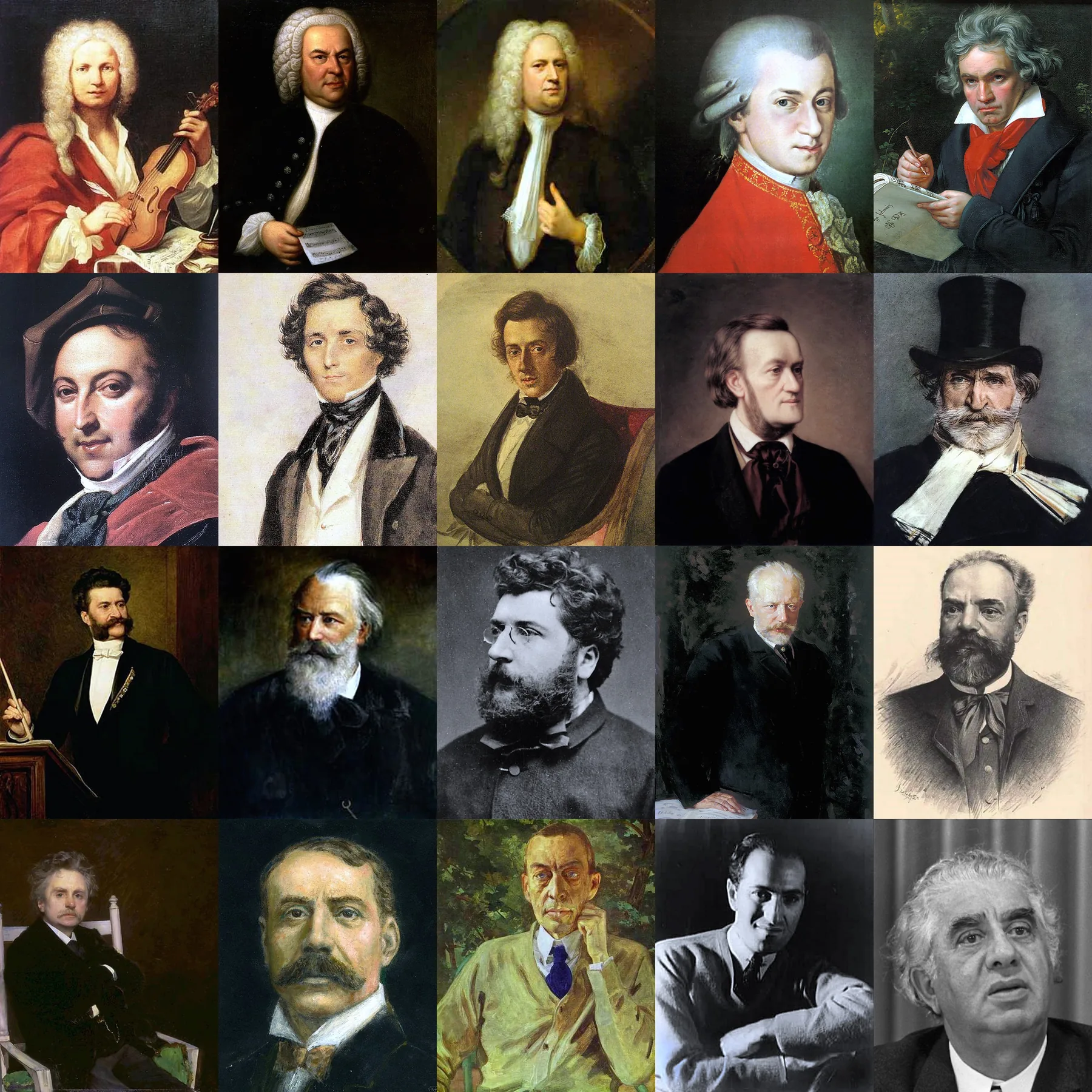
Charles Valentin Alkan: virtuosity and instrumental expression
Charles Valentin Alkan, born in Paris on November 30, 1813, is known for his piano virtuosity and his distinctive contribution to instrumental expression in the Romantic tradition. His father, Charles Morhange, was a music merchant, which likely influenced his early interest in music.
Alkan began studying at the Paris Conservatoire at age six and won his first prize in music theory at ten. His career was marked by exceptional technical mastery and great emotional richness. He began performing in public at seven, revealing his precocious talent.
His compositions, especially his études and sonatas, hold an important place in the piano repertoire. His Sonata, Op. 61, for example, combines virtuosity with expressive depth and explores the piano’s possibilities intensely. Alkan united technique and emotion, creating works that continue to challenge and inspire pianists today.
Despite his considerable influence, Alkan was often overshadowed by contemporaries such as Berlioz and Liszt. His artistic legacy remains important, however: his works reveal a distinctive fusion of virtuosity and emotional expression.
| Work | Characteristic | Importance |
|---|---|---|
| Sonata, Op. 61 | Complex structure and emotional richness | Illustration of Alkan’s mastery |
| Études, Op. 39 | Transcendental technique | Technical challenge for pianists |
| Le Chemin de fer | Descriptive title and dynamic rhythm | Narrative expression |
Charles Valentin Alkan made his mark on music history through his virtuosity and instrumental expression. Though sometimes overlooked, his legacy continues to resonate through his compositions, offering a glimpse into the Romantic spirit.
The evolution of instruments in the nineteenth century
In the nineteenth century, advances in musical instruments marked a decisive turning point in music history. Technical progress improved sound quality and expanded expressive possibilities.
From piano to organ: technical changes
The piano and organ underwent major advances. Improvements to the piano’s mechanisms increased its power and expressiveness, allowing a richer range of nuance. The organ gained additional stops, offering a more varied range of sounds.
The expanding orchestra and its richer sound
The orchestra grew richer as new types of instruments were incorporated. Brass instruments such as the valved cornet and woodwinds such as the Boehm-system flute added new depth. This diversification enabled composers to explore new sounds.
| Instrument | Innovation | Impact |
|---|---|---|
| Piano | Improved mechanism | More nuanced expression |
| Organ | Additional stops | Broader range of sounds |
| Flute | Boehm system | Improved intonation and power |
These innovations improved musical performance and opened new creative possibilities for composers.
Conclusion
The nineteenth century marked a decisive turning point in music history with the emergence of a revolutionary artistic movement. Characterized by intense emotional expression and formal innovation, it freed composers from the rigid academic conventions of Classicism and allowed them to explore new structures and techniques. Figures such as Beethoven, Schubert and Chopin pushed the boundaries of composition by exploring new structures and techniques.
Composers of the era drew inspiration from nature, love and the supernatural to create evocative musical narratives. Schubert, for example, popularized the lied, while Wagner developed the concept of the Gesamtkunstwerk, which brings together music, text and staging. Instrumental innovations, including the addition of valves to brass instruments, appeared in instruments such as the valved cornet (1830) and the saxophone (1846). Composers such as Hector Berlioz helped establish the viola as a solo instrument.
The Romantic orchestra developed a five-part string section, allowing double basses to play independent lines. Aristide Cavaillé-Coll transformed the organ into a symphonic instrument, extending its use from churches to concert halls. The celesta was introduced into music in 1886, bringing a new sound to the orchestra. Ballet music was shaped by composers such as Pyotr Ilyich Tchaikovsky, whose ballet “The Nutcracker” is emblematic of the era.
The ensemble “L’Armée des Romantiques” has existed for more than ten years. The Chapelle Corneille in Rouen hosted a concert by the ensemble on December 4, 2016. Musicologist Michel Faure identified a “slow reactionary movement” against Romantic ideology in the nineteenth century. François-Joseph Fétis declared that Western music had been “contaminated by the Romantic virus of pathos and the unprecedented.”
After 1848, the bourgeois class had to undergo an “ideological reversal” under the influence of rising communism and the organization of trade unions. Louis Niedermeyer’s school was founded in 1853 with the support of Napoleon III to promote an aesthetic return to earlier art. The Schola Cantorum, co-founded by Vincent d’Indy, was established in 1894. Gabriel Fauré became a composition professor at the Paris Conservatoire in 1896 and its director in 1905.
In 1870, Mathis Lussy described two schools of musical performance with opposing principles: one demanded a steady tempo, while the other allowed variation. Ferruccio Busoni published “Sketch of a New Esthetic of Music” in 1907, criticizing the rigidity imposed on musical performance by “legislators.” In 1887, Fanny Davies described Brahms’s playing as “calm and majestic, sometimes wild and fantastic.”
Brahms was known for his legendary legato and his ability to emphasize inner harmonies while maintaining rhythmic balance. Composers such as Hector Berlioz helped establish the viola as a solo instrument. The Romantic orchestra developed a five-part string section, allowing double basses to play independent lines. Aristide Cavaillé-Coll transformed the organ into a symphonic instrument, extending its use from churches to concert halls.
The celesta was introduced into music in 1886, bringing a new sound to the orchestra. Ballet music was shaped by composers such as Pyotr Ilyich Tchaikovsky, whose ballet “The Nutcracker” is emblematic of the era. The ensemble “L’Armée des Romantiques” has existed for more than ten years. The Chapelle Corneille in Rouen hosted a concert by the ensemble on December 4, 2016.
Musicologist Michel Faure identified a “slow reactionary movement” against Romantic ideology in the nineteenth century. François-Joseph Fétis declared that Western music had been “contaminated by the Romantic virus of pathos and the unprecedented.” After 1848, the bourgeois class had to undergo an “ideological reversal” under the influence of rising communism and the organization of trade unions.
Louis Niedermeyer’s school was founded in 1853 with the support of Napoleon III to promote an aesthetic return to earlier art. The Schola Cantorum, co-founded by Vincent d’Indy, was established in 1894. Gabriel Fauré became a composition professor at the Paris Conservatoire in 1896 and its director in 1905. In 1870, Mathis Lussy described two schools of musical performance with opposing principles: one demanded a steady tempo, while the other allowed variation.
Ferruccio Busoni published “Sketch of a New Esthetic of Music” in 1907, criticizing the rigidity imposed on musical performance by “legislators.” In 1887, Fanny Davies described Brahms’s playing as “calm and majestic, sometimes wild and fantastic.” Brahms was known for his legendary legato and his ability to emphasize inner harmonies while maintaining rhythmic balance.
FAQ
Who are the key composers of Romantic classical music?
What are the main characteristics of Romantic music?
Why is Hector Berlioz important to Romanticism?
How did Frédéric Chopin influence piano music?
What is Richard Wagner’s *Gesamtkunstwerk*?
What role did Robert Schumann play in the development of Romanticism?
Why is Franz Liszt considered a pioneer of piano music?
How did Romanticism influence opera?
What are the main musical forms of Romanticism?
Why was instrumentation important in Romanticism?
Source links
- https://en.wikipedia.org/wiki/Romantic_music
- https://www.britannica.com/art/Romanticism
- https://www.classicfm.com/discover-music/periods-genres/romantic/
- https://www.classicfm.com/discover-music/periods-genres/romantic/
- https://www.metmuseum.org/essays/romanticism
- https://www.naxos.com/classicalmusichistory
- https://www.classicfm.com/discover-music/periods-genres/romantic/
- https://en.wikipedia.org/wiki/Romantic_music
- https://www.classicfm.com/discover-music/periods-genres/romantic/
- https://www.kennedy-center.org/education/resources-for-educators/classroom-resources/media-and-interactives/media/music/romantic-music/
- https://en.wikipedia.org/wiki/Ludwig_van_Beethoven
- https://en.wikipedia.org/wiki/Romantic_music
- https://en.wikipedia.org/wiki/Classical_music
- https://en.wikipedia.org/wiki/Hector_Berlioz
- https://www.cambridge.org/core/journals/nineteenth-century-music-review
- https://en.wikipedia.org/wiki/Franz_Schubert
- https://www.erudit.org/en/journals/rmo/2024-v11-n1-rmo09534/1113318ar/
- https://www.smithsonianmag.com/smart-news/racial-gap-cancer-mortality-rates-narrows-180971508/
- https://www.poetryfoundation.org/education/glossary/romanticism
- https://en.wikipedia.org/wiki/Felix_Mendelssohn
- https://philharmoniedeparis.fr/en
- https://en.wikipedia.org/wiki/Fr%C3%A9d%C3%A9ric_Chopin
- https://en.wikipedia.org/wiki/Fr%C3%A9d%C3%A9ric_Chopin
- https://www.britannica.com/biography/Frederic-Chopin
- https://www.schumann-portal.de/robert-schumann.html
- https://en.wikipedia.org/wiki/Robert_Schumann
- https://en.wikipedia.org/wiki/Robert_Schumann
- https://en.wikipedia.org/wiki/Franz_Liszt
- https://en.wikipedia.org/wiki/Franz_Liszt
- https://www.bayreuther-festspiele.de/en/
- https://en.wikipedia.org/wiki/Gesamtkunstwerk
- https://www.operabase.com/en
- https://en.wikipedia.org/wiki/Italian_opera
- https://en.wikipedia.org/wiki/Romantic_music
- https://www.jstor.org/
- https://en.wikipedia.org/wiki/Charles-Valentin_Alkan
- https://en.wikipedia.org/wiki/Romantic_music
- https://en.wikipedia.org/wiki/Orchestra
- https://en.wikipedia.org/wiki/Romantic_music
- https://www.earlymusicamerica.org/