

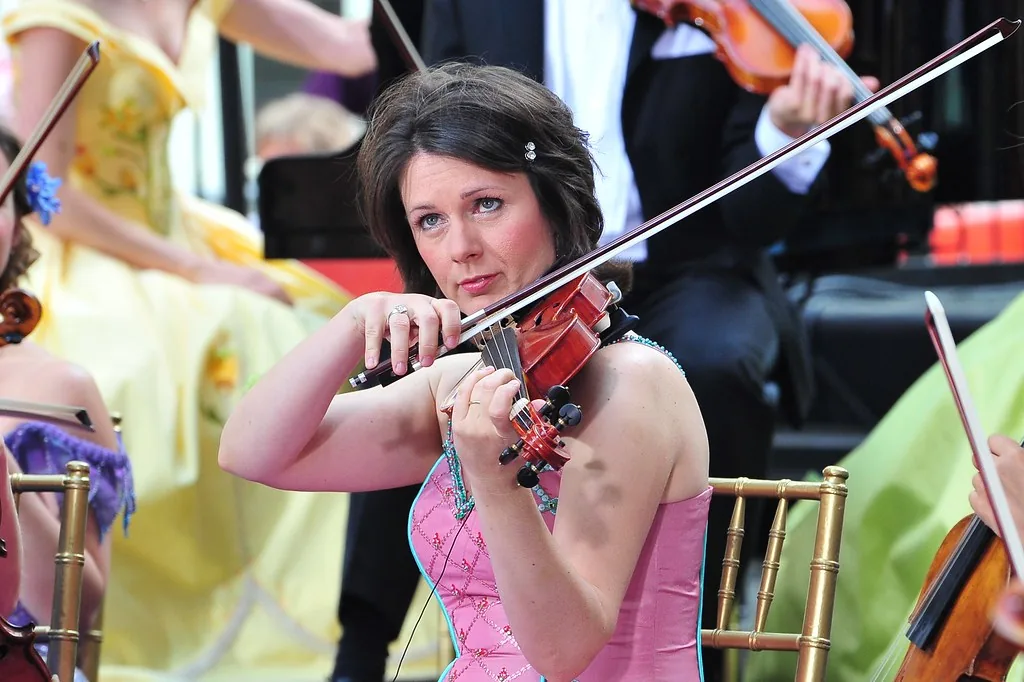
The violin, an iconic instrument, has shaped the history of Western music since it appeared in the 16th century. Designed with remarkable precision, it has changed little since then, a testament to the quality of its design. Its development reflects the innovations of Italian violin makers, who shaped its distinctive sound.
From the royal commissions of Charles IX in 1560 to the dominance of the Bologna school in the 17th century, the violin held a central place. From sheet music printed in 1582 to the great concertos of Beethoven and Brahms, it has endured through the centuries while adapting to changes in music.
Violin makers such as Stradivari and Guarneri enhanced its prestige, and their instruments remain among the most sought after. This instrument, both a work of art and a technical achievement, continues to captivate musicians and listeners. It symbolizes musical excellence.
Explore the fascinating history of the violin in greater detail and its lasting influence on classical music.
Introduction and historical context
The violin, a central instrument in Western music, began to appear in Italy in the early 16th century. Designed with remarkable precision, it quickly gained popularity thanks to its distinctive sound and versatility. Early versions of the instrument were made in areas such as Cremona and Brescia, cradles of violin making.
From the 16th century onward, the violin found a place in royal courts and orchestras. Charles IX, king of France, commissioned 24 violins from Andrea Amati in 1560, marking a turning point in the instrument’s history. This period saw the emergence of the first Italian virtuosos, although it took nearly a century for musicians outside Italy to come to prominence.
Over the centuries, the violin became a mainstay of symphony orchestras and chamber music. Violin makers such as Antonio Stradivari and Giuseppe Guarneri refined its design, adding to its reputation. Their work enabled the violin to endure through the ages and adapt to changes in music while remaining a symbol of artistic excellence.
The violin’s mysterious origins
With its elegant shape and rich sound, the violin has a fascinating history. Its origins go back several centuries and reflect a range of influences.
Arab and Muslim influences and early instruments
Arab and Muslim influences played a key role in the design of string instruments. The rebab, a bowed string instrument, is considered one of the violin’s direct ancestors. Originating in the Middle East, it spread through medieval Europe, bringing construction techniques and forms that evolved over the centuries.

This period saw the emergence of early violin forms, influenced by encounters between different cultures. Instrument makers began experimenting with different shapes and materials, laying the foundations for the instrument’s development.
The rebab and the transition to the viol
The rebab played a central role in this transition. Its structure, with a long neck and wooden resonating body, inspired early fiddles. The viol, with its strings and characteristic shape, served as a bridge to the modern violin.
Over the years, instrument makers refined their craft. The use of selected woods, such as spruce for the soundboard and maple for the back and sides, became standard. These choices contributed to the development of the instrument’s sound.
Violin making underwent a major turning point in the 16th century. Technical innovations made it possible to standardize its shape and improve its playability, making the instrument more accessible to musicians.
If you would like to learn more about the development of string instruments, you can consult this resource to explore the subject further.
How the violin evolved through the centuries
The violin underwent significant changes that reflect developments in music and technology. From the Renaissance to the Baroque era and then the 19th century, each period brought innovations that shaped its identity.
From the Renaissance to the Baroque era
In the 17th century, the violin grew in popularity, especially in France with the “Twenty-Four Violins of the King.” Composers such as Monteverdi and Lully incorporated the instrument into their works, highlighting its expressive range.
Italian violin makers, particularly the Amati family, refined its construction, improving its playability and enriching its sound. These technical advances helped establish the violin in Baroque music.
The role of technical reforms in the 19th century
In the 19th century, major reforms modernized the violin. A longer neck and a higher bridge increased its volume and flexibility, meeting the needs of Romantic composers.
Composers such as Beethoven and Brahms made use of these innovations, writing concertos that showcased the instrument’s new possibilities.
| Century | Innovations | Impact |
|---|---|---|
| 16th–17th centuries | Standardized shape | Improved playability |
| 18th century | Improved strings | Greater nuance |
| 19th century | Longer neck | Greater volume |
Learn more about the development of the violin and its influence on classical music.
The influence of great violin makers and royal courts
Italian violin makers played a central role in the development of the violin. Their craftsmanship shaped the instrument and contributed to its social standing.
The Amati workshop and the rise of the Italian style
Andrea Amati, founder of the renowned Amati family, made history by crafting a violin for King Charles IX in 1564. This instrument, one of the oldest modern violins, reflects the Italian style that would endure. The Amati workshop standardized the violin’s shape, with f-shaped sound holes and four strings, laying the foundations for its popularity.
The Amati workshop innovated and passed down its expertise for centuries. This tradition helped make the violin a symbol of musical excellence.
Royal commissions and social recognition
Royal courts played an essential role in establishing the violin’s reputation. In France, Charles IX commissioned instruments from Andrea Amati, raising their status. These commissions increased the violin’s prestige and visibility.
Violin makers such as Antonio Stradivari benefited from these commissions and used them to innovate. Their creations, renowned for their quality, contributed to the violin’s rise in royal courts and orchestras.
| Violin maker | Contribution | Impact |
|---|---|---|
| Amati | Standardization of the shape | Improved playability |
| Stradivari | Technical innovations | Richer sound |
| Guarneri | Optimization of materials | Greater durability |
These violin makers left their mark on history and shaped the future of classical music. Their contributions continue to resonate through the centuries.
The history of the violin in classical music
Since its appearance in the 16th century, the violin has followed a remarkable path and shaped Western music. Its development was marked by technical innovations and royal commissions that cemented its status.
Royal commissions played a key role in its recognition. For example, Charles IX commissioned 24 violins from Andrea Amati in 1560, marking a decisive turning point. Although these instruments differed from modern violins, they laid the foundations for their popularity.
Technical reforms in the 19th century, such as a longer neck and a higher bridge, increased the violin’s volume. These changes allowed Romantic composers to push the instrument’s boundaries.
Composers such as Beethoven and Brahms took advantage of these innovations, writing concertos that highlighted the violin’s new possibilities. Their works continue to resonate in concert halls around the world.
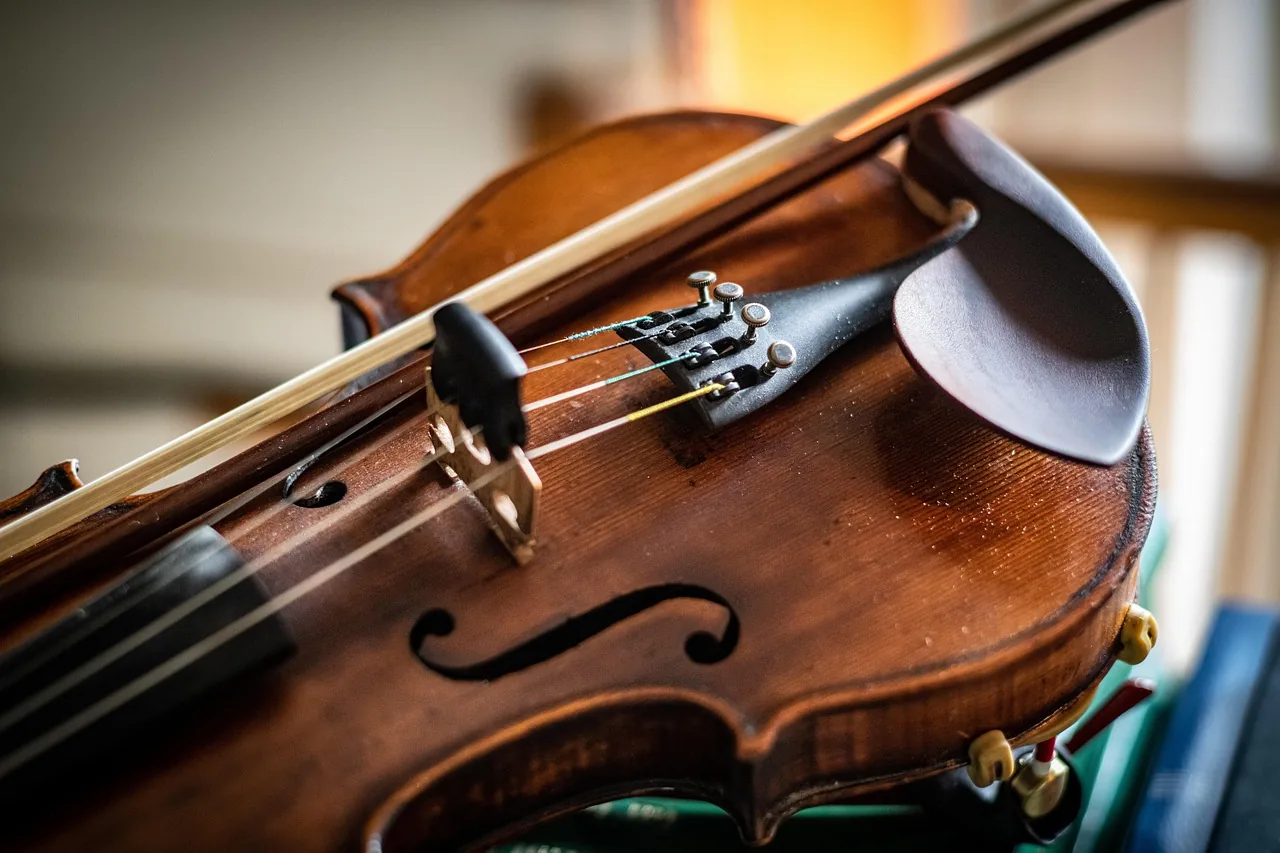
The violin remains a symbol of musical excellence that has adapted through the centuries. Learn more about the fascinating history of the violin and its lasting influence on classical music.
Great compositions and technical innovations
Technical innovations and major compositions have transformed the violin. These advances improved its sound and expanded its artistic possibilities.
The modern bow and its changing design
François Tourte’s invention of the modern bow in the 19th century marked a turning point. Longer and more flexible, this bow allowed greater expressiveness and finer control of musical nuances. At the same time, the violin’s design evolved, with changes to the soundboard and bridge to improve resonance.
The transformation of the resonating body
The resonating body underwent significant changes. The use of selected woods, such as spruce for the soundboard and maple for the back and sides, contributed to a richer, more enduring sound. These innovations enabled violin makers to create instruments of exceptional quality.
| Innovation | Details | Impact |
|---|---|---|
| Modern bow | Designed by François Tourte | Greater expressiveness |
| Resonating body | Selected materials | Improved sound quality |
| Design | Changes to the soundboard | Improved resonance |
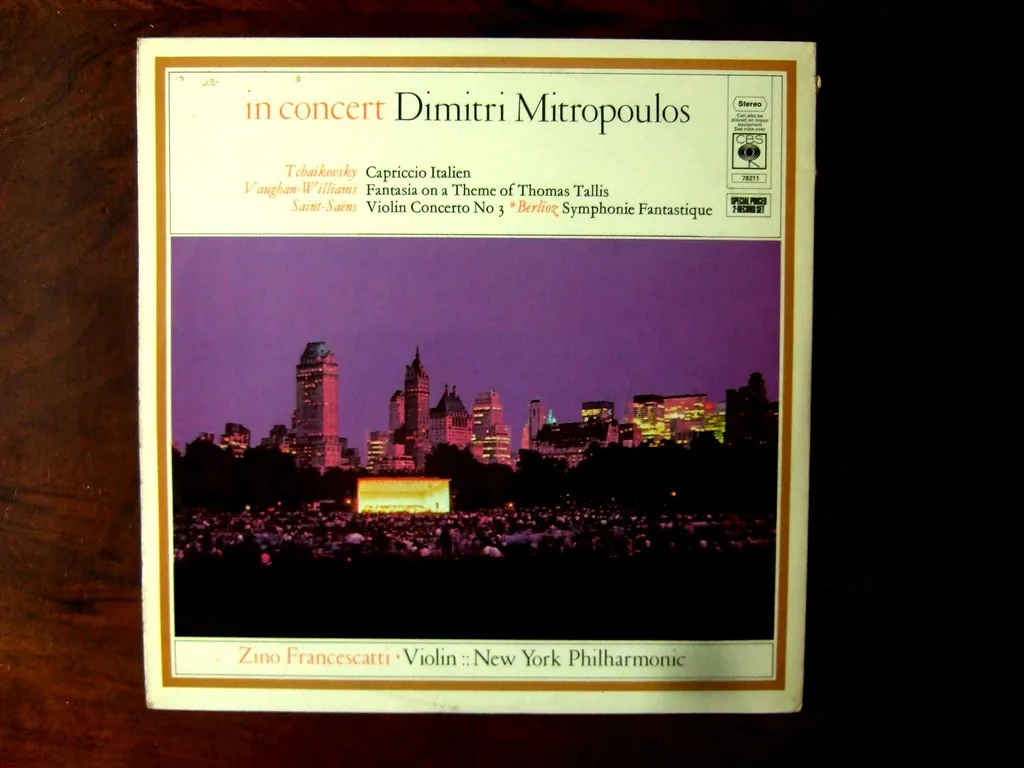
These innovations improved the violin’s performance and strengthened its place in classical music. Learn more about the technical secrets behind these exceptional creations.
Legendary violinists who made history
The violin reached new heights thanks to exceptional artists, each bringing a personal touch. These legendary violinists mastered the instrument and pushed its limits.
Iconic figures: Paganini, Menuhin and their contemporaries
Nicola Paganini, the Italian composer and violinist, remains famous for his 24 Caprices. Yehudi Menuhin, meanwhile, left his mark on the world through the depth of his performances. These musicians transformed both technique and interpretation.

David Oistrakh and Jascha Heifetz also left an indelible mark. Their performances raised violin playing to an extraordinary artistic level.
Influence on performance and musical innovation
The performances of these musicians inspired composers to write more demanding works. Their innovations enriched classical music and influenced other genres.
Today, their legacy continues to resonate around the world, demonstrating these legends’ lasting influence on the art of music.
The violin amid contemporary changes
The violin, a symbol of classical music, is adapting to the challenges of the 21st century. Through technical developments and new ways of playing, the instrument is redefining its role in today’s musical landscape.
The rise of the electric violin and new ways of playing
The electric violin has gained popularity and found a place in modern styles such as rock and pop. Its streamlined shape and versatile sound make it appealing to contemporary musicians. This instrument stands out for its direct connection to modern technology, which gives it a broader range of sounds.
Today’s music festivals showcase these new trends. Events such as Rock en Seine and Les Vieilles Charrues welcome artists who make full use of the electric violin’s potential, attracting young, curious audiences.
Rediscovering the instrument through the internet and social media
The internet has transformed access to music. Online learning platforms and social media help people discover and play the violin. Online lessons offer flexible schedules, allowing learners to progress at their own pace.
Violins remain affordable, with reasonably priced electric models available for beginners. This wider access has enabled more people to take up the instrument, boosting its popularity.
Social media plays a key role in this renewed interest. Platforms such as Instagram and YouTube share performances by young talents, inspiring a new generation of musicians. Sharing content in real time has made learning more engaging and interactive.
Conclusion
Since its appearance in the 16th century, the violin has followed an exceptional path, continually evolving and adapting to musical and cultural change. This instrument, a symbol of artistic excellence, has reinvented itself through the centuries, from the Renaissance to contemporary stages.
The violin holds a central place in the world of classical music, influencing composers and performers alike. Royal commissions, technical innovations and the creations of Italian violin makers cemented its status. Today, it remains an object of fascination, rich in emotion and tradition.
At the heart of the violin’s history lies a balance between tradition and innovation. By passing down their expertise from generation to generation, violin makers have ensured the instrument’s survival. This artistic and cultural legacy continues to resonate around the world, demonstrating the power of the violin as a musical and human object.
FAQ
What are the origins of the violin?
Which violin makers shaped the instrument’s history?
How has the violin evolved through the centuries?
Which composers wrote major works for the violin?
What distinguishes a classical violin from a modern violin?
Does the violin have a role in contemporary music?
Source links
- https://en.wikipedia.org/wiki/Violin
- https://en.wikipedia.org/wiki/Violin
- https://en.wikipedia.org/wiki/Violin
- https://en.wikipedia.org/wiki/Violin
- https://en.wikipedia.org/wiki/Violin
- https://en.wikipedia.org/wiki/Violin
- https://en.wikipedia.org/wiki/Violin
- https://en.wikipedia.org/wiki/Violin
- https://en.wikipedia.org/wiki/Violin
- https://en.wikipedia.org/wiki/Violin
- https://en.wikipedia.org/wiki/Violin
- https://en.wikipedia.org/wiki/Violin
- https://en.wikipedia.org/wiki/Violin
- https://en.wikipedia.org/wiki/Violin
- https://en.wikipedia.org/wiki/Violin
- https://en.wikipedia.org/wiki/Violin
- https://en.wikipedia.org/wiki/Violin
- https://en.wikipedia.org/wiki/Violin
- https://en.wikipedia.org/wiki/Violin
- https://en.wikipedia.org/wiki/Violin
- https://en.wikipedia.org/wiki/Violin
- https://en.wikipedia.org/wiki/Violin
- https://www.quatuor-antares.fr/en/the-violin-king-of-bowed-string-instruments/
- https://en.wikipedia.org/wiki/Violin
- https://en.wikipedia.org/wiki/Violin