

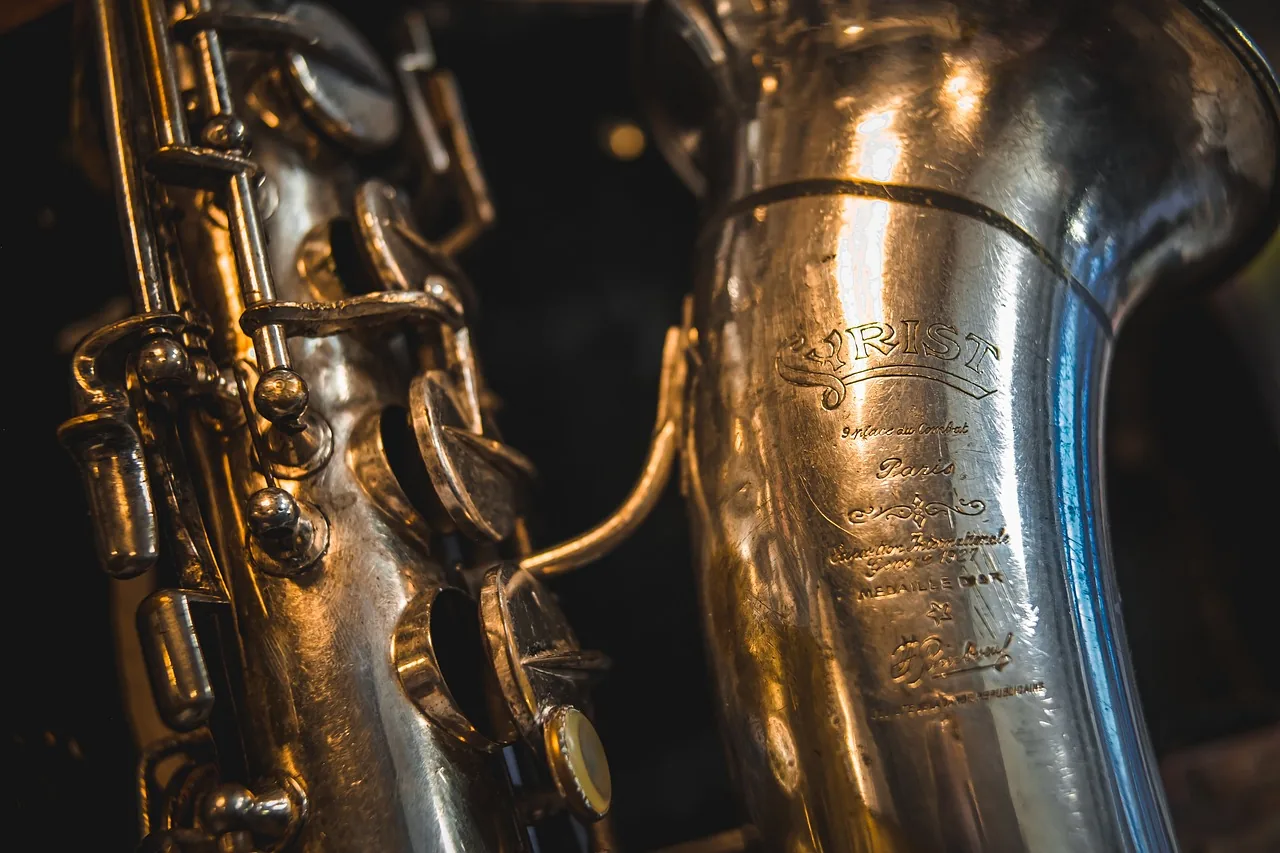
Understanding the price of a saxophone helps you buy with confidence. The cost depends on the type (soprano, alto, tenor or baritone), brand, build quality, intended playing level and condition (new or used).
In this guide, I provide realistic reference points for France. You will find price ranges, popular models and a way to choose according to your needs: beginner study, conservatory, jazz or stage performance.
Your budget includes the instrument, mouthpiece, reeds, ligature, accessories and any servicing it may need. A higher price can mean a longer working life and fewer repairs.
Here is the roadmap: price factors → ranges by type → models → brands → accessories → used instruments → digital instruments → summary. Follow these steps to find an instrument suited to the way you play.
Understanding saxophone prices: what really affects your budget
Two seemingly similar instruments can perform very differently. Assembly tolerances, airtightness and key response affect how an instrument plays from the first note.
Technical reasons and their effect on longevity
Manufacturing requires machining time, fine adjustments and strict quality control. Stronger pads and springs need less attention and hold their adjustment for several years.
What the price tells you about sound
A carefully made model sounds more consistent across registers. Projection, harmonic richness and tone are more pronounced, making it easier to play and broadening its expressive range.
- Assembly tolerances → consistent intonation
- Pad quality → airtightness and response
- Expert adjustments → stability over several years
| Factor | Cost | Effect on the instrument |
|---|---|---|
| Machining & adjustments | High | Improved tuning and response |
| Materials & pads | Medium to high | Longer life and airtightness |
| Quality control | Variable | Consistency from one instrument to another |
The next section examines these factors by type, playing level and condition, then offers practical reference points for finding the best value for money.
Factors that affect the price of a saxophone
The final cost reflects choices about design, finish and after-sales support. Consider these factors to understand why two similar models can have very different prices.
Type and range
The type (soprano, alto, tenor or baritone) affects manufacturing complexity. Tuning and assembly requirements vary with the instrument’s range.
For example, the alto is often more approachable for beginners: it is compact, its ergonomics are suitable, and there is a wide choice of student models.
Playing level and model range
Common categories run from introductory and student models to intermediate and professional instruments. A student model prioritizes durability and accurate tuning. A professional instrument emphasizes tonal character and longevity.
Keywork, keys and mechanical quality
The precision of the keywork and keys makes a major difference to airtightness, feel under the fingers and speed of response.
Poor adjustment causes leaks and recurring repair costs.
Materials and finishes
Lacquered brass remains the standard. Plating and engraving add an aesthetic premium.
These choices affect appearance and sometimes durability, but do not always bring a major improvement in sound.
Brand, reputation and after-sales service
The brand influences innovation, quality control and resale value.
Established brands offer spare parts and after-sales service, a real advantage for maintenance.
New or used
Before buying, it is crucial to check the condition of the pads and the amount of play in the mechanism. An attractive offer may hide the need for expensive servicing.
- Checklist: type + playing level + mechanism + brand + condition = a sound basis for assessing a price.
| Factor | Impact | Consequence |
|---|---|---|
| Type (range) | High | Cost and tuning demands |
| Keywork & keys | Medium to high | Playing comfort and maintenance costs |
| Brand & after-sales service | Variable | Resale value and spare-parts availability |
Price ranges by type (reference points for France)
To help you compare offers, here are practical price ranges by type and model category. These reference points can help you assess an offer in a shop or on the used market.
Alto saxophone: the most accessible starting point
The alto remains the simplest starting point for beginners and the easiest to get used to.
Student: approximately €450 to €1,100 (for example, the Woodbrass WSA300 at €569 and Yamaha YAS-280 at €998). Professional: a substantial increase (the Selmer Supreme at approximately €7,489).
Tenor: a higher cost for a bigger presence
Because of its size and mechanism, a tenor often calls for a higher budget.
Student and intermediate: approximately €649 to €1,598 (the Woodbrass WST300 at €649 and Yamaha YTS-280 at €1,598). Professional range: several thousand euros (the Selmer Axos at approximately €4,098).
Soprano: greater demands on intonation
A soprano requires stability; very cheap models can quickly become frustrating.
Entry level: approximately €459; midrange: approximately €1,700 to €2,200 (Jupiter, Yamaha); high end: more than €7,000 (Selmer SA/80 II).
Baritone: investment and practical constraints
The baritone combines greater size, weight and manufacturing cost.
Market reference: Yamaha YBS-62, often approximately €3,500 to €4,500.
Practical tip: for every type, allow extra money for accessories and possible servicing, especially with a used instrument. Planning for these costs over one or two years protects your purchase.
Examples of popular models and indicative prices
These common examples illustrate the French market. They give you an idea of what each price range offers in sound, projection and comfort.
Alto: practical reference points
Yamaha YAS-280 (approximately €998): thoughtful ergonomics, an adjustable thumb rest and a package often supplied with a 4C mouthpiece, ligature and reed. A good starting point for beginners and schools.
SML Paris A620-II (approximately €785): an appealing value option, sometimes supplied with BG accessories.
Selmer (Series II / Supreme) (high end, approximately €7,489): distinctive tonal character and greater projection for demanding musicians.
Tenor: choose according to your progress
Yamaha YTS-280 (approximately €1,598): a sturdy student model with consistent intonation.
Selmer Axos (approximately €4,098): an accessible entry to the professional range, with improved mechanical comfort and a rich tone.
Selmer Signature: precision and projection for demanding use.
Baritone: established models and other options
Yamaha YBS-62 (approximately €3,500 to €4,500): a common reference for advanced players, highly dependable in sound and performance.
Jupiter (for example, the JTS1100Q at approximately €2,969): an interesting option depending on your budget and need for projection.
- Remember: compare what comes in each package (case, mouthpiece, ligature and reed) to assess the true starting cost.
- If possible, try the same model in a shop to check the feel of its mechanism and its consistency across the full range.
| Model | Category | Indicative price |
|---|---|---|
| Yamaha YAS-280 | Student | Approximately €998 (package included) |
| Selmer Supreme (alto) | High end | Approximately €7,489 |
| Yamaha YBS-62 | Advanced / professional | Approximately €3,500 to €4,500 |
To learn more, see this practical guide to choosing a wind instrument and place these models in an ensemble context.
How to choose according to your level and musical needs
Before buying, define your goal and playing level. This steers your choice toward reliability, comfort or tonal character. Try several instruments and keep your criteria simple.

Beginners: prioritize tuning, ergonomics and durability
For beginners, look for an easy-to-use mechanism, an adjustable thumb rest and reliable tuning. Softer reeds (approximately strength 1 to 2.5) make it easier to produce a sound.
Tip: a small mouthpiece tip opening helps stabilize the sound and makes learning easier.
Intermediate players: comfort, keywork and projection
At this level, look for precise keywork and an even response. Better projection should be possible without forcing your embouchure.
You will notice a real improvement in fast passages and consistent tone.
Advanced and professional players: tonal character and mechanical precision
Highly advanced players seek an expressive sound, stable intonation and a precisely adjusted mechanism.
The ability to shape tone and dynamics becomes a priority.
Classical and jazz: what really changes
Style mainly changes the setup: mouthpiece tip opening, reed strength and ligature. A sound mechanism and good build quality remain essential for both.
Practical advice: set your budget and goal, try instruments in a shop, and compare the saxophone, mouthpiece, reeds and ligature to get better value for money.
- A short trial checklist: ease of producing a sound, consistency in the low, middle and high registers, stable notes, hand comfort and a sense of control.
| Player | Priority | Practical advice |
|---|---|---|
| Beginners | Tuning, durability | Soft reeds, a small mouthpiece opening, good ergonomics |
| Intermediate players | Comfort, projection | Precise keywork, a trial in a shop |
| Advanced / professional players | Character, precision | Explore tone, seek fine adjustments |
To help you decide, see our dedicated guide to choosing an instrument.
Saxophone brands to consider at different budgets
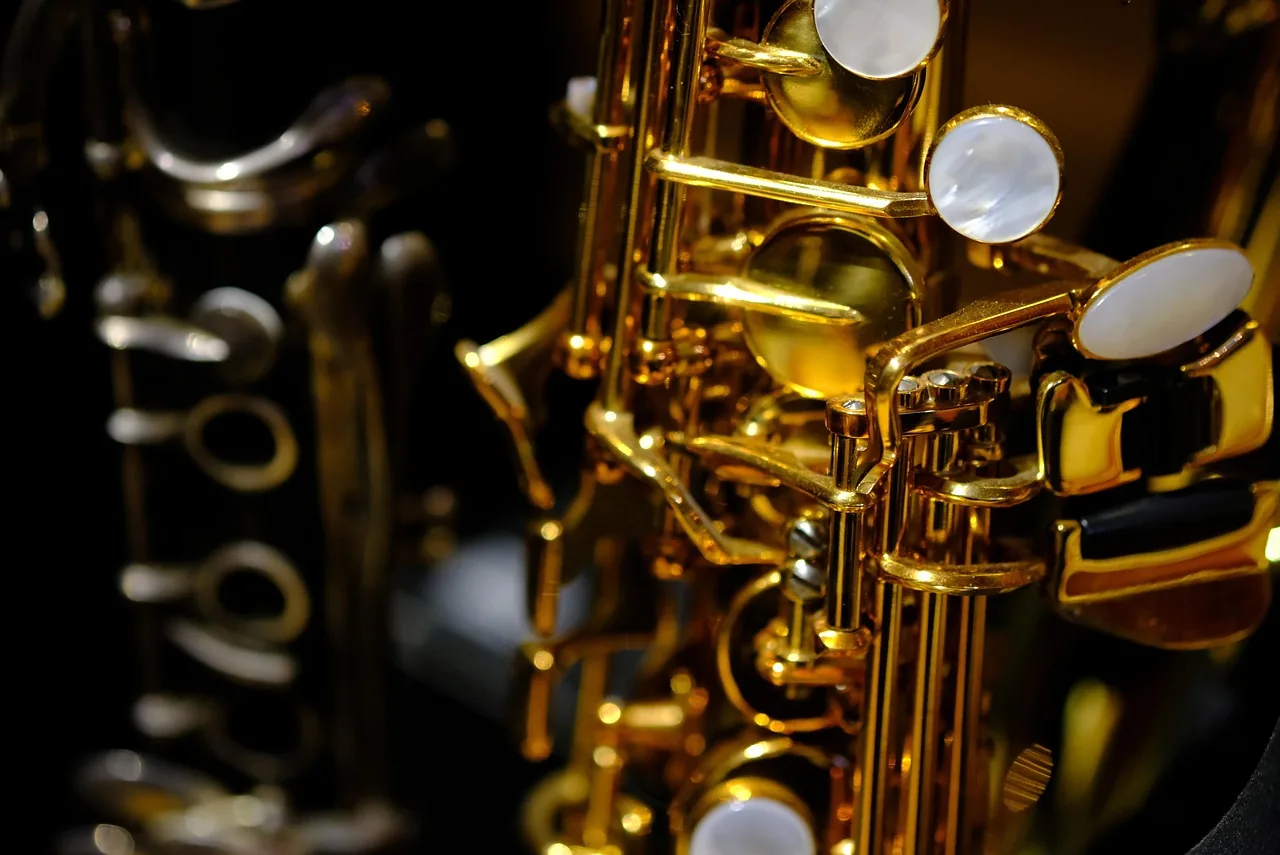
Brands affect playability as well as resale value; here is how to sort through the options. Consider manufacturing consistency, quality control, spare-parts availability and after-sales service.
Yamaha
Yamaha remains a dependable choice for reliability and ergonomics. Its student models offer the consistency that beginners and schools value.
Selmer Paris
Selmer represents French craftsmanship and professional performance. Its high-end ranges emphasize projection and often retain strong resale value.
Jupiter and SML Paris
Jupiter offers excellent value in its student and intermediate ranges. SML Paris is another appealing French brand for players who want to keep costs down.
Keilwerth & Yanagisawa
For demanding saxophonists, Keilwerth and Yanagisawa offer high-end construction and feel worth considering if you want greater refinement.
Buying tip: when comparing instruments in the same range, favor a brand with established after-sales support in France and a network of repairers. To compare saxophone types and uses, see our practical guide.
How the mouthpiece, reeds and ligature affect your budget
Your choice of mouthpiece and accessories noticeably changes how an instrument responds and sounds. A good setup can improve sound production, perceived tuning and tonal color, although it cannot make up for a poor mechanism.

Mouthpiece anatomy and its effect on sound production
The table, tip opening, chamber and bore affect how sound is produced.
A small opening makes notes easier to start and gives a softer sound, useful in classical music.
A large opening enriches the tone but requires more air and control.
Hard rubber or metal: ease or richness
Hard rubber mouthpieces are often forgiving and comfortable for beginners.
Metal mouthpieces offer more brightness and projection but require a steadier embouchure.
Reeds: strengths and care
Reeds are consumable. To start, choose a strength of approximately 1 to 2.5.
Replace them regularly: wear and moisture change their response and tuning.
Ligature: a small detail that matters
The ligature affects vibration. Fabric or leather brings warmth (for example, BG France), while metal gives more brightness.
It cannot compensate for a poor mouthpiece, but it can refine the nuances. Consider a versatile model (for example, the Vandoren Optimum) instead of paying to try many options.
| Item | Effect | Practical reference point |
|---|---|---|
| Mouthpiece (tip opening) | Sound production / tone | Small opening = easier playing, large opening = richer tone |
| Reeds | Response / lifespan | Strengths 1 to 2.5 for beginners |
| Ligature | Tonal color | Fabric = warmth, metal = brightness |
Budget recommendation: set aside money for a mouthpiece, reeds and ligature when you buy the instrument. A suitable reed model, reliable ligature and well-matched mouthpiece offer more than other, less useful extras.
Accessories and hidden costs to allow for when buying
Protecting and maintaining your instrument, and getting properly equipped, helps avoid future costs and makes progress easier.
Case or soft bag: essential for transport and protection. Backpack-style cases are comfortable to carry and help prevent knocks. A good case extends an instrument’s life and reduces the risk of damage to its shape.
Care kit: a pull-through swab, cloths and pad dryers form the basics. Simple cleaning after each session preserves airtightness and helps avoid expensive repairs.
Comfort and support
Neck strap or harness: useful for an alto and essential for a tenor or baritone. It distributes the weight, protects your back and improves your posture during rehearsals.
Useful tools that are often overlooked
A tuner and metronome help you work on tuning and tempo, alone or with others. A music stand and instrument stand let you set your instrument down safely at home and save time during practice.
| Accessories | Purpose | Indicative price |
|---|---|---|
| Case / soft bag | Protection / transport | €30 to €300 |
| Care kit | Cleaning / longevity | €10 to €50 |
| Neck strap / harness | Comfort / safety | €10 to €80 |
Additional budget to allow: expect to spend €60 to €200 beyond the price of the instrument. Check what comes in the original package: some cases and accessories are included, while others are not.
Used saxophones: save money without making a mistake
Finding a good used instrument takes a methodical inspection. You save money only if its mechanical condition matches the asking price.
Key points to check
Check the condition of the pads, the cleanliness of the tone holes and the alignment of the keys. Test the keywork: the keys should close without looseness.
Check the seal for leaks. Look for signs of corrosion or weakened springs.
A simple trial procedure
Play in the low, middle and high registers. Start notes both very softly and loudly, and play some fast passages.
Check intonation on a few reference notes. Assess the sound and response.
When servicing is worthwhile: a practical rule
Servicing is worth the cost if the model is well regarded and the cost of restoring it remains well below that of an equivalent new instrument.
Rule: if the purchase price and restoration cost together exceed the price of a comparable new model, avoid the purchase.
| Part | Check | Consequence |
|---|---|---|
| Pads | Airtightness | Replacement cost |
| Keys / keywork | Alignment | Comfort and adjustment |
| Seal | Leaks | Loss of tuning accuracy |
Practical tip: favor a used instrument sold by a shop or supplied with a servicing receipt. This gives you greater confidence in the purchase and future maintenance.
Digital saxophones: another modern option and its effect on your budget
A digital saxophone offers new features for everyday practice. These instruments include sensors, a headphone output and effects. They often complement an acoustic instrument rather than replace it.
Who are they suited to?
They are ideal for people who want to practice quietly, work on phrasing late at night or travel light. Headphones let you work on rhythm and precision without disturbing anyone.
Use on stage and in production: effects and varied sounds are readily available for exploring different tonal colors.
Initial cost and possible savings
The purchase price is often higher than that of an entry-level acoustic model. In return, mechanical maintenance is reduced: there are no pads to monitor or regular moisture-related adjustments.
In practice, you save time and avoid replacement parts, but the playing feel and sound production may still call for separate work on an acoustic instrument.
Selection criteria and recommendation
- Ergonomics: authentic fingering and lasting comfort.
- Latency and sensors: a short response time to preserve expression.
- Compatibility: audio/MIDI for the studio and stage.
Tip: consider combining both: use a digital instrument to increase practice time and an acoustic one to develop your tone and breath control.
| Advantage | Consequence | Who benefits |
|---|---|---|
| Quiet playing and effects | Night practice, exploring sounds | Students, producers |
| Less mechanical maintenance | Lower recurring costs | Travelling musicians, regular players |
| Different playing feel | Acoustic practice still needed | All players |
Conclusion
Practical summary: set a total budget, then choose the type (alto, tenor, soprano or baritone) and model range that suit your level. Prioritize mechanical quality for a stable sound and long working life.
Try and compare several instruments. This is especially important for used models. To understand the benefits of buying secondhand, see this guide to buying used.
Allow for equipment too: a mouthpiece, reeds, ligature, case and cleaning supplies. In short, a reliable, properly adjusted instrument offers better value and more lasting enjoyment than an ambitious model that is unstable.