

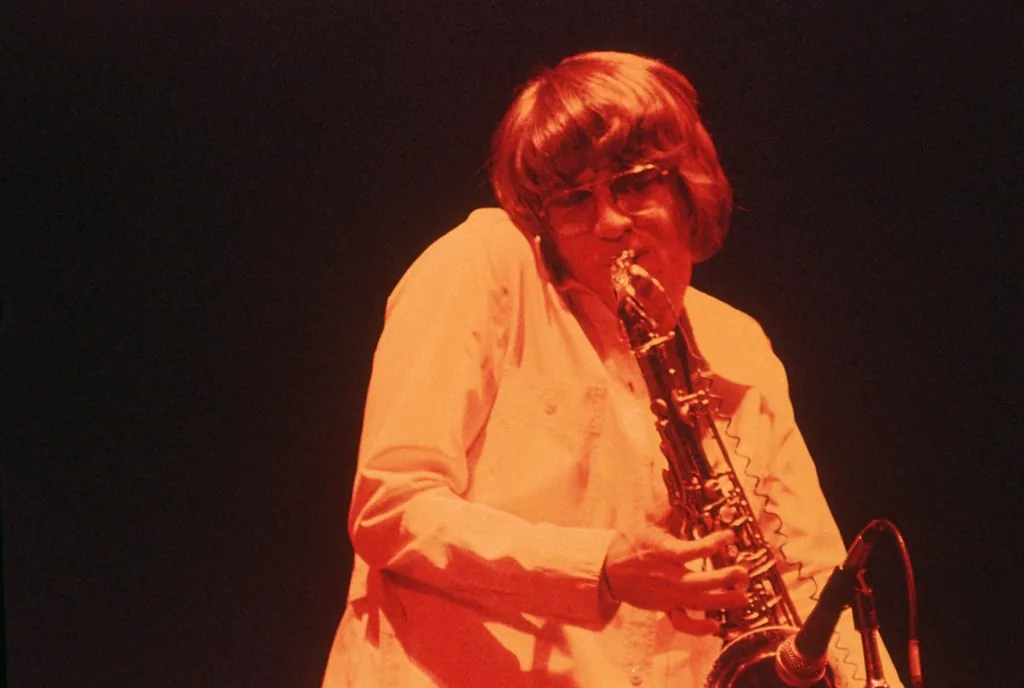
What this guide offers: this comprehensive guide helps you understand the different models and their places in an ensemble. You will be better equipped to listen to them, choose your instrument and join a group.
Adolphe Sax designed the saxophone to bridge the gap between brass and woodwinds. Patented in 1846, the instrument soon found a place in military bands, then in jazz and popular music.
What makes this instrument stand out? It combines power, flexibility and a tone close to the human voice. It has a strong presence in jazz, classical music and pop.
We will cover the four common models—soprano, alto, tenor and baritone—then rarer ones such as the sopranino, bass, contrabass and C-melody.
Our focus is ensemble playing. Who carries the melody, who enriches the harmony, and who anchors the low register and rhythm?
You will find: range comparisons, sound charts, advice based on skill level, budget and brands, and maintenance recommendations to keep your instrument reliable in rehearsals and on stage.
Reading guide: the family, roles, characteristics, distribution within an ensemble, styles, rare models, buying, accessories and conclusion.
Understanding the saxophone family: origins, sizes and registers
In the mid-nineteenth century, a Belgian inventor wanted to unite the clarity of woodwinds with the power of brass. Adolphe Sax filed his patent in 1846 to create a coherent family of wind instruments.
The principle is simple: the same fingerings, different sizes and distinct registers. From sopranino to contrabass, seven members are often cited. Four of them predominate in most ensembles.
Size affects range and projection: the smaller the instrument, the higher its pitch and the more sensitive its intonation; the larger it is, the lower it sounds, the more air it requires and the broader the sonic foundation it provides.
“My aim was to obtain the agility of woodwinds with the strength of brass.”
B-flat and E-flat indicate that some instruments transpose. In practice, a written C sounds at a different pitch depending on the instrument. Understanding this prevents confusion during rehearsals.
| Instrument | Key | Common role |
|---|---|---|
| Sopranino | E-flat | Very high register, precision |
| Alto | E-flat | Versatility, middle register |
| Tenor | B-flat | Expressiveness, solos |
| Baritone / contrabass | E-flat / B-flat | Low foundation, projection |
Types of saxophones and their roles in a band
In an ensemble, each saxophone plays a complementary role that shapes the overall sound.
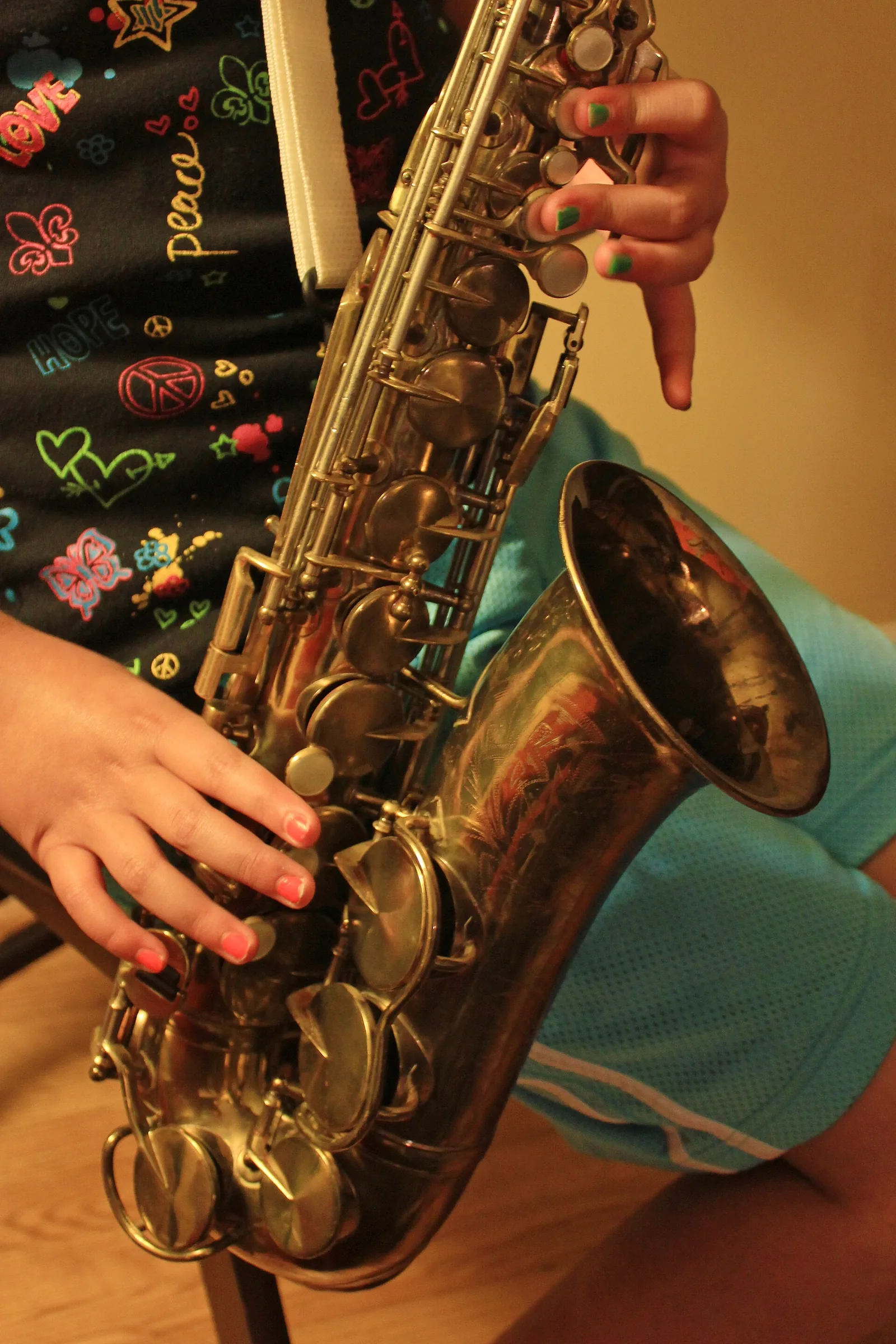
Soprano saxophone: a high voice and bright solos
Soprano saxophone: it often doubles a melody or soars above the harmony. Approximate range: A♭3 to E6; key: B-flat. Light in weight (about 1 kg), it demands precision and accurate intonation. Listen to Sidney Bechet for his brilliant lines.
Alto: a versatile mainstay
The alto occupies the middle register of the harmony. Approximate range: D♭3 to A5; key: E-flat. Weight: about 2.5 to 2.7 kg. Ideal for riffs, harmonic support and fast solos (think Charlie Parker).
Tenor saxophone: a singing register and answering lines
The tenor saxophone brings expressiveness to the lower-middle register. Approximate range: A♭2 to E5; key: B-flat; weight: about 3.5 kg. Perfect for countermelodies, exchanges with a singer and memorable solos—think John Coltrane.
Baritone saxophone: the low foundation
The baritone saxophone forms the foundation of the sound. Approximate range: D♭2 to A♭4; key: E-flat; weight: about 5 to 6 kg. It reinforces the bass, follows the double bass or electric bass, and anchors the rhythm.
| Instrument | Key | Range (approximate) | Weight | Typical uses |
|---|---|---|---|---|
| Soprano | B♭ | A♭3 – E6 | About 1 kg | Doubling, bright solos |
| Alto | E♭ | D♭3 – A5 | About 2.5 to 2.7 kg | Middle-register harmony, riffs |
| Tenor | B♭ | A♭2 – E5 | About 3.5 kg | Expressive solos, countermelodies |
| Baritone | E♭ | D♭2 – A♭4 | About 5 to 6 kg | Low foundation, bass lines |
Arranging tip: give the melody to the soprano or alto according to the sound you want, let the tenor answer it, and use the baritone to reinforce the chord progression without crowding the harmony.
Characteristics that make a difference: range, tone, design and playing technique
Differences in range and the choice of mouthpiece can completely change an instrument’s presence on stage.
Comparing ranges and extensions
Range influences an arrangement: the high register carries the melody, the middle fills out the harmony, and the low register anchors the bass.
Advanced players add altissimo, but it is not essential in a section. For solos, this extension offers useful tonal colors.
A dark or bright sound depending on the mouthpiece
Tone depends largely on the mouthpiece chamber and baffle. A large chamber gives a darker sound. A more open mouthpiece produces a brighter tone.
Choose a mouthpiece to suit your intention: a darker sound for classical music, or a brighter one for funk or jazz.
Ergonomics, keywork and intonation
Approximate weights range from about 1 kg for the soprano to about 6 kg for the baritone. Size, the position of the keys and the strap affect comfort on stage.
The soprano requires precise embouchure and intonation; work on these with long tones, a tuner and focused listening.
The baritone demands more breath endurance: breathe calmly, keep a relaxed posture and avoid forcing the sound.
| Element | Impact | Advice |
|---|---|---|
| Range | Determines the role (high, middle or low) | Choose the part according to tone and projection |
| Mouthpiece (chamber) | Dark or bright sound | Try several chambers in a shop |
| Ergonomics | Comfort on stage, fatigue | Use a strap or harness and adjust your posture |
| Intonation / flatness | Leaks, pads, poorly matched reed | Check the pads and adjust the mouthpiece and reed |
To learn more about the instrument and its history, see the saxophone reference page.
How are saxophones distributed within a band: who plays what?
In an ensemble, the distribution of parts determines the balance of the sound and the clarity of each line.
Big band section: placement and balance
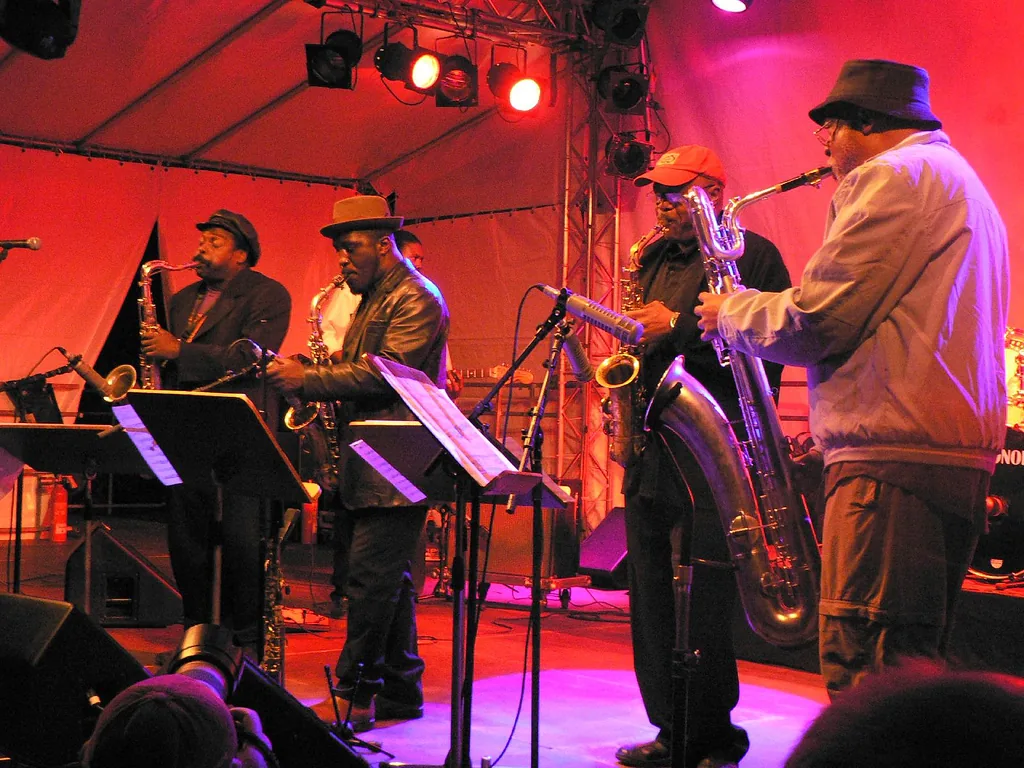
A traditional section brings together altos, tenors and a baritone to cover the high, middle and low registers. The baritone holds down the low end, anchors the riffs and connects the harmony to the rhythm.
Placement: position the section near the center, toward the back, to project well without overpowering the brass.
Jazz combos and contemporary music
In a combo, the soprano, alto and tenor often serve as solo voices. The choice depends on the key and the space left for vocals.
The baritone plays a supporting role, providing low doubling, answering phrases and reinforcement for bass lines.
Marching bands, concert bands and orchestras
Outdoors, projection comes first. Doubling the clarinet or trombone helps carry the melody. The saxophone provides a harmonic link in the middle of the spectrum.
- Rehearsal checklist: define the parts (melody, harmony and riffs), test the balance, then adjust dynamics and ranges.
- Listen within the section: follow the section leader for intonation and attacks.
Saxophones across styles: jazz, classical music, funk, rock and pop
Each musical style highlights particular tonal colors. The choice of instrument then depends on timbre, range and tradition.
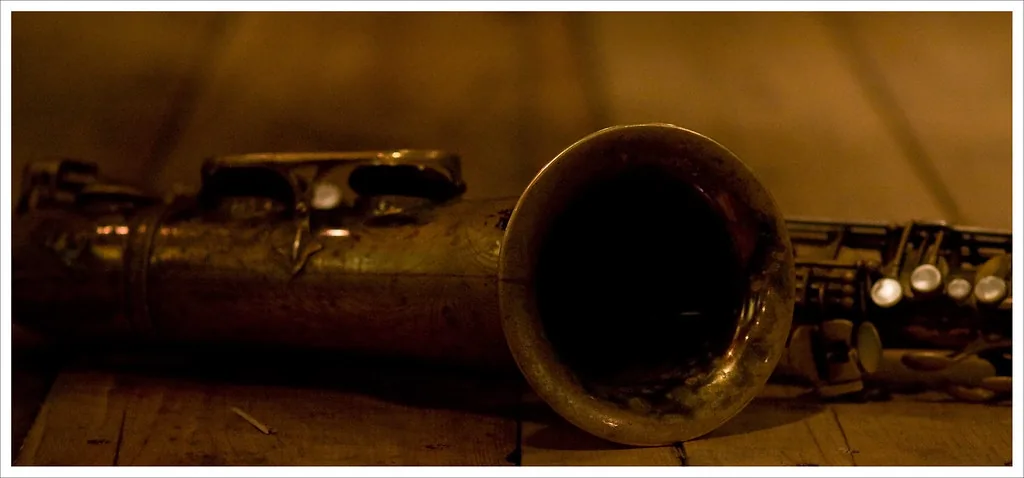
Jazz
In jazz, the alto saxophone stands out for its agility and bebop phrasing. Charlie Parker set a benchmark for this model: speed, crisp attacks and remarkable inventiveness.
The tenor has a full, expressive voice. John Coltrane made it a standard-bearer for improvisation and harmonic depth.
Classical and contemporary music
In classical music, incorporating the saxophone calls for accurate intonation and a unified sound. Bizet’s L’Arlésienne shows how an orchestra can use it to add color without overwhelming the ensemble.
In chamber ensembles, clarity comes first: precise tone control and subtle dynamics are essential.
Rock, pop and funk
In rock and pop, the tenor often plays a catchy motif: memorable riffs and short solos that stand out in the mix (think of Careless Whisper or Money).
The baritone adds power in the low register. It strengthens unison lines with brass and guitars for a strong rhythmic impact.
“Choose your instrument to suit the setting: stage, studio or composition.”
| Style | Preferred instruments | Why |
|---|---|---|
| Jazz | Alto and tenor saxophones | Agility (alto), expressiveness and long phrases (tenor) |
| Classical music | Alto and tenor | Intonation, cohesion, nuance |
| Rock / funk / pop | Tenor and baritone | Punchy motifs, low riffs, power |
Later in this article, you will find advice on choosing an instrument for your style and playing situation.
Beyond the best-known models: rare saxophones and specific uses
Beyond the usual quartet, a few rare models offer distinctive colors. They remain uncommon because of their cost, limited repertoire and practical demands.
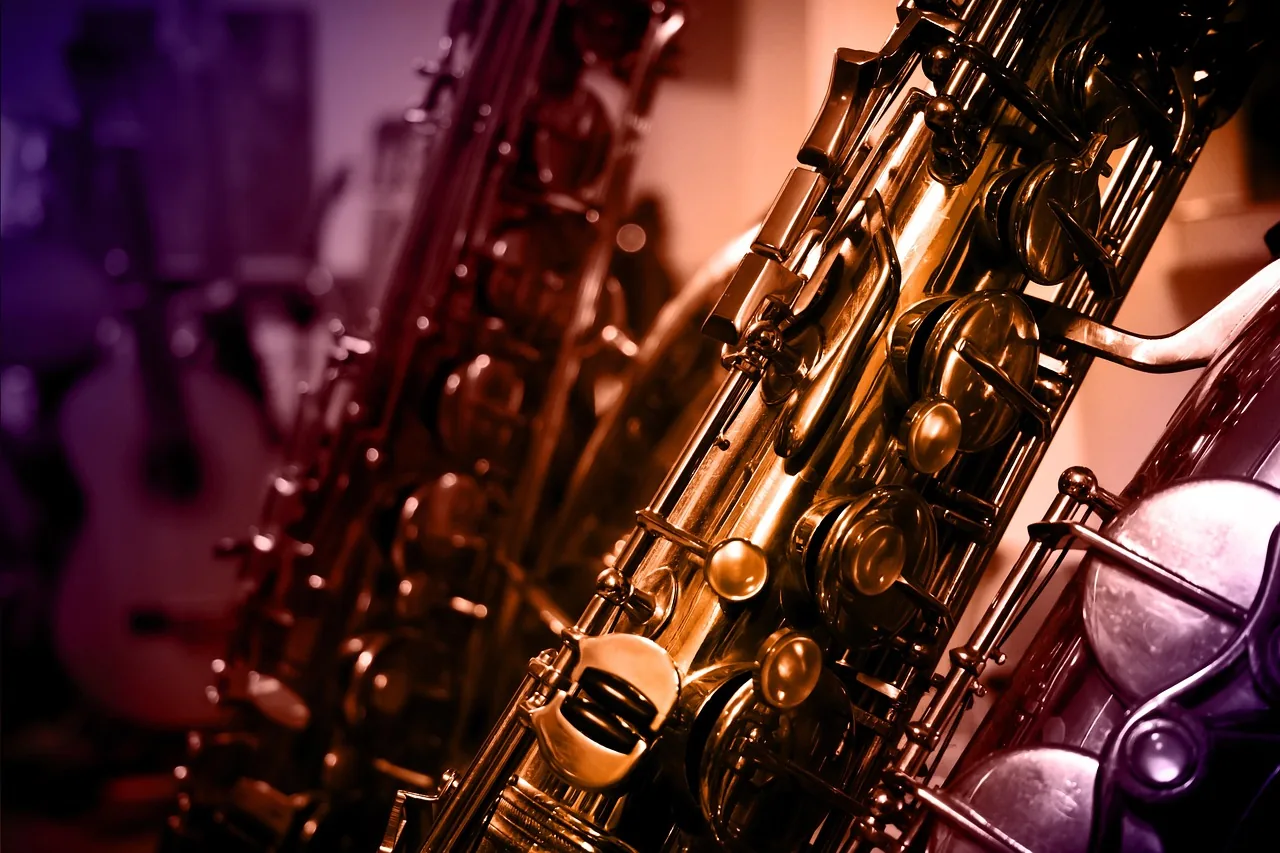
Sopranino: precision and extreme brilliance
The sopranino produces a very bright, high sound. It requires a keen ear and impeccable intonation.
It is heard mainly in contemporary ensembles or sound-effect projects. Using it requires suitable scores and careful amplification.
Bass and contrabass: depth and practical demands
The contrabass and bass saxophone add unusual depth. Their texture strengthens the harmonic foundation.
They are heavy and bulky, and require dedicated arrangements. Often, they complement the electric bass instead of replacing it.
C-melody and other variants: a distinctive color rather than a standard choice
The C-melody offers an intermediate range and a distinctive color. Its appeal lies mainly in its key, rather than in how easily it fits into a section.
These variants suit artistic projects, studio work and specialized groups. Avoid them if you are just starting out or need standard replacement parts.
“Choosing a rare instrument means choosing a creative color while accepting practical compromises.”
Practical advice: try the instrument in your project, check transport options and available scores, then decide whether its originality justifies the demands. For a look at the role of low instruments, see our guide to baritone and contrabass saxophones.
Choosing a saxophone: skill level, budget, brands and playing situation
A sound choice starts with assessing your skill level, musical style and playing situation (rehearsal, stage or school). This approach helps prevent impulse purchases and regrets.
Beginners: alto or tenor?
Beginners often find the alto more accessible. It is light and ergonomic, and makes intonation easier to control.
The tenor is still a good choice if you want to play jazz or rock, or if your build makes the alto uncomfortable.
Prices in France: realistic ranges
| Instrument | Entry level (€) | Professional (€) |
|---|---|---|
| Alto | 600 to 1,000 | 1,500 to 3,000 |
| Tenor / soprano | 800 to 1,500 | 1,800 to 5,000 or more |
| Baritone | From 2,000 | 3,500 to 6,000 or more |
Brands, models and trials
Well-known brands: Selmer (a benchmark), Yamaha (reliability), Yanagisawa (precision), Jupiter, Keilwerth and P. Mauriat. Try several models before buying.
In a shop, check the pads, keywork, leaks and consistency of tone across several octaves. If possible, bring your own mouthpiece and reeds.
For detailed advice, consult this buying guide.
Accessories and maintenance for a reliable sound in rehearsals and on stage
Good equipment makes a difference: it helps maintain a consistent sound and prevents unwelcome surprises in rehearsal.
- Reeds: keep several in different strengths and replace them regularly for a consistent response.
- Mouthpiece (choice and cleanliness): it directly affects tonal color and attack.
- Ligature: it holds the reed in place; overtightening can stifle its vibration.
- Strap or harness: choose a harness for the tenor or baritone to help avoid neck pain.
- Hard case and swab: they protect the instrument and let you dry it quickly after playing.
The sound-making setup: reed, mouthpiece and ligature
These three elements form the basis of your sound. A poor combination causes intonation problems, a sluggish response and reduced dynamics.
Try different combinations in rehearsal to find a balance between comfort and projection.
A simple routine after every session
Remove the reed, wipe the mouthpiece, run a swab through the instrument’s body and let it dry before putting it away.
These steps limit mold and help preserve the pads’ seal.
Periodic servicing and warning signs
Schedule an annual check for leaks, mechanism adjustments and pad replacement. Use oil made for key pivots only as recommended by a repair workshop.
These signs call for a visit to a repairer: unclear low notes, unstable pitches, a feeling that air is leaking and clattering keys.
“A well-maintained instrument stays in tune, responds better and helps prevent problems in concert.”
The goal: with these habits and accessories, your saxophone stays reliable, musical and ready for the stage.
Conclusion
In summary, four principal saxophones cover most of the range: the soprano for a brilliant high register, the alto as a versatile centerpiece, the tenor for an expressive voice and the baritone for a low foundation.
The family is built around shared fingerings and complementary registers. This makes it easier to distribute parts and balance the sound in any ensemble.
Choose according to your musical style, performance setting and physical comfort. Try the instruments, listen to reference players, and use the same mouthpieces and reeds during your trials.
One final tip: maintain the instrument regularly, schedule servicing and adapt your accessories so you can play without worry. To explore the difference between alto and tenor, listen to both, then try them before buying.