

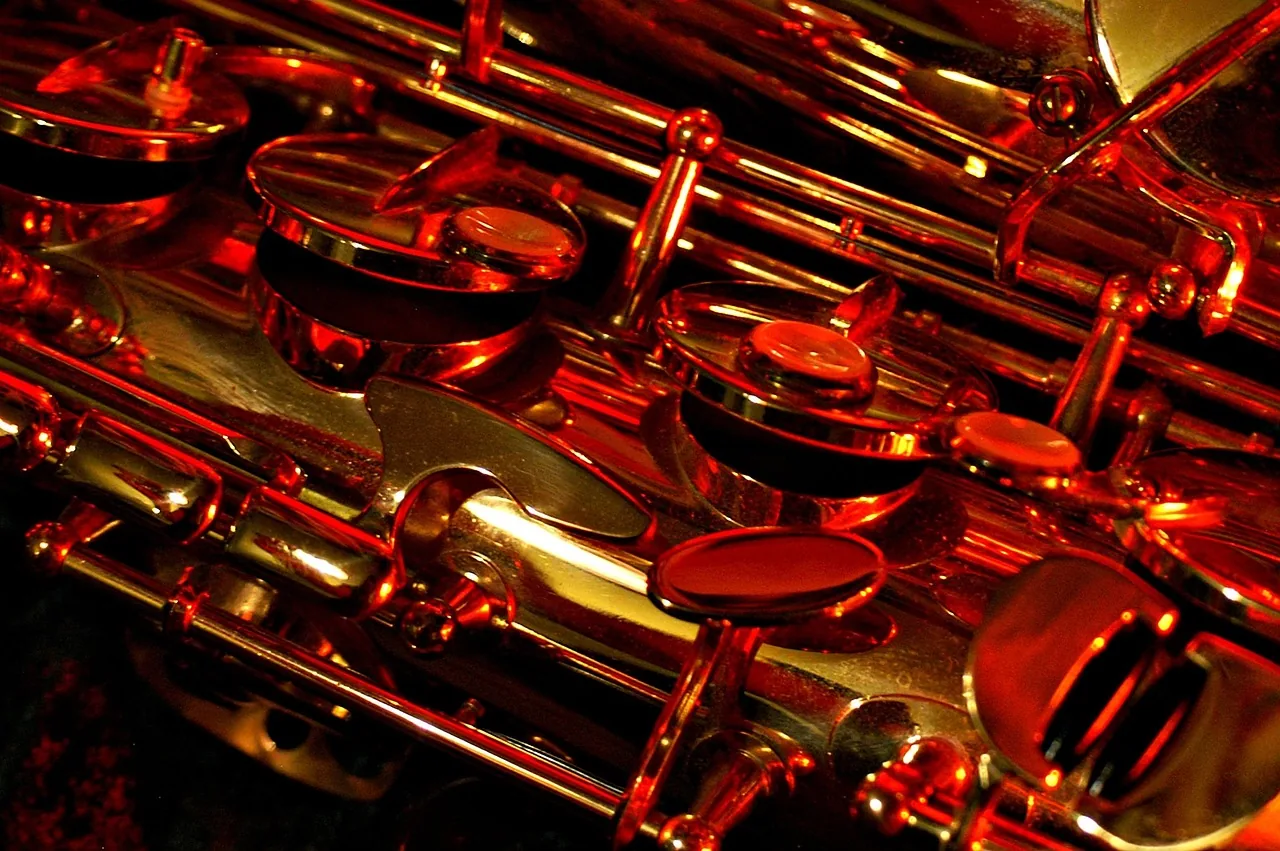
This guide sets out the essentials for buying safely in France. The market has been broad since the 1980s, with models from Japan, Taiwan, Europe and the United States. Service history often makes the difference between a bargain and an unexpected bill.
A “great deal” can quickly require an expensive service or repairs. A simple, methodical check — of the mechanism, pads, airtightness, tuning with a tuner and actual playability — reduces the risk. These checks help you avoid hidden costs.
The guide follows a clear sequence: first define your needs and budget, then review the technical checklist, and finally choose where to buy (a shop, a private seller or an online platform).
Brand alone is not enough. Two instruments of the same model can feel very different. Trying the saxophone remains essential to assess its sound and playability.
By the end, you will know how to spot warning signs, ask the seller the right questions, negotiate a fair price and allow for a service if needed. This guide offers practical information to help you maintain the quality of your instrument.
Why buy a used tenor saxophone today?
Buying an instrument that has already been played can give you a better sound and playing experience without exceeding your budget. Buying used often lets you move up a level for the price of a new entry-level model.
Quality shows in accurate intonation, ease of producing notes and an even response from low to high. These qualities matter to musicians seeking comfort and musical expression.
The main risks concern maintenance: worn pads, play in the mechanism, dents in the body or poor repairs. If the service history is unclear, allow for the cost of a service by a repair technician.
- Private seller: attractive price, higher technical risk.
- Reconditioned: a dependable compromise, adjusted by a professional.
- Vintage: distinctive sound, but more uncertainty and wear.
| Market | Price | Buyer protection | When to choose it |
|---|---|---|---|
| Private seller | Low | Moderate to low | Suitable for tight budgets and buyers comfortable with repairs |
| Reconditioned | Mid-range | High | Ideal for a more reassuring purchase |
| Vintage | Variable | Variable | For experienced buyers seeking a particular sound |
For practical advice on choosing an instrument and useful links, consult specialist guides. To broaden your musical knowledge, also see additional resources.
Define your needs before browsing listings
Before looking at listings, clarify what you want from your instrument.
Size and handling: the tenor is pitched in B-flat. It is larger and often heavier than the alto saxophone. It requires more air and can be more demanding to hold, which may make it more difficult for beginners.
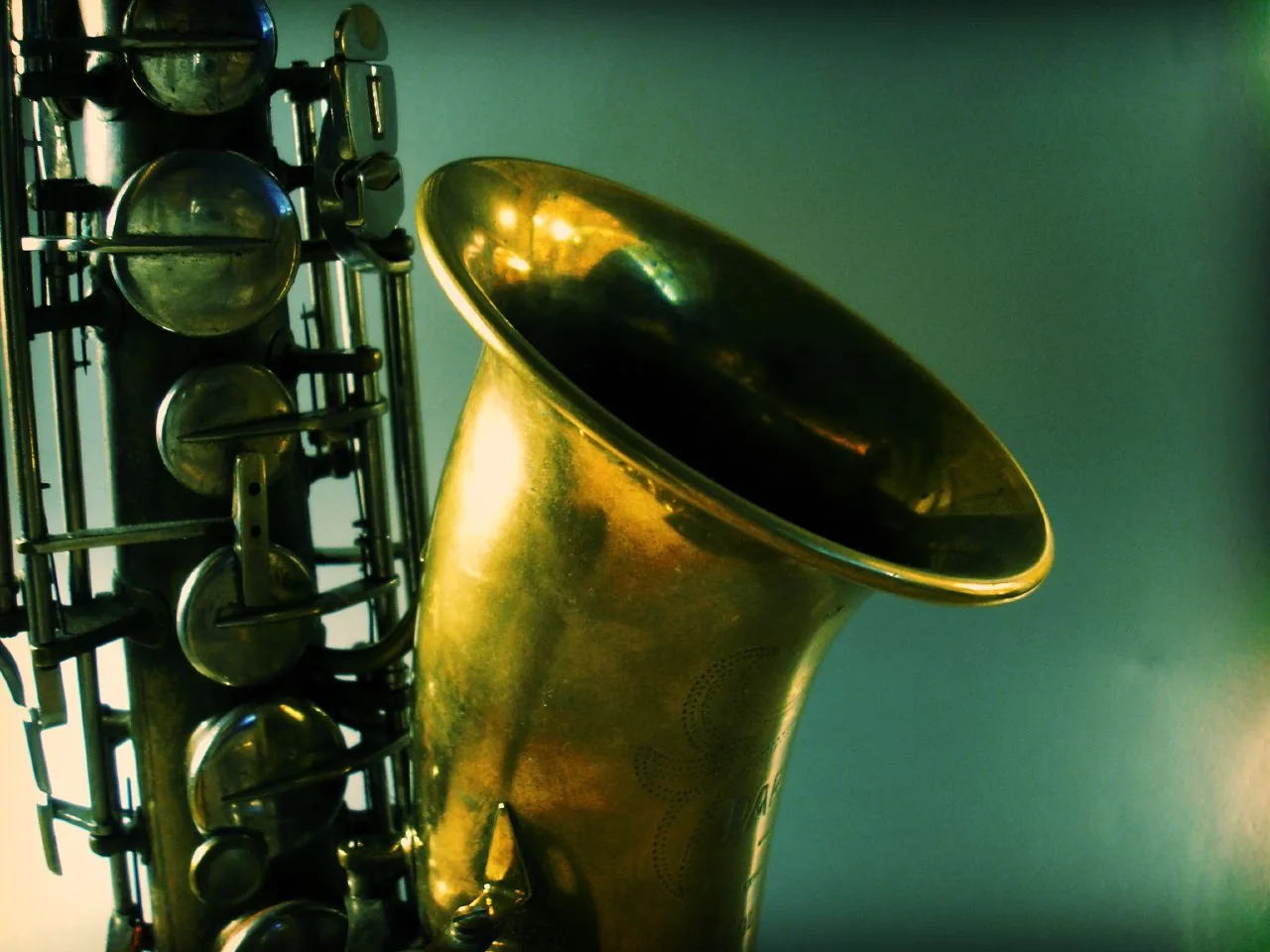
Style and desired sound: your repertoire should guide your choice. Jazz, funk and R&B often suit the tenor’s warmth, but tone depends above all on the player and mouthpiece. The brand does not guarantee the final result.
Level and progress: choose a student, intermediate or professional model according to your playing experience. A student instrument is dependable for learning. An intermediate model is often enough for amateur players. A professional model calls for several trials.
| Criterion | Guidance | Impact |
|---|---|---|
| Use | Orchestra, band, home | Determines ergonomics and mouthpiece choice |
| Style | Jazz, rock, funk or classical music | Influences the tone you seek |
| Total budget | Instrument + service + mouthpiece and reeds | Provides a realistic cost estimate |
Make a simple checklist covering use, styles, budget and playing level. It will help you choose your saxophone and focus on relevant listings.
Budget and saxophone categories: what prices to expect
Setting a clear price range helps you compare models without being swayed by their finish alone.
Dependable student saxophones
Indicative budget: €500 to €1,000, depending on condition and origin. A good first saxophone should offer accurate intonation, easy note production and a sturdy mechanism.
Intermediate and semi-professional models
Used price range: often over €1,000. These instruments offer greater comfort, a more even response and a more nuanced sound.
Professional models
Guide price: €2,500 and up. These models can cost more but last a long time. Trying one is essential: each model responds differently.
Established brands and models
Yamaha and Jupiter are dependable examples in the student and intermediate categories. Selmer, Yanagisawa, Keilwerth and P. Mauriat are often among the more expensive and sought-after brands.
Low-priced models: proceed with caution
“Some low-priced instruments may be playable, but their quality varies greatly.”
Most instruments are made of brass; the lacquer is mainly cosmetic. Do not pay extra for an attractive finish if the pads do not seal and the tuning is poor.
| Category | Indicative price | Strength |
|---|---|---|
| Student | €500 to €1,000 | Sturdy construction, easy note production |
| Intermediate | €1,000 to €2,500 | Better value for money |
| Professional | €2,500 and up | Durability, rich sound (trial required) |
Used tenor saxophone: essential checks before buying
Start by inspecting the exterior: dents and distortions often reveal an instrument’s history.
Overall condition of the body — Look for dents, cracks, cracked lacquer and signs of impact. Distortion can alter the instrument’s geometry and make repairs expensive.
Tone holes and level surfaces
Check that the rims around the tone holes are level. Irregularities or tool marks often indicate previous repairs and possible leaks.
Mechanism and ergonomics
Check for play in the rods, consistent key action and quiet springs. Assess playing comfort by the position of your hands and how quickly the keys respond.
Pads and airtightness
Check that the keys close together and that the octave key works properly. Hard or poorly fitted pads cause unstable notes, especially in the low register.
Neck and joints
The tenons should not be oval. The neck joint should fit securely without force or leaks. A poor connection harms response and intonation.
Intonation and playing test
Use a tuner to check stability across the full range. Then play for several minutes with your own mouthpiece and reed to assess evenness, dynamics and ease of playing.
Key questions to ask the seller
- How the instrument was stored (humidity and temperature) and how often it was played.
- Date of the last service, receipts and parts replaced.
- Reason for selling and whether the case and accessories are included.
| Check | What it reveals | Recommended action |
|---|---|---|
| Body (dents) | Structural impacts | Decline the purchase or negotiate a substantial discount |
| Tone holes | Repairs and leaks | Ask for a repair receipt or leak test |
| Pads | Airtightness | Budget for replacement if they are hard |
| Joints | Air leaks | Clean or repair the tenon |
Practical rule: if several aspects are uncertain, include the cost of a service in your negotiations or consider a reconditioned instrument from a shop.
Where to buy in France: shops, private sellers and online platforms
Where you buy often determines the technical risk and the after-sales support you can expect. These options will help you organize your search and avoid unpleasant surprises.
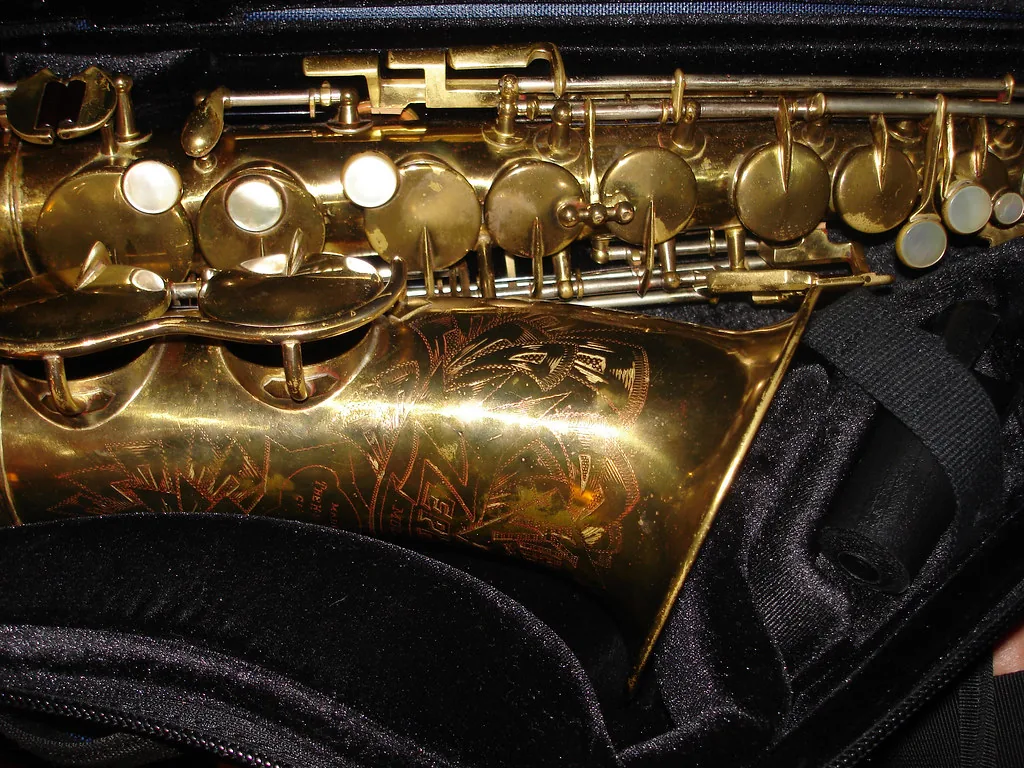
From a shop
Advantage: a prepared and adjusted instrument, the chance to try it in person, and often a warranty of one year or more.
Tip: take advantage of having a technician on hand to check for leaks and arrange repairs if needed.
A reputable shop should be able to complete a full service before handing over the instrument.
From a private seller (Leboncoin, eBay)
The price is often attractive, but the risk is higher if the instrument has not been serviced.
- Ask for detailed photographs and receipts.
- Arrange an extended playing test and bring a teacher if possible.
- Set aside money for a service if you buy it.
Rent-to-own
A practical way to test the instrument during rehearsals and lessons. Depending on the agreement, rental payments may be deducted from the final price.
If you are a beginner or lack time to carry out the checks, consider a shop or a reconditioned instrument.
| Purchase route | Buyer protection | Price |
|---|---|---|
| Shop or reconditioned instrument | High (warranty, technician) | Higher |
| Private seller (Leboncoin, eBay) | Moderate to low (without a service) | Often low |
| Rent-to-own | Moderate (extended trial possible) | Variable (rental payments may be deducted) |
Special cases to consider before buying
An older instrument can have a distinctive sound, but it needs specific checks.
Vintage: appeal and risks
Vintage saxophones appeal to players through their character, patina and often rich sound prized by jazz enthusiasts.
However, more years also mean more possible repairs: worn keywork, repaired tone holes and old solder joints.
Pitch standard and tuning
Always check the pitch standard. Some older instruments were not designed for A at 440 Hz.
An instrument with the wrong pitch standard makes ensemble playing difficult and may require costly adjustments.
Reconditioned: a reassuring option
Professional reconditioning combines the attractive price of a used instrument with the reassurance of a complete setup.
Replacing worn parts, testing for leaks and making adjustments reduce the risk of immediate expenses.
Tip: choose a vintage model if you accept the uncertainty and have a repair technician you trust. Choose a reconditioned instrument if you want peace of mind and better quality at a manageable price.
| Option | Strength | What to allow for |
|---|---|---|
| Vintage | Sound and appearance | Repairs, adjustments |
| Reconditioned | Peace of mind | Often a higher price than buying from a private seller |
| Environmental impact | Reuse, lower carbon footprint | A smaller footprint than a new instrument |
“Repairing and reusing an instrument brings passion and responsibility together.”
Conclusion
A good purchase combines a clear idea of how you will use the instrument, a technical inspection and careful listening during a playing test.
Keep these points in mind: your needs (alto or tenor), total budget, where you buy, a mechanical check and then a playing test with your own equipment.
If you are unsure of your ability to assess an instrument, bring a teacher or choose a seller who provides a service. Always include the cost of a visit to a repair technician in the price you are willing to pay; it will help you avoid financial surprises.
One last practical tip: prepare your questions, bring your mouthpiece and reeds, use a tuner, and compare two or three instruments before deciding. A sound instrument with accurate intonation speeds up your learning and makes playing more rewarding.