

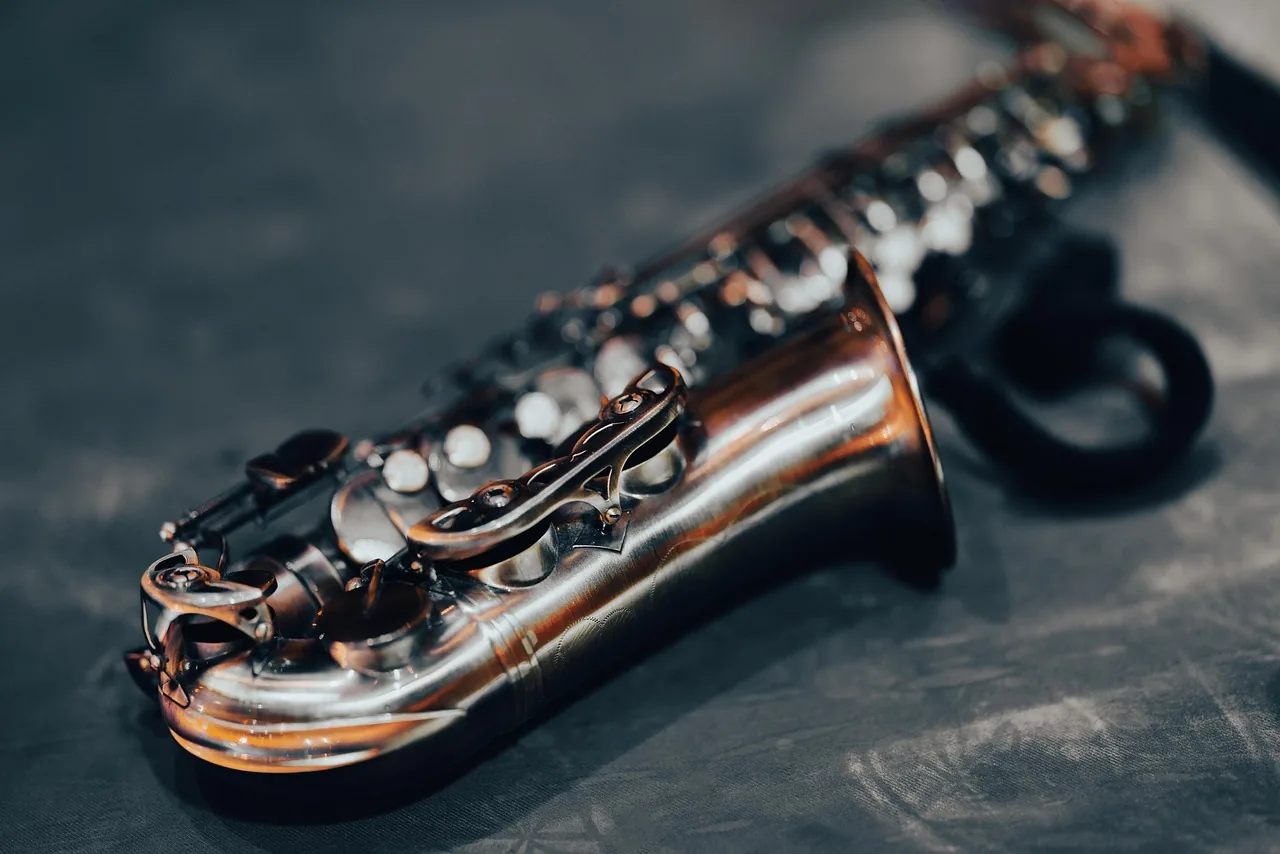
Does the material of the body really change the timbre? Many musicians ask this question when comparing models and brands.
The aim of this article is simple: to untangle the physics, instrument design and perception. We will explain why the source of vibration (the reed) and the internal geometry are the main factors that determine the sound.
We will also describe why the saxophone is classified as a woodwind, the misconception that “brass means a brassy sound,” and the factors that really change its tone. You will learn when material plays an indirect role.
What you will learn: by the end, you will know where to invest—in a mouthpiece, neck, adjustments and ergonomics—instead of choosing on the basis of an assumption about material.
Finally, the article will distinguish between a difference the audience can hear and one the musician can feel (comfort, weight and response), then examine the best-documented historical and acoustic reason for this classification.
Why the saxophone is classified as a woodwind, even when it is made of brass
To understand why this instrument belongs among the woodwinds, we need to look at how it produces sound. Exhaled air sets the reed attached to the mouthpiece vibrating; that vibration interrupts the airflow and creates the initial sound wave.
The confusion comes from the material: a brass body makes the instrument resemble the brass family in terms of construction. But families of wind instruments are defined mainly by how they produce sound.
Woodwinds and brass: the role of the mouthpiece
In brass instruments, the player’s lips vibrate directly; in woodwinds, a reed (single or double) or an edge sets the air vibrating. The mouthpiece has a major effect on response and ease of playing.
- Family: single reed, like a clarinet’s → classified as a woodwind.
- Playing experience: the musician “feels” the reed against their lip, regardless of the body’s metal.
To explore the instrument’s history further, read the historical account of the saxophone. The next section explains how the nineteenth century reinforced the idea that material “makes” the sound.
From Berlioz to Adolphe Sax: the saxophone’s origins and the birth of a myth about materials
The saxophone appeared in the nineteenth century, when orchestras were seeking new tonal colors and greater power. Adolphe Sax presented his “saxophon” in 1841 at the Belgian Industrial Exhibition; the instrument was initially intended to complement symphony orchestras and military bands, rather than jazz ensembles.
“full, mellow, vibrant, of enormous power”
A nineteenth-century instrument designed for the orchestra before jazz
Composers soon adopted it: Bizet, Massenet, Debussy, Ravel and Prokofiev used it for its tone and power. Its spread through established musical institutions strengthened its place in orchestras and bands.
The Industrial Revolution and new materials in instrument making
The Industrial Revolution introduced new processes and metals. Standardized metalworking and a growing range of models changed how instruments were made.
The sight of a brass body reinforced the association “metal = metallic sound.” Yet its acoustic principle remained that of a reed instrument; the visible metal fueled the debate more than the acoustics did.
Next: this history explains the origin of the misconception. The next section compares it with physical evidence and tests.
Wooden or brass saxophone: myth or real difference?
The main cause of timbre lies in the internal geometry, not in the shine of the metal. In wind instruments, the sound wave travels primarily through the column of air. The walls guide the vibration but do not create it.
The bore—its profile, taper and diameter—shapes the richness of the harmonics. A small change in its shape alters the tone more than a change of material does.
Perception and bias
What we “hear” also depends on sight and psychology. Seeing a shiny instrument often leads us to expect a brighter sound. Contact with a metal or hard-rubber mouthpiece changes how playing feels to the musician without necessarily changing the timbre.
When material does matter
Metal has little effect if it is rigid and nonporous. But if the body is flexible or porous, absorption increases and the effect becomes audible.
- Key point: if the manufacturing process changes (machining or polishing), the shape can change too.
- Practical evidence: blind tests show that it is difficult to distinguish gold, silver or platinum when the geometry is similar.
For more on the history and acoustics, read this overview of the influence of materials. In short, prioritize adjustments and bore design before changing materials.
The parts that really influence a saxophone’s tone
Four parts of the acoustic system affect tone more than the choice of metal: the neck, body, bow and bell.
The neck: length and volume
The tapered neck affects tuning and ease of playing. A small change in its length or internal volume changes how the instrument feels to play.
Body and tone holes: placement and diameter
The diameter and position of the tone holes influence response, consistency across registers and articulation.
The bow and low notes
The bow influences how low notes speak. Its rigidity and structural integrity affect the stability of the low register.
The bell: projection and nuance
The bell does not create the sound, but it affects projection; its flare changes the harmonics we hear.
Key point: these parts define the geometry and acoustic impedances. Two models made from the same metal can sound very different because of their bore and neck.
Practical advice: test response, tuning and consistency with the same mouthpiece and reed before attributing a difference to the material. This approach helps you prioritize adjustments over material alone.
Body, keywork and mouthpiece materials: which differences matter to the musician?
For the musician, the choice of metal mainly affects weight, maintenance and ergonomics. In practice, brass, silver and other finishes change how it feels to carry the instrument and how often it needs attention.
Brass, metal and silver: weight, durability and maintenance
A brass body offers durability and is relatively easy to repair. Silver finishes withstand some knocks better but require regular polishing.
In everyday use, consider possible corrosion, visible scratches and cleaning frequency. For musicians who play often, these differences matter more than a promise that the material will change the timbre.
Keywork and adjustments: comfort, ergonomics and reliability
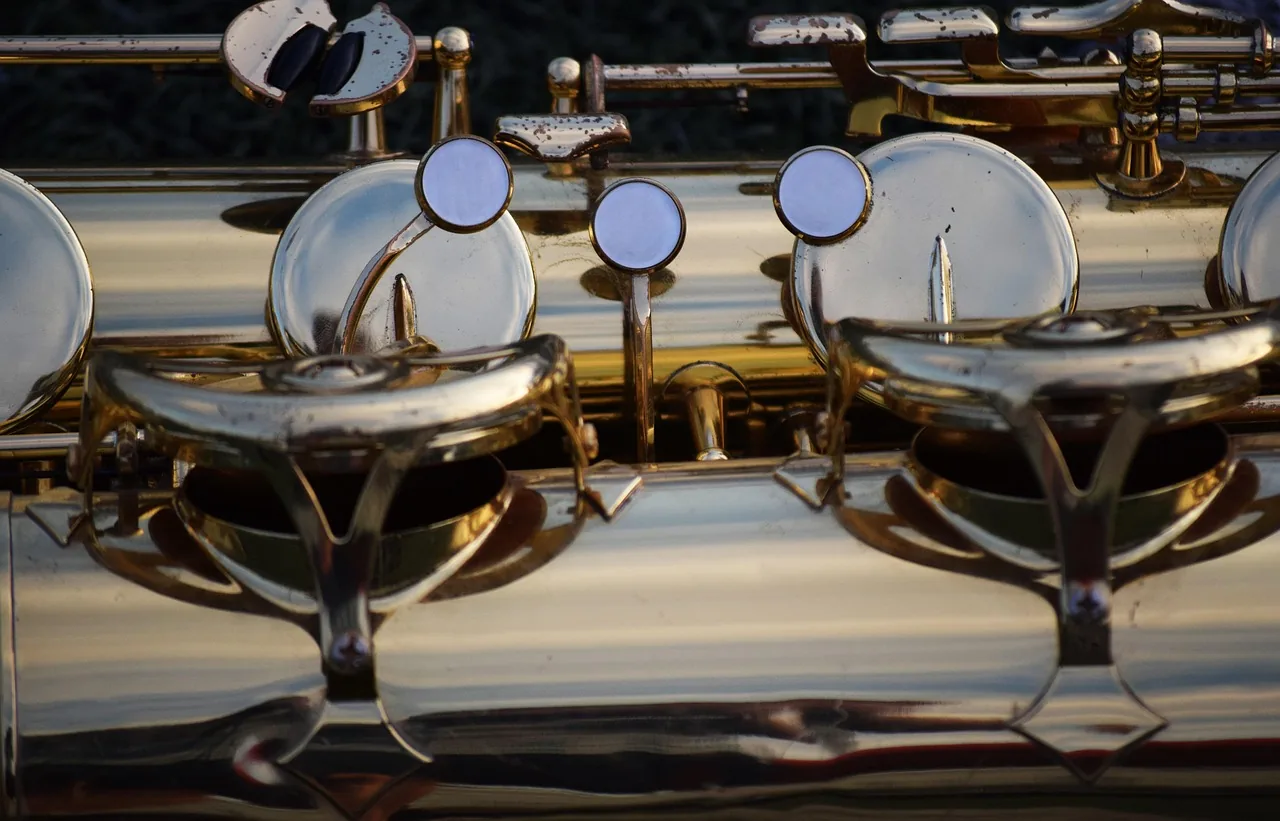
Keywork includes the keys, spatulas and rods. Its quality affects speed, precision and finger fatigue.
Stable adjustments and airtight pads prevent leaks that immediately impair response and intonation. Investing in good keywork improves playing far more than an expensive finish.
Metal or hard-rubber mouthpiece: feel in the mouth and sound shaped by geometry
A metal mouthpiece feels different in the mouth from a hard-rubber one. That sensation can change the musician’s perception.
However, tone depends mainly on geometry (tip opening, facing and chamber). Choose the shape first, then the material according to comfort and maintenance needs.
Decision guide: prioritize ease of playing, stable keys and a mouthpiece suited to your desired sound. For more resources on maintenance and the history of instrument families, consult this educational guide.
Conclusion
In short: the answer depends less on the visible metal than on the instrument’s internal mechanics. The saxophone remains a woodwind because it uses a reed to produce sound.
Tone is shaped primarily by the air column and bore geometry. Only very flexible or porous materials, or changes in shape during manufacturing, can create an audible effect.
For the most effective improvements, prioritize the mouthpiece and reed setup, airtight pads, the neck and the tone-hole profile. Ask for comparative trials and blind tests instead of relying on marketing claims.
Checklist: projection or warmth, comfort (grip and weight), reliable keywork and suitability for your style. To learn more, read the article on the influence of materials and carry out methodical trials (the same mouthpiece and reed under the same conditions).