

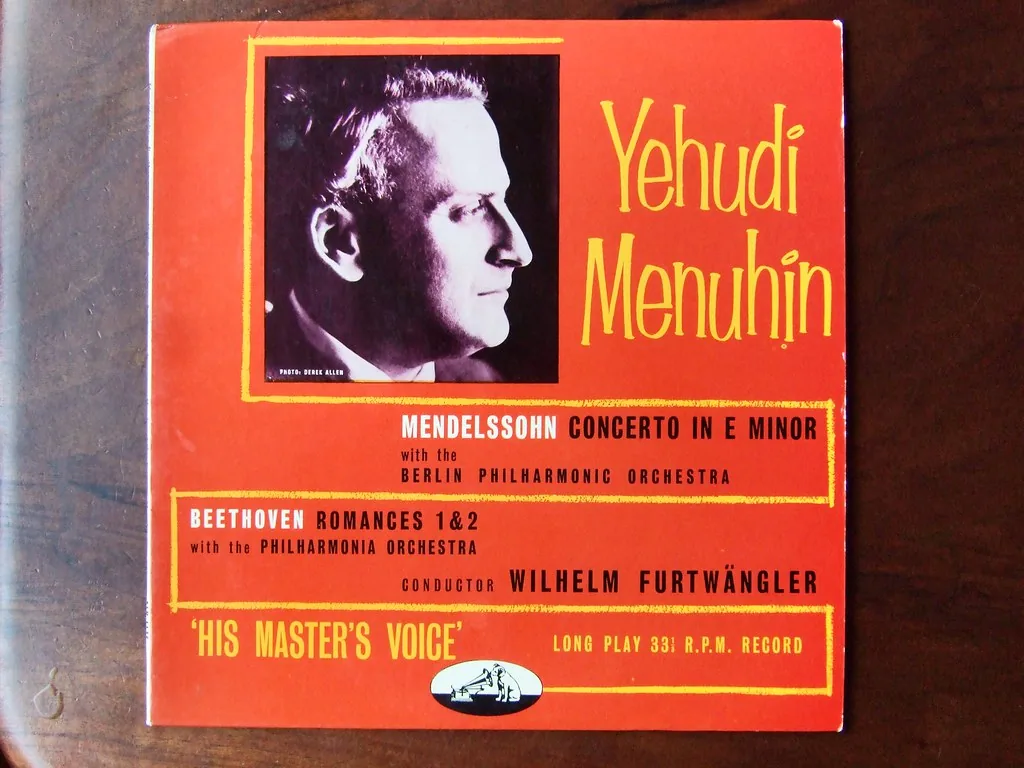
Classical music is a timeless treasure that has shaped the cultural history of the West. From the Middle Ages to the present day, it continues to captivate listeners with its richness and depth.
In this article, we invite you on a journey through essential works and major composers. Discover pieces such as “Ode to Joy” and “The Well-Tempered Clavier”, which have left their mark on history.
Classical music is distinguished by its written tradition and rewards attentive, sensitive listening. Every period, from the Baroque to the Romantic era, has its masters, including Mozart and Chopin, whose creations continue to speak to listeners everywhere.
Join us in exploring this rich repertoire, where every note tells a story. Classical music belongs not only to the past: it is a living heritage that still resonates today.
An introduction to the world of classical music
Classical music is a musical heritage that spans centuries and offers unmatched emotional and intellectual richness. Every note and melody tells a story and reflects the development of societies and cultures.
Why explore this timeless genre?
- It stimulates the imagination and stirs deep emotions.
- It offers a unique perspective on the history and values of different eras.
- It inspires creativity and encourages reflection.
How classical music evolved over the centuries
From the Baroque period, shaped by composers such as Bach, to the Romantic era of Chopin and Beethoven, classical music has continually evolved. Each era brought stylistic innovations influenced by social and cultural change.
Composers played a central role in that evolution, leaving works that continue to resonate today. Discover how their genius shaped the history of music.
Classical music is a heritage from the past and a living art that continues to captivate today’s listeners. It lends itself to many interpretations and connects generations and cultures.
The best-known pieces of classical music to discover: an essential selection
Classical music offers a vast, rich repertoire of works that have left their mark on history. This selection highlights celebrated pieces, each an artistic achievement.
Portraits of celebrated composers
Mozart, Beethoven and Chopin are among the most famous names. Mozart revolutionized opera with works such as The Marriage of Figaro. Beethoven left his mark with his Symphony No. 9, while Chopin captivated the world with his piano compositions.
A closer look at essential masterpieces
From Mozart’s Symphony No. 40 to operas such as Carmen, these works continue to resonate today. Their originality and emotional power make them essential additions to any classical music collection.
| Composer | Work | Characteristics |
|---|---|---|
| Mozart | Symphony No. 40 | Dramatic structure, intense melodies |
| Beethoven | Symphony No. 9 | Choral finale, hymn to joy |
| Chopin | Nocturnes | Delicate melodies, profound expression |
Chosen for their quality and influence, these pieces offer a glimpse of classical music’s richness. Every work tells a story and invites endless exploration.
Exploring the eras of classical music
Classical music spans centuries, with each era bringing its own style and innovations. Let’s explore this musical heritage together, from the Baroque to contemporary music.
From Baroque to Romanticism
The Baroque period (1600–1750) saw the emergence of opera and composers such as Bach and Handel. Its music is characterized by complex counterpoint and the use of the harpsichord.
The Classical period (1750–1820) brought Haydn, Mozart and Beethoven to prominence. The symphony and sonata dominated this era and helped lay the foundations of Western music.
The modern and contemporary era
Romanticism (1820–1900) emphasized emotion and individuality through composers such as Chopin and Liszt. Music explored new harmonic possibilities.
In the twentieth century, classical music moved toward styles such as atonality and twelve-tone composition. Contemporary composers continue to innovate and enrich the worldwide repertoire.
Essential masterpieces of the repertoire
Classical music is full of major works that have shaped its history. These masterpieces continue to captivate listeners with their emotional depth and artistic complexity.
Legendary symphonies
Symphonies occupy a central place in the classical repertoire. Beethoven’s Symphony No. 3, “Eroica”, composed after a personal crisis, is a masterful expression of strength and resilience. Its powerful themes evoke struggle and victory. Tchaikovsky’s Symphony No. 6, “Pathétique”, mentioned in a letter to his nephew, explores intense emotions and has left an indelible mark on music history.
Unforgettable concertos and sonatas
Concertos and sonatas add an intimate dimension to classical music. Vivaldi’s “Spring” Violin Concerto, with its lively movements, is an ode to nature. Mozart’s Piano Concerto No. 23, with its elegant melodies, is equally essential. Beethoven’s “Moonlight” Sonata evokes a contemplative nighttime atmosphere and deepens the emotion through its delicate themes.
Performed by legendary musicians, these works continue to touch listeners and offer a lasting connection to classical art.
Behind the scores: stories and anecdotes
Every classical piece has a story, an emotional context or a fascinating anecdote. These accounts add depth to the music and make it even more compelling.
Fascinating historical contexts
For example, Beethoven’s Symphony No. 3, “Eroica” was composed during a turbulent period in his life. Originally dedicated to Napoleon, it was renamed after Beethoven learned that Napoleon had declared himself emperor. The piece thus reflects a significant historical moment.
Filmmakers have used classical works to heighten the emotion of scenes. For example, Beethoven’s “Emperor Concerto” was used in the film Platoon, adding to the dramatic impact of certain scenes. Likewise, the “Moonlight” Sonata was used in Amélie, adding a touch of mystery and reverie.
| Piece | Film | Emotion evoked |
|---|---|---|
| Symphony No. 3, “Eroica” | Platoon | Dramatic tension |
| “Moonlight” Sonata | Amélie | Mystery and reverie |
These examples show how classical music continues to resonate across eras and media, expressing emotion at every turn.
Instruments at the heart of the classical experience
Keyboard and string instruments occupy a central place in classical music. Each gives timeless works a distinctive sound.
The piano and its masterpieces
The piano is often considered classical music’s most expressive instrument. Its versatility allows a gentle melody to become dramatically powerful in an instant. Claude Debussy, for example, captivated the world with his “Clair de lune”, in which every note seems to dance beneath the pianist’s fingers.
The piano is also central to compositions such as Chopin’s Nocturnes, which combine delicacy with emotional depth. These works show how powerfully the piano can express emotion and connect directly with listeners.
The magic of strings
String instruments such as the violin bring intense emotion to classical music. The violin is especially known for its ability to express complex feelings. Composers such as Tchaikovsky used it to create moving melodies, notably in his violin concertos.
The piano and strings complement each other beautifully. In Mozart’s Concertos for Piano and Orchestra, for example, the strings and piano engage in a harmonious dialogue, creating an unforgettable listening experience.
Exploring these instruments reveals their sonic beauty, along with the innovation and virtuosity that make them distinctive. Discover how they continue to inspire musicians today.
How can you enjoy classical music in concert?
Hearing classical music in concert is a unique experience that can stir powerful emotions. A little preparation can help you make the most of it.
The concert experience and its unique emotions
Choose a renowned venue such as the Philharmonie de Paris or Carnegie Hall, where the acoustics are excellent. Arrive early to take in the atmosphere and browse the program. Let yourself be carried away by a Beethoven symphony or the delicacy of a Chopin nocturne. Hearing these pieces live heightens their emotional impact and creates an immediate connection with the music.
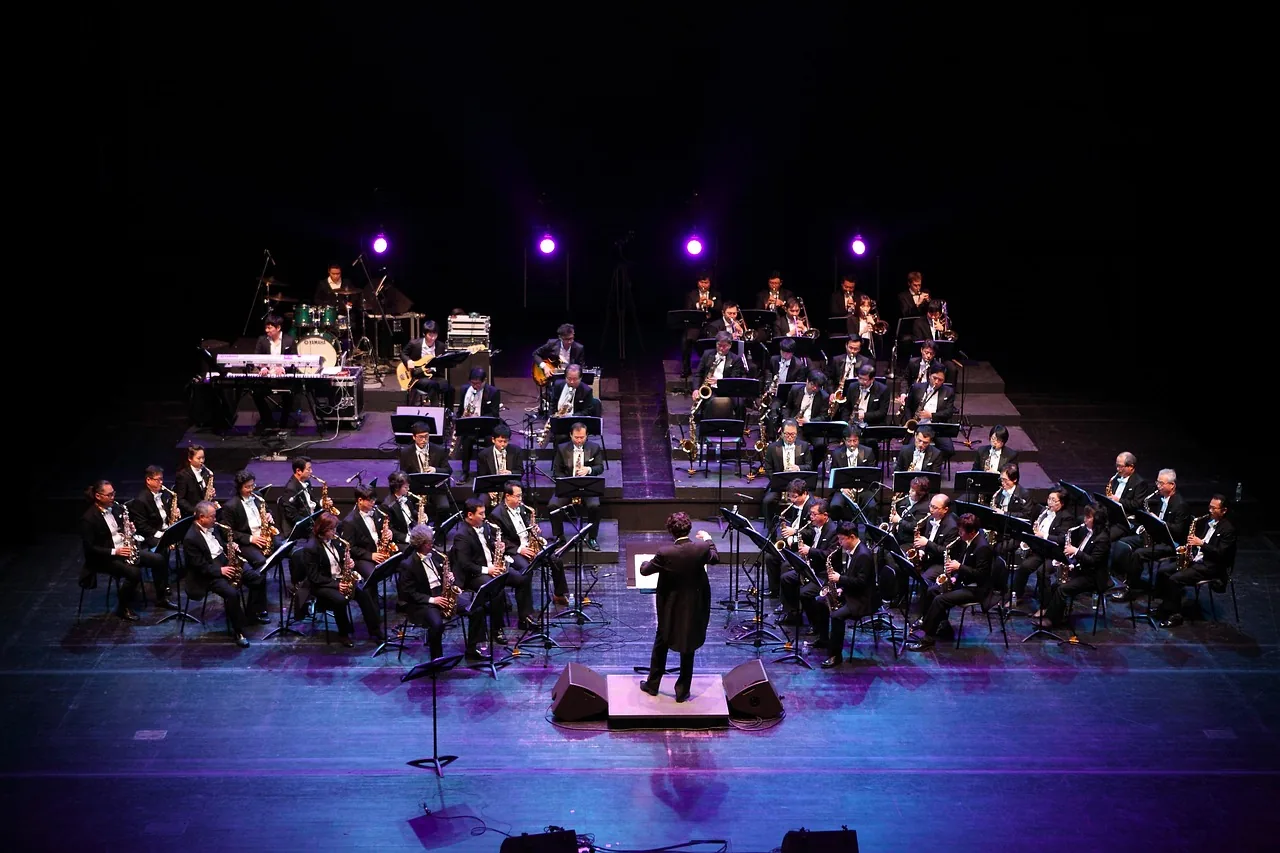
Consider an evening concert, when the atmosphere is especially suited to listening. Wear comfortable clothes so you can focus fully on the music.
The magic of concert playlists
Create playlists to suit your mood: a calming selection for relaxation, for example, or an energizing collection for a sunny afternoon. Include excerpts from The Well-Tempered Clavier or arias from famous operas such as Carmen.
Use platforms such as medici.tv to watch recorded concerts and masterclasses. That way, you can continue the musical experience at home.
| Venue | Concert | Characteristics |
|---|---|---|
| Philharmonie de Paris | Beethoven’s Symphony No. 9 | Moving choral finale |
| Carnegie Hall | Mozart piano concerto | Elegant melodies |
| Paris Opera | Ravel ballet | Rich orchestration |
Hearing classical music in concert is unforgettable. Whether you visit a concert hall or listen to a carefully chosen playlist, let these timeless melodies carry you away.
The influence of classical music on popular culture
Classical music crosses eras and genres and finds a place in many settings. It inspires modern melodies as well as filmmakers and advertisers.
Its use in film and advertising
Classical composers such as Wolfgang Amadeus Mozart and Beethoven have made their mark on film. For example, Beethoven’s Symphony No. 9 was used in Platoon, adding dramatic weight to scenes. Excerpts from the opera Carmen have also appeared in advertisements to evoke an elegant atmosphere.
Its echoes in modern music
Classical melodies have influenced many contemporary artists. Samples of Mozart’s Symphony No. 40, for example, have been used in rap tracks. Composers such as Beethoven have also inspired popular songs, showing the lasting influence of their music.
Tips for organizing a classical concert
Organizing a classical concert is an exciting challenge that calls for careful planning. To help your event succeed, follow these practical tips and use this checklist.
Checklist for a successful event
- Choose a venue with good acoustics.
- Plan a balanced program that includes sonatas and songs.
- Check the logistics and technical details.
A good checklist should cover every aspect of the event, from choosing musicians to managing the sound system.
Choosing professional musicians
The quality of the repertoire depends directly on the performers. Choose experienced musicians and use platforms such as Linkaband to make your selection.
Build a harmonious program with celebrated pieces such as The Well-Tempered Clavier to give your audience an unforgettable experience.
Further resources and inspiring playlists
To explore classical music more deeply, discover our selection of resources and inspiring playlists. They will help you immerse yourself in timeless melodies and discover new pieces.
Explore our recommendations
We have selected playlists featuring celebrated preludes, marches and dances. Bach’s preludes and Saint-Saëns’s Danse macabre, for example, offer distinctive listening experiences. These pieces, performed by renowned orchestras, are well suited to everyday listening.
You can also explore themed playlists on YouTube and Spotify. These collections bring together excerpts from operas, piano sonatas and famous symphonies, offering an overview of classical music’s richness.
Links to essential playlists
For a fuller introduction, explore these links to essential playlists:
- Discover a selection of preludes and dances featuring legendary composers.
- Explore a playlist of famous marches and melodies, ideal for every classical music lover.
- France Télévisions offers resources to deepen your knowledge of classical music.
These resources were chosen for their quality and relevance and offer easy access to essential pieces. Let these playlists guide you toward new works that will enrich your musical repertoire.
Conclusion
Classical music is a timeless heritage that continues to resonate with music lovers. Across the centuries, composers such as Mozart, Beethoven and Chopin created works that endure. Piano pieces such as the “Moonlight” Sonata and Beethoven’s symphonies offer incomparable emotional depth.
Live concerts, including those presented at the Philharmonie de Paris, offer a unique experience and bring these pieces’ emotions vividly to life. To explore further, discover additional resources and inspiring playlists featuring classical masterpieces.
Organize musical events or explore piano pieces to share your passion. Let the magic of classical music carry you away and make this art part of your everyday life.
FAQ
What are the most famous classical works?
Who are the most influential classical composers?
How has classical music evolved over the centuries?
Which instruments are best for playing classical music?
Where can I listen to classical music today?
How should I choose classical pieces as a beginner?
What impact has classical music had on popular culture?
How can I organize a classical concert at home?
Source links
- https://www.classicfm.com/discover-music/best-classical-music-beginners/
- https://en.wikipedia.org/wiki/Classical_music
- https://www.yourclassical.org/story/2024/04/19/how-to-start-listening-to-classical-music
- https://www.pbs.org/video/why-is-fur-elise-so-famous-and-is-it-overrated-tmpivr/
- https://www.theguardian.com/books/article/2024/aug/08/five-of-the-best-books-about-classical-music