

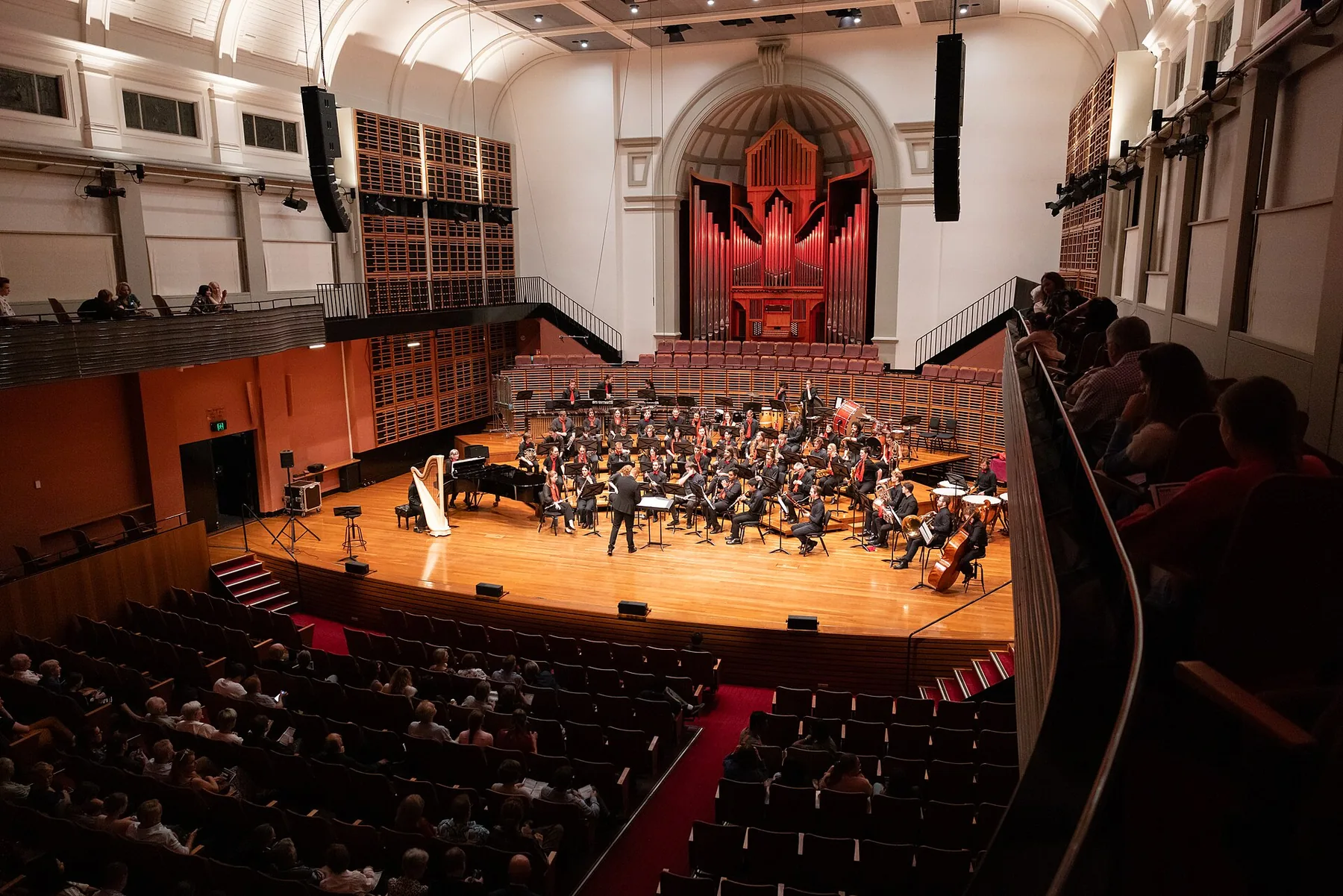
The relationship between classical music and cinema is deep and complex. Since the earliest days of film, composers have drawn on the classical repertoire to create unforgettable soundtracks. Classical music brings emotional and narrative richness to films, across eras and genres.
Films such as 2001: A Space Odyssey and Apocalypse Now show how powerfully classical music can enhance images. Richard Strauss’s Also sprach Zarathustra in 2001 and Wagner’s Ride of the Valkyries in Apocalypse Now, for example, have become iconic. These pieces do more than provide background sound; they are woven into the story and guide the audience’s emotions.
This article explores the historical, technical and emotional influence of classical music on cinema in detail. We will see how contemporary composers still draw inspiration from classical masters and how their music continues to shape filmmaking.
Introduction to the influence of classical music on cinema
Since cinema emerged, classical music has held a central place as an artistic partner. Directors have often drawn on this repertoire to enrich their work, bringing image and sound together.
Historical and artistic context
In the 1930s, composers such as Max Steiner made film history by creating original scores. This period saw an important shift: composers adapted their works to directors’ needs.
Renowned filmmakers such as Kubrick, Coppola and Polanski chose classical pieces to strengthen the world of their films. Kubrick, for example, used Strauss’s Also sprach Zarathustra in 2001: A Space Odyssey, forging a powerful connection between music and image.
These collaborations show how classical music inspires contemporary composers while shaping the spirit of films. The evolution of musical styles over time reflects this ongoing adaptation, with each note strengthening the emotion and the story.
Choosing music is crucial, as an article on the history of the relationship between music and cinema shows. This artistic partnership continues to shape filmmaking and gives audiences a distinctive emotional experience.
How has classical music influenced cinema?
Classical music plays a central role in cinema as an emotional and narrative language. It reaches beyond the images, guides the audience’s emotions and heightens the impact of key scenes.
Scores and original soundtracks become part of the story, turning each scene into a memorable moment. Strauss’s Also sprach Zarathustra in 2001: A Space Odyssey and Wagner’s Ride of the Valkyries in Apocalypse Now, for example, have become enduring points of reference.
Image and music combine to create distinctive emotions and make certain sequences unforgettable. The harmony between editing techniques and musical structure is essential, as an article on the influence of classical music on cinema shows.
Memorable examples on the big screen
Cinema has often drawn on the classical repertoire to create unforgettable experiences. Two notable examples illustrate this union of music and image.
Kubrick and 2001: A Space Odyssey
Stanley Kubrick made film history with 2001: A Space Odyssey. Its soundtrack, featuring Richard Strauss’s Also sprach Zarathustra and Johann Strauss II’s The Blue Danube, turns each scene into a cosmic experience. These classical works strengthen the story and evoke emotional depth while reflecting the era in which the film was made.
The film’s musical opening, featuring Also sprach Zarathustra, becomes a symbol of space travel and guides the audience’s emotions throughout the story.
Apocalypse Now and Ride of the Valkyries
Francis Ford Coppola’s Apocalypse Now uses Richard Wagner’s Ride of the Valkyries to intensify its atmosphere of war. Through its power and sweeping rhythm, the classical piece underscores the tension and drama of combat, drawing viewers into the scene.
The chosen musical style reflects the period and year in which the film was made while emphasizing the scene’s visceral impact. This stylistic choice deepens the atmosphere and emotion and leaves a lasting mark on the film.
Emotional and narrative impact
Classical music is a universal language that speaks directly to the soul. It can reach beyond the images, guide viewers’ emotions and heighten the impact of key scenes. Every note and every melody tells a story and evokes deep feelings that endure over time.
Creating unforgettable atmospheres
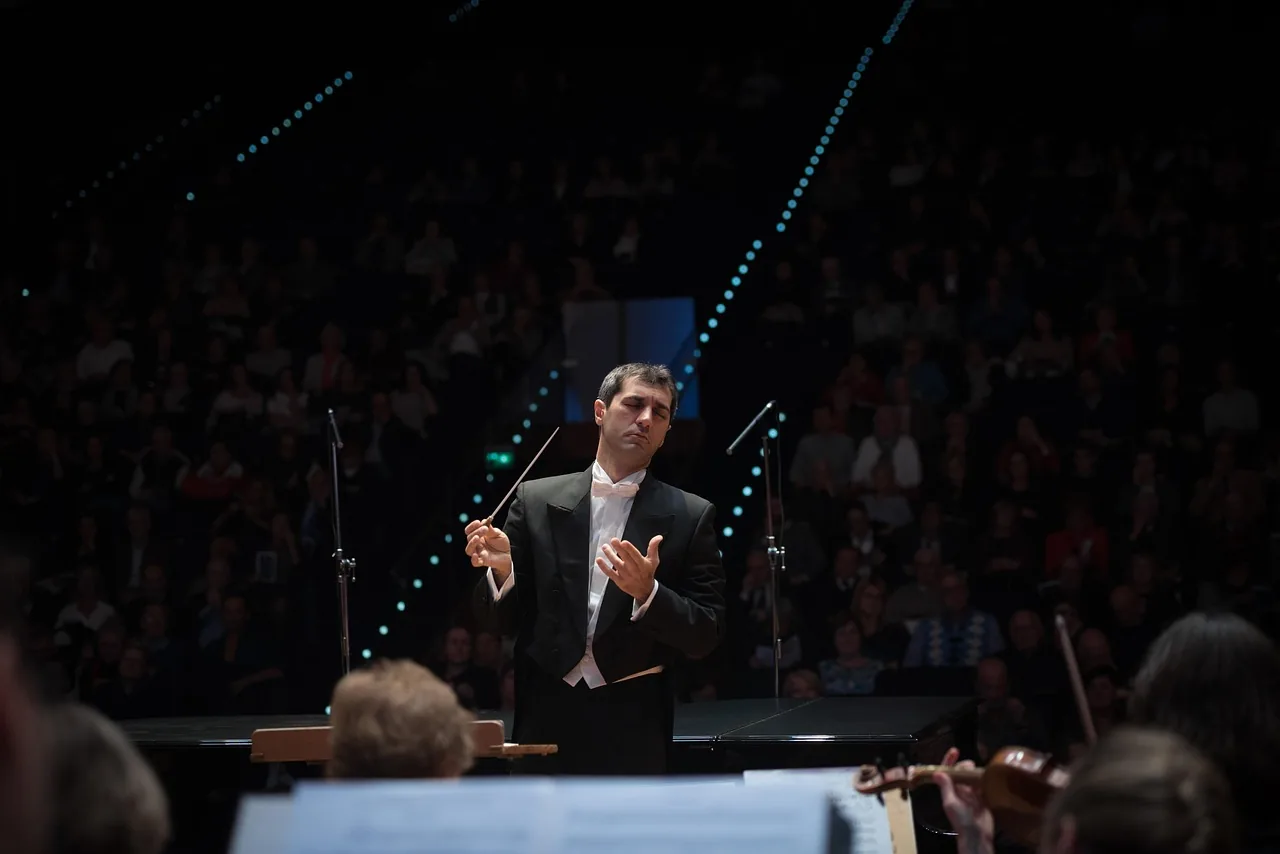
With its emotional richness, classical music creates unforgettable atmospheres. In The Pianist, for example, Chopin’s nocturnes convey profound sadness and quiet resilience. “Music is the soul of cinema,” as one director put it, and the phrase feels particularly apt here. Every score seems to vibrate with the passion of those who perform it.
Death and life are recurring themes in these melodies. Symphonies, with their shifts in intensity, evoke poignant scenes. A pianist who has mastered their instrument can create a melancholy or euphoric atmosphere and take the audience on an emotional journey.
| Element | Description | Example | Emotional impact |
|---|---|---|---|
| Emotion | Conveying deep feelings | Chopin’s nocturnes | Evokes profound sadness |
| Death | Poignant scenes | Funeral melodies | Honors a loss |
| Passion | Intense expression | Piano performances | Conveys inner strength |
| Symphony | Narrative structure | Works by Chopin | Creates dramatic tension |
Passion is reflected in every note and every silence. With their narrative structure, symphonies guide viewers through scenes of sadness or intense euphoria. Music thus becomes an integral part of the story and deepens the emotional experience.
Ultimately, classical music in cinema is far more than accompaniment. It creates unforgettable atmospheres and evokes emotions that remain in the audience’s memory. Every melody and every symphony helps shape filmmaking and offers a distinctive emotional experience.
The legacy of classical composers in film soundtracks
The legacy of classical composers is deeply reflected in contemporary film soundtracks. Modern musicians draw on this rich repertoire to create works that transcend time.
Modern reinterpretations and inspirations
Reinterpretations of classical music bring a timeless quality to films. Composers such as John Williams and Hans Zimmer, for example, draw on classical symphonic structures to create compelling atmospheres. These compositions span eras and offer a distinctive aesthetic that evolves over time.
Contemporary musicians such as Sting and Elton John incorporate classical arrangements into their compositions, demonstrating the lasting influence of classical techniques on modern music. This blend of classical aesthetics and modern styles creates a rich, moving sound.
From cinema to musical masterpieces
Musicians play a central role in the film industry. They use older scores to strengthen a film’s visual and sonic impact. Composers have, for example, brought works by Beethoven and Wagner into modern settings while preserving their emotional essence.
This adaptation shows how the aesthetic of film soundtracks is renewed by the legacy of the great masters. Each composition becomes a bridge between past and present, offering a distinctive perspective on music’s evolution.
Ultimately, the legacy of classical composers continues to shape film soundtracks, giving them exceptional emotional and narrative richness. Discover how these timeless melodies continue to inspire contemporary creators.
Conclusion
Classical music has left an indelible mark on cinema. Drawing on a rich heritage that has evolved over centuries, its styles have been adapted to directors’ needs. The transformative effect of these melodies has strengthened stories and reshaped the visual experience.
With its emotional depth, classical music has an essential place in storytelling. Inspired by the classical masters, composers continue to create soundtracks that transcend time. The artistic world of cinema owes much to this union of music and image, which has helped shape memorable scenes.
Over the centuries, classical music has found a place in many genres and offered a distinctive perspective on how styles evolve. Discover how this musical tradition continues to inspire contemporary creators and carry forward a timeless sonic legacy.
FAQ
What historical impact has classical music had on cinema?
What are the most famous examples of classical music in films?
How does classical music heighten emotion in film scenes?
What role do classical composers play in creating film soundtracks?
Are there modern examples of classical music in contemporary cinema?
How does classical music contribute to a film’s visual aesthetic?
What effect does classical music have on an audience during a screening?
Source links
- https://en.wikipedia.org/wiki/2001:_A_Space_Odyssey
- https://en.wikipedia.org/wiki/Film_score
- https://en.wikipedia.org/wiki/Film_score
- https://www.microsilloneditions.fr/en/studying-film-music-from-a-musicological-perspective/
- https://en.wikipedia.org/wiki/Film_score
- https://en.wikipedia.org/wiki/Film_score
- https://www.wunderkammern.fr/en/classical-music-and-cinema-a-love-story/
- https://en.wikipedia.org/wiki/Film_score
- https://en.wikipedia.org/wiki/Film_score
- https://journals.sagepub.com/doi/abs/10.1177/0305735619835019
- https://pubmed.ncbi.nlm.nih.gov/41175882/
- https://en.wikipedia.org/wiki/Classical_music
- https://en.wikipedia.org/wiki/Film_score
- https://en.wikipedia.org/wiki/Film_score
- https://www.musiclassics.fr/en/how-does-classical-music-influence-other-music-genres/