


The classical guitar occupies a central place in music history, spanning eras and establishing itself in the classical repertoire. This versatile instrument, with its 6 strings made of nylon and nickel-wound nylon, has evolved while remaining true to its roots.
From its beginnings 3,500 years ago in Egypt, the classical guitar has developed over the centuries and influenced many musical styles. In the nineteenth century, it took on its definitive form and became a mainstay of classical music.
Today, the classical guitar is used in styles ranging from early music to bossa nova. Legendary artists such as Narciso Yepes and Paco de Lucía have shaped its history.
Joaquín Rodrigo’s Concierto de Aranjuez remains an essential masterpiece. Paco de Lucía learned it in 20 days, illustrating the classical guitar’s expressive power.
Explore the evolution of this iconic instrument, from its origins to the present day, through historical facts and expert analysis.
General introduction
The classical guitar, with its 6 nylon strings, occupies a central place in the French musical landscape. Its history stretches back several centuries and has influenced a variety of musical styles.
The guitar in France
In the seventeenth century, the Baroque guitar grew in popularity, gradually replacing the lute. Musicians such as Robert de Visée contributed to its repertoire by composing pieces for the French court.
The Voboam guitar makers, renowned for their craftsmanship, produced fine instruments and marked the height of the guitar’s popularity in France.
Aims of this guide
This guide traces the evolution of the classical guitar from its origins to the present day. It explores technical innovations and the contributions of great guitarists.
Readers will learn about the current challenges and recent developments surrounding this iconic instrument, deepening their understanding of its role in classical music.
Origins: from the lute to the Baroque guitar
The history of the classical guitar has roots in ancient instruments that predate its modern form. The lute, a plucked string instrument, played a central role in the guitar’s evolution.
Early beginnings: the lute, tambur and antiquity
The lute, in its many forms, has endured through the centuries. The tambur and the lute share ancestry dating back to antiquity. These plucked string instruments marked the beginning of a long musical evolution.

The gut strings used at the time shaped the sound of these early instruments. Their construction techniques, though rudimentary, laid the foundations for instruments to come.
From the Renaissance to the Baroque guitar
During the Renaissance, the lute evolved, giving rise to the Baroque guitar. This transformation brought significant structural changes that adapted the instrument to the musical needs of the period.
The Baroque guitar, smaller than its classical successor, used gut strings. Although different from modern strings, they produced a distinctive sound that captivated musicians of the time.
Instrument makers of the period, including members of the Voboam family, contributed to the Baroque guitar’s development. Their craftsmanship produced fine instruments suited to the demands of composers and performers.
Composers such as Robert de Visée expanded the Baroque guitar repertoire and left a lasting musical legacy. Their works continue to inspire guitarists today.
To learn more about the history of the guitar and its evolution, see this detailed article.
Technical innovations and the instrument’s evolution
Technical advances transformed the classical guitar’s sound and playability. Instrument makers played a key role in these innovations.
Advances in guitar making and their impact
Guitar makers made crucial changes to the instrument’s structure. For example, steel strings replaced gut strings, improving sound and durability. These changes allowed the guitar to project a louder, clearer sound.
| Innovation | Benefits |
|---|---|
| Steel strings | Greater durability and a clearer sound |
| Standardized scale length | Improved playability and intonation |
| Reinforced construction | Better sustain and projection |
Antonio de Torres’s role in the guitar’s evolution
Antonio de Torres, a Spanish guitar maker, revolutionized the instrument in the nineteenth century. He standardized the scale length at 650 mm, improving intonation and playability. His innovations made the guitar more expressive and accessible to musicians.
The place of the guitar in classical music
The classical guitar, with its 6 strings, occupies a central place in music history. It has endured through the ages and established itself in the classical repertoire. Its stylistic development and its inclusion in the works of great composers have shaped its legacy.
The instrument’s historical and traditional roots
The classical guitar’s roots lie in ancient instruments that predate its modern form. In the seventeenth century, the Baroque guitar grew in popularity, gradually replacing the lute. Musicians such as Robert de Visée contributed to its repertoire by composing pieces for the French court.
The Voboam guitar makers, renowned for their craftsmanship, produced fine instruments and marked the height of the guitar’s popularity in France. These innovations helped the guitar project a louder, clearer sound.
Influence on composers and the classical repertoire
The guitar influenced many composers and helped develop music written specifically for it. For example, Joaquín Rodrigo’s Concierto de Aranjuez remains an essential masterpiece. Paco de Lucía learned it in 20 days, illustrating the classical guitar’s expressive power.
Legendary artists such as Narciso Yepes and Paco de Lucía have shaped the instrument’s history. To learn more about the history of the guitar and its evolution, see this detailed article.
Comparing classical, folk and flamenco guitars
Although classical, folk and flamenco guitars are all acoustic instruments, they have striking differences. Differences in their construction and sound affect playing style and performance possibilities.
Distinctive sound and technical features
The Spanish guitar, also known as the classical guitar, has a larger body. This gives it a rich, warm sound suited to fingerstyle playing. Its nylon strings, three of which are metal-wound, produce a gentle tone.
The folk guitar, by contrast, uses high-tension steel strings. They produce a brighter, more metallic sound, well suited to chords and strumming. Its smaller body and longer neck make it easier to play.
The flamenco guitar has a more compact resonating body. Its clear, percussive sound and lighter strings facilitate techniques such as rasgueado. A thinner soundboard makes the strings more responsive.
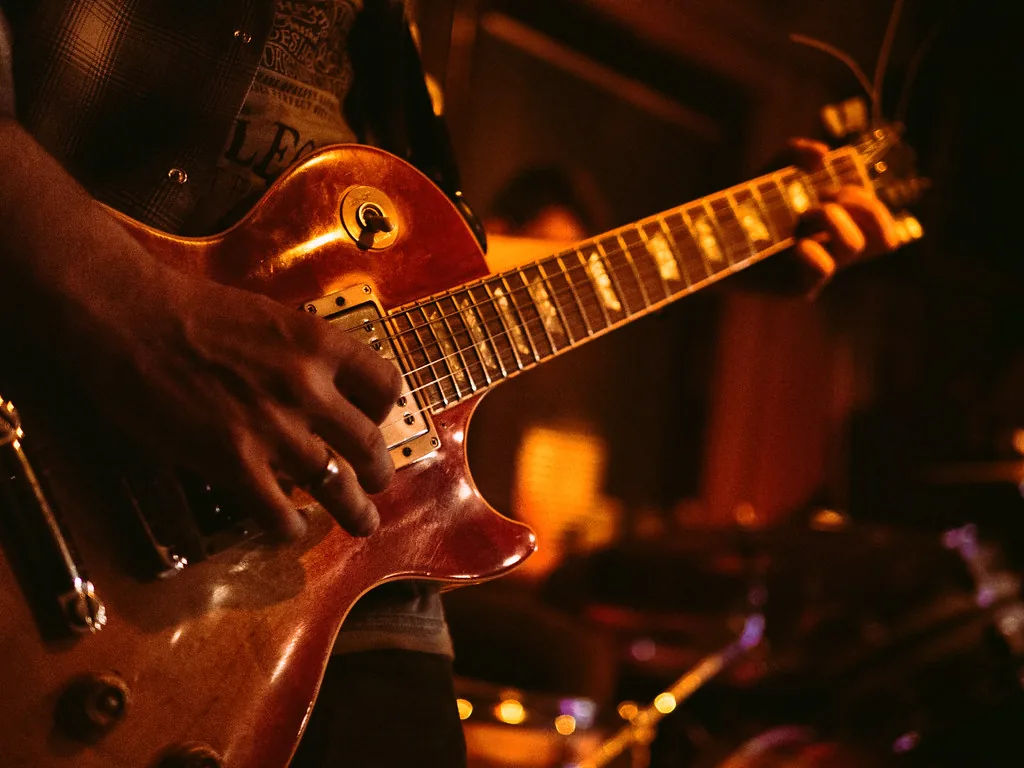
Like the violin, each type of guitar has its own characteristics. Differences in the body and strings guide musicians toward particular playing styles. Explore these differences in detail to choose an instrument that suits your musical ambitions.
The guitar in contemporary and popular music
In today’s musical landscape, the guitar plays a central role across styles. From the golden age of the blues to the arrival of the electric guitar, it has become a mainstay of popular music.
From the blues to the electric guitar era
The blues, which emerged in the United States in the late nineteenth century, marked the beginning of the guitar’s golden age in popular music. Legendary musicians such as B.B. King and John Lee Hooker used it to express deep emotions, laying the foundations for an enduring musical legacy.
The arrival of the electric guitar in the 1930s revolutionized music. Artists such as Jimi Hendrix and Eric Clapton pushed technical boundaries, making the guitar central to rock and jazz. Their worldwide influence illustrates the instrument’s versatility.

Today, the electric guitar dominates styles from pop to metal. Contemporary musicians continue to innovate, using effects such as distortion to create powerful sounds. This era redefined the guitar’s status and brought it to the forefront of music around the world.
Across the ages, the guitar has evolved to meet the needs of musicians and listeners. Its impact on contemporary and popular music is unmatched, making it a universal and essential instrument today.
Playing techniques and learning methods
The classical guitar offers a rich range of playing techniques that combine expression and precision. Learning methods have evolved to meet the needs of beginners and professionals alike.
Fingerstyle playing and the use of a pick
Playing with the fingers is a defining classical guitar technique. It allows great expressiveness and a nuanced sound. The fingers offer a delicacy particularly suited to fingerstyle playing. A pick, on the other hand, is often used for more energetic styles or pieces requiring a more percussive attack.
The difference in sound between these techniques is striking. A pick produces a brighter, sharper sound, while fingerstyle playing produces a softer, deeper tone. The fret plays a crucial role in sound quality because its position and condition directly affect the intonation and clarity of notes.
Teaching methods and innovations for beginners
Learning methods have evolved to make basic techniques easier to master. Modern tablature, for example, clearly shows finger positions on the neck. Combined with exercises that increase gradually in difficulty, this approach helps beginners progress in a structured way.
| Method | Benefits |
|---|---|
| Fingerstyle playing | Expressiveness and tonal subtlety |
| Using a pick | A brighter sound and percussive attack |
| Modern tablature | Clear visualization of finger positions |
Teaching innovations, including techniques inspired by the Suzuki method, emphasize natural progression and learning by ear. These approaches help musicians gain better command of the instrument as they advance beyond the basics.
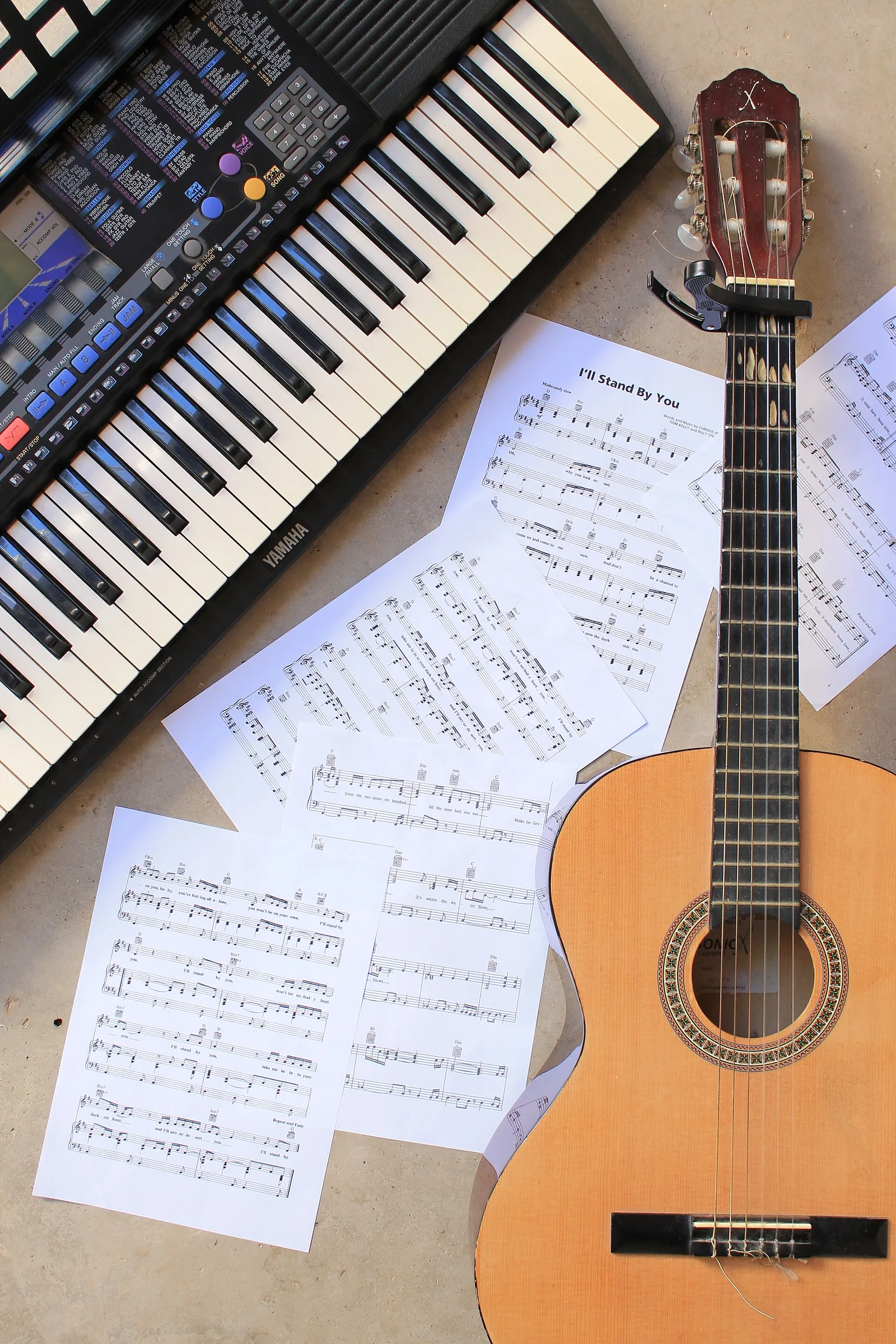
Finally, improvisation exercises and a varied repertoire help musicians develop a broader understanding of the guitar. To learn more about ways to improve musically, consult this resource.
Leading figures and their contributions
The history of the classical guitar has been shaped by exceptional musicians. Through their innovations and performances, these artists made the instrument an icon.
Profiles of great guitarists and composers
Fernando Sor, a master of the classical guitar, left an enduring musical legacy. His work, marked by complex chords and mastery of fingerstyle playing, redefined what the instrument could do. His composition Introduction and Variations on a Theme by Mozart remains an essential masterpiece.
Andrés Segovia brought the guitar to a wider audience in the twentieth century. His performance of Joaquín Rodrigo’s Concierto de Aranjuez, a work that Paco de Lucía learned in just 20 days, symbolizes the instrument’s expressiveness.
Artistic innovations and cultural impact
These artists’ innovations transformed musical culture. Dance and rhythm, ever-present in their compositions, inspired artistic movements around the world. Carlos Santana, for example, blended classical guitar with Latin rhythms to create captivating melodies.
| Artist | Contribution | Impact |
|---|---|---|
| Fernando Sor | Complex compositions | Expansion of the classical repertoire |
| Andrés Segovia | Classical transcriptions | Popularization of the guitar |
| Joaquín Rodrigo | Concierto de Aranjuez | An iconic work |
Discover more about these leading figures and their influence on music history on the Microsillon Éditions website.
Conclusion
From its ancient origins to the present day, the guitar has followed a path rich in innovation and cultural influence. Technical developments, from gut strings to Antonio de Torres’s standardization of its design, have helped it adapt to musicians’ needs over the centuries.
The guitar has shaped classical music by inspiring masterpieces such as the Concierto de Aranjuez. It has also influenced styles ranging from flamenco and jazz to rock. Today, its versatility and capacity to evolve continue to attract musicians and listeners.
New trends, such as the use of modern materials and innovative construction techniques, open up promising possibilities. The guitar remains an iconic instrument, equally at home in classical concert halls and on rock stages.
To deepen your knowledge of the instrument, explore its rich sounds and the stories that have shaped its legend. Combining heritage and modernity, the guitar continues to captivate hearts and minds, offering a unique musical experience every time it is played.
FAQ
What are the origins of the classical guitar?
What is the difference between a classical guitar and a folk guitar?
Who is considered one of the greatest composers for classical guitar?
How has the classical guitar influenced popular music?
What are the basic techniques for playing classical guitar?
What role does the guitar play in contemporary music?
How do you choose a quality classical guitar?
What characterizes the sound of a classical guitar?
How do you maintain a classical guitar?
Source links
- https://www.bsmny.org/instrument-discovery/classical-guitar/
- https://english.elpais.com/culture/2024-12-02/concierto-de-aranjuez-the-musical-milestone-by-paco-de-lucia-that-nobody-wanted-to-finance.html
- https://www.carnegiehall.org/Education/Programs/Music-Educators-Toolbox/5-Exploring-Historical-and-Cultural-Connections-to-the-Guitar
- https://en.wikipedia.org/wiki/Guitar
- https://mim.org/news/guitars-that-changed-music-history/