

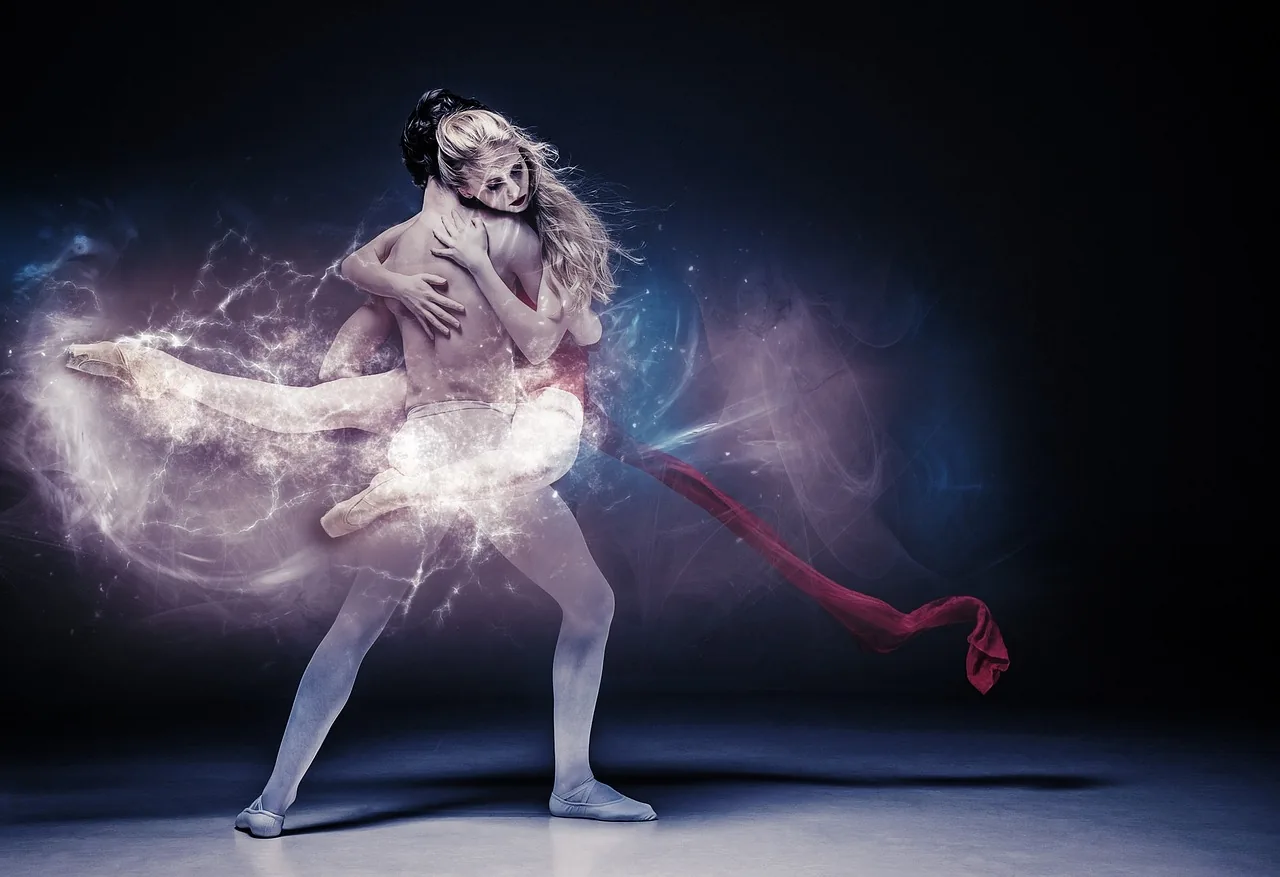
For centuries, classical music and dance have formed an expressive symbiosis unlike any other. This artistic partnership guides dancers’ movements and creates an experience in which every note and every gesture come together in harmony. Onstage, music becomes the dancer’s breath, guiding their emotions and movements with unmatched precision.
Ballet, with its ethereal grace, embodies this union. Carried by the melodies, dancers transcend time and space. Emotion emerges with every step and every chord, creating a timeless connection with the audience. Rooted in history, this partnership continues to inspire contemporary choreographers, who constantly push the boundaries of the art form.
Discover how music and dance continue to reinvent themselves, offering artists and audiences an ongoing dialogue of expression and emotion.
Introduction: where the arts meet
Music and dance first came together centuries ago. Rooted in history, this artistic union gave rise to unique forms of expression. Since the Baroque era, the two disciplines have been intertwined in an ongoing dialogue.
Introducing the subject and its artistic challenges
Synchronizing music and dance is a major artistic challenge. Each movement must respond to a note, and each tempo must guide a gesture. As a recent report notes, this rhythmic precision triggers a strong physical response.
Why this partnership fascinates French audiences
French audiences are particularly receptive to this partnership. Performances combine choreography and musical harmony to create an immersive experience. With its rich cultural heritage, France sees this union as a celebration of art in its purest form.
Movement and musicality, working in perfect harmony, stir deep emotions. This partnership continues to captivate audiences and immerse them in a world of expression and beauty.
The history and evolution of music and dance
The history of dance and music stretches back to distant times marked by profound artistic changes. From the Renaissance onward, the two disciplines entered into a dialogue that brought them to an exceptional level of artistic maturity.
Origins and historical legacy
Historical sources show that classical dance has its roots in the Renaissance. Prominent figures such as Catherine de’ Medici and Louis XIV played key roles in its growth. The Royal Academy of Dance, founded in 1661, was instrumental in developing the techniques and standards that came to define classical dance.
Classical music also underwent remarkable development during this period. Renaissance composers experimented with new musical forms, combining polyphony and harmony to lay the groundwork for scores that accompanied dance.
The emergence of ballet and contemporary forms
Ballet emerged as an art form in the seventeenth century. With the help of visionary choreographers, it gradually incorporated narrative elements. These artists brought music and movement together to create immersive performances.
Today, classical dance continues to reinvent itself. Contemporary choreographers draw on traditional techniques while introducing innovations. Time remains central, guiding the movements of the body to create perfect harmony.
As a report points out, the evolution of dance and classical music reflects an ongoing artistic development that enriches the experience of artists and audiences alike.
The foundations of classical dance
Classical dance rests on a strong technical foundation shaped by centuries of tradition and discipline. Known for its grace and precision, it is a cornerstone of expression onstage.
Technique, grace and discipline
The technical foundations of classical dance include mastery of movement, posture and bodily control. Combined with powerful artistic expression, these elements enable dancers to bring a work to life onstage. Discipline is essential to performing complex figures with style and elegance.
The influence of the Royal Academy of Dance
The Royal Academy of Dance, founded in 1661, played a key role in codifying techniques and passing on standards. It laid the foundations for a refined, formal style that continues to inspire artists around the world. The academy organized movements and established a rigor that remains central to dancers’ training.
| Element | Description | Importance |
|---|---|---|
| Technique | Mastery of movements and postures | Foundation for precise execution |
| Discipline | Bodily control and adherence to rules | Essential to artistic coherence |
| Expression | Conveying emotions through movement | Creates a connection with the audience |
| Style | Elegance and visual aesthetics | Distinguishes classical dance from other styles |
With its unique style, classical dance has established itself as a universal art form. Its influence reaches across the world, inspiring generations of artists. Onstage, every movement and gesture becomes part of a living work, offering audiences an unparalleled form of artistic expression.
Classical music and dance: a perfect partnership
Classical dance finds its essence in perfect synchronization with music. Every gesture is guided by the notes, creating a harmony unlike any other. Composers such as Pierre Boulez have made their mark on history with scores that inspire dancers’ movements.
French audiences are particularly receptive to this partnership. Performances combine choreography and melody to create an immersive experience. With its rich cultural heritage, France celebrates this union as art in its purest form. Dancers’ technical gestures, synchronized with the music, stir deep emotions.
| Composer | Work | Influence |
|---|---|---|
| Pierre Boulez | Le Marteau sans maître | A source of inspiration for contemporary dance |
| Leonard Bernstein | West Side Story | A fusion of dance and music |
| John Nelson | American concerts | Harmony between music and movement |
With its unique style, classical dance has established itself as a universal art form. Its influence reaches across the world, inspiring generations of artists. Onstage, every movement and gesture becomes part of a living work, offering audiences an unparalleled form of artistic expression.
The role of rhythm and precision in dance
Rhythm and precision are the pillars of choreographic expression. These essential elements guide dancers’ movements, creating a visual and auditory symphony. Every tempo and cadence contributes to an immersive experience in which musical form blends with graceful gestures.
The importance of tempo in choreography
Tempo plays a key role in synchronizing movements. A recent study highlights how rhythmic precision helps bring choreography into harmony. Onstage, each note guides the dancer, creating a symphony of gestures. Repetition and synchronized movement strengthen this partnership, producing a coherent and captivating performance.
Synchronization onstage
Perfect synchronization between music and movement lies at the heart of classical dance. Choreographers use musical structure to create moving visual forms. In The Rite of Spring, for example, Igor Stravinsky’s score guides every gesture of the dancers, creating an intense artistic experience.
| Element | Description | Importance |
|---|---|---|
| Tempo | The rhythm and speed of the music | Guides dancers’ movements |
| Synchronization | Harmony between gestures and notes | Creates a coherent performance |
| Form | Musical and choreographic structure | Establishes a visual and auditory relationship |
| Repetition | Regular practice of movements | Improves precision and harmony |
Rhythmic precision and synchronization are essential to a memorable stage experience. They create perfect harmony between music and movement, giving audiences a performance that is both technically accomplished and moving.
Inspiration and emotion in artistic performance
When a melody sounds, it awakens the artist’s inspiration. Music, with its notes and silences, becomes the universal language of the soul. In dance, this artistic alchemy takes the form of movements that go beyond simple gestures to express emotion.
How music stirs emotions in the body
Through its power and regularity, rhythm often provokes a strong physical response. A recent study highlights how rhythmic precision helps bring choreography into harmony. Onstage, each note guides the dancer, creating a symphony of gestures. Repetition and synchronized movement strengthen this partnership, producing a coherent and captivating performance.
Artists in both music and dance play a central role in creating living works. Their collaborations produce performances in which every movement and every note come together in harmony. Rhythm, in particular, structures this harmony and guides dancers with unmatched precision.
The “march,” with its driving rhythm, becomes a metaphor for intensity and structure. In Igor Stravinsky’s The Rite of Spring, for example, rhythm guides every gesture of the dancers, creating an intense artistic experience. This kind of rhythmic structure is essential to a performance that is both technically accomplished and moving.
Discover how music and dance continue to reinvent themselves, offering artists and audiences an ongoing dialogue of expression and emotion.
The influence of minimalist music on contemporary dance
Minimalist music, which emerged in the 1960s, marked a turning point in the arts. Its repetitive structures and insistent rhythms have inspired many contemporary choreographers.
Experiments by choreographers such as Lucinda Childs
Through her collaborations with Philip Glass, Lucinda Childs learned to make use of this soundscape. Her choreographies, such as Music for 18 Musicians, highlight musical energy and precision of movement. This partnership creates intense emotion, with each gesture responding to a note.
A dialogue between repetitive structure and bodily expression
Repetition in minimalist music guides dancers while giving them freedom of expression. The use of stage space is crucial because it heightens the visual and emotional impact. This interaction has developed since the classical era, paving the way for a freer, more contemporary form of expression.
| Element | Description | Influence |
|---|---|---|
| Repetitive structure | Repeating melodies and rhythms | Guides dancers’ movements |
| Musical energy | Intensity and dynamism | Stirs deep emotion |
| Stage space | Use of space | Heightens bodily expression |
Discover how music and dance continue to reinvent themselves, bringing energy and emotion together.
A diversity of styles: from ballet to hip-hop
Dance is an ever-evolving art that reflects extraordinary cultural richness. From classical ballet to the urban rhythms of hip-hop, each style tells a story shaped by centuries of influence and creativity.
Contrasts between classical dance and modern dances
Ballet, which emerged in the sixteenth century, is rooted in a rigorous tradition of precise techniques and refined aesthetics. By contrast, hip-hop, born in the twentieth century, expresses freedom and spontaneity through dynamic movements and a deep connection with contemporary music.
Modern dances such as salsa and bachata, which originated in the Caribbean, combine captivating rhythms with infectious energy. Popular at parties and festivals, these styles celebrate cultural diversity and the joy of living.
The connection between tradition and innovation
Every era has left its mark on dance. The nineteenth century saw the emergence of Romantic ballet, while the twentieth century welcomed modern jazz and hip-hop. Though distinct, these styles share one spirit: the expression of human emotions.
Parties and festivals, such as tango milongas and dancehall competitions, provide places for these traditions to meet. They offer opportunities to celebrate this diversity and create new artistic experiences.
The mutual influence of music and movement
Linked by an invisible thread, music and dance inspire each other. A melody can guide a dancer’s steps, while movement can inspire new compositions. This symbiosis creates unique performances in which every note and gesture come together in harmony.
Whether classical or contemporary, dance remains a universal language. It crosses borders, unites cultures and continues to flourish across the centuries, offering the world an ever-renewed spectacle of beauty and emotion.
The impact of musical innovations on choreography
Contemporary musical innovations, such as the inclusion of urban genres, are redefining the boundaries of choreography. These developments encourage new forms of expression in which traditional discipline blends with creative freedom.
Experimentation and modernity in the service of movement
Contemporary music, with its repetitive structures and dynamic rhythms, inspires choreographers. For example, performances such as Philip Glass’s Music for 18 Musicians show how experimentation with sound transforms movement and creates a unique performance.
The moment onstage is crucial. A well-placed note or silence can intensify emotion and guide dancers toward precise gestures. This synchronization is essential to a coherent and captivating performance.
Movement crosses the boundaries between classical and contemporary styles. Hip-hop, with its breaks and improvisation, is now incorporated into traditional choreography. This fusion creates rich and varied artistic expression.
Technical and creative development is striking. Dancers must master several styles, combining discipline with innovation. This versatility allows them to move across eras and cultures, offering a universal artistic experience.
Relationships and interactions between dancers and musicians
The relationship between dancers and musicians lies at the heart of every artistic performance. Their interaction creates a unique dialogue in which every movement and note come together in harmony. Onstage, this exchange becomes a conversation between two disciplines, guided by experimentation and innovation.
Artistic dialogue onstage
The artistic dialogue between dancers and musicians rests on mutual understanding. Every musical interpretation finds an echo in the dancers’ movements, and vice versa. This close relationship allows them to cross artistic boundaries and offer audiences a unique experience.
Shared interpretation and creativity
A shared interpretation of a work is the result of close collaboration. Dancers and musicians work hand in hand and share their artistic vision. This joint creativity produces performances in which emotion and expression blend harmoniously.
| Element | Description | Influence |
|---|---|---|
| Ensemble | Close collaboration between dancers and musicians | Creates a coherent and moving performance |
| Experimentation | Exploration of new forms of expression | Enables innovation and artistic renewal |
| Ability | Capacity to convey a shared emotion | Strengthens the connection with the audience |
| Opera | A production incorporating music and dance | An example of this artistic partnership |
The relationship between dancers and musicians is essential to creating a complete artistic experience. It rests on close collaboration, constant experimentation and an ability to convey a shared emotion. The magic of the stage lies in this exchange.
Discover how music and dance continue to reinvent themselves, offering artists and audiences an ongoing dialogue of expression and emotion.
Conclusion
The symbiosis between music and movement explored in this article reveals an artistic relationship deeply rooted in history. Since the Renaissance, the two disciplines have evolved together, guided by a constant search for expression and emotion. Today, contemporary dance embodies this partnership, offering a unique means of artistic creation.
The points discussed show how music and dance nourish each other. Their historical development, from the classical era to contemporary dance, demonstrates their continuing adaptation to cultural and artistic change. This partnership drives creation, as every gesture and note come together to stir universal emotions.
Contemporary dance offers a powerful means of exploring new forms of expression. By bringing together traditional and modern elements, it continues to captivate audiences and offer timeless creations. This ever-changing artistic form invites us to appreciate the richness of this partnership.
FAQ
What is the relationship between classical music and dance?
What are the different forms of classical dance?
How does rhythm influence choreography?
How has minimalist music influenced contemporary dance?
Why is precision important in classical dance?
How does music stir emotions through dance?
Which musical innovations have shaped choreography?
What is the difference between classical and contemporary dance?
How do dancers and musicians collaborate?
What impact does dance have on society?
Source links
- https://www.metmuseum.org/essays/the-ballet
- https://www.metmuseum.org/essays/the-ballet
- https://www.metmuseum.org/essays/the-ballet
- https://www.metmuseum.org/essays/the-ballet
- https://www.metmuseum.org/essays/the-ballet
- https://www.metmuseum.org/essays/the-ballet
- https://www.metmuseum.org/essays/the-ballet
- https://www.metmuseum.org/essays/the-ballet
- https://www.metmuseum.org/essays/the-ballet
- https://www.metmuseum.org/essays/the-ballet
- https://www.metmuseum.org/essays/the-ballet
- https://www.metmuseum.org/essays/the-ballet
- https://www.metmuseum.org/essays/the-ballet
- https://www.metmuseum.org/essays/the-ballet
- https://www.metmuseum.org/essays/the-ballet
- https://www.metmuseum.org/essays/the-ballet
- https://www.metmuseum.org/essays/the-ballet
- https://www.metmuseum.org/essays/the-ballet
- https://www.metmuseum.org/essays/the-ballet
- https://www.metmuseum.org/essays/the-ballet
- https://www.metmuseum.org/essays/the-ballet
- https://www.metmuseum.org/essays/the-ballet
- https://www.metmuseum.org/essays/the-ballet
- https://www.metmuseum.org/essays/the-ballet
- https://www.metmuseum.org/essays/the-ballet
- https://www.metmuseum.org/essays/the-ballet
- https://www.metmuseum.org/essays/the-ballet