

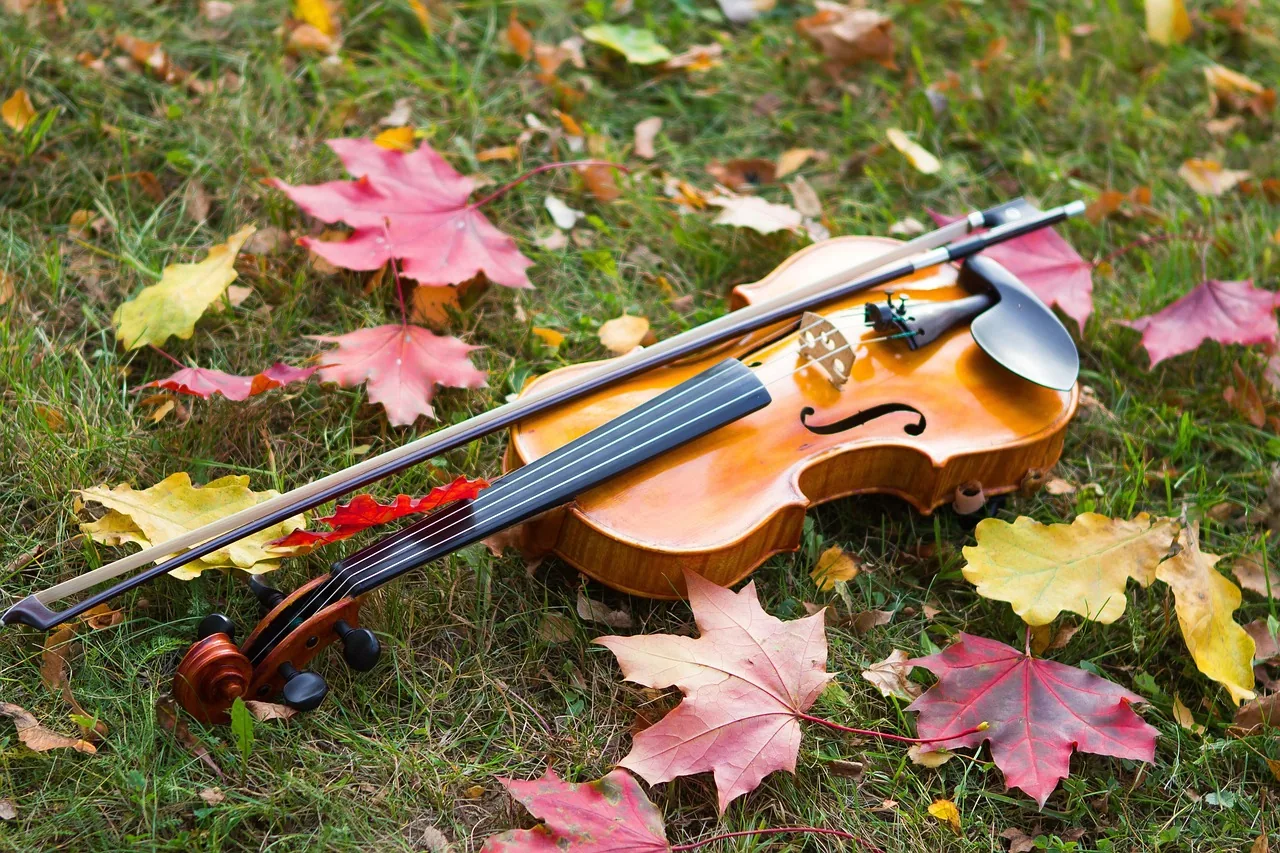
Classical music has always found an inexhaustible source of inspiration in nature. Composers such as Claude Debussy, Ludwig van Beethoven, and Antonio Vivaldi drew on the natural elements to create enduring works. Water, fire, air, and earth influenced their creations, giving rise to symphonies and melodies that evoke landscapes and the emotions associated with nature.
From Vivaldi’s Quattro Stagioni, which portray the seasons with unmatched vitality, to Debussy’s La Mer, which evokes the vastness and power of the ocean, classical music reflects our surroundings. These works are both musical interpretations of the elements and reflections of the composers’ inner lives and their relationships with the world around them.
Through these scores, we discover how nature guided artists’ hands and inspired universal, timeless themes. Discover how these composers captured the essence of nature in their works, offering a distinctive perspective on art and the environment.
Introduction: Exploring the Elements in Music
Let’s explore how classical composers drew inspiration from natural elements to create timeless works. From water to earth, each element has influenced symphonies and melodies that reflect the emotions and landscapes of our world.
Composers such as Vivaldi, with his Four Seasons, captured the essence of the seasons. Their scores, like musical poems, evoke nature’s sounds and silences. The orchestra, with its varied timbres, becomes a soundscape in which each instrument represents an element.
Classical music is both an interpretation of natural landscapes and a reflection of composers’ inner lives. The composer’s role is central: they create a musical world that carries listeners into the heart of nature. In this article, we will explore this close relationship between music and the natural elements through historical examples and innovative musical techniques.
The Historical Legacy of Classical Music and Its Natural Sources
Classical music has drawn on natural elements to create timeless works. Composers such as Lully, Couperin, and Rameau incorporated scenes from nature into their scores, marking the beginning of a deep relationship between art and the environment.
The Baroque Era and Its Pastoral Themes
In the Baroque era, music often evoked idyllic landscapes. French composers such as Jean-Baptiste Lully and François Couperin used pastoral melodies to portray rural life. For example, Rameau’s works incorporate bird calls and watery elements, creating an immersive atmosphere.
Classical and Romantic Revolutions
During the Enlightenment, classical music became more expressive. Beethoven, in his Pastoral Symphony, captured the spirit of nature with melodies that imitate birdsong and murmuring streams. This period marked a turning point: nature became a symbol of freedom and emotion.
“Nature is a celebration that never ends.” — Ludwig van Beethoven
| Period | Composer | Work | Natural elements |
|---|---|---|---|
| Baroque | Lully | Le Bourgeois gentilhomme | Rural landscapes |
| Classical | Beethoven | Pastoral Symphony | Birdsong, streams |
| Romantic | Schumann | Waldszenen | Forests, night |
Across these periods, classical music reflected nature and shaped perceptions of the natural elements. Every score tells a story and connects listeners to a musical world rich in emotion.
Classical Music and Nature: Works Inspired by the Elements
Classical composers often drew inspiration from natural elements to create timeless works. Works such as Ravel’s Daphnis et Chloé and Beethoven’s Pastoral Symphony capture the essence of natural landscapes through melodies that evoke water, wind, or the seasons.
For example, Ravel’s Daphnis et Chloé uses orchestral timbres to portray daybreak and the movements of birds. These compositions reproduce natural sounds while evoking deep emotions and carrying listeners into the heart of nature. Discover how these classical works continue to inspire people today.
Classical music offers a distinctive perspective on the relationship between art and the environment, showing how natural elements can become musical experiences rich in emotion. These works are both interpretations of landscapes and reflections of the composers’ inner lives and their connection to the natural world.
Steps for Exploring the Harmony Between Music and Nature
Discovering the relationship between music and nature can be a rewarding journey. Here are some practical steps to deepen your exploration.
Identify Essential Works and Composers
Start by identifying well-known composers and their major works. Names such as Vivaldi, with his Four Seasons, and Ravel, with his Jeux d’eau, are good examples. These works capture the essence of natural elements through expressive melodies.
Analyze the Symbolism of the Elements
Study the symbols associated with each element. Water, for example, can represent movement and life, while fire symbolizes energy. Debussy’s La Mer illustrates this approach through orchestral timbres that evoke the ocean.
Use Specialized Resources and Guides
Consult music guides or analyses to better understand the techniques used. Online resources and specialist books can offer deeper insights into these works.
| Composer | Work | Natural element |
|---|---|---|
| Vivaldi | Four Seasons | Seasons |
| Ravel | Jeux d’eau | Water |
| Debussy | La Mer | Sea |
These steps will guide your exploration of music and nature, deepening your appreciation of both arts.
Notable Composers and Their Nature-Inspired Masterpieces
The relationship between composers and nature has produced exceptional works. Claude Debussy, Maurice Ravel, and Olivier Messiaen are among the artists who captured the essence of natural elements through music.
Debussy, Ravel, and Messiaen: Poetry in Sound
With Clair de lune, Debussy evoked the gentleness of a moonlit night. Ravel immortalized the movement of water in Jeux d’eau. Messiaen, fascinated by birds, incorporated their songs into his compositions, creating a living symphony.
Mahler, Strauss, and Beethoven: Landscapes and Emotions
Mahler and Strauss used musical landscapes to evoke intense emotions. In his Pastoral Symphony, Beethoven painted a musical picture of the countryside, with each instrument representing a natural element. The orchestra thus becomes a mirror of nature, carrying listeners into the landscape.
The Art of Orchestration in Evoking Nature
Orchestration plays a central role in reproducing natural sounds. Composers use various instruments to imitate birdsong or murmuring water.
Woodwinds such as the flute and clarinet are often used to reproduce birds’ trills. In Debussy’s La Mer, for example, the flutes evoke the movement of waves. Strings can create a watery atmosphere through techniques such as glissando.
| Instrument | Natural element | Technique |
|---|---|---|
| Flute | Bird | Trills |
| Bugle | Water | Legato |
| Strings | Waves | Glissando |
Percussion adds a rhythmic dimension, simulating the lapping of water or the beating of wings. This rich orchestration creates an immersive experience and carries listeners into the heart of nature.
The Descriptive Symphony: Sculpting Soundscapes
The descriptive symphony is distinguished by its ability to evoke complex soundscapes. This musical form, popularized by composers such as Beethoven and Vivaldi, uses instruments to create immersive atmospheres.
Notable Examples: The Pastoral Symphony and The Four Seasons
Beethoven’s Pastoral Symphony is an emblematic example. It imitates natural sounds such as birdsong and murmuring streams. With Four Seasons, Vivaldi uses expressive melodies to portray each season.
The Narrative Approach of Strauss and Haydn
Strauss and Haydn adopted a narrative approach. In Don Quixote, Strauss uses musical themes to tell a story. With The Creation, Haydn evokes the origins of the world through orchestral timbres.
| Composer | Work | Natural element |
|---|---|---|
| Beethoven | Pastoral Symphony | Rural landscape |
| Vivaldi | Four Seasons | Seasons |
| Strauss | Don Quixote | Adventures |
The descriptive symphony combines musical description and emotion, capturing the essence of nature through orchestral timbres and movements.
Music Events Dedicated to Nature in France
France hosts many music events celebrating the harmony between art and the environment. Often held outdoors, these events offer a distinctive experience in which music intertwines with natural beauty.
Fête de la musique and Other Essential Events
Fête de la musique, held on June 21, is one of the most popular events. Many outdoor concerts take place in parks and gardens around nature-related themes. For example, concerts inspired by the soundscapes of the countryside or coast are often presented.
- The Royaumont Festival, located just 30 kilometers from Paris, hosts concerts in an exceptional natural setting. Outdoor performances surrounded by forests and gardens offer a full immersion in music and nature.
- Summer concerts organized by the Orchestre national de France in the gardens of the Musée du Quai Branly feature works inspired by natural elements, such as Debussy’s La Mer.
These events illustrate the harmony between music and the environment. They encourage audiences to leave traditional concert halls and explore new spaces where art and nature meet.
To learn more about these festivals and concerts, consult this guide to classical festivals in France. These events pay a living tribute to the beauty of nature and its influence on music.
The Art of Enjoying Music Outdoors
Outdoor music transforms listening into a moment of escape. Surrounded by natural landscapes, listeners feel a close connection to their surroundings.
Outdoor concerts, such as those held in botanical gardens or on beaches, offer a distinctive experience. Fête de la musique, on June 21, is one example. Orchestras perform in parks, creating harmony between music and nature.
It is easy to organize musical gatherings outdoors. Choose a place with natural resonance, such as a clearing or a lakeside spot. Acoustic or classical music works particularly well there. Bring cushions and drinks for comfort.
| Setting | Concert | Feature |
|---|---|---|
| Botanical garden | Classical | Natural resonance |
| Beach | Jazz | Sea breeze |
| Forest | Folk | Peaceful surroundings |
Outdoor music goes beyond the concert itself. It is a celebration of life where nature and art meet. It creates unforgettable memories and strengthens our connection to the environment.
The Emotional and Sensory Impact of Nature-Inspired Works
Music inspired by nature has a unique emotional power, able to carry listeners into the landscapes that inspired it. Every note, every melody seems to evoke a deep emotion connected to the surroundings that guided the composer’s hand.
Listeners’ Stories and Personal Anecdotes
Many listeners share moving accounts of hearing these works. One listener, for example, describes feeling profound serenity while listening to Beethoven’s Pastoral Symphony, as though the music had carried them into the countryside. These accounts show how vividly music can evoke sensations by bringing sound and emotion together.
| Work | Composer | Emotion evoked |
|---|---|---|
| Pastoral Symphony | Beethoven | Peace and serenity |
| La Mer | Debussy | The ocean’s power |
| Four Seasons | Vivaldi | Joy and vitality |
Music prompts personal responses, and every listener perceives different emotions. This unique connection between sounds and natural landscapes creates an immersive experience and strengthens our bond with nature.
Interpreting Nature Through Musical Performance: Practical Tips
To capture the essence of nature in a musical performance, it helps to absorb the landscapes that inspired it. Artists can draw on the sounds and emotions of the natural world to create works that celebrate the beauty of the environment.
To prepare a nature-themed repertoire, begin by choosing pieces that evoke natural themes: piano melodies recalling murmuring streams, for example, or symphonies imitating the movement of waves. Such choices can carry listeners into the landscape.
For an expressive performance, match the instruments’ playing to the natural setting. Woodwinds such as the flute can imitate birdsong, while strings create a watery atmosphere. These orchestral techniques deepen the sense of immersion.
Add visual elements or lighting to enrich the concert. For example, project images of natural landscapes during the performance. These sensory additions strengthen the connection between music and nature and make the experience more engaging.
Encourage artists to explore the poetic side of performance. By incorporating stories or poems inspired by nature, music becomes a complete art form, uniting sound and image to evoke deep emotions.
How Inspiration from Nature Has Evolved Through the Ages
Inspiration from nature has endured for centuries, shaping works that reflect changes in how we perceive the environment. Each musical era brought its own vision, transforming the sounds and emotions associated with nature.
In the Baroque era, composers such as Vivaldi, with his Four Seasons, used lively melodies to portray the seasons. Discover how these works laid the foundations of a musical tradition rooted in nature.
In the nineteenth century, with composers such as Beethoven and his Pastoral Symphonies, nature became a symbol of emotion and freedom. Later, Debussy evoked the vastness of the ocean in La Mer through innovative orchestral timbres.
Today, contemporary composers continue to explore nature through modern techniques. These works often incorporate environmental recordings, offering a new perspective on the harmony between music and the natural world.
Nature in Music Theory and Composition
Nature has profoundly influenced music theory and composition, inspiring orchestration techniques and complex harmonies. Composers have used natural elements to create works rich in emotion.
Orchestration Techniques and Harmonic Choices
Orchestration techniques play a key role in evoking natural settings. Haydn, for example, used musical motifs imitating birdsong in his symphonies, while Debussy used orchestral timbres to portray the vastness of the ocean.
- Using flutes to imitate birds’ trills.
- Using strings to create watery atmospheres.
- Adding percussion to simulate the movement of waves.
These techniques carry listeners into natural landscapes and offer an immersive experience.
Choosing Harmonies and Arrangements
Composers choose harmonies and arrangements to evoke particular sensations. Strauss, for example, uses dissonant chords to represent storms, while Debussy favors impressionist harmonies to evoke the gentleness of water.
| Composer | Technique | Natural element |
|---|---|---|
| Haydn | Imitative motifs | Birdsong |
| Debussy | Orchestral timbres | Ocean |
| Strauss | Dissonant chords | Storm |
These nature-inspired methods enrich compositions and heighten their emotional impact.
To learn more about these techniques and how they are applied, consult the educational guide to music and nature.
Conversations Between Visual Art and Classical Music
Visual art and classical music have long had a rich, inspiring dialogue. Paintings and landscapes have often guided composers, influenced their scores, and given rise to timeless works.
The Influence of Paintings on Musical Scores
Visual artists such as Georges Seurat and Vincent van Gogh have inspired many composers. For example, Seurat’s pointillist technique encouraged musicians to explore complex rhythms. Van Gogh’s vibrant landscapes inspired expressive melodies.
“Art is the freedom of the mind in the expression of things.” — Wassily Kandinsky
Some musical works, including those of Claude Debussy, evoke the atmosphere of famous paintings. Debussy’s La Mer, for example, evokes the vastness of the ocean like a Turner painting.
Landscapes have also played a key role in defining musical styles. Portraits and scenes from nature guided composers toward universal themes, transforming visual elements into musical experiences.
Composers have often been influenced by the aesthetics of paintings. Seurat’s A Sunday Afternoon on the Island of La Grande Jatte, for example, inspired structured, rhythmic musical compositions.
The parallel between musical and visual composition is striking. As in a painting, a score combines elements such as timbre, rhythm, and melody to create a coherent, moving work.
This interaction between visual art and classical music continues to inspire contemporary artists, offering a distinctive perspective on how different art forms can influence one another.
The Immersive Experience of a Nature-Inspired Work
The immersive experience of nature-inspired music carries listeners into the landscapes that shaped it. Every note, every melody seems to evoke an emotion deeply connected to the surroundings that guided the composer’s hand.
Art installations such as Ugo Rondinone’s nuns + monks, where music blends with soundscapes, create an immersive atmosphere. Outdoor concerts, such as those held in forests or botanical gardens, offer a distinctive experience. Fête de la musique, on June 21, is one example: orchestras perform in parks, creating harmony between music and nature.
Modern examples of artistic immersion include Björk’s album Biophilia, which incorporates interactive technologies to evoke natural elements. Olivia Gay’s unamplified concerts in forests protect wildlife and plants while offering a pure, immersive musical experience.
Acoustics and surroundings play a crucial role in musical immersion. Natural spaces such as forests and lakes offer a distinctive resonance that heightens music’s emotional impact. Listeners’ accounts describe experiences in which music carried them into vibrant landscapes, strengthening their connection to nature.
Experience these unique moments when nature-inspired music becomes a celebration of life and art. The power of these sensory experiences can help you feel a deep connection to the environment and offer a distinctive perspective on art and nature.
Conclusion
The relationship between music and nature reveals a deep harmony. For centuries, composers have drawn inspiration from landscapes and natural elements to create enduring works. From Vivaldi to contemporary composers, this inspiration has evolved over time, reflecting our emotional connection to the environment.
Historical examples such as Beethoven’s Pastoral Symphony and Debussy’s La Mer show how music can evoke universal emotions. Today, the tradition continues through artists who incorporate natural sounds or ecological themes into their compositions.
To explore this relationship, we encourage readers to discover these works and attend outdoor concerts. These experiences offer a distinctive perspective on art and nature and strengthen our connection to life and the beauty of the world around us.
FAQ
How does nature influence classical composers?
What are the best-known classical works inspired by nature?
How do orchestras evoke natural sounds?
What is a descriptive symphony?
Where can you attend nature-inspired outdoor concerts in France?
How can classical music strengthen our connection to nature?
Which composers are especially known for nature-inspired works?
How does classical music evoke emotions associated with nature?
Source links
- https://www.notrenature.be/article/nature-et-musique-un-duo-gagnant
- https://www.radiofrance.fr/francemusique/folle-journee-2016-la-musique-classique-a-l-heure-du-rechauffement-climatique-4068857
- https://en.wikipedia.org/wiki/Program_music
- https://en.wikipedia.org/wiki/Pastoral
- https://en.wikipedia.org/wiki/Classical_music
- https://fr.wikipedia.org/wiki/Histoire_de_la_musique_classique_occidentale
- https://shs.hal.science/halshs-03090275v1/document
- https://en.wikipedia.org/wiki/Daphnis_et_Chlo%C3%A9
- https://www.pianobalad.com/blog/la-beaute-intemporelle-de-la-musique-classique-au-piano
- https://en.wikipedia.org/wiki/Romantic_music
- https://en.wikipedia.org/wiki/Musicology
- https://en.wikipedia.org/wiki/Sound_art
- https://en.wikipedia.org/wiki/Orchestration
- https://fr.wikipedia.org/wiki/Liste_d%27%C5%93uvres_de_musique_classique_utilis%C3%A9es_dans_la_culture_populaire
- https://en.wikipedia.org/wiki/Recomposed_by_Max_Richter:_Vivaldi_%E2%80%93_The_Four_Seasons
- https://en.wikipedia.org/wiki/Musical_festival
- https://books.openedition.org/pul/3221
- https://en.wikipedia.org/wiki/Peter_and_the_Wolf
- https://en.wikipedia.org/wiki/Classical_music
- https://en.wikipedia.org/wiki/Sound_art
- https://en.wikipedia.org/wiki/Soundscape
- https://en.wikipedia.org/wiki/Environmentalism_in_music
- https://www.royaumont.com/en/concerts/
- https://www.abbaye-mont-saint-michel.fr/en/agenda/mont-saint-michel-and-its-bay-music-festival-via-aeterna3
- https://books.openedition.org/septentrion/69313
- https://www.maisondelaradioetdelamusique.fr/actualites/nature-immense-impenetrable-et-fiere
- https://musees.angers.fr/fileadmin/plugin/tx_dcddownloads/musique_mba_01.pdf
- https://en.wikipedia.org/wiki/Music_and_emotion
- https://en.wikipedia.org/wiki/Romantic_music
- https://en.wikipedia.org/wiki/Ethnomusicology
- https://en.wikipedia.org/wiki/Classical_music
- https://books.openedition.org/pur/181382
- https://en.wikipedia.org/wiki/Program_music
- https://www.agoravox.fr/culture-loisirs/culture/article/la-nature-dans-la-musique-164417
- https://en.wikipedia.org/wiki/Musicology
- https://en.wikipedia.org/wiki/Music_theory
- https://en.wikipedia.org/wiki/Musical_composition
- https://en.wikipedia.org/wiki/Music_and_emotion
- https://en.wikipedia.org/wiki/La_mer_(Debussy)
- https://pad.philharmoniedeparis.fr/musique-et-arts-visuels-xix-xx-siecles.aspx?_lg=fr-FR
- https://www.tf1info.fr/societe/podcast-olivia-gay-violoncelliste-jouer-ma-musique-en-foret-est-ma-maniere-de-sensibiliser-aux-enjeux-environnementaux-2282361.html
- https://en.wikipedia.org/wiki/Biophilia_(album)
- https://www.symphozik.info/quand-la-musique-inspire-les-peintres,405,dossier.html
- https://les-bases-en-art.com/comment-la-nature-comme-source-dinspiration-peut-vous-aider-a-creer/
- https://en.wikipedia.org/wiki/Classical_music