


Choosing an instrument is about more than looks or budget. The real question is this: would you prefer a manageable instrument with a clear sound, or a larger one with a deep, warm sound?
This article helps you decide based on your experience, comfort (weight and posture), musical style (jazz, classical, pop), and budget in France.
The main difference in sound is simple: one has a clearer, brighter tone, while the other sounds richer and deeper. That contrast can affect both your motivation and your repertoire.
We also cover transposition (E♭ and B♭), which is often overlooked when playing in a group. Other saxophones exist, including soprano and baritone, but this article focuses on the two most common types.
Here is what we will cover: understanding the woodwind family → choosing according to your needs → comparing technique and sound → considering budget and models → preparing a checklist for trying an instrument. For more guidance, read this guide to choosing an instrument.
Understanding the saxophone family and where alto and tenor fit
Before choosing, it helps to understand where these instruments belong and how they make their sound.
Why is the saxophone classified as a woodwind?
The answer lies in the reed: attached to the mouthpiece, it vibrates to produce sound. Even though its body is made of metal, that method of producing sound makes the saxophone a woodwind rather than a brass instrument.
A quick overview of the different types
From highest to lowest, the family includes sopranino, soprano, alto, tenor, baritone, bass, and sometimes contrabass.
For learning and playing in a group, beginners are often advised to start with alto or tenor. Both are versatile and appear in many kinds of music.
Transposition: E♭ and B♭, and what they mean
The alto is in E♭ and the tenor is in B♭: both are transposing instruments. In practical terms, when you play a written C, the ensemble hears a different pitch depending on which saxophone you play.
For a simple example, if you read a G from a piano score, a B♭ instrument must play a different written note to sound the same pitch as the piano. You just need to account for this when rehearsing together.
Historical background
Adolphe Sax conceived the instrument in the early 1840s, presented it in 1841, and patented it in 1846. Its combination of metal body and reed helps explain its versatility.
In practice, knowing this history can help you choose based on how you will actually play, rather than on assumptions. For more detailed buying advice, read our full comparison of alto and tenor saxophones.
Alto or tenor saxophone: which suits your needs?
Your age, build, and musical goals often help determine the best instrument to start with.
Beginners: why the alto is often recommended
The alto remains a dependable choice for beginners. It is lighter, easier to handle, and generally makes it easier to produce a steady sound.
You can get comfortable with it quickly, which reduces frustration and encourages regular practice.
Starting directly on tenor: when is it realistic?
Choosing a tenor saxophone from the start can make sense if you want to play jazz and love its lower tone.
Be prepared, though, for a heavier instrument and a greater demand on your breath.

Age, build, and comfort
For a child, hand size and breath control often point toward the alto. A teenager or adult may be comfortable with a tenor if the strap and playing posture are right.
Musical goals and practical considerations
- Music school: the alto often fits more readily into lessons and orchestras.
- Band and jazz: the tenor can be especially rewarding for a motivated soloist.
- Returning after years away: start with whichever option feels most comfortable as you get back into playing.
| Player | Advantage | What to consider |
|---|---|---|
| Young beginner | Light weight, ease of use | Hand size, breath control |
| Adult beginner | Quick progress | Transport, posture |
| Jazz enthusiast | The sound you want | Initial effort, weight |
Tip: choose the instrument whose sound you love. Enjoying its sound makes it easier to practise regularly and improve.
For practical buying advice, read our beginner’s guide before trying one in a shop.
Main technical differences between alto and tenor saxophones
A few technical differences affect how comfortable these two instruments feel and how they sound.
Size, weight, and ergonomics
Size and weight change the playing experience: an alto weighs around 2.5 kg, compared with about 3.5 kg for a tenor. An extra kilogram becomes noticeable after 45 to 60 minutes. Your shoulders and neck may tire more quickly, and your posture may suffer.
The tenor’s neck is often more curved. The greater distance between your hands also changes how they sit on the keys.
Range, breath, and embouchure
Their ranges differ: D♯3 to A♯5 for alto, and A♭2 to E5 for tenor. One lends itself to higher lines, the other to lower ones.
A longer instrument generally takes more air and more precise embouchure control. You can build endurance with a mouthpiece and reeds suited to your level.
Intonation, projection, and practical advice
Tube size affects projection: the tenor tends to carry further in a group, while the alto remains steadier in its upper register.
Advice: do not assume size alone determines difficulty. Try the instrument in a shop, adjust the strap or harness, take breaks, and choose an appropriate mouthpiece and reed.
| Feature | Alto (≈ 2.5 kg) | Tenor (≈ 3.5 kg) |
|---|---|---|
| Range | D♯3 to A♯5 | A♭2 to E5 |
| Breath required | Moderate | Greater |
| Projection | Good in the upper register | Better in the lower register |
| Ergonomics | Lighter, easier to handle | Hands further apart, curved neck |
To explore how these differences affect playing and style, read our detailed comparison of the differences between alto and tenor.
Sound and style: choosing for the music you want to play
The sound you want directly shapes your style and the role you will play. Your choice affects your enjoyment, your practice, and the pieces you will play.

Tone
The higher-pitched instrument has a clear, bright tone. It is easy to hear in an ensemble and brings melodies to the fore. Its high notes sound crisp and carry well.
The lower-pitched model sounds rich and deep. Its warmth supports melodies and expressive solos.
Jazz, blues, and funk
In jazz, particularly since the 1950s, the tenor has become a mainstay of solo playing. Its range supports expressive lines and helps it project in a combo or big band.
In blues and funk, its warmth can help you develop a distinctive sound.
Classical music, pop, and film scores
The alto is highly versatile. It fits into orchestras, plays harmony parts, and carries memorable melodies in pop and film scores.
Your choice therefore depends on the music you want to play: prominent solos or versatility within an ensemble.
| Setting | Common role | Advantage |
|---|---|---|
| Jam sessions and jazz | Featured solo | Projection, expressiveness |
| Orchestras and classical music | Harmony and melody | Clarity, straightforward reading |
| Pop and film scores | Memorable melody | Versatility, adaptability |
Tip: try the instrument in a real playing setting, such as a school, jam session, or orchestra. Your mouthpiece and reed can refine its sound without changing its basic character. Once you know your preferred style, you can narrow down your purchase and budget. For more background, browse our general information section.
Buying budget in France: prices, value, and other costs
The true cost often exceeds the purchase price, so plan for additional expenses.
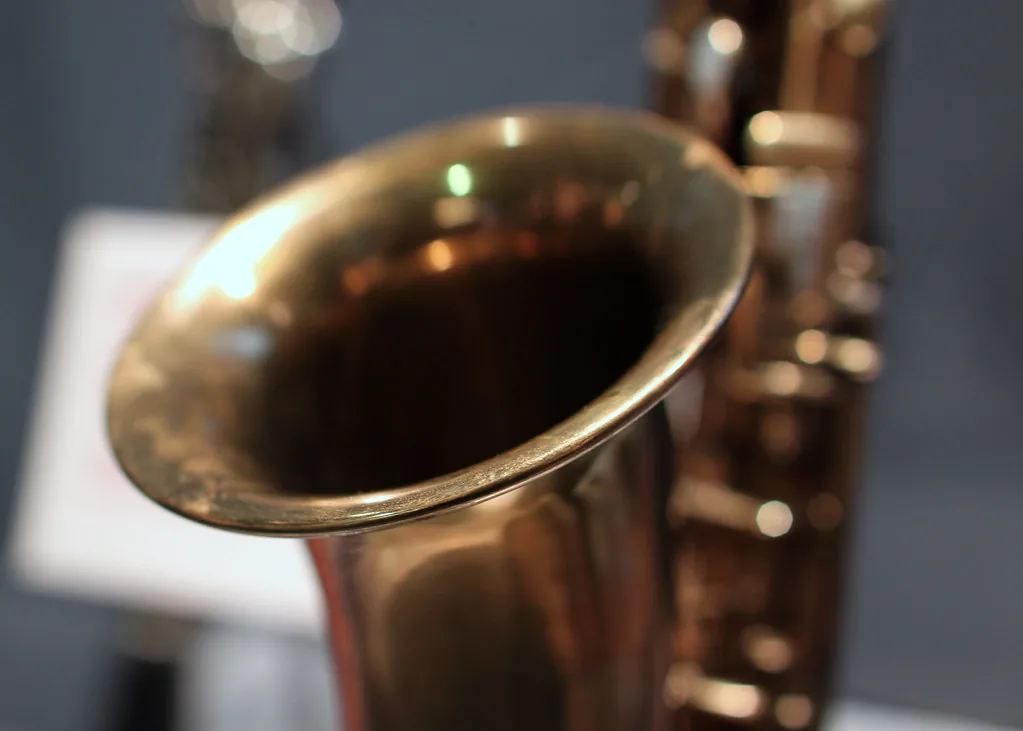
Typical price ranges: in France, expect to pay around €600 to €1,000 for an entry-level alto and up to about €3,000 for a professional model. A tenor starts at around €800, while a high-end model can cost about €5,000.
Additional costs to remember
The mouthpiece affects comfort and sound. Reeds are an ongoing expense.
Allow for a ligature, a strap or harness suited to your build, a sturdy case, and regular servicing.
Value for money and priorities
When starting out, a reliable, well-adjusted model with a good mouthpiece is a better choice than an expensive instrument that has been poorly set up. Upgrading becomes worthwhile when you want better intonation, projection, and finish.
New or used: what to check
- Condition of the pads and any leaks;
- Alignment and smooth operation of the keys;
- Response of low and high notes;
- Receipts or service history.
Have you set your budget? Read this price guide to narrow down models and brands suited to your level.
Models and brands to consider at your level
The best way to choose is to consider models suited to your experience and musical goals.
Dependable choices for beginners
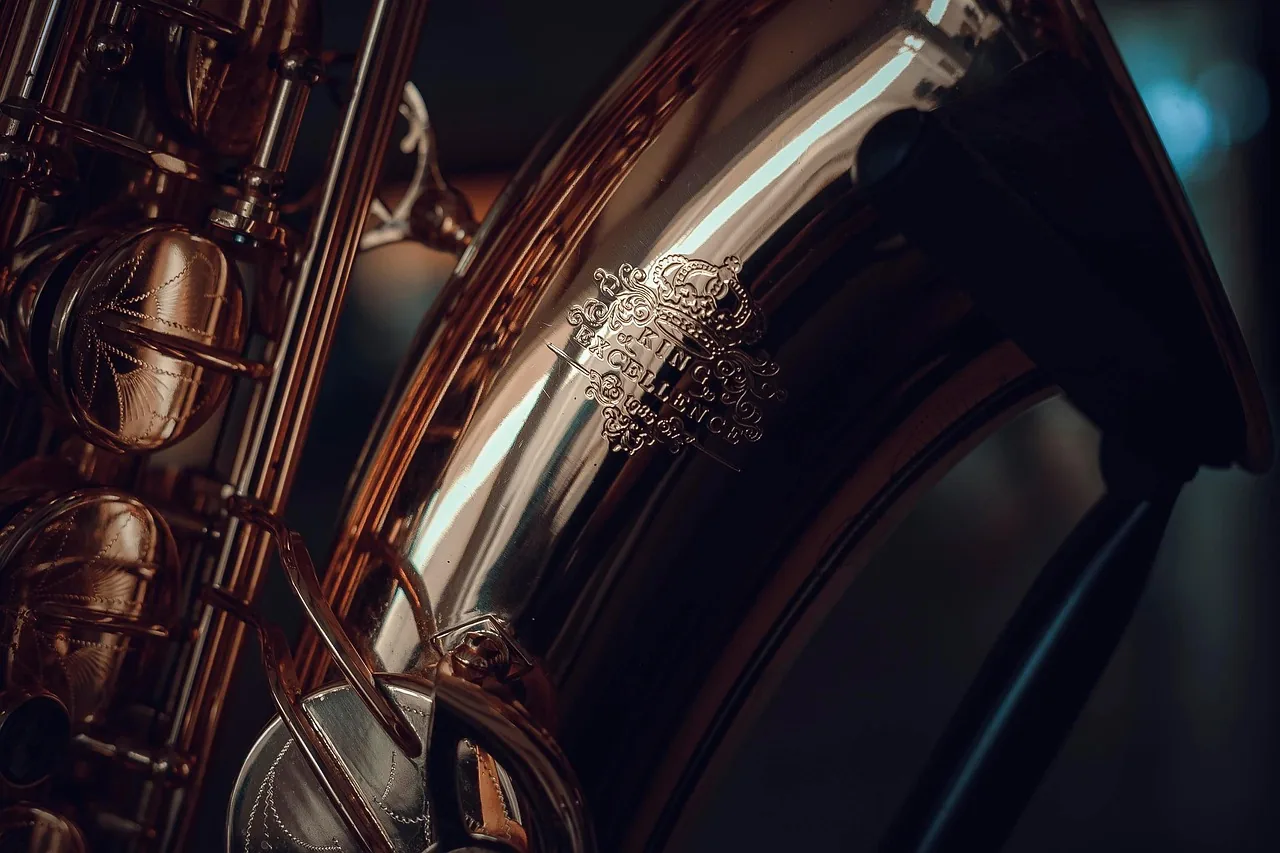
Starting on alto: the Yamaha YAS-280 and Jupiter JAS-769 offer reliability, ease of playing, and straightforward adjustments. Their consistent response helps you learn.
Starting on tenor: the Yamaha YTS-280 remains a popular choice for players seeking a stable instrument without excessive breath effort. It may suit you if you are motivated and want a warm sound from the outset.
Moving up to a professional model
Professional models such as the Selmer SA80 II, Reference 54, and Yanagisawa saxophones offer a better response, greater consistency across registers, and richer projection. The investment may be worthwhile if you play regularly.
What to check when trying one
- Intonation across the full range;
- Ease of producing a sound and comfortable keys;
- Projection, durability, and finish;
- Sealing, key mechanism, and response of low and high notes.
Tip: bring your own mouthpiece and a few reeds so you can compare instruments under the same conditions. For practical advice, read our buying guide.
Conclusion
When choosing, consider comfort, musical style, technique, and budget.
A four-point method: 1) your experience and physical comfort; 2) the sound you want for your music; 3) breath effort and range; 4) your budget, including accessories.
In practice, the alto is often recommended for beginners, while the tenor may appeal to you if you love its tone and are comfortable with its weight and greater physical demands.
Remember the accessories: a good mouthpiece and suitable reeds can quickly improve comfort and tone, whichever instrument you choose.
To take the next step, try two or three models within your budget. Check their intonation, response, key mechanism, and comfort. Trying them in person is essential to making a lasting choice that will make you want to play often.