

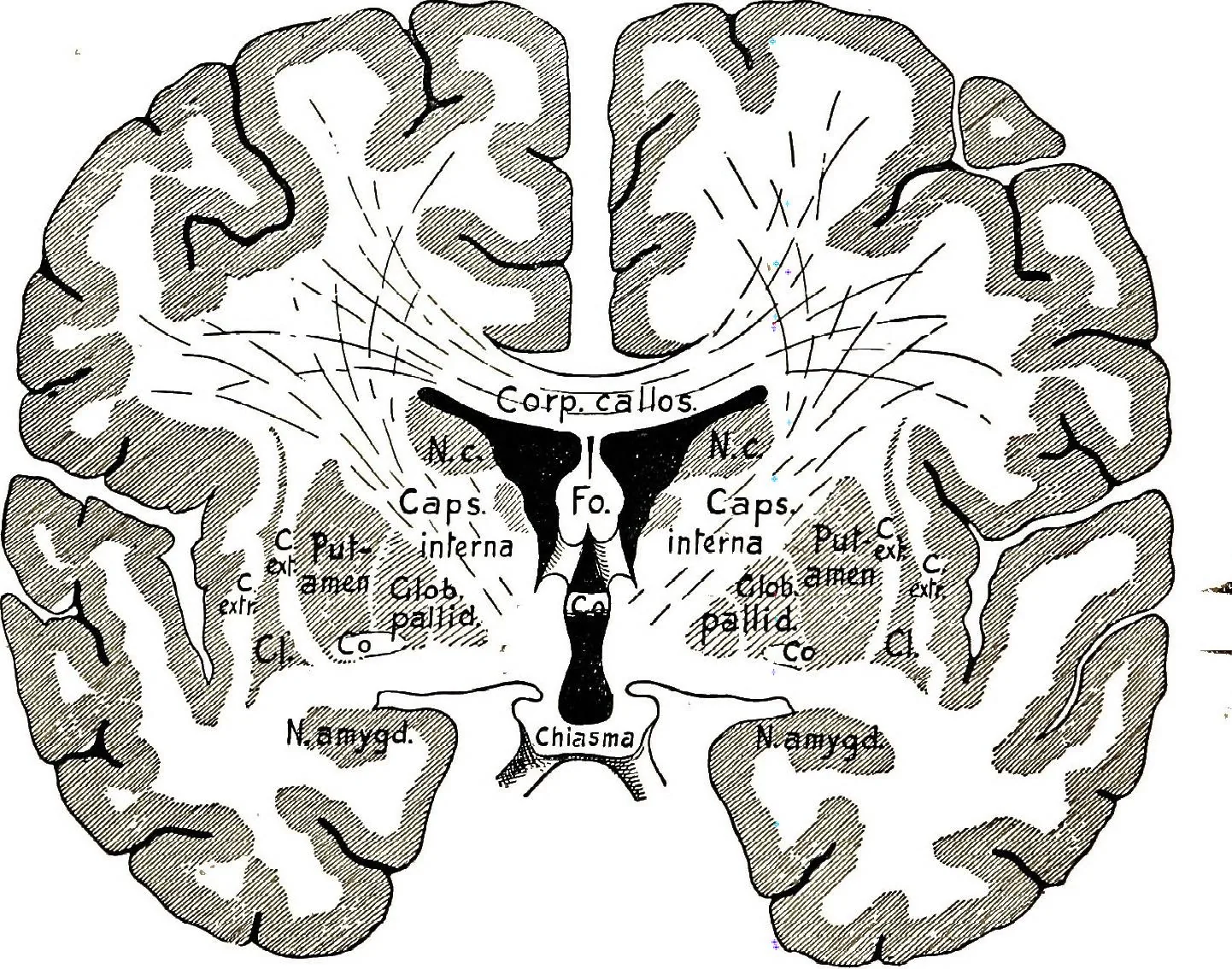
Classical music has long fascinated us with its profound effect on the brain. Recent studies show that listening to it can alter brain structure and improve certain cognitive functions.
Researchers have found that classical music synchronizes neural oscillations between the auditory cortex and the reward circuit. This synchronization facilitates the release of neurotransmitters such as dopamine, which play an essential role in regulating mood and emotions. A study published in the journal Cell Reports found that listening to classical music can improve communication between different brain structures, supporting better regulation of emotions and memories.
Neuroscientists are increasingly interested in these phenomena. The Mozart effect, for example, highlights an improvement in cognitive abilities after listening to classical music. EEG studies have measured brain responses and shown increased activity in regions associated with memory and reasoning. “Music is the medicine of the soul,” Beethoven said, and current research tends to support that intuition.
The history of music therapy shows how music has been used for centuries to heal and soothe. Today, modern technologies make it possible to analyze these effects precisely. Researchers are now exploring how to determine which music works best for each person based on their neural and emotional responses.
This section explores the links between classical music and the brain, highlighting recent scientific findings and their implications for our well-being. The rest of the article examines these topics in greater depth and will help you better understand the impact of classical music on our brains and bodies.
Introduction to the Links Between Music and Neuroscience
Since the dawn of humanity, music has played a central role in cultural and emotional expression. Neuroscience has begun to explore how this art form influences the brain, revealing deep connections between melodies and cognitive functions.
Historical Background and the Origins of Music
The earliest traces of music date back to prehistoric times, with bone flutes more than 40,000 years old. These instruments attest to the early use of music in communication and rituals.
In antiquity, civilizations such as the Greeks and Egyptians developed systems of musical notation. Greek philosophers, including Plato and Aristotle, believed in a therapeutic connection between music and the human soul.
Early Milestones in Music Therapy Research
In the 18th century, pioneers such as Benjamin Rush in the United States explored the therapeutic effects of music on mental disorders. Later, E. Thayer Gaston formalized these practices, laying the foundations of modern music therapy.
| Period | Contribution | Key figure |
|---|---|---|
| Prehistory | Discovery of the earliest flutes | – |
| Antiquity | Development of musical notation | Greek philosophers |
| 18th century | Research into therapeutic effects | Benjamin Rush |
| 20th century | Formalization of music therapy | E. Thayer Gaston |
These historical advances laid the foundations for a better understanding of how the brain and music interact, paving the way for extensive modern research.
Neurochemical Mechanisms Stimulated by Music
Music has a profound effect on the brain and influences our mood and emotions. Recent discoveries in neuroscience reveal how it changes brain chemistry.
Dopamine Release and the Brain’s Reward System
Listening to music stimulates the release of dopamine, a neurotransmitter central to pleasure and reward. This release occurs in the nucleus accumbens, a brain region associated with positive emotions. For example, studies show that pieces such as Beethoven’s “Für Elise” can cause a significant increase in dopamine, improving mood.
Interaction Between Emotions and Neural Impulses
EEG studies show a rapid neural response, often in less than 300 milliseconds, when people listen to music. This interaction between neural impulses and emotions helps explain why music can evoke strong feelings. Classical rhythms and melodies, in particular, strengthen this emotional connection.
| Mechanism | Description | Impact |
|---|---|---|
| Dopamine | Neurotransmitter associated with pleasure | Improves mood and motivation |
| Reward system | Neural response to pleasant stimuli | Reinforces positive behaviors |
| Emotions | Emotional response to music | Modulates emotional state |
As a study by Sud Ouest shows, classical music has therapeutic effects. Sites such as Format Raisins also highlight classical pieces for their emotional impact.
Classical Music and Science: Effects on the Brain
The Mozart effect, a hypothesis arising from a California study in the 1990s, is based on higher IQ scores observed among students who listened to Mozart before a test. This finding sparked considerable interest in the links between music and cognitive functions.
The Mozart Effect and Its Impact on Cognitive Abilities
Listening to Mozart’s Sonata for Two Pianos has been central to several studies. The results revealed a temporary improvement in cognitive abilities, particularly attention and memory. For example, a 1997 study showed that participants who listened to classical music by Beethoven or pieces by Steve Vai performed better on spatial reasoning tests.
EEG Techniques and Measuring Brain Responses
EEG techniques make it possible to record brain responses while people listen to music. These measurements show increased activity in regions associated with memory and reasoning. For example, studies have shown that listening to Beethoven’s “Für Elise” can cause a significant increase in dopamine, improving mood.
| Mechanism | Description | Impact |
|---|---|---|
| Dopamine | Neurotransmitter associated with pleasure | Improves mood and motivation |
| Reward system | Neural response to pleasant stimuli | Reinforces positive behaviors |
| Emotions | Emotional response to music | Modulates emotional state |
As a study by Sud Ouest shows, classical music has therapeutic effects. Sites such as Format Raisins also highlight classical pieces for their emotional impact.
Music Therapy: Clinical Applications and Psychological Benefits
Music therapy, a therapeutic practice that uses music, offers significant benefits for mental and cognitive health. It draws on scientific studies and firsthand accounts that underscore its effectiveness.
Memory Recovery and Cognitive Stimulation
Music therapy plays a key role for older adults and people with dementia. For example, musician Martha González Saldaña noticed an improvement in her mother’s memory, despite her dementia, when she heard familiar melodies. Some studies show that listening to music stimulates brain areas involved in memory, helping people recall past experiences.
Firsthand Accounts and Case Studies
Firsthand accounts illustrate the impact of music therapy. For example, patients have reported an improvement in their emotional state after listening to songs such as “You’re Still the One” or “What Have I Done To Deserve This?”. Studies have also shown that pieces such as Ryan Paris’s “Dolce Vita” can stimulate cognitive abilities.
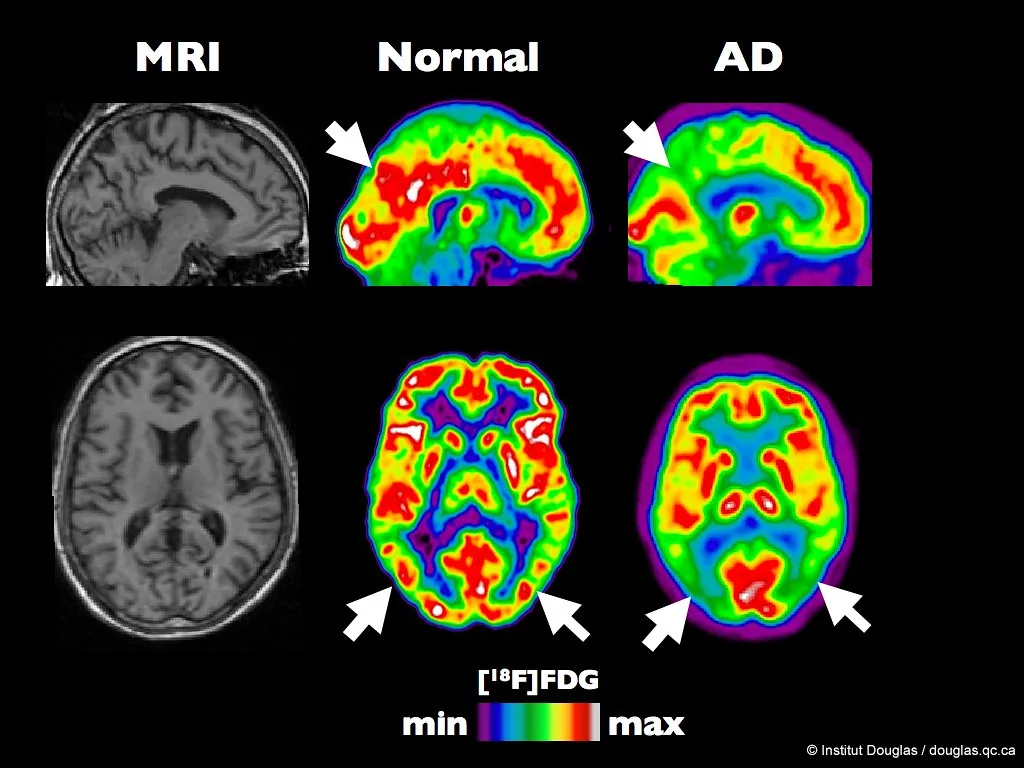
Research advances show that music therapy can be tailored to individual needs, increasing its effectiveness in emotional and cognitive recovery.
Music’s Influence on Cognitive Performance
Music plays a key role in improving our cognitive abilities by influencing attention, memory, and creativity. Recent studies show how listening to it can optimize brain function.
Improving Attention and Memory
Research shows that music stimulates brain areas associated with attention and memory. For example, a 1993 study found that listening to Mozart’s Sonata for Two Pianos in D major temporarily improves spatial reasoning abilities.
Classical melodies, in particular, strengthen concentration. Professional musicians have noticed improvements in their cognitive processes after listening to classical music.
Effects on Creativity and Problem-Solving
Music creates an environment conducive to creativity. According to Teresa Lesiuk, software engineers who listen to music complete their tasks more quickly and come up with innovative ideas.
Rhythms and melodies stimulate the expression of ideas and encourage more innovative thinking. For example, studies show that pieces such as Beethoven’s “Für Elise” can cause a significant increase in dopamine, improving motivation and creativity.
| Mechanism | Description | Impact |
|---|---|---|
| Attention | Stimulation of brain areas involved in concentration | Improved concentration |
| Memory | Activation of the temporal cortex | Better recall |
| Creativity | Stimulation of regions associated with innovation | Expression of innovative ideas |
As a study by Format Raisins shows, classical music is particularly effective at improving concentration and stimulating creativity.
In short, music is a powerful tool for strengthening our cognitive abilities. Whether it improves attention, stimulates memory, or unlocks creativity, its benefits for the brain are undeniable.
Music in Everyday Life and Its Social Impact
Music shapes our daily lives far beyond aesthetic enjoyment. It plays a key role in many aspects of life, influencing our motivation, relaxation, and even our working environment. Whether we use it to get motivated during exercise, unwind after a long day, or stimulate creativity at work, music is everywhere.
Use in Sports, Relaxation, and Work
In sports, music has become an indispensable companion. For example, the celebrated swimmer Michael Phelps listened to music before every race to focus and strengthen his endurance. Studies show that energetic rhythms improve physical performance and reduce fatigue. That is why many athletes incorporate personalized playlists into their training routines.
For relaxation, music has a calming effect. One study found that soothing melodies, such as classical music, reduce stress by lowering cortisol levels. That is why music is often used in meditation or therapy to support emotional well-being.
At work, music creates an atmosphere conducive to concentration and creativity. Companies set up sound spaces to stimulate innovation. For example, instrumental pieces without lyrics are often recommended to improve productivity without causing distraction.
Music also promotes social cohesion. At concerts, festivals, and community events, it brings people together. It creates shared experiences, strengthening social ties and a sense of belonging.
As a study by Radio France shows, music plays a crucial role in education and cognitive development. It stimulates learning and motivation, making it a versatile tool in everyday life.
Conclusion
Music holds a central place in our lives and offers much more than aesthetic pleasure. Research shows that it stimulates the brain and strengthens memory, attention, and creativity. For example, listening to classical melodies can trigger dopamine release, improving mood and motivation.
Discoveries in neuroscience, including research on the Mozart effect, reveal a temporary improvement in cognitive abilities. EEG studies confirm that music activates key brain regions and promotes better communication between them. These findings highlight the importance of music therapy in various settings, from relaxation to cognitive stimulation.
Bringing music into everyday life can therefore make a significant difference. Whether you want to relax, stimulate your mind, or improve your concentration, any moment can be an opportunity to enjoy its benefits. As a study by L’Actualité shows, music plays a key role in children’s cognitive development, supporting learning and memory.
In conclusion, music is a powerful tool for improving our mental and cognitive well-being. So explore this world of sound and make the most of it in daily life.
FAQ
How does classical music influence the brain?
What is the Mozart effect?
Can music strengthen memory?
How does music affect our emotions?
Can music improve cognitive abilities?
What role does frequency play in musical perception?
Can musical training benefit children?
Does music work equally well for everyone?
How does music influence daily routines?
Do researchers use EEG studies to measure music’s impact?
Source Links
- https://www.sciencesetavenir.fr/sante/cerveau-et-psy/l-impact-de-la-musique-classique-sur-nos-ondes-cerebrales_179995
- https://ici.radio-canada.ca/videos/1-8839105/congres-mondial-neurologie-effet-musique-sur-cerveau
- https://journals.openedition.org/ries/5944
- https://leblob.fr/enquetes/musique-et-cerveau-accord-parfait
- https://www.eurekoi.org/en-quoi-la-musique-influence-t-elle-le-comportement-et-lhumeur/
- https://www.madiba-musical.com/musique-et-neurosciences-leffet-de-la-musique-sur-le-cerveau/
- https://bipolairemd2008.forum-actif.eu/t7580-les-effets-neurochimiques-de-la-musique-qui-expliquent-ses-bienfaits
- https://www.radiofrance.fr/francemusique/podcasts/au-fil-de-l-actu/la-musique-classique-nous-rend-elle-vraiment-plus-intelligents-1603340
- https://www.sciencesetavenir.fr/sante/cerveau-et-psy/la-musique-module-les-genes-du-cerveau_28725
- https://www.radiofrance.fr/francemusique/la-musique-un-outil-puissant-dans-la-prise-en-charge-d-un-cerveau-malade-1005968
- https://www.le-guide-sante.org/actualites/forme-et-bien-etre/bienfaits-musicotherapie-sante
- https://www.science-et-vie.com/cerveau-et-intelligence/les-effets-etonnants-de-la-musique-sur-le-cerveau-134063.html
- https://www.polycliniquedeloreille.com/conseils-sante/musique-effets-cerveau
- https://www.radiofrance.fr/francemusique/travailler-en-musique-qu-en-pense-la-science-7960183
- https://www.umontpellier.fr/articles/musique-danse-comment-cerveau-et-corps-se-mettent-en-rythme
- https://www.futura-sciences.com/sante/actualites/vie-sante-5-bonnes-raisons-ecouter-musique-8019/
- https://www.senioractu.com/Quel-est-l-effet-de-la-musique-sur-le-cerveau_a24405.html
- https://www.cortex-mag.net/neuromythe-4-leffet-mozart/
- https://planet-vie.ens.fr/thematiques/animaux/systeme-nerveux-et-systeme-hormonal/comment-le-cerveau-decode-t-il-la-musique
- https://www.microsilloneditions.fr/en/neuromusicology-how-does-the-brain-perceive-music/