

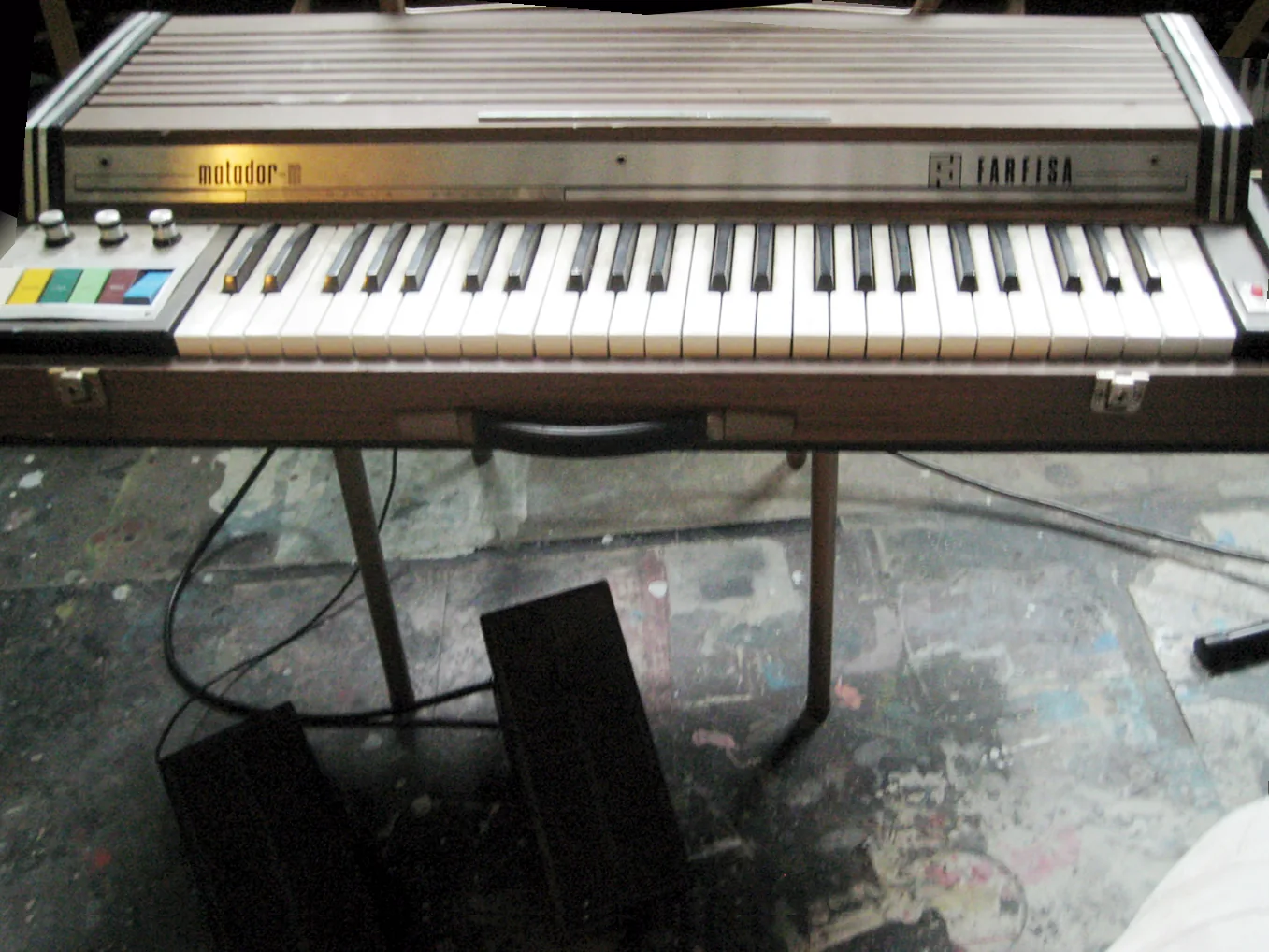
Classical organ music offers an exceptionally rich and varied world of sound. This iconic instrument, both solemn and vibrant, has inspired renowned composers over the centuries. With more than 500 works for organ, the repertoire reflects extraordinary artistic richness.
As William Chapman observes, the organ is far more than a single instrument: it is an entire orchestra, capable of producing an unmatched range of sounds. Masters such as J. S. Bach, César Franck and Louis-Claude Daquin left an indelible mark on music history. Their compositions, combining complexity and emotion, continue to resonate in churches and concert halls around the world.
Concertos and oratorios, with their masterful movements, show the organ’s ability to engage with other ensembles, including the orchestra. A complete work brings together many essential musical elements, creating a harmonious balance that captivates the listener.
Introduction: the organ between tradition and modernity
An iconic instrument, the organ embodies a balance between tradition and innovation. For centuries, it has held a central place in sacred and secular music, evolving as it continually reinvents its role.
Historically, the organ became a mainstay of religious ceremonies, but it also found a place on the concert stage. Today, it engages with modern ensembles while retaining its distinctive sound.
| Period | Characteristics | Development |
|---|---|---|
| Medieval | Emerging polyphonic instrument | Introduction of early innovations |
| Baroque | Increasing complexity | Mastery of the fugue |
| Contemporary | Incorporation of improvisation | Use in modern concerts |
Organ music varies with the performer’s style, offering a distinctive expressive richness. The piano complements this world of sound, creating a dialogue between tradition and modernity.
The movement, a key element of organ compositions, guides the listener through an intense range of emotions. This interplay of heritage and innovation makes the organ an instrument rooted in the past yet open to the future.
Classical music and the organ: essential works
With its rich sound, the organ holds a central place in the classical repertoire. Both imposing and expressive, it has inspired legendary composers such as J. S. Bach, César Franck and Louis-Claude Daquin. Each of their works reflects remarkable mastery, combining technical complexity with emotional depth.
Concertos for organ and orchestra, with their masterful movements, show how the organ can engage with other ensembles. Handel’s concertos and Widor’s symphonies, for example, demonstrate how every part of a composition fits together harmoniously to create a distinctive listening experience. These musical moments captivate audiences and carry them through varied emotional landscapes.
The union of the organ and classical music offers music lovers a distinctive experience. As one music critic observes,
“The organ is far more than an instrument: it is an entire orchestra, capable of producing an unmatched range of sounds.”
This interplay of tradition and innovation makes the organ an instrument rooted in the past yet open to the future.
The origins and development of the organ in France
The history of the organ in France stretches back to the seventeenth century, marking the beginning of an exceptional period of development. Far more than a musical tool, the instrument became a symbol of rich sound and tradition.
France saw the rise of distinguished organ builders such as Cavaillé-Coll, who transformed the organ into an instrument of both technical and artistic accomplishment. Their innovations made more complex and expressive sounds possible.
French composers also played a central role in enriching the repertoire. Their creations, combining complexity and emotion, continue to resonate in churches and concert halls around the world. Concertos and oratorios, with their masterful movements, show the organ’s ability to engage with other ensembles, including the orchestra.
| Period | Characteristics | Development |
|---|---|---|
| Seventeenth century | Increasing complexity | Mastery of the fugue |
| Nineteenth century | Incorporation of improvisation | Use in modern concerts |
| Twentieth century | Introduction of electricity | Modernization of action systems |
The organ continued to develop, incorporating modern technologies while retaining its distinctive sound. This evolution shows its ability to adapt to changing times while remaining an emblematic instrument of French music.
Handel, a pioneer of the organ concerto
George Frideric Handel, the renowned Baroque composer, made his mark on music history by creating 16 organ concertos. Intended for performance during oratorio interludes, these works bring together instrumental virtuosity and orchestral energy.
The Op. 7 concertos and the oratorio
The Op. 7 concertos, arranged in several movements, showcase Handel’s mastery. Performed during oratorio interludes, they demonstrate the organ’s ability to converse with the orchestra. Combining complexity and emotion, these compositions continue to be heard in concert halls around the world.
Handel’s influence on Baroque music
Handel profoundly influenced Baroque music through both his style and his musical movements. His innovative approach gave the organ a central role in compositions, often alongside an orchestra. His oratorio Messiah is a notable example that highlights the organ’s rich sound.
As one music critic observes, the organ is far more than an instrument: it is an entire orchestra. Handel made full use of this versatility, creating pieces that continue to captivate listeners.
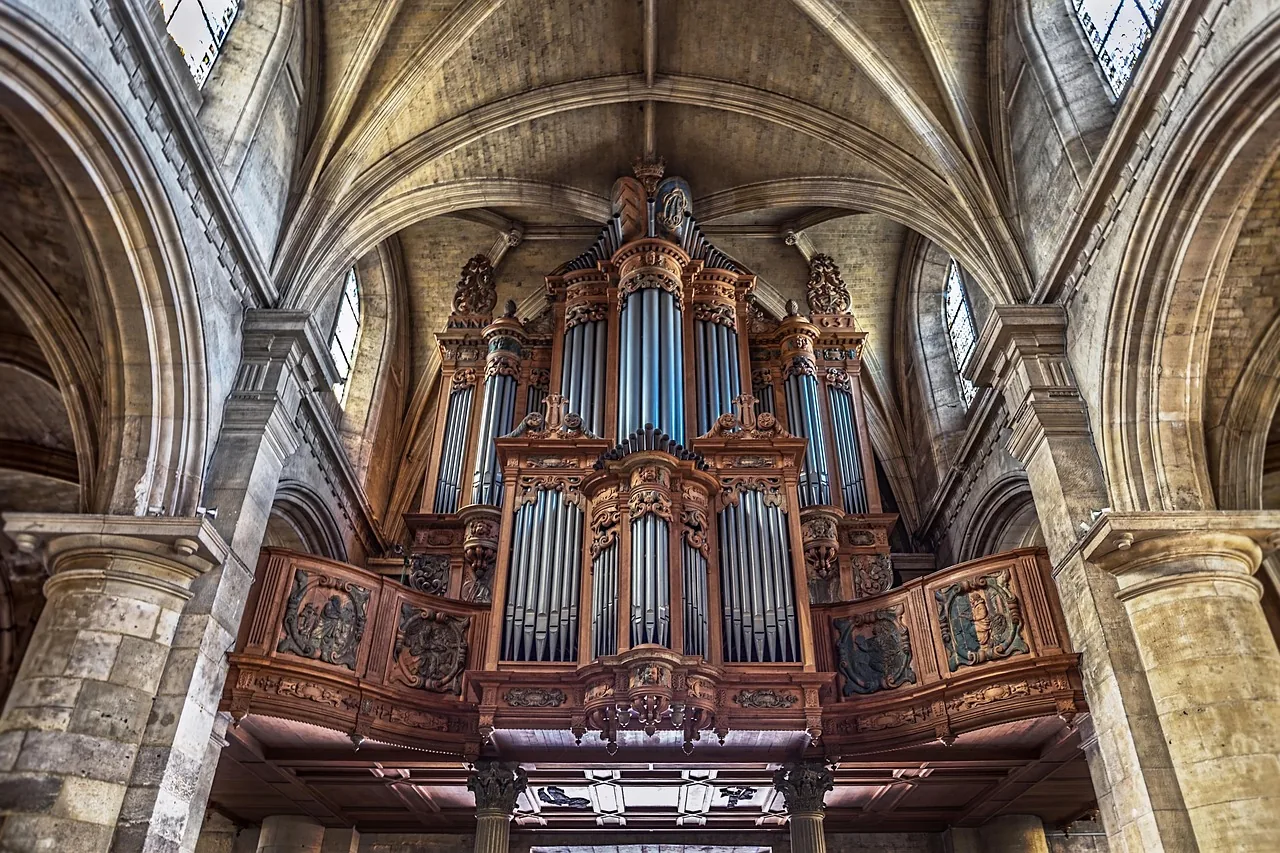
Michel Corrette and the Italian influence on his concertos
Michel Corrette, an eighteenth-century composer, embodies the Italian influence in his concertos for organ and orchestra. Active in France and England, he left his mark on the musical repertoire of his time.
Inspired by the Italian style, his concertos for organ and orchestra combine elegance and expressiveness. Their structure, comprising several movements, brings out the dialogue between organ and orchestra.
| Element | Characteristic | Example |
|---|---|---|
| Italian influence | Inspiration from Italian masters | Use of lyrical motifs |
| Structure | Several movements | Alternation between energy and gentleness |
| String section | Rich accompaniment | Balanced harmony |
His Six Organ Concertos, performed at the Concert Spirituel, display remarkable stylistic sensitivity. The importance of strings in these compositions underscores the harmony between organ and orchestra.
Louis Vierne and the Solemn Mass for two organs
Louis Vierne, a renowned French composer, made his mark on the history of liturgical music with his Solemn Mass for two organs, composed in 1901. Designed to interact with a choir, the work highlights the innovative use of two Cavaillé-Coll organs, creating exceptional richness of sound and musical complexity.
The interaction between choir and organ
The Solemn Mass stands out for its masterful dialogue between the grand organ and the choir. This interaction shapes the movements of the Mass, alternating intense moments with moving passages. The organ supports the voices with its power while enriching them with deep shades of sound.
| Element | Characteristic | Impact |
|---|---|---|
| Use of two organs | Vierne’s innovation for rich polyphony | Creation of a complex sound texture |
| Dialogue with the choir | Integration of voices into the composition | Harmonious balance between organ and choir |
| Liturgical influence | Landmark work in the French tradition | Reference point for later composers |
This composition had a significant impact on the musical and liturgical life of its time. Perfectly integrated into the ensemble, the voices play an essential role in expressing the Mass’s spiritual depth. The solemn experience offered by this singular work remains part of the history of sacred music.
Louis Vierne thus left an enduring legacy in the French liturgical tradition, influencing generations of composers and musicians. His Solemn Mass continues to resonate today, testifying to his genius and his exceptional contribution to organ music.
Franz Liszt and organ arrangements of orchestral works
In response to a commission from the Wanamaker Foundation, Marcel Dupré arranged the Liszt work “Ad nos, ad salutarem undam” for organ and orchestra. This adaptation highlights the organ’s virtuosity while retaining the essence of the original composition.
“Ad nos, ad salutarem undam” revisited
Dupré’s arrangement turns the orchestral work into a rich dialogue between organ and orchestra. The piano complements certain passages, adding another dimension to the sound texture. This adaptation shows how the organ can take on the complexities of an orchestral score.
| Element | Orchestral version | Organ arrangement |
|---|---|---|
| Virtuosity | Orchestral complexity | Organ virtuosity |
| Structure | Dynamic movements | Dialogue between organ and orchestra |
| Piano | Absent | Additional accompaniment |
The revised work’s dynamic movement emphasizes the balance between concerto form and dialogue with the orchestra. This adaptation illustrates Liszt’s worldwide influence, showing how his compositions can be reinterpreted for contemporary audiences.
As one critic observes, the organ is far more than an instrument: it is an entire orchestra. This adaptation of “Ad nos, ad salutarem undam” illustrates the point perfectly. To learn more about piano arrangements, see this page.
Jeanne Demessieux: Poème for organ and orchestra
Jeanne Demessieux, a major figure in twentieth-century organ music, left an indelible mark on the musical world. Appointed organist at La Madeleine, she composed Poème for Organ and Orchestra, Op. 9, a masterpiece combining virtuosity with a teaching legacy.
Virtuosity and a teaching legacy
Her virtuosity, particularly in her pedal technique, characterizes this work. Jeanne Demessieux impressed audiences with her performances and passed on her knowledge through teaching, training generations of musicians.
Poème for Organ and Orchestra, Op. 9 brings together organ and orchestra in a harmonious partnership. At the meeting point of tradition and modernity, the composition stands out for its innovation and musical richness.
| Element | Characteristic | Impact |
|---|---|---|
| Virtuosity | Exceptional pedal technique | Demonstration of technical mastery |
| Teaching legacy | Passing on knowledge | Influence on future generations |
| Harmony | Balance between organ and orchestra | Creation of a complex sound texture |
The work remains essential for organists, illustrating the instrument’s capacity to evolve while staying rooted in musical tradition.
Maurice Duruflé and sacred harmony in his Mass “Cum Jubilo”
Maurice Duruflé, a twentieth-century French composer, made his mark on sacred music with his Mass “Cum Jubilo”, composed in 1966. Rooted in liturgical tradition, the work combines Gregorian inspiration with improvisation to create a distinctive richness of sound.
The Mass “Cum Jubilo” is distinguished by a subtle harmony between organ and orchestra. A master of sonic balance, Duruflé created a work in which each movement fits harmoniously with the others, highlighting the organ’s versatility. The instruments interact so smoothly that an invisible hand seems to guide them.
The influence of Gregorian chant is clear throughout the Mass. Skillfully integrated improvisations add a deep spiritual dimension. Carefully orchestrated transitions give the composition its rhythm and offer listeners an intense emotional experience.
Duruflé modernized the liturgical repertoire while respecting its sacred roots. His approach, both traditional and innovative, influenced generations of composers. The Mass “Cum Jubilo” remains an essential reference in sacred music, illustrating the organ’s ability to evolve while remaining rooted in tradition.
As one music critic observes, the organ is far more than an instrument: it is an entire orchestra. Duruflé made use of that versatility, creating pieces that continue to captivate listeners.
Betsy Jolas and sonic innovation in Musique d’hiver
Betsy Jolas, an American-born French composer, made her mark on contemporary music with bold works. Musique d’hiver, composed in 1971, explores a new fusion of organ and orchestral timbres, creating a distinctive soundscape.
The fusion of organ and orchestral timbres
The work stands out for its original sound texture, in which each timbre intertwines harmoniously with the others. The orchestra, with its wealth of instruments, blends with the organ in a captivating musical dance. This interaction creates an intense emotional dimension, guiding the listener through a surprising range of sounds.
The search for new sounds lies at the heart of Musique d’hiver. Betsy Jolas uses innovative timbral effects, pushing the boundaries of the organ and the orchestra. Her approach renewed contemporary interpretations of music for organ and inspired many composers.
The harmony between the organ and the orchestra is strengthened by skillful writing. Every movement and every exchange between the instruments reflects a search for balance and innovation. Musique d’hiver remains a reference for contemporary composers, illustrating the organ’s ability to evolve while staying rooted in musical tradition.
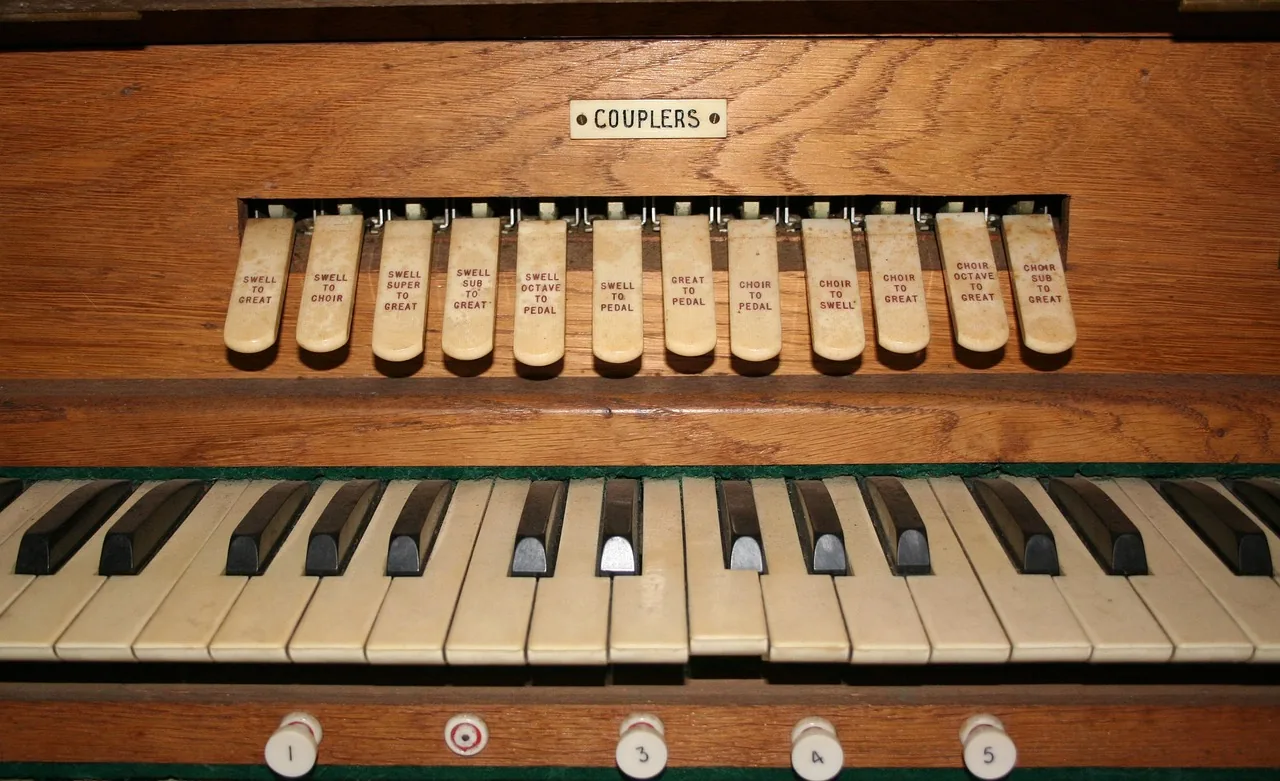
Arvo Pärt: tintinnabuli and spiritual depth
Arvo Pärt, a contemporary Estonian composer, has made his mark on modern music with his distinctive tintinnabuli technique. Inspired by medieval music, this approach creates an atmosphere of profound spirituality.
The tintinnabuli technique applied to the organ
Tintinnabuli is characterized by interwoven melodies that form a minimalist sound texture. In De Profundis, Pärt uses the technique to evoke spiritual intensity, supported by the organ’s rich sound.
| Element | Characteristic | Impact |
|---|---|---|
| Tintinnabuli | Interwoven melodies | Creation of a minimalist sound texture |
| Silence | Deliberate pauses | Heightened emotional depth |
| Organ | Expansive sound | Stronger spiritual atmosphere |
The inner movement of De Profundis is shaped by precise intervals, guiding the listener through an intense range of emotions. Silence plays a crucial role, adding a contemplative dimension to the piece.
The instrumental voices come together as a coherent ensemble, with each element contributing to an inspiring musical experience. The work conveys deep emotion and invites a moment of reflection.
Thierry Escaich: from the concerto to “Le Dernier Évangile”
Thierry Escaich, a contemporary French composer, has made his mark with innovative works. From his First Concerto in 1995 to the oratorio “Le Dernier Évangile” in 2000, he has given the organ a central place in a modern setting.
Innovation in contemporary composition
With “Le Dernier Évangile,” Escaich transformed the concerto into a broader narrative work. This stylistic development reflects his bold approach, bringing together composition and storytelling.
The organ’s role in the modern oratorio
In “Le Dernier Évangile,” the organ becomes a narrative voice, engaging with the orchestra. Their collaboration highlights the versatility of the instrument and renews its role in the modern oratorio.
| Element | 1995 concerto | Le Dernier Évangile |
|---|---|---|
| Innovation | Classical structure | Integrated narrative |
| Organ | Solo role | Narrative voice |
| Structure | 3 movements | 7 movements |
The collaboration between organ and orchestra in “Le Dernier Évangile” demonstrates a command of rhythm and structural coherence. Its contemporary approach attracts considerable interest and offers a distinctive musical experience.
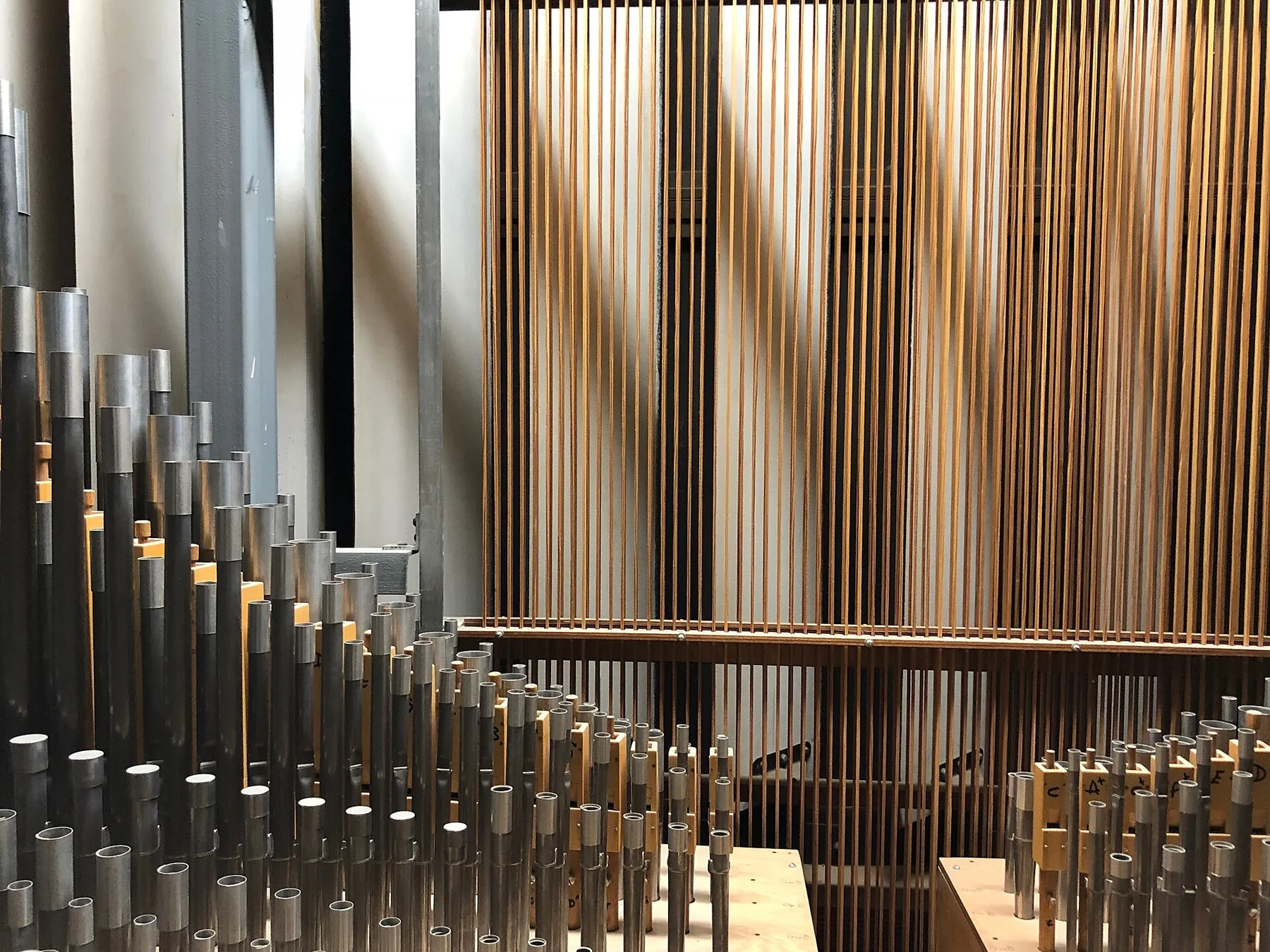
Organ transcriptions of orchestral works: Stravinsky and beyond
Transcribing orchestral works for organ presents an exciting artistic challenge. Olivier Latry, a master organist, has revisited Stravinsky masterpieces, giving the repertoire a new sonic dimension.
Reimagining celebrated passages
Stravinsky, a legendary composer, made history with works such as The Rite of Spring. Olivier Latry transcribed this piece for organ, capturing its essence while exploring new sounds.
| Composer | Work | Transcription |
|---|---|---|
| Stravinsky | The Rite of Spring | Olivier Latry |
| Handel | Organ concertos | Modern interpretations |
| Bach | Prelude and Fugue | Contemporary arrangements |
The dialogue between piano, orchestra and organ creates exceptional musical cohesion. The care involved in transcribing particular passages, some lasting several minutes, highlights the instrument’s richness.
This artistic approach expands the organ’s international reach, showing its ability to evolve while staying rooted in musical tradition. To explore more transcriptions, see this link.
The organ and other instruments: harpsichord and piano
The organ, harpsichord and piano each offer a distinctive range of sounds shaped by their design and history. Although different, these instruments share a musical richness that makes them complementary in classical ensembles.
With its plucked strings, the harpsichord produces a bright, precise sound suited to Baroque music. The piano offers nuanced expression through its hammers. The organ, with its pipes, creates an unparalleled range of timbres and dynamics, from a gentle whisper to majestic power.
Together, these instruments enrich the classical repertoire. Bach’s compositions for harpsichord and organ, for example, highlight the dialogue between them. In contemporary music, piano and organ come together in orchestral settings, creating a complex and moving sound texture.
The combination of strings, organ and piano in recitals and concerts reveals a distinctive harmony. Each instrument contributes its own voice, creating a symphony of sounds that captivates the listener. This artistic complementarity celebrates the diversity of keyboard instruments.
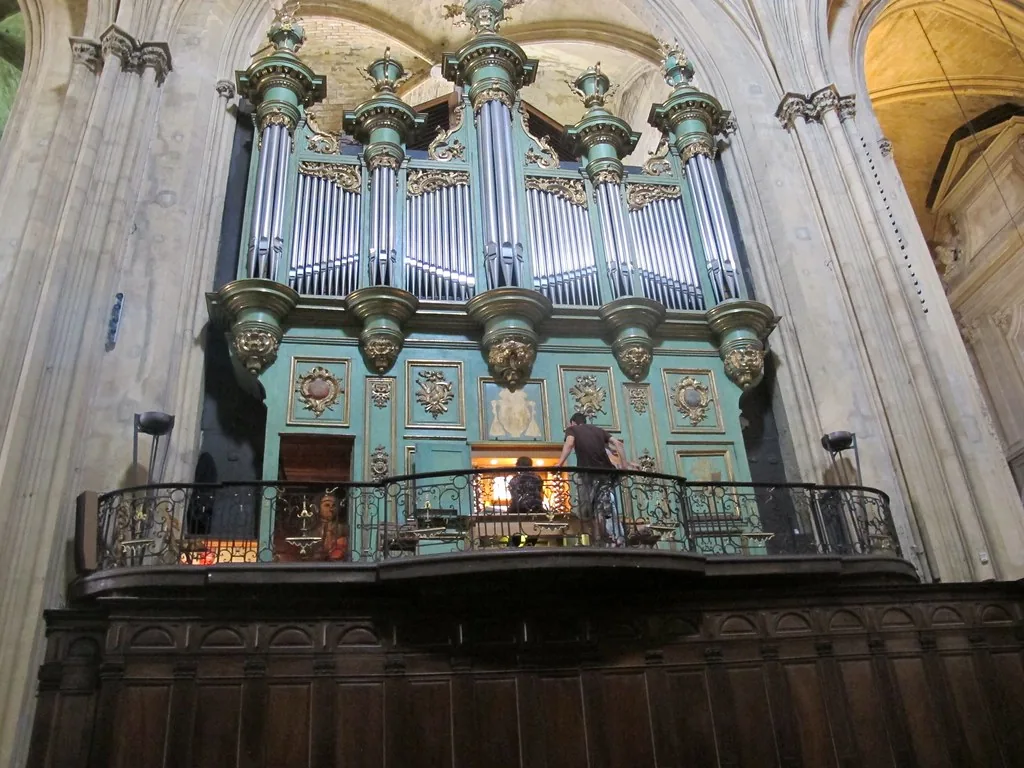
As one critic observes, the organ is far more than an instrument: it is an entire orchestra. Together with the harpsichord and piano, its versatility continues to captivate music lovers across the ages.
Bonus and curiosities: improvisation and instrumental duels
The world of the organ holds unexpected treasures, combining performance and innovation. Unusual events, such as improvisation tournaments and duels between organ and piano, reveal a surprising side of the instrument. Beyond traditional academic settings, these encounters bring musicians’ creativity and passion to the fore.
Organ improvisation tournament
Imagine renowned organists and enthusiastic amateurs competing in an improvisation tournament. Each must compose on the spot in response to unexpected themes. These creative challenges showcase the participants’ technical skill and encourage musical innovation. Improvisation, the art of the moment, opens a window onto unfamiliar worlds of sound.
Aventure galante: the barrel organ revisited
The barrel organ, a traditional street instrument, now inspires a new generation of artists. In a bold fusion, contemporary musicians revisit this familiar instrument and incorporate it into modern compositions. The result? A dance between classical timbres and contemporary rhythms that captivates an audience eager for discovery.
These events, both playful and artistic, renew interest in the organ. Combining competition, creativity and heritage, they open new possibilities for music lovers and show once again that the organ is far more than an instrument: it is an entire orchestra at the keyboard.
Conclusion
In conclusion, the organ is a multifaceted instrument that brings together tradition and innovation. With more than 500 works composed for it, it has a rich and varied repertoire shaped by legendary composers such as Bach, Handel and César Franck. Its history, from the medieval period to contemporary works, shows how continually it has adapted.
The diversity of styles and composers has enriched this world of sound, offering a range of unforgettable musical moments. Every work, whether Baroque, Romantic or modern, reflects technical and emotional mastery. The organ continues to captivate listeners, inviting them to explore its deep melodies and radiant notes.
To deepen your knowledge of this iconic instrument, you can consult this resource on its history and development. The future of the organ looks promising as contemporary composers continue to push the boundaries of this exceptional instrument.
FAQ
What are the origins of the organ in France?
Who was Handel, and why are his organ concertos important?
What distinguishes the organ from the harpsichord or piano?
How is the organ used in orchestras?
Which contemporary composers have written for the organ?
Is the organ used only in classical music?
Source links
- https://en.wikipedia.org/wiki/French_organ_school
- https://www.rco.org.uk/
- https://en.wikipedia.org/wiki/French_organ_school
- https://www.rco.org.uk/
- https://en.wikipedia.org/wiki/French_organ_school
- https://www.rco.org.uk/
- https://en.wikipedia.org/wiki/French_organ_school
- https://www.rco.org.uk/
- https://en.wikipedia.org/wiki/French_organ_school
- https://www.rco.org.uk/
- https://www.baroqueries.ch/en/georg-friedrich-handel-from-germany-to-baroque-england/
- https://www.rco.org.uk/
- https://en.wikipedia.org/wiki/French_organ_school
- https://www.rco.org.uk/
- https://en.wikipedia.org/wiki/French_organ_school
- https://www.rco.org.uk/
- https://en.wikipedia.org/wiki/French_organ_school
- https://www.rco.org.uk/
- https://en.wikipedia.org/wiki/French_organ_school
- https://www.rco.org.uk/
- https://en.wikipedia.org/wiki/French_organ_school
- https://www.rco.org.uk/
- https://en.wikipedia.org/wiki/French_organ_school
- https://www.rco.org.uk/
- https://en.wikipedia.org/wiki/French_organ_school
- https://www.rco.org.uk/
- https://en.wikipedia.org/wiki/French_organ_school
- https://www.rco.org.uk/
- https://en.wikipedia.org/wiki/French_organ_school
- https://www.rco.org.uk/
- https://en.wikipedia.org/wiki/French_organ_school
- https://www.rco.org.uk/
- https://en.wikipedia.org/wiki/French_organ_school
- https://www.rco.org.uk/
- https://en.wikipedia.org/wiki/French_organ_school
- https://www.rco.org.uk/
- https://en.wikipedia.org/wiki/French_organ_school
- https://www.rco.org.uk/