


Introducing children to classical music may seem difficult, but it is a wonderful opportunity to immerse them in a rich and moving world. Classical music, although sometimes seen as complex, can become a playful world of discovery for young children.
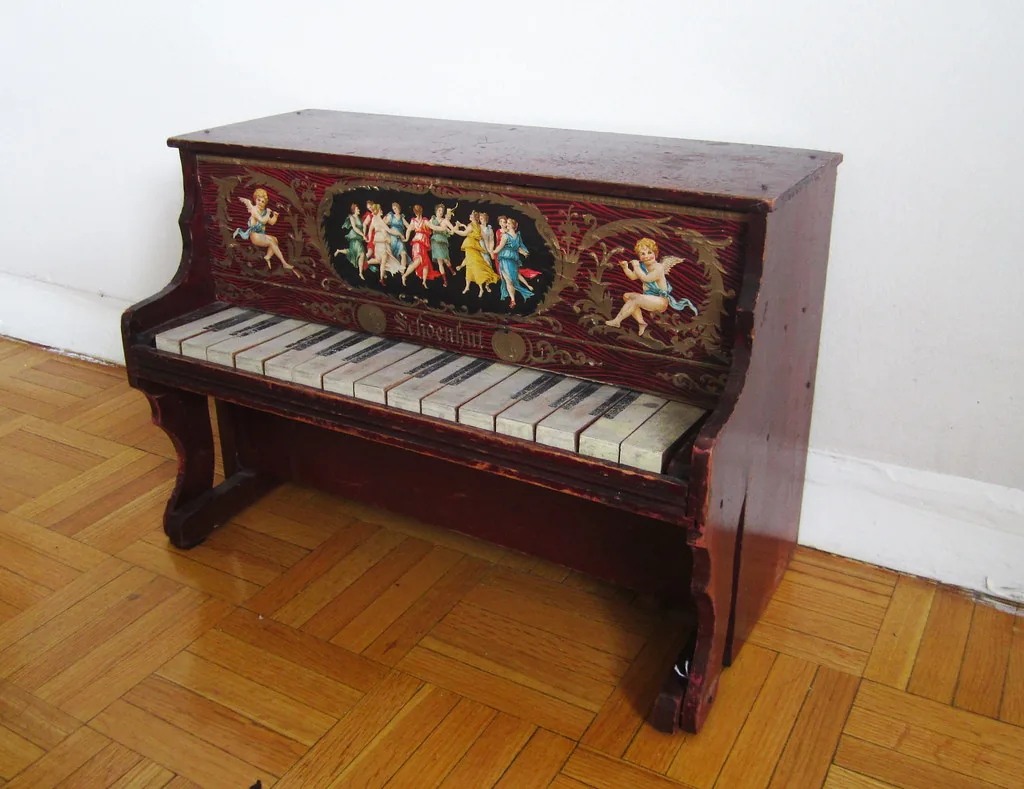
Start with classical works suited to their age. Baroque melodies, with their gentle harmonies, are ideal for babies. For toddlers, piano works or chamber music have a clarity of sound that makes listening easier. The Gentle Sound of the Piano presents classical masterpieces that are perfect for this first encounter.
It is important to create an inviting atmosphere for listening. Books with CDs and online resources can make the experience interactive and engaging. By pairing stories with musical emojis, children build a deeper connection with music.
This article will help parents choose ways to introduce their children to classical music, highlighting the role of a musical theme in family life and cultural discovery.
Introduction: Why Introduce Children to Classical Music?
Discovering classical music is much more than an artistic activity for children. It offers a unique opportunity to support their overall development.
The Importance of Music in Development
From an early age, children benefit from hearing melodies and rhythms. Classical music, in particular, plays a key role in cognitive and emotional development. It encourages creativity, improves concentration and strengthens memory.
A recent study found that children exposed to classical music had a better understanding of mathematics and greater ease with reading. The suggested explanation is that music stimulates both hemispheres of the brain, supporting more balanced learning.
Emotional and Cognitive Benefits
The benefits of classical music for young children extend beyond thinking skills. It also plays a role in emotional development. By listening to a variety of works, children learn to identify and express their emotions more precisely.
| Age | Benefits | Recommendations |
|---|---|---|
| 0 to 3 years | Auditory and sensory development | Gentle melodies and simple rhythms |
| 4 to 7 years | Encouraging creativity | Musical stories and narrative pieces |
| 8 years and older | Improved concentration | More complex instrumental works |
By making classical music part of everyday life, parents give their children a valuable way to explore and grow.
To discover works suited to each age group, see this practical guide.
Practical Ways to Introduce Children to Music
Introducing children to music can be a rewarding experience. Make their first encounters interactive and engaging.
Introduce Well-Known Works
Sharing famous works by great composers is an excellent way to spark curiosity. For example, Beethoven and Vivaldi composed music that captivates young listeners. Their works, such as the Pastoral Symphony and The Four Seasons, are ideal introductions.
See this guide for suggestions of works suited to each age group.
Try Active Listening
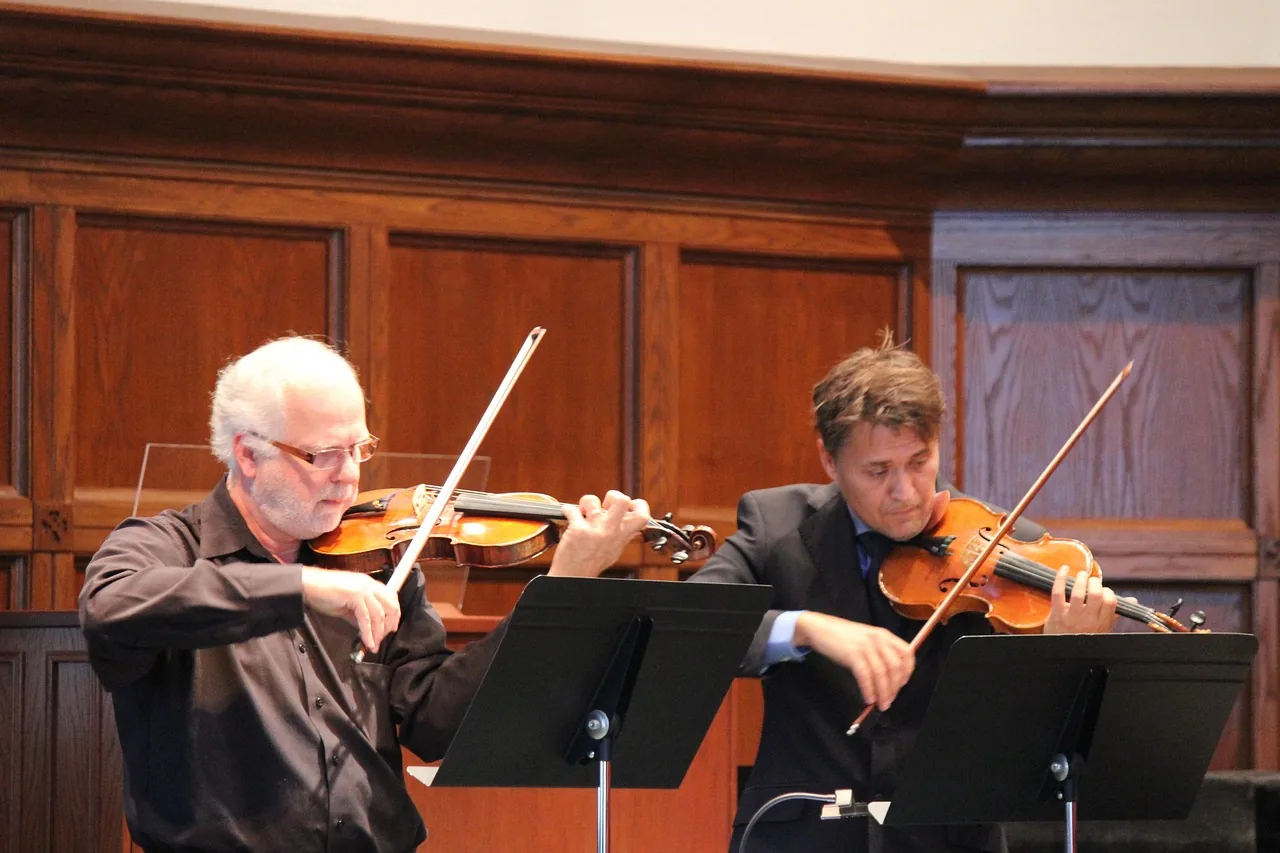
Active listening encourages children to identify instruments and melodies. Ask them to recognize the distinct sounds of the violin and piano. This interactive approach reinforces their learning.
| Work | Composer | What makes it appealing |
|---|---|---|
| The Four Seasons | Vivaldi | Vivid, story-like melodies |
| Pastoral Symphony | Beethoven | Sounds that evoke landscapes |
These approaches help children build a lasting connection with music.
Essentials: Books with CDs, Stories and Audio Activities
Pair stories with melodies to captivate your children. Books with CDs and musical stories offer a playful, rewarding way to discover classical music.
Choosing Books and Albums for Young Children
Books with CDs are excellent introductions to classical masterpieces. They combine stories and melodies, making listening interactive and entertaining.
A classic example is Sergei Prokofiev’s Peter and the Wolf. This musical tale features a wolf and other animals, assigning each character an instrument. Children can learn to recognize the sounds while following Peter’s adventure.
Some albums feature the piano, introducing young listeners to the variety of melodies it can play. These resources are ideal for enjoying music together as a family.
“Books with CDs turn listening into a story-filled experience, making music accessible and engaging.”
To choose a suitable resource, look for albums that combine stories and melodies. These learning tools spark curiosity and encourage musical discovery. See this guide for suggestions suited to young children.
The Power of Active Listening and Musical Performances
Active listening to classical music offers much more than background entertainment. It can stimulate children’s imagination and emotions.
Understanding the Mozart Effect and Musical Emotion
The Mozart effect is often mentioned in discussions of cognitive development. Although the idea has become widely known, it is important to separate myth from reality. Studies suggest that listening to structured melodies, such as those of Beethoven or Vivaldi, may improve concentration and awareness of sound.
| Composer | Work | Emotional impression |
|---|---|---|
| Wolfgang Amadeus Mozart | Eine kleine Nachtmusik | Calm and serenity |
| Ludwig van Beethoven | Pastoral Symphony | Images of natural landscapes |
| Antonio Vivaldi | The Four Seasons | Energy and storytelling |
Every performance, whether by a pianist or an orchestra, brings something unique. These differences help children discover a range of emotions and deepen their connection with music.
Active listening and musical performances open up a rich world for children. Discover practical tips for bringing these benefits into your children’s daily routine.
Playful Discovery: Interactive Games and Participation
Turning listening into a game is a wonderful way to make music accessible and fun for children. Interactive activities stimulate their imagination and help them take an active part in learning.
Use OrchestraLab and Guess-the-Sound Games
OrchestraLab offers an unusual experience: children can conduct a virtual orchestra and take an active role in the music. Guess-the-sound games add a playful element by including animal sounds, such as birdsong or a lion’s roar, to spark curiosity.
Screen-Free Activities That Spark Curiosity
Screen-free activities, such as dancing or group sessions, create a shared musical experience. Dancing freely to different rhythms or playing musical chairs strengthens coordination and teamwork.
These playful activities turn learning into a shared adventure and make music a source of enjoyment together.
Educational Videos and Child-Friendly Concerts
Educational videos and concerts designed for children offer entertaining ways to introduce young audiences to classical music. These playful, interactive resources give children an accessible and engaging look behind the scenes.
Educational Clips and Animated Films
Clips from animated films and educational videos are excellent ways to hold children’s attention. For example, works such as Vivaldi’s The Four Seasons and Saint-Saëns’s The Carnival of the Animals are often presented as animated stories. These adaptations make classical melodies more appealing and easier for young children to follow.
Some videos even explain how orchestral instruments work or how a composition is created, turning listening into an adventure of discovery.
Tips for Choosing Suitable Performances
When choosing a concert or ballet for children, consider their age and attention span. Short, interactive performances or shows that combine music with a story work particularly well. For example, participatory concerts where children can conduct a virtual orchestra or identify instruments are ideal for sparking curiosity.
Choose performances that include dance or theatre, such as some classical ballets. Combining art forms enriches the emotional experience and makes music more accessible.
Educational videos and child-friendly concerts offer many ways to introduce children to classical music. By choosing informative, interactive performances, parents can give them a rich and memorable experience.
Classical Music for Children: Where to Start?
Set off on a fascinating journey into classical music for children. This section introduces useful resources and hands-on workshops to begin their musical adventure.
Online Resources and Practical Guides
Explore the many online resources designed to make classical music accessible and engaging for young people. Sites such as France Musique and Gallimard Jeunesse offer interactive tools and guides that make learning enjoyable.
| Site | Description |
|---|---|
| France Musique | Interactive guides and listening lists for children. |
| Gallimard Jeunesse | Engaging stories and musical activities. |
These platforms combine theory and practice to make learning informative and fun.
Exploring Instruments and Music Workshops
Offer your child hands-on workshops where they can discover instruments. These activities develop their ear for music and encourage creativity and teamwork.
| Age | Workshop |
|---|---|
| 3 to 6 years | Discovering wind instruments. |
| 7 to 12 years | Introduction to piano and violin. |
Workshops such as “Musicalille” in Lille offer activities suited to different ages and stages of development, creating a rewarding experience.
Encourage your child to explore different musical activities, from instrument lessons to interactive games, and nurture an interest in classical music from an early age.
Conclusion
Introducing children to classical music is a rewarding adventure that supports their overall development. Every work, and this work in particular, offers a starting point for discovering a varied world of sound.
Parents can explore a range of resources, including books with CDs, music workshops and educational videos. These tools make the experience interactive and engaging. Pay attention to children’s reactions and regularly introduce new resources to keep them interested.
The lasting benefits of classical music for children’s cognitive and emotional development are undeniable. Encourage them to keep exploring and discover new works to extend this musical adventure. Introducing children to classical music offers a unique opportunity to support their cultural and personal growth.
FAQ
How can I introduce a child to classical music?
What are the benefits of classical music for children?
Which works are suitable for young children?
How can I make listening to classical music interactive?
What is the Mozart effect in children?
Where can I find resources for introducing children to classical music?
How do I choose a concert for children?
What is the ideal age to start learning an instrument?
How can I make learning music more fun?
How does classical music affect dance and movement?
How can I involve children in making music together?
Which are the best apps for discovering classical music?
How can I explain sheet music to children?
Which instruments are most accessible to children?
How can I organize a musical evening at home?
What role does school play in music education?
How can I tell whether a child is progressing in music?
Which videos are best for discovering classical music?
How can I combine classical music with other arts, such as dance or theatre?
Source Links
- https://www.theatrechampselysees.fr/medias-hors-champs/lire/8-idees-pour-faire-aimer-la-musique-classique-aux-enfants
- https://www.radiofrance.fr/francemusique/initier-les-enfants-a-l-opera-petit-guide-en-5-etapes-5412505
- https://fr.parent.com/blogs/conversations/2022-how-to-introduce-your-kids-to-classical-music
- https://classiques-essentiels.fr/decouvrir-musique-classique-par-quoi-commencer/
- https://www.echosciences-auvergne.fr/articles/l-eveil-musical-chez-l-enfant-pourquoi-et-comment