

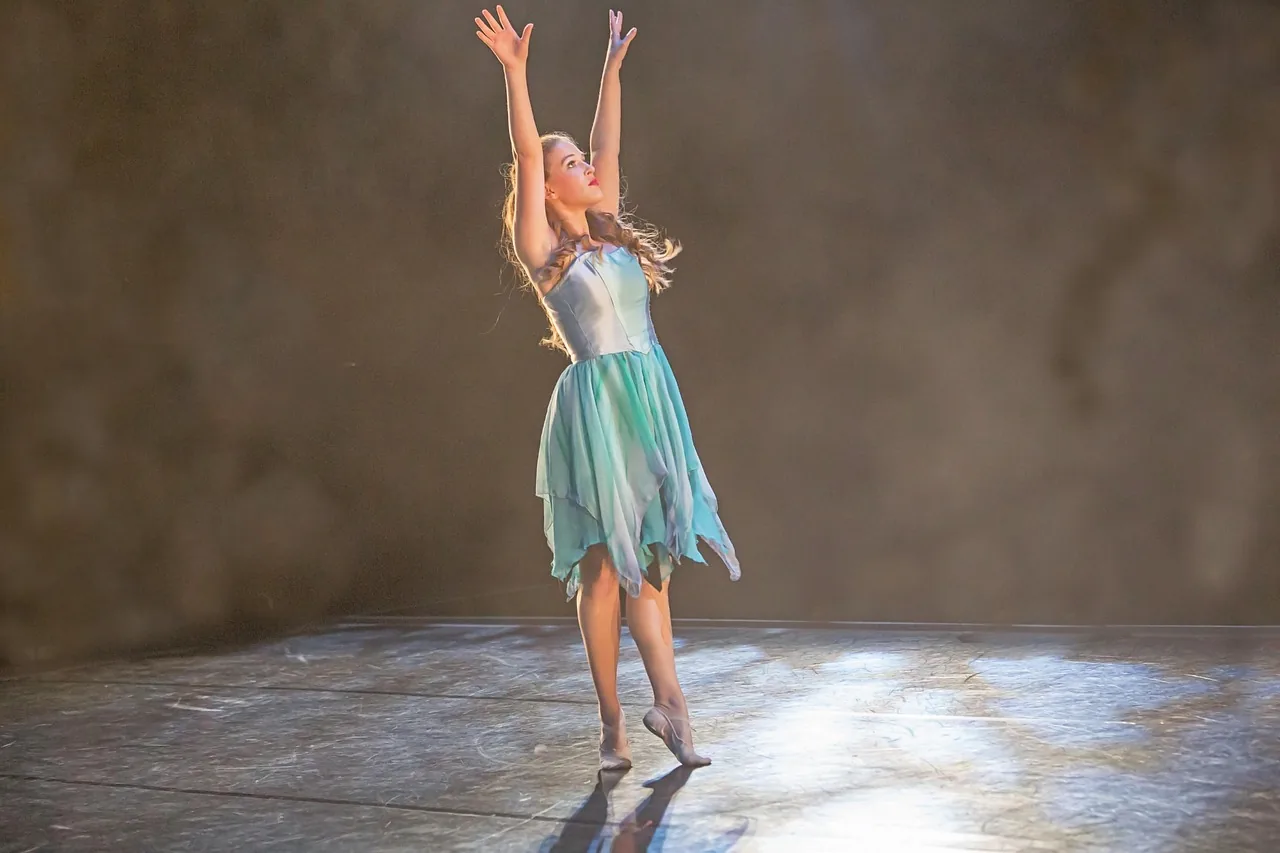
Dance and classical music form an unforgettable partnership, creating atmospheres that are both festive and elegant. The Viennese waltz, a highlight of New Year’s balls, perfectly embodies this musical heritage. For centuries, these lively melodies have inspired people to dance while transporting them to a bygone era.
A thoughtful choice of classical works can turn a simple event into a unique experience. The gentle sound of the piano, for example, offers a selection of masterpieces that combine technique and emotion. These pieces, often composed by masters such as Beethoven and Chopin, still resonate today.
Some compositions, such as the waltz, have become iconic. Their lively rhythm and timeless melodies make them essential for dance lovers. In this article, we explore how these classical works continue to shape the art of dance and offer practical advice for enthusiasts.
An introduction to dancing to classical music
Since the Baroque era, dance and classical music have developed hand in hand, shaping a refined art form. Composers such as Tchaikovsky and Stravinsky played a key role by writing scores that inspired legendary ballets.
Rhythm is the central element connecting dance and music. It structures dancers’ movements and guides the melody, creating harmony. For example, the waltz, with its lively rhythm, became a symbol of the classical era.
The tradition of balls and salons also shaped the history of classical dance. These gatherings, where members of the nobility came together to dance, gave rise to elegant and sophisticated styles. Ballets, often commissioned by patrons, reflect that lavish era.
Passing classical dance from one generation to the next has preserved its techniques and aesthetics. Ballet schools and renowned choreographers continue to carry on this heritage. Composers have also influenced dance styles and the development of rhythms, enriching the repertoire.
This section explores the heritage of classical dance and shows how works by great masters continue to shape choreography. The relationship between technique and music remains at the heart of this timeless tradition.
The heritage of classical dance: from waltzes to ballets
Classical dance, supported by centuries of tradition, continues to captivate audiences with its elegant forms and enchanting rhythms. Since the 19th century, the Viennese waltz and Romantic ballet have left their mark on the history of choreography.
The Viennese waltz and its traditions
The Viennese waltz, with its lively rhythm, became a symbol of the classical era. It established itself as a favourite at balls and elegant evening gatherings, transporting dancers to a bygone era. With its timeless melody, the waltz remains a cornerstone of classical dance.
The development of Romantic ballet
Romantic ballet brought a sense of wonder and passion. Works such as La Sylphide and Swan Lake still resonate today, stirring strong emotions through graceful movements and powerful melodies.
| Dance | Era | Characteristics |
|---|---|---|
| Viennese waltz | 19th century | Lively rhythm, timeless melody |
| Romantic ballet | 19th century | Expressive movements, intense emotion |
Every moment of dance, whether in a waltz or a ballet, conveys a particular emotion. Although these art forms emerged centuries ago, they continue to shape contemporary music and dance culture.
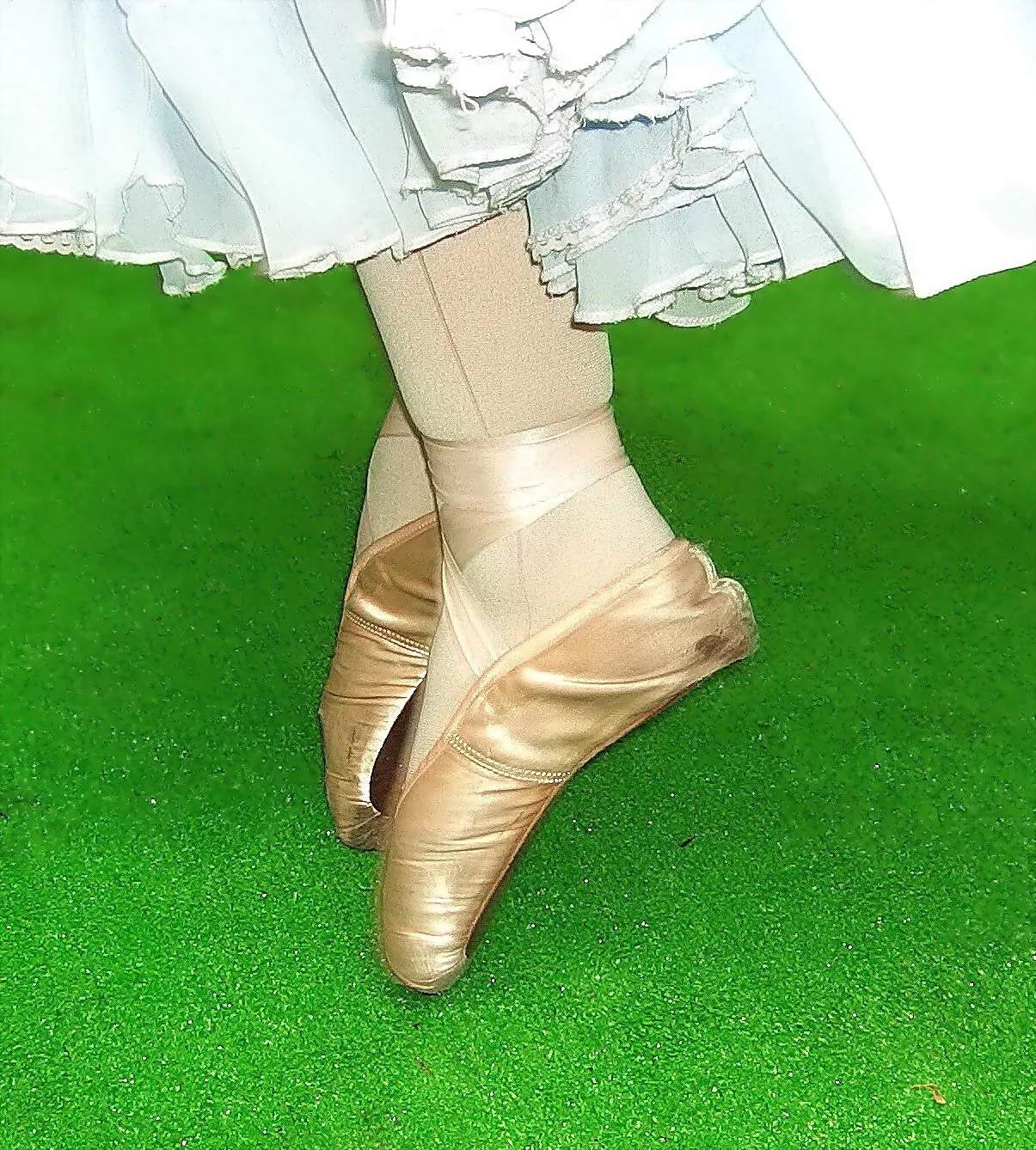
Dancing to classical music: which works should you choose?
Choosing music for classical dance takes thought. A good piece should inspire and gracefully guide movement. For example, playing a famous piece such as a Tchaikovsky waltz can turn an evening into an unforgettable occasion.
Every musical piece has a distinct theme, combining technique and emotion. The Viennese waltz, with its lively rhythm, is ideal for creating a festive and elegant atmosphere. Other works, such as Dvořák’s Slavonic Dances, offer a more expressive and passionate quality.
You might choose a work because of when it was composed or how well known it is. Pieces such as Tchaikovsky’s Waltz of the Flowers and Johann Strauss II’s The Blue Danube are timeless classics. Their rich musical structures provide an ideal foundation for dancing.
Finally, examining musical themes can help you understand the movements. A well-chosen piece can provide the momentum for a rewarding dance. Let timeless melodies guide you and create magical moments on the dance floor.
Iconic works from the classical repertoire for dancing
Classical music offers a rich and varied repertoire for dance. Some works are particularly well suited to an evening of dancing because of their rhythms and melodies.
Tchaikovsky – Waltz of the Flowers
Pyotr Tchaikovsky composed Waltz of the Flowers, a piece that evokes the elegance of a ball. Its emotionally rich musical structure and lively rhythm make it a favourite among dance lovers.
Johann Strauss II – The Blue Danube
Known as the “Waltz King”, Johann Strauss II made history with The Blue Danube. Its timeless melody and captivating rhythm make it ideal for festive occasions.
Antonín Dvořák – Slavonic Dances
Antonín Dvořák captured the spirit of folk music in his Slavonic Dances. Full of emotion and passion, these pieces give dancers considerable freedom of expression.
Although composed long ago, these works still resonate today. They illustrate the connection between classical music and dance and provide an ideal foundation for an evening of dancing.
The influence of composers and tradition
Composers played a central role in the development of classical dance. Their deeply expressive works continue to guide dancers’ movements. Jean-Baptiste Lully, for example, shaped the Baroque era by incorporating dance into his compositions and creating memorable ballets.
Jean-Baptiste Lully and Baroque music
Lully, a 17th-century French composer, pioneered the union of music and dance. His compositions, including court ballets, were designed to accompany dancers’ movements. Baroque music, with its complex rhythms and ornamentation, naturally invited choreography. Lully thus laid the foundations for a repertoire that would inspire generations of choreographers.
Brahms and Chopin: elegance and passion
Brahms and Chopin each brought something distinctive to classical dance. Brahms’s pieces, with their refined character, provide an ideal basis for elegant choreography. Chopin captured the essence of dance in his emotionally charged waltzes and mazurkas. Although their works differ, both share a timeless grace that still inspires dancers today.
Composers influenced dance traditions and inspired legendary ballets and choreography. For example, the Romani influences in some pieces added a passionate dimension to dance. The use of classical guitar, as discussed in this article, also shows how modern interpretations can bring traditional works to life again.
The influence of composers on classical dance is undeniable. Their creations, full of emotion and character, continue to shape choreography. Every musical piece is a living legacy that guides dancers across the centuries.
Dance and music in cinema and ballet
Cinema and ballet have a rich history of artistic exchange. Since the 20th century, these two art forms have come together to create unforgettable visual and musical experiences.
From West Side Story to On the Town
Legendary choreographer Jerome Robbins left his mark on cinema with West Side Story and On the Town. These films, with music by Leonard Bernstein, incorporate jazz influences that refresh the classical tradition.
These works mark a turning point in ballet history. West Side Story places the story of Romeo and Juliet in an urban setting, while On the Town celebrates the lives of sailors with humour and rhythm.
| Film | Year | Characteristics |
|---|---|---|
| West Side Story | 1961 | Modern adaptation of Romeo and Juliet, innovative choreography |
| On the Town | 1949 | Musical comedy, blending ballet and jazz |
Cinema captures the spirit of musical genres and dance styles, using dance sequences to bring stories to life. For example, the complex choreography in West Side Story heightens its emotion and conflict.
The connection between ballet and cinema is also apparent in the choreography used on screen. Elegant, expressive movements, such as those in On the Town, illustrate this artistic union.
Rhythms and movements: analysis and practical advice
Rhythm is central to dance: it guides movements and brings musical pieces to life. Understanding its role is essential to a satisfying performance.
Why rhythm matters in dance
Rhythm organizes musical time through patterns of sounds and silences. It is usually measured in beats per minute (BPM), which helps establish whether a piece is slow, moderate or fast. For example, a metronome set to 60 BPM is useful for rhythm exercises.
The waltz, in 3/4 time, emphasizes the first beat, while pieces in 4/4 time, common in pop and rock music, have a different structure. Polymetric rhythms layer several time signatures, creating complex nuances.
Techniques inspired by classical works
Dance movements often draw on the repeating patterns found in musical pieces. These patterns support melodies and solos and provide a solid foundation for choreography.
- Rhythm exercises: use eighth notes and quarter notes to improve your precision.
- Advanced exercises: incorporate syncopated rhythms, which are common in jazz and Afro-Cuban music.
Active listening is essential for identifying complex rhythmic patterns and distinguishing musical accents. It strengthens both technique and your emotional connection to the music.
Synchronizing movement and rhythm creates visual and musical harmony, essential to expressive and captivating dance.
Bridging tradition and modernity
Dance heritage combines with modern elements to offer a fresh perspective on classical movements. The end of a traditional cycle opens the way to contemporary forms of expression, breathing new life into this centuries-old art.
Innovations and contemporary influences
Contemporary innovations, such as digital technology and urban dance styles, transform every moment on stage. Visual effects and collaborations with modern artists, for example, add a new dimension to traditional choreography.
These elements develop together, creating a bridge between two eras. Classical dance remains alive, adapting to contemporary tastes while preserving its essence.
A selection of pieces for your evening gatherings
Want to create an unforgettable atmosphere at your next gathering? Classical music offers plenty of pieces to accompany moments of dancing. Whether you dance with family or as a couple, a thoughtful selection can make your evening graceful and welcoming.
For families and couples
Choose pieces that suit all ages. The waltz, with its lively rhythm, is ideal for families and invites light-hearted moments and laughter. For couples, excerpts from Romantic ballets such as Swan Lake add intimacy and elegance.
A festive, elegant atmosphere
The waltz, a symbol of elegance, is a natural choice for a festive evening. Pieces such as Johann Strauss II’s The Blue Danube and Tchaikovsky’s Waltz of the Flowers create a captivating atmosphere. Rich in emotion, they are ideal for a ball.
| Piece | Composer | Characteristics |
|---|---|---|
| The Blue Danube | Johann Strauss II | Elegant waltz, timeless melody |
| Waltz of the Flowers | Tchaikovsky | Lively rhythm, festive atmosphere |
| Swan Lake | Tchaikovsky | Romantic ballet, expressive movements |
To synchronize your movements with the music, choose ballet excerpts or traditional steps. Their clear rhythmic structures will guide your dancing. A successful evening also depends on a thoughtful music selection.
Conclusion
Dance and classical music form a timeless partnership full of emotion and grace. The waltz, with its captivating rhythm, remains one of the most iconic dances for dance lovers. These works, inherited from a rich past, continue to captivate audiences today.
Exploring these classical pieces reveals a variety of themes and characters that reflect the origins and development of dance. The waltz, for example, symbolizes elegance and passion, while other pieces evoke stories and profound emotions. Creations shaped by centuries of tradition still influence the world of dance.
Try dancing to these legendary pieces and enjoy the experience. Follow their timeless rhythms and melodies, and rediscover classical music in a lively, modern way. Every step and every note tells a story connecting past and future.
As a recent study points out, dance and classical music play a key role in preserving our cultural heritage. By dancing to these works, we celebrate art and its lasting impact on society.
FAQ
What are the best classical works for dancing?
How do you choose classical music for an evening gathering?
How have classical composers influenced dance?
How can you use classical music in a film or show?
What basic techniques help you dance to classical music?
How can you adapt classical music to modern dance?
Which works are recommended for beginners?
How do you organize an evening of dancing to classical music?
Source links
- https://www.classicfm.com/discover-music/periods-genres/ballet/best-scores-ever-written/
- https://karajan.org/stories/weekly-spinon-invitations-to-dance/
- https://www.lamonnaiedemunt.be/en/magazine/2549-one-two-three
- https://www.romarchive.eu/en/music/classical-music/brahms-and-roma/
- https://www.digitalconcerthall.com/en/playlist/67