


This buying guide sets out the essentials: choose an instrument you can actually play from the first few weeks, without overspending or struggling with a poorly adjusted model.
The E-flat alto saxophone is often the preferred choice. It is versatile, relatively light and easier for new musicians to handle.
Getting off to a good start requires easy tone production, stable intonation and comfortable hand position. An instrument that is ready to play helps you avoid developing bad habits.
Here you will find a model comparison, a checklist for new and used instruments, and the essential accessories: mouthpiece, reeds and cleaning supplies.
By the end: you will know which instrument level to aim for, what budget to plan and what to check before buying. For more information, see the detailed buying guide on this specialist site.
Why the alto saxophone is a good choice for beginners
The E-flat alto often offers the best balance for a beginner. It combines a manageable size, a responsive feel and a range suited to many styles of music. That is why schools often use it as their standard saxophone.
Musical versatility
The instrument suits classical music, jazz, contemporary music and marching bands. One alto lets you explore all these styles without changing instruments. This makes learning simpler and encourages progress.
Comfort and ease of use
Its weight is manageable, and the spacing of the keys suits most hands. Accessible keywork helps beginners develop automatic finger movements. This makes everyday playing easier.
Quick comparisons
- Tenor: lower range and excellent for jazz, but larger and more demanding of breath support.
- Soprano: more demanding in terms of intonation; it can be frustrating without good embouchure control.
- Baritone: very low-pitched and large; generally suited to ensemble needs or advanced players.
| Type | Ease of playing | Common uses |
|---|---|---|
| Alto (E-flat) | High | Classical, jazz, contemporary music |
| Tenor (B-flat) | Moderate | Jazz, solo playing |
| Soprano (B-flat/E-flat) | Low | Solo playing, bright tones |
Recommendation: if you are unsure which type to choose, the alto is a dependable starting point for learning well.
How to choose a beginner alto saxophone: the criteria that matter
Before buying, decide what level of instrument fits your musical goals.
Instrument level
There are three broad levels: starter (young beginners), student (the best starting point for most people) and semi-professional (for a longer-term commitment).
A well-adjusted student instrument is usually a better choice than a cheap model with an attractive finish. Mechanical quality affects how easily you learn.
Mechanism and keywork
Check that the pads seal properly, the rods have no excessive play and the springs respond promptly.
Keys that return quickly and work consistently help prevent bad playing habits.
Intonation, sound and comfort
Choose an instrument with stable intonation that lets you produce notes without excessive adjustment.
At first, the tone should be even from low to high notes and easy to control.
Check the shape and spacing of the keys against your hands. Good posture, with your back and neck straight, also helps you breathe and play.
Finish, body and maintenance
Lacquer, engraving and a wide bell have limited impact on your initial results. Prioritize a well-sealed instrument and proper adjustment.
Good maintenance protects the mechanism and keeps the instrument playing consistently over time.
| Criterion | Starter | Student | Semi-professional |
|---|---|---|---|
| Intended player | Children | Teenagers/adults | Committed musicians |
| Mechanical quality | Basic | Good | Very good |
| Intonation / tone | Acceptable | Stable | Rich and precise |
| Indicative price level | Entry-level | Good value | Long-term investment |
Budget and value: how much to allow for a beginner alto saxophone in France
Setting a realistic budget helps you avoid surprises and choose the right instrument. Prices in France vary considerably by quality level and origin.
Practical price ranges:
- Small budget: approximately €269–€298 (entry-level models with mechanical limitations).
- Serious student instrument: around €529–€999 (SML A420 SII, Yamaha YAS 280, Jupiter JAS500Q).
- High-end / long-term choice: €2,700 and above (for example, Yanagisawa A-WO1).
What the price often includes: a case, basic mouthpiece, ligature, mouthpiece cap and sometimes a cleaning kit. The quality of these accessories varies greatly between models and packages.
Allow money for accessories too: reeds, which need replacing, a swab and cleaning supplies. Investing in a sound mechanism and stable intonation can cost less than repeated repairs.
Your budget will affect whether you buy new or used. For detailed guidance and suggested models, see this best saxophone comparison.
New or used saxophone: which is better for beginners?
Choosing an instrument that has been checked before purchase reduces technical problems that slow your progress. A new instrument offers reassurance: adjusted keywork, sealing pads and no previous damage. These features reduce time spent on adjustments and make learning easier.
Why a new instrument is often recommended
A new instrument should be ready to play. Its keys, springs and pads are new, so a beginner does not have to compensate for hidden faults.
Buying used: precautions and checklist
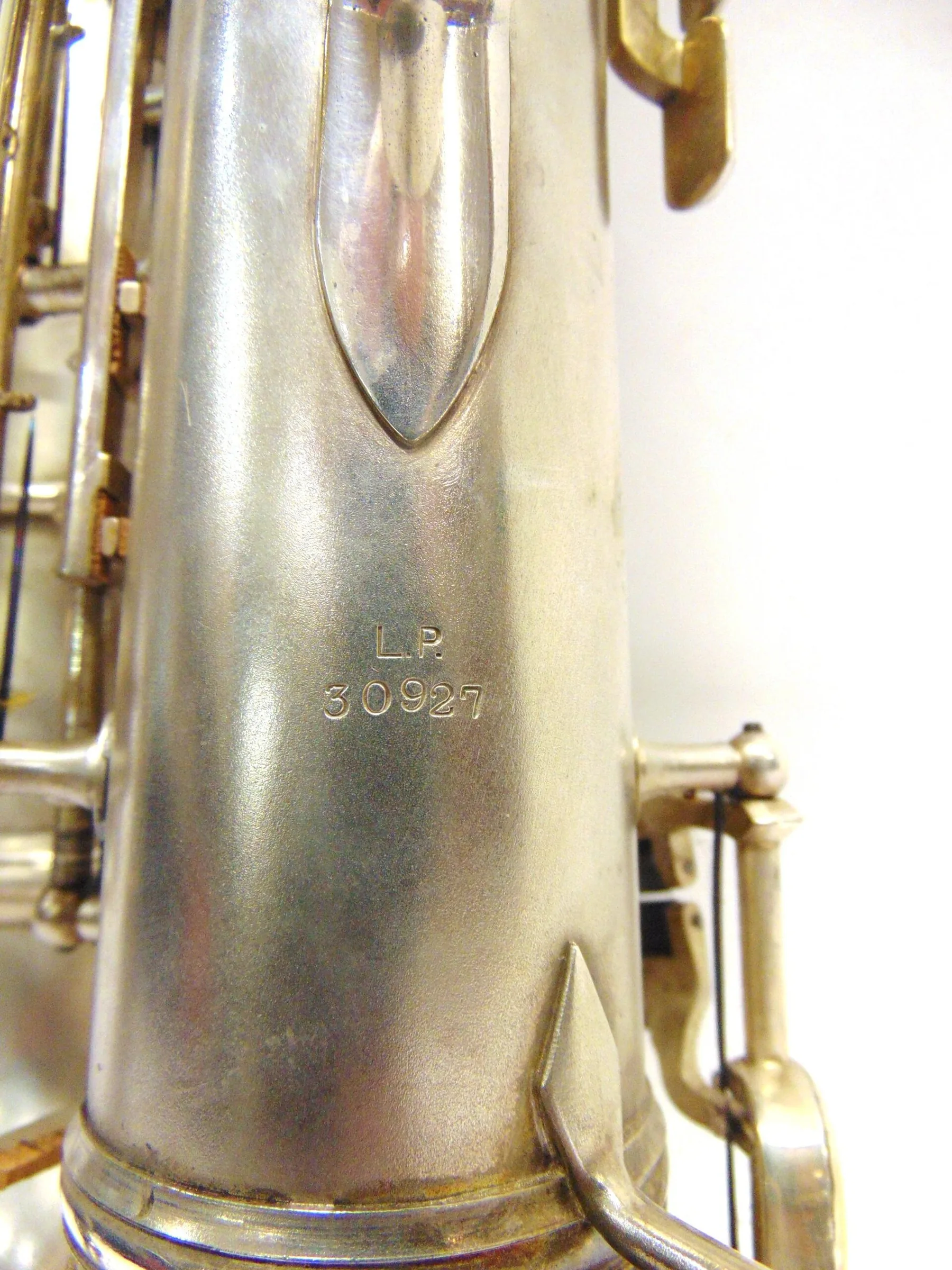
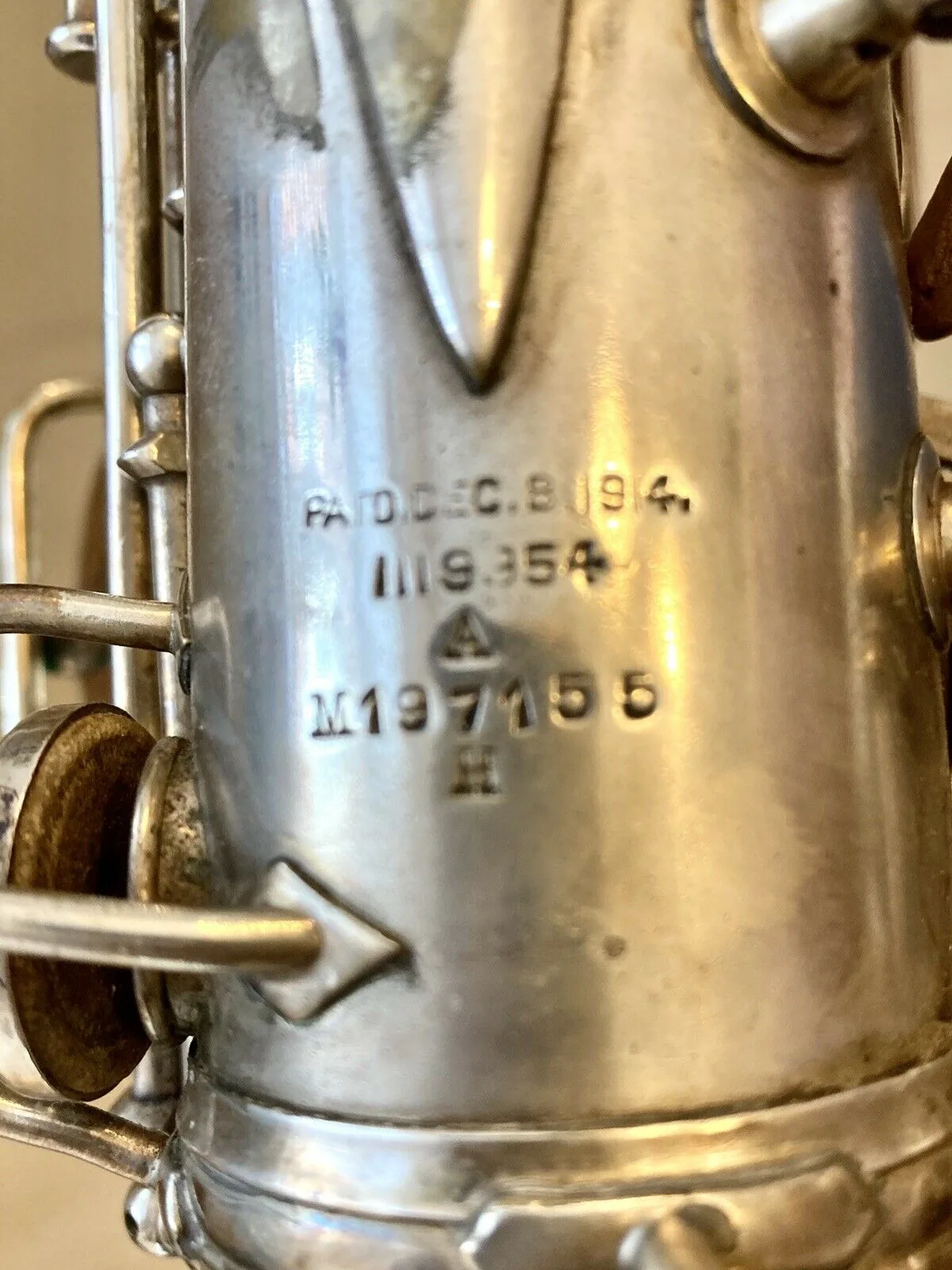
Risks include leaking pads, loose rods, bent keys and a damaged neck. These problems can make the instrument unplayable.
- Test tone production from the lowest to the highest notes.
- Check key alignment and the condition of the pads.
- Inspect the neck and cork, and listen for unusual noises.
Brands and places of manufacture to consider
Consider established brands such as Yamaha, SML Paris, Jupiter and Yanagisawa. Instruments made in Taiwan, Japan or France often hold up well over time.
| Option | Advantage | Risk |
|---|---|---|
| New | Ready to play, warranty | Higher initial cost |
| Used | Attractive price | May need servicing, with unexpected costs |
| Professional servicing | Restores playing condition and extends useful life | Extensive repairs may wipe out the savings |
If you are unsure, ask a repair technician to inspect the instrument or read a practical resource such as this guide before deciding.
Essential accessories for a good start and sound playing habits
The right accessories quickly make practice less of a struggle and progress more enjoyable. A mouthpiece and a suitable reed directly affect tone production: a good setup is easy to play, while a poor combination makes the sound unstable.
Choosing a mouthpiece and tip opening
For a beginner, choose a moderate tip opening, around 170 to 190 for alto. Hard rubber is often more forgiving, metal produces a more open sound, and resin is durable.
Reeds and strengths
Reeds need regular replacement. Start with a soft strength (1 to 2.5 or 2 to 3, depending on the brand). Try several strengths, and replace a reed if it vibrates poorly, cracks or becomes unreliable.
Ligature and comfort
The ligature affects how the reed vibrates. Fabric (a warm sound), leather (a more compact sound) and metal can also feel different to play. BG France offers options popular with beginners.
Transport, tuning and maintenance
A sturdy case, neck strap and stand help prevent drops and protect the mechanism. Use a tuner-metronome (Cherub WMT-565 or Korg KDM-3) to practise F-sharp and C on the alto.
Keep the routine simple: swab the instrument after every session, let it dry and clean the mouthpiece. For more practical advice, see this guide.
Recommended beginner alto saxophones: a comparison to guide your purchase
These models suit different needs, from school and home practice to a long-term musical commitment.
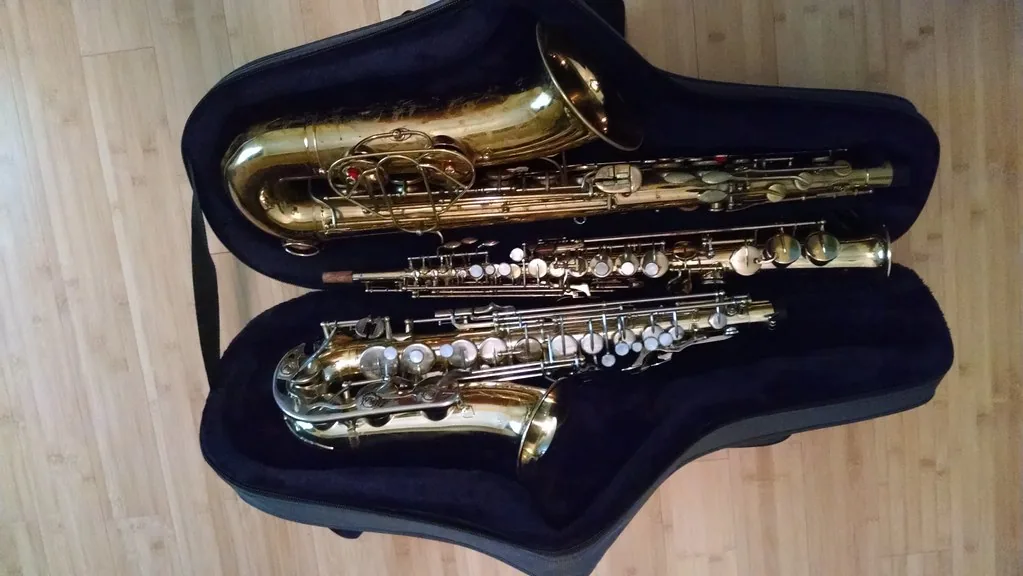
Student benchmark — Yamaha YAS 280
For: students and adults attending a conservatory or taking lessons.
Strengths: thoughtful ergonomics, stable intonation and easy tone production. Ideal if you want an instrument that is ready to play without compromise.
Good value — SML Paris A420 SII & Jupiter JAS500Q
For: schools, ensembles and developing musicians.
Strengths: robust mechanisms, straightforward adjustment and limited maintenance needs. A good balance of cost and durability.
Small budgets
Models: Startone SAS-75, Thomann TAS-180.
Limitations: check for leaks and allow for adjustments or replacement accessories.
High-end option
Yanagisawa A-WO1: for players who want to keep the same instrument for years. High-quality construction and versatility across styles.
Special cases — children and small hands
Prioritize comfortable keywork. The Trevor James Alpha can help younger players. A curved soprano is another possibility, but it requires better control of intonation.
Final tip: if you are choosing between alto and tenor, the alto is generally easier; the tenor mainly makes sense for an adult especially motivated by jazz.
Conclusion
In short, choose a reliable instrument that has been properly adjusted.
A student saxophone that is ready to play is usually the best starting point. Intonation, comfort and airtight pads matter more than a low price.
Checklist: set a realistic budget, try the instrument if possible, have a used one professionally inspected or serviced, and buy a suitable mouthpiece and reeds from the start.
Practise posture, breathing and tuning (F-sharp and C on alto) regularly with a metronome. These exercises help you progress.
Compare models against your needs—child or adult player, preferred styles and plans for the coming years—and choose the most durable option.