

Among the many forms of classical music, operatic singing holds a special place. Rooted in religious and theatrical traditions, it raises the voice to the status of an instrument in its own right, capable of matching an orchestra and conveying the deepest emotions. At the meeting point of technique and interpretation, it continues to fascinate through its intensity, its demands and its capacity for reinvention. Let us explore the origins, techniques and present-day life of this distinctive vocal art.
The origins of operatic singing
Long before the great opera stages, operatic singing had its roots in the Western tradition of medieval plainchant. Monophonic and unaccompanied, Gregorian chant made the voice a vehicle for spirituality, with a continuous melodic line, flexible breathing and clear diction. This emphasis on the melodic line helped lay the foundations for a vocal technique designed to carry through reverberant spaces.
Western music moved from monody to polyphony. At the Notre-Dame school in Paris, organum (the layering of voices) introduced a vertical dimension to sound, requiring singers to adjust their pitch, timbre and projection within an ensemble. The voice no longer merely recited: it became an architecture, a balance of lines and resonances. The collective work of choirs was already refining technical skills—breath support, listening and vocal placement—that remain central to operatic singing.
During the Renaissance, humanist ideals gave rise to the madrigal and more expressive declamation. At the end of the 16th century, the Florentine Camerata sought to revive the sung speech of antiquity. The opera in musica emerged, with its recitatives, arias and choruses. In 1607, Monteverdi marked this turning point with L’Orfeo: the voice became theatrical, balancing the clarity of the text with the fullness of the sound. This model spread across Europe and shaped the major schools of singing.
In France, Lully and then Rameau developed a distinctive approach: an emphasis on recitative (diction and prosody), a refined orchestra, and dramatic roles for ballet and chorus. Everywhere, singing in a hall without amplification demanded a particular technique of breath, support and resonance that would later inform the aesthetic of bel canto. From medieval neumes to great operatic tragedies, this early history tells above all how acoustics and text shaped the voice into the central instrument of classical music.
Vocal technique: discipline and freedom
Operatic singing is distinguished first by its technical demands. To project the voice through a hall without amplification, a singer must develop complete control of breathing, resonance and articulation. This discipline calls for daily training: managing the breath, opening the resonating spaces and working across the vocal range. Every detail matters in achieving the blend of power and clarity that characterizes the operatic voice.
Yet discipline also makes room for freedom. Once the foundations are in place, singers explore their timbre, shape the colors of their interpretations and use their voices to convey emotion. Far from being a mere display of virtuosity, operatic singing is a living art that seeks to move listeners as much as to impress them.
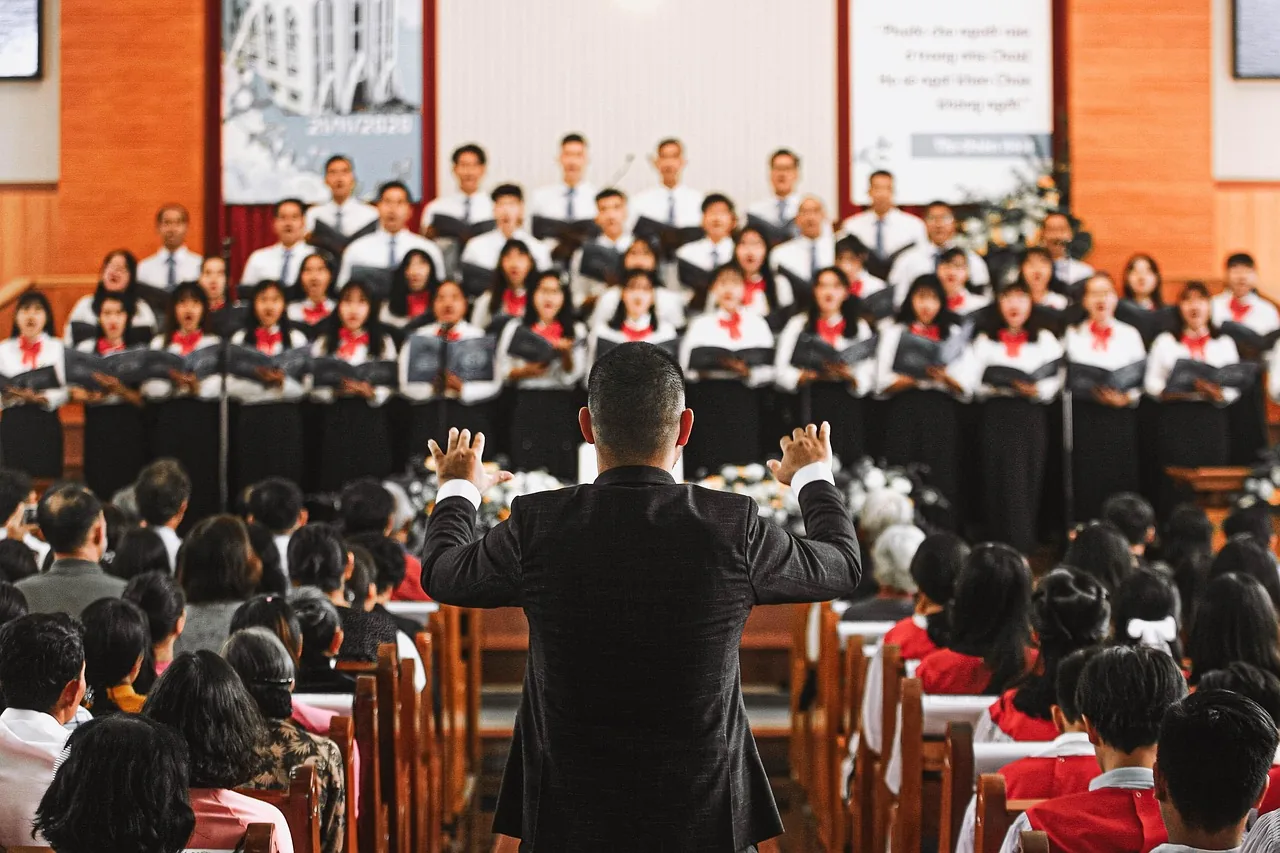
The richness of collective work emerges from this interplay between discipline and expression. The role of the choral conductor is central here: bringing different voices into harmony, adjusting dynamics and nuances, and giving the ensemble a unified sound. This patient work helps each singer find the right place, drawing on technique while allowing individual artistry to flourish.
Voices and roles that have shaped history
Operatic singing has given rise to a rich classification of voices, each associated with emblematic roles. Audiences recognize sopranos and baritones not only by their vocal ranges, but also by their expressive colors and the characters they portray.
Sopranos, often heroines or tragic figures, are known for their agility and brilliance. Whether portraying the Queen of the Night in Mozart’s The Magic Flute or Violetta in Verdi’s La Traviata, they impress with the virtuosity of their high notes and the emotional weight of their roles.
Mezzo-sopranos occupy a middle range rich in nuance. They appear in seductive roles, such as Bizet’s Carmen, and in trouser roles, portraying spirited or dreamy young men, such as Cherubino in The Marriage of Figaro.
Tenors often give voice to passionate lovers or heroes. Their dramatic intensity and striking high notes have captivated generations of listeners through characters such as Don José in Carmen and Radamès in Aida.
Finally, baritones portray figures of power, authority or rivalry. The depth of their timbre suits roles such as Verdi’s Rigoletto or Count Almaviva in The Marriage of Figaro. Basses add a sense of gravity and solemnity, as in religious or mythological roles such as Sarastro in The Magic Flute.
Each voice thus becomes both a sound color and a theatrical identity. Through them, audiences recognize archetypes that span the ages and carry forward the heritage of opera.
Operatic singing today: tradition and modernity
Operatic singing retains a prominent place on major opera stages and at classical music festivals around the world. Opera houses continue to perform masterpieces by Mozart, Verdi and Puccini, preserving their vocal demands and dramatic power. Yet opera does more than safeguard its heritage: it continually invents and reinvents itself.
Many contemporary artists are opening up the genre. Some directors revisit classic operas with contemporary sets or political interpretations, making these works more accessible to today’s audiences. Others explore the fusion of opera with modern styles: collaborations with jazz musicians, ventures into pop, and the use of digital technologies to create immersive stage experiences.
Operatic singing is also finding new spaces. It can be heard outside traditional halls, in unexpected venues such as former industrial sites and churches, or even outdoors, reaching a wider public. This drive to broaden access serves an important purpose: introducing the beauty of the operatic voice to people who might never have entered an opera house.
Finally, a new generation of singers and choral conductors embodies this commitment to both tradition and innovation. Heirs to a centuries-old technique, they readily explore other vocal styles and collaborate with related disciplines such as dance, theater and film. This dialogue between past and present keeps operatic singing alive and ever-changing, always ready to move and surprise audiences.
Conclusion
Operatic singing, born of centuries-old traditions and continually reinvented, brings together technical discipline and expressive power. From medieval churches to contemporary opera houses, from tragic heroines to modern experiments, it continues to move audiences through the force of the human voice alone. Rooted in history yet open to the future, it remains a living art that reminds us of the timeless beauty of breath and music shared with others.