

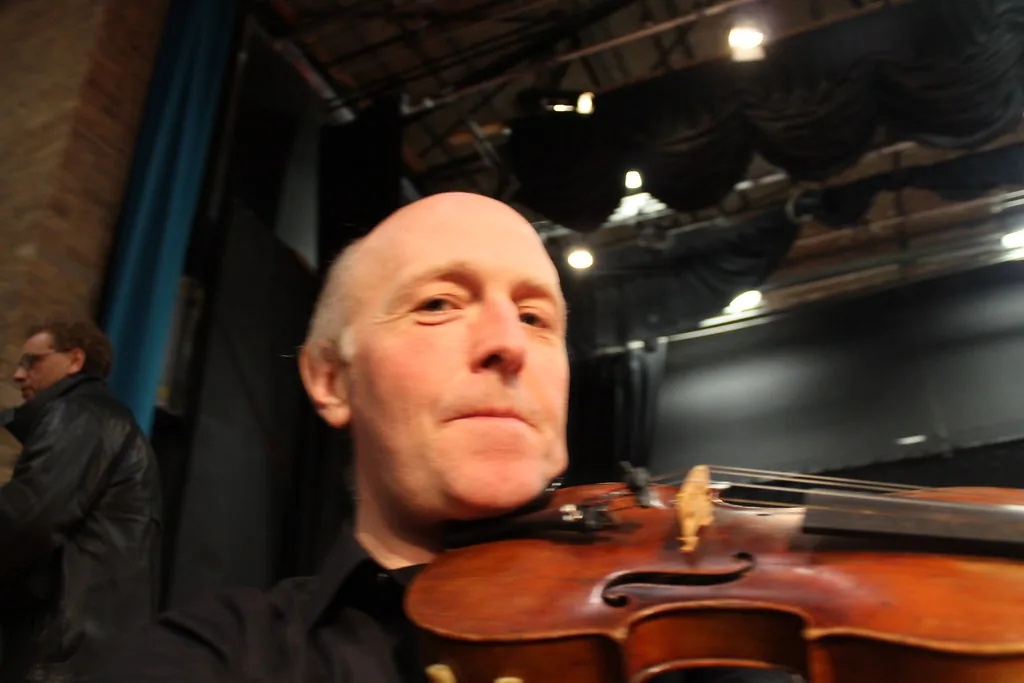
As Christmas approaches, the enchanting world of classical music takes on a special quality. The magic of the season comes through in timeless melodies that carry listeners into a warm and moving atmosphere.
For centuries, composers such as Tchaikovsky and Debussy have shaped a rich and varied festive repertoire. Piano, choir and orchestral arrangements offer a range of sounds that resonate with us and evoke deeply rooted memories and emotions.
The Christmas music tradition, with works such as Johann Sebastian Bach’s Christmas Oratorio and the captivating melodies of the Midnight Mass, highlights the lasting bond between music and celebration. Every note and every chord seems to carry the spirit of the season, creating a harmony between music and emotion.
At this time of year, classical music becomes more than accompaniment: it invites us to embrace the wonder of Christmas. Whether we hear angelic voices or traditional melodies, each piece reminds us of the pleasure of celebrating with elegance and sincerity.
The enchanting atmosphere of the holidays and classical music
December lends itself to a captivating atmosphere in which classical music plays a central role. The magic of Christmas comes through in melodies that stir strong emotions and create a sense of wonder.
The importance of music to the Christmas spirit
Music lies at the heart of the Christmas spirit and gives it a unique emotional depth. Debussy’s Footprints in the Snow and Tchaikovsky’s ballet The Nutcracker illustrate this blend of sound and feeling. Played throughout December, these works evoke a magical night and gentle winter evenings.
The emotional effects of classical melodies
Piano performances and vocal arrangements, including Christmas carols, heighten the emotion. These melodies take us on a musical journey, bringing profound joy and an unforgettable sensory experience. Christmas carols strengthen the festive spirit and add a touch of magic to the celebration.
In its timeless forms, classical music creates a harmony between emotion and celebration. It invites us to enjoy the wonder of Christmas, when every note tells a story and brings back cherished memories.
The historical origins and musical tales of Christmas
Christmas music has roots in centuries of history and tradition. Legends and stories have inspired timeless works such as Tchaikovsky’s celebrated ballet The Nutcracker. These creations tell magical stories and transport listeners to an enchanted world.
Legends, stories and timeless ballets
Composed in 1892, the ballet The Nutcracker beautifully illustrates this musical tradition. Its story, inspired by E. T. A. Hoffmann’s tales, features memorable characters and unforgettable melodies. Tchaikovsky’s music captures the essence of childhood and the magic of Christmas.
Inspiration from traditions and the winter solstice
The winter solstice has influenced many composers. Tradition associates this season with celebrations, and classical music reflects them. Christmas carols, for example, often performed on piano or by a choir, evoke old stories and deep emotions.
Voices and choirs add a spiritual dimension, as in biblical stories in which angels guide the shepherds. These melodies keep traditions alive and connect past and present. To explore these musical stories, discover our selection of podcasts devoted to classical Christmas music.
A selection of works: the most beautiful classical music for Christmas
As the holidays approach, classical music offers an unforgettable journey through sound. Among its many masterpieces, some works stand out for their magic and emotion.
Tchaikovsky’s masterpieces and The Nutcracker
Tchaikovsky’s ballet The Nutcracker, first performed in 1892, remains essential Christmas listening. Its music, with melodies such as the Dance of the Sugar Plum Fairy, evokes an enchanted night. Inspired by E. T. A. Hoffmann’s tales, the work transports listeners into a dream world.
Memorable works by Debussy, Liszt and Berlioz
Debussy’s Preludes offer a more intimate mood. Liszt’s The Snowstorm is a piano piece that captures the winter atmosphere. Berlioz adds a spiritual touch with The Childhood of Christ.
Often performed in orchestral or vocal versions, these works invite us to rediscover traditional carols. The voices of choirs and soloists add emotional depth.
Discover these works in our selection by following this link.
Comparing styles and instrumental arrangements
Christmas music features a wide variety of instrumental arrangements. From solo piano to choirs, each style offers a distinct experience and shapes the listener’s emotions.
The role of piano and choirs in Christmas carols
The piano’s expressive range creates a deep sense of intimacy. Choirs bring an exceptional richness of voices. Often heard together, these two elements evoke powerful emotions.
Traditional carols reimagined in modern arrangements offer a rich range of sounds. The piano captures the essence of the melodies, while choirs add a spiritual dimension and turn each piece into an unforgettable musical journey.
In December, these performances create distinctive atmospheres. Discover how such arrangements reinvent the classics in our selection by following this link.
Legendary performances and essential recordings
Christmas music is enriched by legendary recordings and unforgettable performances. Presented by renowned artists and orchestras, these works lend a special character to the festive season.
Great orchestras and soloists: celebrated recordings
Great orchestras, including the Berlin Philharmonic and the Royal Philharmonic, deliver masterful performances. Piano playing by virtuosos such as Martha Argerich adds moving intensity. These recordings capture the essence of Christmas melodies and carry listeners into an enchanted night.
Anatoly Lyadov, Sibelius and other timeless voices
Composed in 1905, Anatoly Lyadov’s Christmas Night evokes gentle melancholy. Jean Sibelius’s Midnight Mass adds a spiritual touch. Performed by moving voices, these works strengthen the festive atmosphere.
Modern variations and contemporary adaptations
Modern versions, such as remixes of Tchaikovsky, offer a contemporary touch. Often played late at night, these arrangements bring freshness to the classics and create harmony between tradition and innovation.
| Composer | Work | Performer | Character |
|---|---|---|---|
| Anatoly Lyadov | Christmas Night | Moscow Symphony Orchestra | Captivating melody |
| Jean Sibelius | Midnight Mass | Helsinki Choir | Deep spirituality |
| Tchaikovsky | The Nutcracker | Martha Argerich | Pianistic virtuosity |
With their songs and choirs, these legendary recordings offer an unforgettable musical experience. They capture the joy and nostalgia of childhood and take us on a musical journey through the holidays in December.
Conclusion
Rich in history and emotion, Christmas music continues to captivate hearts across the ages. It brings generations and cultures together and offers a timeless connection between past and present. Traditional carols and modern performances sit side by side, creating harmony between music and celebration.
Rediscover classical masterpieces in elegant new interpretations, or explore contemporary creations that keep the festive spirit alive. Whether played on piano or sung by a choir, music evokes cherished memories and inspires new emotions. It is a journey through sound that transcends time and invites reflection and joy.
This festive season, let the timeless magic of Christmas music carry you away. It remains an endless source of inspiration and happiness, offering everyone a moment of peace and togetherness. Celebrate the holidays with melodies that resonate with you, and discover new performances that enrich this unforgettable repertoire.
FAQ
Which classical works are essential Christmas listening?
How does classical music contribute to the Christmas atmosphere?
Where do classical Christmas carols come from?
Why is the piano important in Christmas carols?
How do choirs enrich Christmas carols?
Which performances of Christmas songs are the most famous?
How do Christmas carols evoke tradition and joy?
How do travel and Christmas evenings influence Christmas music?
How are angels portrayed in Christmas carols?
What place does childhood have in Christmas carols?
Source links
- https://www.abc.net.au/listen/classic/read-and-watch/music-reads/your-favourite-classical-music-for-christmas/12999078
- https://classical.music.apple.com/us/playlist/pl.478d7dabdef3421fa7365618ad15fbfc
- https://calmradio.com/component/k2/5269-classical-music-for-christmas-holidays
- https://www.smithsonianmag.com/arts-culture/tragedy-struck-composer-irving-berlin-on-christmas-day-years-later-he-would-write-one-of-the-all-time-holiday-classics-180987920/