

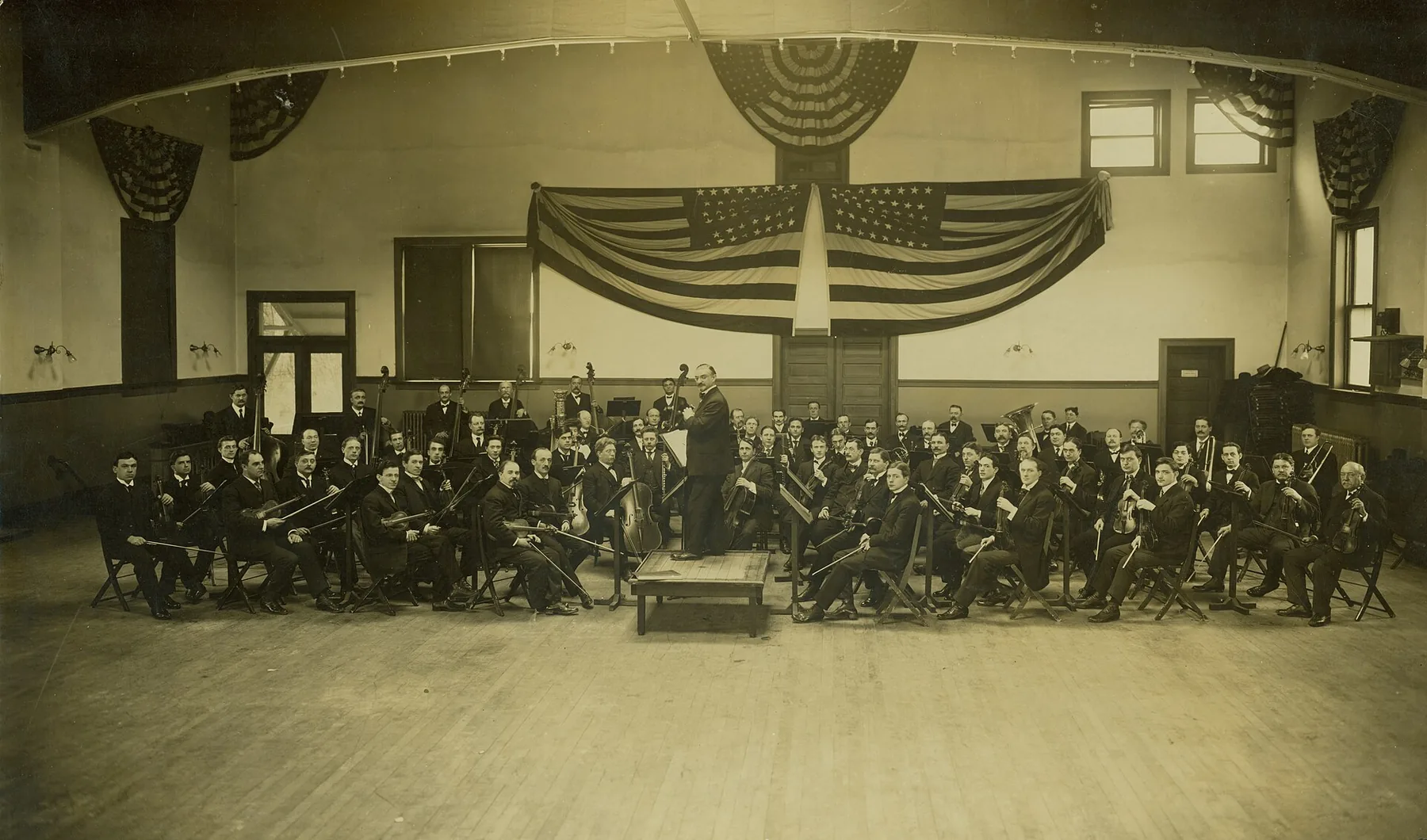
Western classical music, often described as art music, represents an immense cultural heritage. Distinguished by its complexity and rich history, it spans the Middle Ages to the present day. Unlike popular music, it draws on written traditions and precise notation.
Divided into several major periods, classical music offers remarkable variety. These include the Medieval, Renaissance, Baroque, Classical, Romantic and contemporary periods. Each reflects stylistic innovations and technical advances.
Legendary composers such as Bach, Mozart and Beethoven have shaped its history. Their varied works remain pillars of classical music. Musical notation developed over centuries, allowing more complex expression and greater independence of voices in polyphony.
The distinction between art music and popular music, though blurred, highlights exchanges between them. Musicologists and museum scholars continue to illuminate this rich history and deepen our understanding of its development.
Introduction to classical music
Classical music, often described as art music, stands out for its rich history and complexity. It spans the Middle Ages to the present day and encompasses diverse styles and innovations.
Defining classical music
Classical music has both sacred and secular dimensions. Its roots lie in Christian liturgy, but it also explores secular themes. This duality reflects a balance between spirituality and human expression.
Why study this musical tradition?
Studying classical music helps us understand its profound cultural impact. It has influenced art, literature and even modern media. Composers such as Mozart and Beethoven left works that still resonate today.
With its distinct periods, Western classical music takes us on a journey through the centuries. It remains a source of inspiration and education, enriching our understanding of history and culture.
The historical context of art music
Art music has evolved over centuries through technical and stylistic innovations. From Gregorian chant to the present day, it reflects the social and cultural changes of each era.
Origins and major developments
Art music was originally chiefly liturgical, with Gregorian chant emerging in the sixth century. Over time, the rise of polyphony in the Middle Ages brought greater complexity.
During the Renaissance, composers explored new harmonies, while the Baroque period introduced ornamentation and opera. Each era contributed its own style to the diversity of classical music.
Social and political circumstances also influenced art music. The emergence of opera in the Baroque era, for example, reflected the ambitions of European royal courts.
Key developments, including the gradual standardization of musical notation, allowed richer expression. Discover classical masterpieces that illustrate this evolution.
The origins: from Gregorian chant to the first written scores
Gregorian chant, associated with Saint Gregory the Great since the ninth century, is one of the foundations of Western art music. Emerging in the sixth century, it spread across Europe in the ninth century and became central to Catholic liturgy.
Notation, transmission and liturgical influence
Gregorian musical notation first appeared as neumes, symbols indicating the movement of the voice. Around 840, a treatise by Aurelian of Réôme provided the first evidence of this notation. Manuscripts such as the Sacramentarium Rhenaugiense (around 795) show that sacred melodies were passed down both orally and in writing.
From the tenth century onward, notated manuscripts multiplied, including notable examples such as the St. Gall Cantatorium. Aquitanian notation and the innovations of Guido of Arezzo marked the gradual standardization of the system and displaced regional notations.
The impact of plainchant on musical culture
Plainchant, or Gregorian chant, profoundly influenced musical culture. Its simplicity and spirituality laid foundations for art music and inspired generations of composers. Its legacy persists, even influencing contemporary music.
| Period | Key event | Impact |
|---|---|---|
| Sixth century | Origins of Gregorian chant | Liturgical foundation |
| Ninth century | Expansion across Europe | Standardization of the liturgy |
| Tenth century | Notated manuscripts | Greater musical precision |
| Fifteenth century | Large square notation | Development of notation |
Medieval music: sacred and secular
Medieval music, spanning the sixth to the fourteenth century, reflects a divide between sacred and secular traditions. This period saw the transition from monophonic chant to polyphony and laid foundations for classical music.
Plainchant and the emergence of polyphony
Plainchant, or Gregorian chant, was chiefly sacred and monophonic. Around the eleventh century, parallel organum introduced harmonies and marked the emergence of polyphony. This innovation enabled greater complexity, as illustrated by the popularity of motets in the thirteenth century.
The art of the troubadours and trouvères
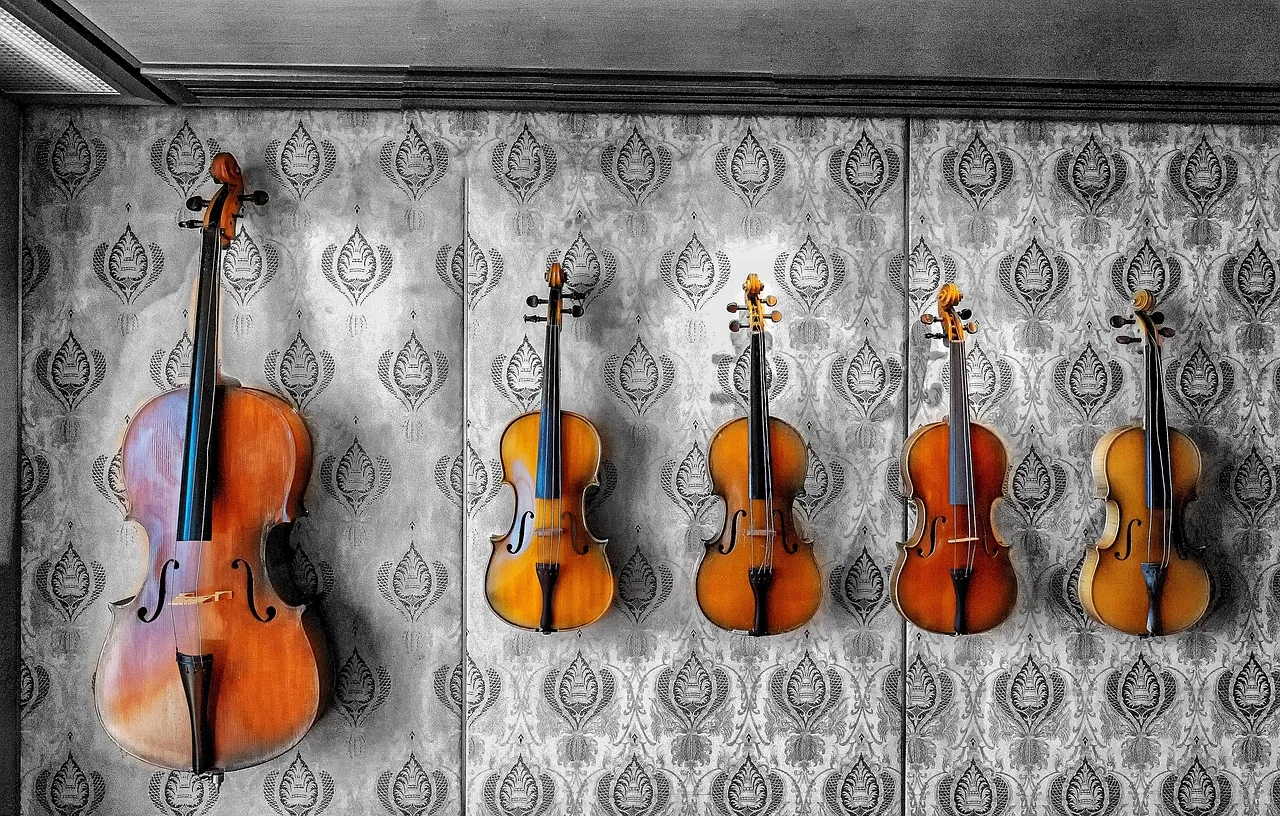
Troubadours and trouvères, often travelling musicians, popularized secular music. Their songs, frequently devoted to courtly love, enriched the medieval repertoire. Guillaume de Machaut, a master of the isorhythmic motet, demonstrated this variety in sacred and secular works.
Polyphony, through forms such as the motet, laid the groundwork for counterpoint. Although manuscripts are scarce, they preserved these works and document the musical development of the era.
The Renaissance: transition and musical change
The Renaissance marked a turning point in music, with a gradual transition from older modes toward major and minor scales. Spanning the fifteenth to the early seventeenth century, it saw the emergence of new musical forms and renewed compositional techniques.
The development of modes and harmonies
The shift from older modes toward major and minor tonalities allowed greater expressiveness. Renaissance composers such as Josquin des Prez and Palestrina explored new harmonies and laid foundations for later polyphony.
The influence of Franco-Flemish and Italian schools
The Franco-Flemish and Italian schools were highly influential. Franco-Flemish masters such as Josquin brought rich, complex polyphony, while Italians such as Palestrina developed a clearer, more balanced style.
The Renaissance also saw the emergence of genres such as opera and the sonata. Together with changes in musical notation, these innovations paved the way for more diverse musical forms, including the string quartet.
Leading composers such as Josquin des Prez shaped the era through their contributions. Their works combined innovation and tradition and continue to resonate today.
The major periods of classical music: a complete guide
Western classical music offers a rich and varied panorama shaped by stylistic transitions and continual innovation. This guide explores its main periods, from the Middle Ages to the present day, highlighting turning points and artistic revolutions.
Each period, an integral part of musical development, reflects a distinct artistic movement. The Renaissance, for example, brought new harmonies, while the Baroque introduced ornamentation and opera. These stylistic transitions enriched and diversified classical music.
| Period | Main style | Key innovation |
|---|---|---|
| Medieval | Plainchant | Emergence of polyphony |
| Renaissance | Complex harmonies | Balance between voices |
| Baroque | Ornamentation | Birth of opera |
| Classical | Structured forms | String quartet |
| Romantic | Intense expression | Expansion of the orchestra |
| Contemporary | Experimentation | Atonality |
This overview offers a clear introduction to the arts and movements that shaped classical music. Each period, with its own characteristics, contributes to an extraordinary musical heritage.
The Baroque era: the rise of ornamentation and emotion
The Baroque era, spanning the sixteenth to the eighteenth century, marked a turning point in music history. Its expressive richness and extensive use of ornamentation transformed the musical landscape.
The emergence of opera and the concerto
Opera emerged as a major genre combining music, theatre and visual art. With L’Orfeo, Monteverdi laid foundations for the genre and brought dramatic intensity to the stage. Opera quickly became a place for innovation and spectacular stage effects.
The concerto developed alongside it. A dialogue between soloists and orchestra created a compelling musical dynamic. Bach and Vivaldi explored this form, developing new structures and contrasts of sound. The concerto became an ideal vehicle for virtuosos.
Innovative use of the piano and basso continuo transformed musical writing. Baroque composers such as Pachelbel, with his famous Canon, used these developments to enrich their compositions. A more powerful orchestra supported this evolution and offered a broader range of sound.
The Classical period: structure, harmony and clarity
The Classical period, from the middle to the end of the eighteenth century, is distinguished by a refined style and a pursuit of balance. It brought a turn toward clarity and formal discipline, embodied by composers such as Wolfgang Amadeus Mozart.
The string quartet and the symphony
The string quartet and the symphony held central places in this period. With its four instruments, the string quartet became a setting for formal experimentation and nuanced, intense expression. The symphony established itself as a major genre, offering a broad range of sounds and complex musical architecture.
Musical Classicism is characterized by formal discipline and harmonic clarity. Composers such as Haydn and Mozart combined balance with expressiveness. Their clear structures and elegant melodies helped shape Western classical music.
Chamber music also played a crucial role. Often intended for small audiences, these works showcased refinement and precision. The string quartet became an especially important form of expression for composers.
The symphony developed remarkably. It became an expansive form in which composers could explore deep emotions. Mozart’s symphonies, for example, combine complexity and clarity to create a rich, balanced musical experience.
Classicism was also shaped by chamber music, which encouraged more intimate and expressive forms. The interplay between chamber music and the symphony contributed to the richness of the Classical period.
Romanticism: the intense expression of emotion
Romanticism, a nineteenth-century artistic movement, transformed classical music by bringing it unprecedented emotional intensity. Its emphasis on individuality and the sublime allowed composers to explore new expressive depths.
Music became a mirror of the soul, conveying intense, personal feelings. Beethoven’s symphonies, including the Fifth Symphony, illustrate this development through dramatic motifs and passionate expression. Lyrical pieces such as Chopin’s nocturnes add intimacy and poetry.
Romantic composers such as Franz Liszt and Hector Berlioz introduced bold innovations. Liszt pushed the piano’s technical limits in his Transcendental Études. Berlioz redefined orchestration in works such as the Symphonie fantastique, where each instrument helps tell a story.
The Romantic style brings together tradition and innovation. Classical forms such as the sonata and symphony gained complex harmonies and passionate rhythms. In his String Quartets, for example, Brahms combined formal discipline with intense expression.
Famous works such as Tchaikovsky’s Romeo and Juliet capture the essence of the era. They convey the passion and intensity of Romanticism and offer a deeply moving musical experience.
| Composer | Work | Innovation |
|---|---|---|
| Beethoven | Fifth Symphony | Dramatic motifs |
| Chopin | Nocturnes | Poetic intimacy |
| Liszt | Transcendental Études | Piano technique |
| Berlioz | Symphonie fantastique | Narrative orchestration |
| Brahms | String quartets | Expanded classical form |
Modern music: revolutions and innovations
At the start of the twentieth century, music underwent profound changes through atonal experimentation, Impressionism and the search for new sounds. These developments opened the way to an unprecedented variety of forms and expression.
Atonality, Impressionism and experiments with sound
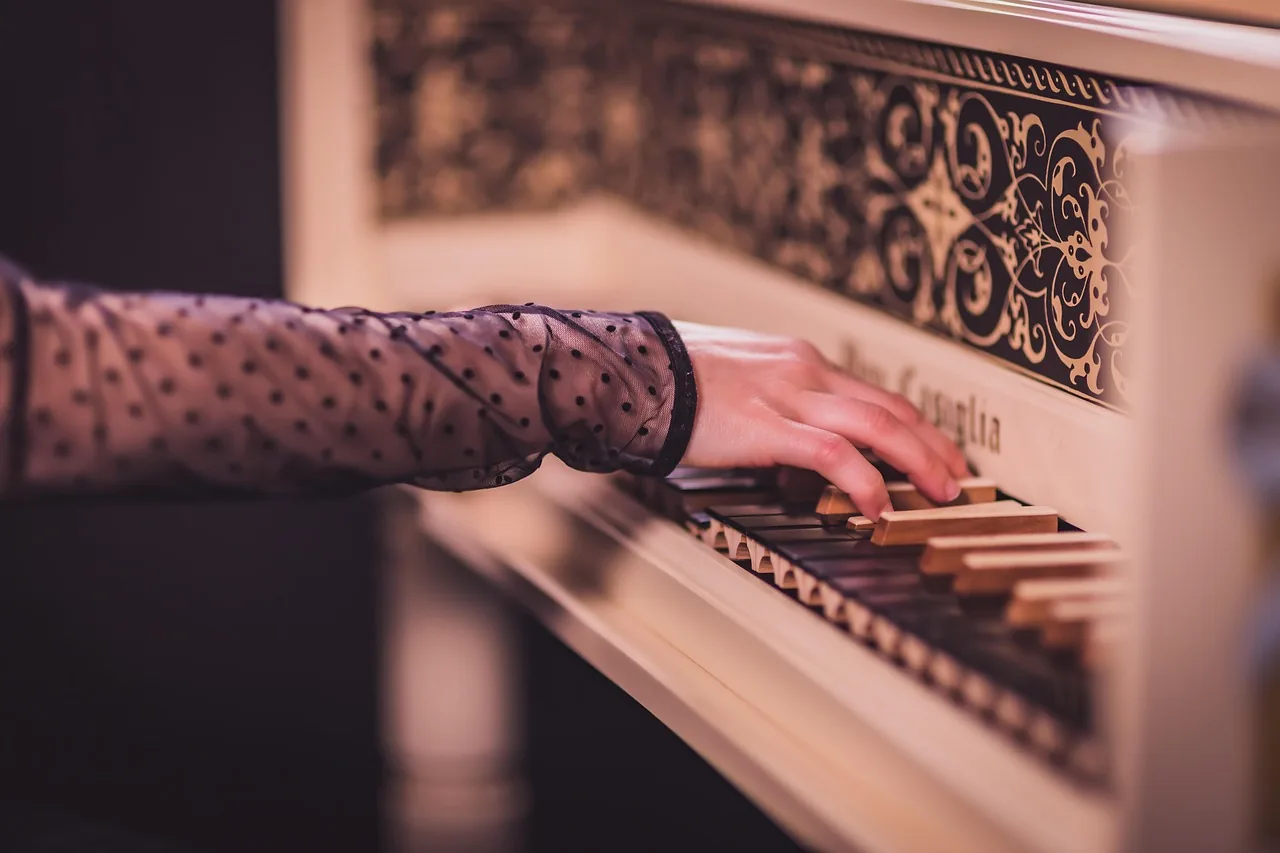
Atonality broke with tonal traditions and gave composers greater freedom. Arnold Schoenberg and others explored these possibilities in complex, innovative works. Impressionism introduced new timbres and textures, with composers such as Claude Debussy redefining music’s boundaries.
Experimentation with sound also grew. Musicians explored new ways of producing it, from prepared instruments to electronics. This search for new sounds profoundly changed how music was created and perceived.
- Atonality enabled freer and more complex expression.
- Impressionism introduced innovative textures and timbres.
- Experiments with sound expanded instrumental possibilities.
These innovations reshaped traditional musical forms and opened new paths for artistic expression. Modern music continues to innovate and surprise, offering contemporary listeners a rich, varied repertoire.
Contemporary music: diversity and experimentation
Contemporary music, defined here as music composed since 1945, encompasses an extraordinary diversity of styles and approaches. Constant experimentation has brought movements such as electroacoustic music and minimalism, which challenge traditional conventions.
Technology has played a key role in this development. Synthesizers and sound-processing tools have allowed composers to explore new sounds. For example, Franz Liszt’s Transcendental Études, although from an earlier era, have inspired contemporary reinterpretations incorporating electronic elements.
Modern festivals such as the Festival d’Automne à Paris showcase this experimentation. They provide a setting for innovative performances combining music, visual arts and advanced technology. These events illustrate the dialogue between tradition and modernity, as composers draw inspiration from the past while innovating.
Contemporary music also questions established norms. Composers challenge traditional structures and explore new forms and musical languages. This experimental period reflects a desire to push the boundaries of musical creation.
To learn more about the distinctive experience of classical music, explore this article, which offers a modern perspective on classical masterpieces.
A chronological overview: tables and landmarks by century
Western classical music spans centuries and offers a rich, varied panorama. A chronological overview places each period in its historical context.
Essential music history landmarks
Every century brought a turning point in music history. At the beginning of the eighteenth century, for example, composers such as Johann Sebastian Bach emerged and profoundly influenced harmony and counterpoint.
Timelines and overview tables
Overview tables show musical developments clearly, highlighting the innovations and distinctive styles of each era.
| Period | Main style | Key innovation |
|---|---|---|
| Baroque | Ornamentation | Birth of opera |
| Classical | Structured forms | String quartet |
| Romantic | Intense expression | Expansion of the orchestra |
| Contemporary | Experimentation | Atonality |
Johann Sebastian Bach, a central figure of the Baroque, shaped music history with his complex compositions. His work helped lay foundations for chamber music and influenced generations of composers.
This overview helps us appreciate the richness of classical music by placing each period in a coherent historical and artistic context.
Leading composers and their landmark works
Classical music has been shaped by visionary composers whose works still resonate centuries later. Each era produced influential masters who made distinctive contributions to music history.
Leading figures of each period
Amadeus Mozart stands out for his extraordinary creativity and mastery of many genres. His Symphony No. 40, composed in 1788, remains a pillar of classical music. Ludwig van Beethoven marked the transition from Classicism to Romanticism with works such as his Fifth Symphony, known for its dramatic motif.
| Composer | Landmark work | Innovation |
|---|---|---|
| Johann Sebastian Bach | The Well-Tempered Clavier | Preludes and fugues in every key |
| Wolfgang Amadeus Mozart | Symphony No. 40 | Dramatic and emotional contrast |
| Ludwig van Beethoven | Fifth Symphony | Passionate expression and a recurring motif |
| Franz Schubert | Piano Trio No. 2 | Intimacy and emotional depth |
Through their creativity and daring, these composers defined their eras and inspired later generations. Their musical legacy continues to captivate listeners with its extraordinary stylistic range.
To learn more about these masters of classical music, read this resource, which explores their contributions in detail.
Classical music’s influence on art and culture
Classical music has deeply influenced art and culture beyond music itself. Its impact can be seen in painting, architecture, literature and cultural festivals.
With their melodies and complex harmonies, classical composers influenced painters such as Nicolas Poussin. His work Orpheus and Eurydice reflects a visual harmony inspired by the music of its time. Similarly, the Hall of Mirrors at the Palace of Versailles symbolizes an aesthetic balance comparable to that sought in music.
Notable concerts, including those held at Versailles, played a key role in spreading musical culture. Often accompanied by theatrical performances, they featured instruments such as the harpsichord. With its distinctive sound, the harpsichord became a symbol of the era’s musical and artistic elegance.
Classical music has also inspired modern festivals that combine concerts and exhibitions to celebrate its heritage. Contemporary performances of classical works on the harpsichord, for example, continue to captivate listeners and show how appreciation of this music changes over time.
Further resources and reading
Many resources can deepen your knowledge of classical music. Combining musical excerpts with historical documents, they help you discover or rediscover major works from each period.
Musical excerpts and historical references
Links to representative excerpts give you direct access to masterpieces. Mozart’s Symphony No. 40 and Beethoven’s Fifth Symphony, for example, are essential works that reflect their composers’ passion and genius.
Historical documents and scores are also available online. They let you examine technical details and better understand the circumstances in which works were composed. Recordings made with historical instruments recreate the sounds of a bygone age and offer an immersive experience of that era.
Specialist archives and libraries hold a wealth of material. Enthusiasts and students can find rare scores and detailed analyses that illuminate each master’s innovations and style. These documents are invaluable for deepening a passion for classical music.
Recordings of key works from each period reveal the diversity and richness of classical music. These educational resources are ideal for students and music lovers who want to explore the subtleties of a piece or the nuances of a symphony.
Conclusion
Western classical music is rich and varied, reflecting centuries of continuous innovation. Every period, from the Baroque to the contemporary era, contributed distinctive styles and technical advances.
The Baroque, Classical and Romantic periods saw the emergence and development of major forms such as opera and the symphony. These innovations enabled more complex and moving musical expression.
Classical music’s influence extends through art and culture. It inspires literature, painting and architecture, demonstrating its lasting impact.
Further resources offer access to scores, recordings and detailed analyses for those who want to explore more deeply.
Through both continuity and renewal, classical music remains an enduring source of inspiration. It invites reflection on its heritage and continuing evolution.
FAQ
What are the main periods of classical music?
Who is considered one of the greatest composers of the Classical period?
What is a sonata?
What is the difference between a string quartet and a symphony?
What role did the harpsichord play in Baroque music?
Why is classical music important today?
What are the characteristics of Johann Sebastian Bach’s music?
What is a concerto?
How has classical music changed over the centuries?
Source links
- https://en.wikipedia.org/wiki/Classical_music
- https://www.columbia.edu/itc/music/ito/history/
- https://weta.org/fm/classical-score/guide-historical-periods-classical-music
- https://www.carnegiehall.org/Education/For-Educators/All-Grades
- https://www.talking-english.org/music-history-classical
- https://mathshistory.st-andrews.ac.uk/Biographies/Pythagoras/