

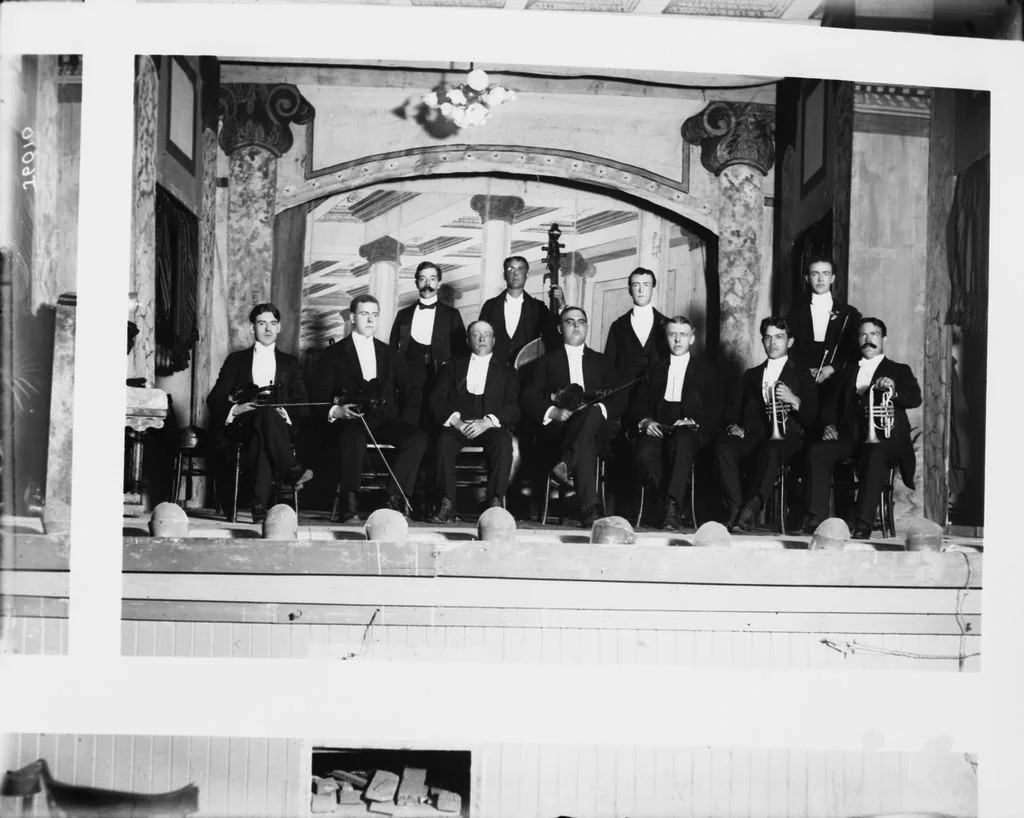
Classical music has always had the power to evoke deep emotions. Whether through Bach’s intense melodies or Verdi’s moving operas, each work tells a story and creates a different experience for every listener. The interaction between the audience and the music is fascinating: an abstract composition takes on emotional meaning through the way people hear it.
Recent studies, such as the one conducted in Besançon on emotional responses to classical music, show how the brain responds to rhythm and tempo. This research highlights music’s physiological and cognitive effects and reveals a deep connection between our emotional experience and the notes being played.
Although music is universal, it draws on the history and art of every era. Every melody and every harmony carries emotional nuances, creating a silent dialogue between composer and listener. Through that exchange, classical music continues to captivate and move people across time and borders.
Introduction: music’s power over our emotions
Music has a unique power over our emotions and can express what words cannot. It creates an intimate dialogue between composer and listener, prompting profound responses.
A journey through sound and emotion
Music takes us on a journey in which every note and rhythm evokes a distinct sensation. Without words, it speaks directly to us and makes us feel a whole range of emotions.
Early examples of physiological effects
Music’s physiological effects are remarkable. Studies suggest, for example, that driving rhythms can increase athletic endurance, while soothing melodies can promote sleep.
| Aspect | Effect |
|---|---|
| Rhythm and tempo | Increase endurance and speed |
| Soothing melodies | Improve sleep quality |
| Complex harmonies | Stimulate attention and memory |
Music influences the brain by activating areas involved in hearing and emotion. It creates a distinctive experience that combines our inner feelings with musical structure.
The foundations of emotional expression in music
Though abstract, music has always been a powerful way to express deep emotions. This expression draws on the theory of the affections, developed by thinkers such as Descartes and by composers associated with the Florentine Camerata.
The theory of the affections and its reach
The theory of the affections explains how emotions can be expressed through music. In his work, Descartes connected emotions with sounds and explored how certain melodies evoke particular responses. Composers such as Bach used these principles to create intense works.
Musicians use specific techniques to stir emotions in an audience. For example, the use of slow rhythms and low notes can suggest sadness, while high, fast melodies can evoke joy. Although these methods follow conventions, they leave room for many interpretations.
| Musical element | Emotion evoked |
|---|---|
| Slow rhythms and low notes | Sadness, serenity |
| High, fast melodies | Joy, energy |
| Complex harmonies | Tension, contemplation |
These theoretical foundations still influence contemporary composition. Today’s composers incorporate such principles to evoke emotions shared across cultures, connecting past and present through their work.
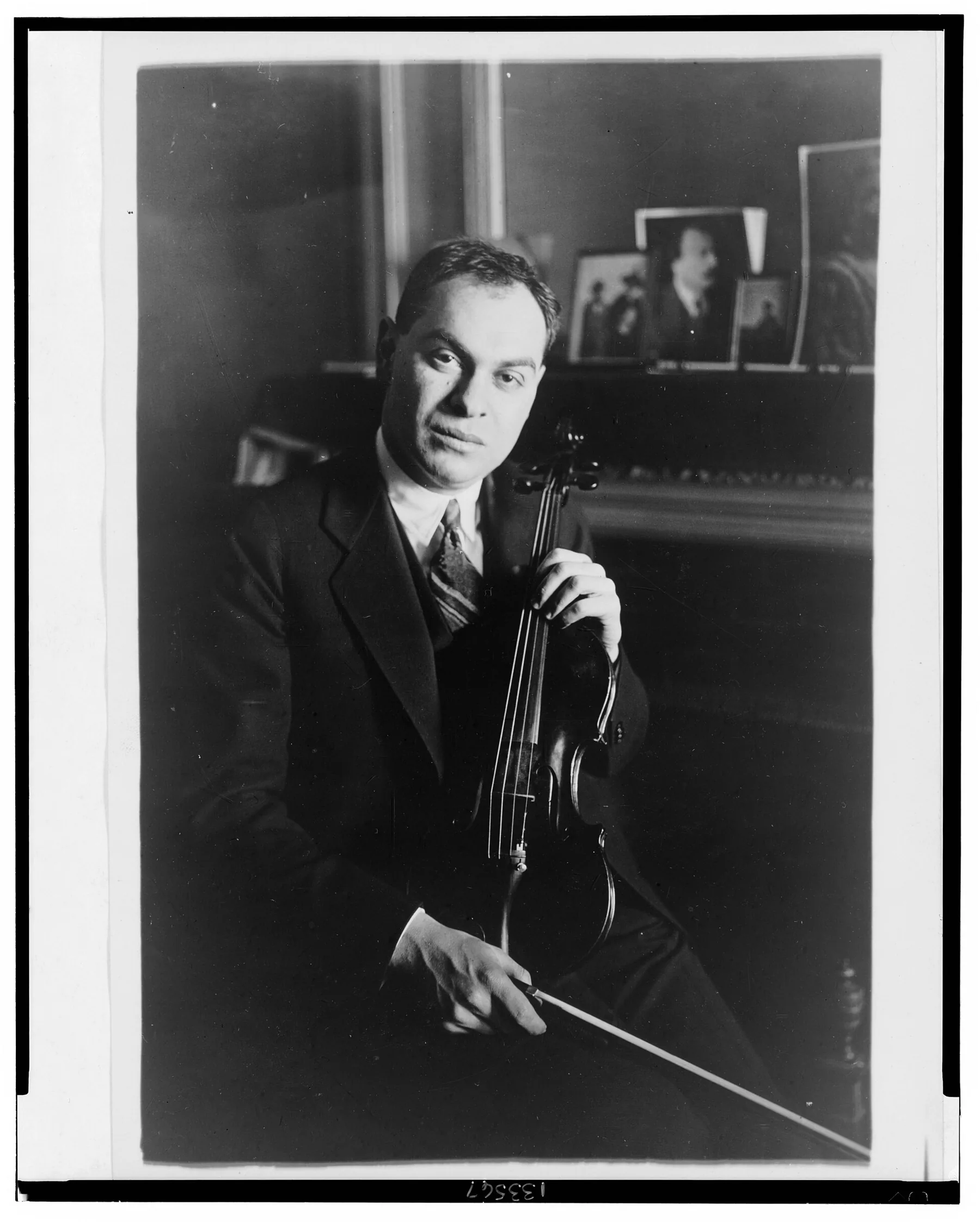
Historical and cultural context
From antiquity onward, music has changed with the historical and cultural upheavals of each century. Every era has brought its own character to melodies, making music a reflection of society.
From antiquity to contemporary innovations
At the dawn of history, music accompanied religious rituals and public celebrations. The ancient Greeks, for example, used particular musical modes to evoke certain emotions. That tradition continued into the Middle Ages, when the Church played a central role in developing liturgical music.
Over the centuries, music evolved alongside political and social change. Totalitarian regimes, including those of Hitler and Stalin, tried to use it to serve their ideologies. Yet this period also saw courageous composers continue to express deep emotions through their works despite censorship.
The influence of cultures and social settings
Cultures around the world have shaped music in different ways. In Asia, for example, music is often connected to philosophy and spirituality. In Europe, princely courts supported composers, enabling them to create complex works that reflected the tastes and values of their time.
Today, classical music continues to draw inspiration from this cultural richness. Contemporary composers bring traditional elements into their creations, offering a modern perspective on emotional expression. As a study by the University of Geneva shows, the meeting of historical and contemporary influences strengthens the connection between music and its audience.
Classical music, then, is much more than a collection of notes. It reflects a rich history, diverse cultures and constant change. Every melody tells a story, and every interpretation renews the timeless dialogue between past and present.
Scientific approaches and neuromusicology
Recent advances in neuromusicology shed light on how the brain responds to music. Functional MRI studies show how different brain regions become active as we listen to melodies.
MRI findings and their implications for the brain
Recent research, such as the study of the brain, shows that listening to music activates areas involved in emotion, reward and memory. These findings help explain why music can elicit such strong responses.
Musicians play a key role in this interaction. As they interpret a score, they shape both the audience’s feelings and its physiological responses. A slow rhythm, for example, can slow the heartbeat, while a lively melody can energize listeners.
Musical pleasure lies at the heart of this experience. When we hear a melody we enjoy, the brain releases dopamine, reinforcing the experience of listening. Together with personal memories, these sensations make music a powerful tool in music therapy and clinical practice.
Classical music and emotions: which works evoke which feelings?
Classical music reflects human emotions, offering a wide range of feelings through celebrated works. From Bach to Verdi, composers have found ways to express intense emotions in their creations.
Case studies: Bach, Verdi and great operas
Bach, a master of the Baroque, explores deep emotions in his cantatas. Cantata BWV 4, for example, moves from mourning to joy, using changes in tempo and tonality to guide listeners through an emotional journey.
Verdi excels at expressing intense feelings through opera. In *La Traviata*, Violetta’s death provokes a powerful emotional response in the audience and shows how music can heighten drama.
Emotions in celebrated works
| Composer | Work | Emotion evoked |
|---|---|---|
| Bach | Cantata BWV 4 | From mourning to joy |
| Verdi | La Traviata | Love and sacrifice |
The structures of classical music play a crucial role in evoking emotion. Bach uses slow rhythms and low notes to suggest sadness, while Verdi uses high melodies to express joy. Although these techniques follow conventions, they allow for many interpretations and give each listener a unique experience.

Musical resources for evoking emotion
Music offers many ways to evoke intense emotions. Musicians, as both creators and performers, are central to this interplay of sounds. The choice of a note or an arrangement can turn a melody into a unique listening experience.
Purpose-built playlists, such as those used in music therapy, show how music can influence emotional states. Soothing melodies, for example, can encourage relaxation, while lively rhythms can boost energy. Such musical resources are often used across generations and can strengthen connections between listeners.

The brain plays a key role in this interaction. When a melody calls up a memory, it activates areas involved in emotion and memory. This helps explain why music can revive memories we thought we had forgotten. Musical pleasure during listening is accompanied by dopamine release, reinforcing the emotional experience.
In short, musical resources have a special power to create memorable moments. By combining carefully chosen sounds, musicians reach across time and emotion to offer audiences a lasting experience.
Romantic music: revolution and innovation
The transition from Classicism to Romanticism marked a turning point in music history. Emerging in the early nineteenth century, the movement introduced structural and expressive innovations that loosened traditional formal constraints.
Leading figures: Beethoven, Chopin and Wagner
Beethoven, often seen as a bridge between the Classical and Romantic eras, transformed music with works such as his Eroica Symphony. Chopin captured the spirit of Romanticism in his nocturnes and waltzes, exploring new emotional depths. Wagner pushed the boundaries of musical drama with monumental operas such as Tristan and Isolde.
The rise of the Lied and the symphonic poem
The Lied, a song set to a poetic text, became a vehicle for intimate expression. Composers such as Schubert raised the genre to new artistic heights. The symphonic poem, popularized by Liszt, made it possible to tell stories without words and enriched musical storytelling.
| Composer | Contribution | Innovation |
|---|---|---|
| Beethoven | Eroica Symphony | Intense emotional expression |
| Chopin | Nocturnes | Exploration of sensitivity |
| Wagner | Operas | Use of leitmotifs |
These innovations transformed music and strengthened its connection with audiences, creating a more immersive emotional experience.
Romanticism redefined music and left an enduring mark on artistic history. Its composers opened the way to new forms of expression and profoundly influenced later generations.
The influence of setting and staging on music
The stage setting plays an essential role in how we experience a musical work. Sets and staging can profoundly shape an audience’s emotional experience.
How sets and stage design affect the listener
Sets and staging can turn a musical work into an immersive experience. In Verdi’s opera La Traviata, for example, Violetta’s bedroom creates an intimate, dramatic atmosphere that heightens the scene’s emotion.
The brain takes in these visual and audible elements as a whole, creating a stronger emotional response. Through a performance, a musician guides the listener on a journey through sound and imagery.
Historical examples show how stage design has evolved to enrich musical experiences. In Wagner’s operas, elaborate sets and stage effects were designed to immerse audiences in the story’s world.
The choice of a note or arrangement, combined with a carefully designed set, can turn a melody into a unique listening experience. This interplay of sound and image helps music find its fullest expression.
Conclusion
Music, a language of the soul, brings love, emotion and history together in every note. Over the centuries, it has evolved into a reflection of human feelings that crosses cultural boundaries and spans time.
Historical examples, from Bach to Verdi, show how composers have captured intense emotions. Recent scientific studies of music’s effects on the brain reveal physiological and cognitive responses. These findings help explain why music can move us so deeply.
Musicians’ authentic interpretations are essential to creating a strong emotional response. The stage setting, sets and direction deepen that experience, turning a melody into a journey through sound and imagery.
From Bach to Romantic opera, classical music has continually evolved and offered a broad range of feelings. Explore this rich world, where every note tells a story and renews the dialogue between past and present.
FAQ
How does classical music affect the brain?
What role does the musician play in expressing emotion?
Which operas are considered the most moving?
Why does the human voice have such a strong emotional impact?
How do musical memories affect our emotions?
Why is intensity important in music?
How does stagecraft enrich the musical experience?
What is the difference between music and other art forms?
How do composers use musical forms to express emotion?
What effect does live music have on an audience?
Source links
- https://www.metmuseum.org/essays/the-opera
- https://www.brainfacts.org/neuroscience-in-society/the-arts-and-the-brain/2023/the-musical-brain-011823
- https://www.apa.org/news/podcasts/speaking-of-psychology/music-connection
- https://www.harvardhealth.org/blog/why-is-music-good-for-the-brain-2020100721062
- https://www.nccih.nih.gov/health/music-and-health-what-you-need-to-know