


Goal: understand the comfortable range and know how to use it in performance, ensembles, and writing. This guide offers a simple reference: E♭3 → C6 as a starting point.
We explain the difference between what is possible and what remains comfortable. This article is for beginner and intermediate saxophonists, teachers, and arrangers writing for students or amateur musicians.
Here you will find practical tools: the relationship between written notes and sounding pitches, landmarks on the staff, comfortable playing zones, and comparisons with soprano, tenor, and baritone saxophones.
Musical aim: choose a register more effectively according to tone, projection, intonation, and stamina. The following sections cover definitions, transposition in E♭, the low, middle, and high registers, and applications in jazz and classical music.
Understanding the alto saxophone’s comfortable range and full range
Identifying a reliable playing zone helps balance tone, intonation, and stamina. The term comfortable range refers to the notes a musician can play with ease. The full range includes every attainable note, even those that require extra effort.
In practice, an extreme note may be playable but demand more effort to maintain intonation, tone, and stamina. For an arranger, writing only “within the full range” is not enough: articulation, dynamics, and duration must remain manageable.
Simple measures of comfort: stable intonation, reliable attacks, even tone, fluid fingerings, and stamina throughout a piece. These measures directly connect the writing to the musician’s technique.
Fatigue can set in quickly: very low or very high notes require more air and greater embouchure control. A first-year student will not have the same usable range as an experienced player.
Context and style also affect the choice. In a section, reliability and a unified sound take priority. In jazz, occasional risks, including altissimo notes or effects, may be appropriate. In classical music, the aim is generally a focused tone and precise intonation.
The alto saxophone at a glance: features that help define its register
The alto is a wind instrument in the saxophone family and is intermediate in size: larger than the soprano and smaller than the tenor. Its compact size makes it a common choice for beginners, thanks to its manageable handling and good projection.
Ergonomics and handling
The position of the keys and the balance provided by a harness make fingerings easier to reach. This size supports finger agility and reduces fatigue for beginners.
Clef and sheet music
Parts are read in treble clef, which makes it easier to move between repertoires. Keep in mind that the notes on the page do not always match the pitches heard by the listener.
Materials and components that affect response
The brass body, the mouthpiece, its tip opening and chamber, the wooden reed, and the condition of the rubber pads all affect response. Even with identical equipment, airflow, embouchure, and intonation practice remain crucial in both the high and low registers.
- Practical features: intermediate size, accessible ergonomics, and treble-clef notation.
- Compared with a flute, whose attack depends on airflow, or a double bass, a string instrument, the saxophone combines a reed and a column of air to shape its tone in each register.
The E♭ transposing instrument: connecting written notes with sounding pitches
Reading music for a transposing instrument means that a note on the staff does not always match the pitch heard at concert pitch. This convention makes playing in groups easier.
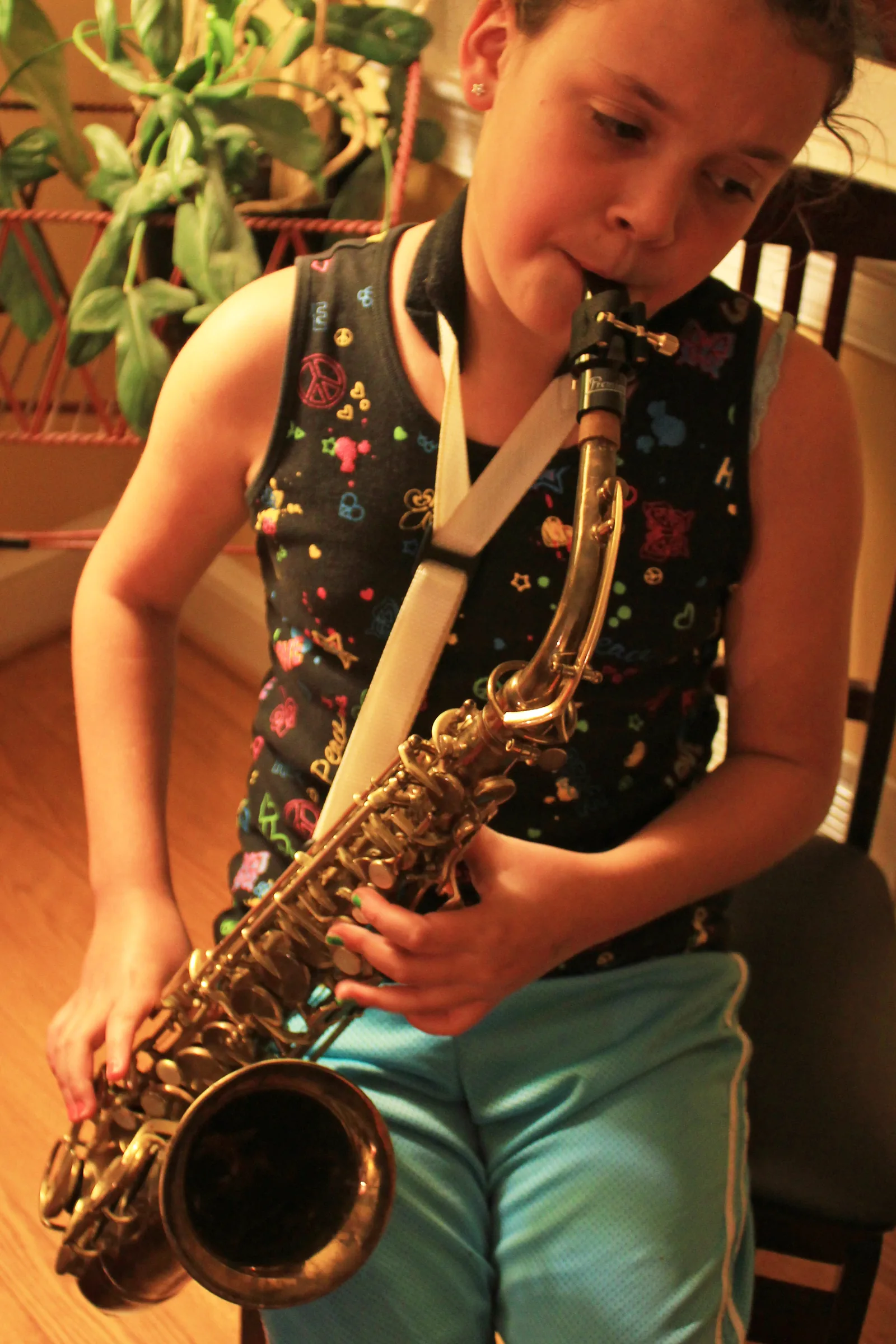
What this means
A transposing instrument is read in treble clef. Its part shows a different pitch. For the instrument in E♭, a written note sounds a major sixth below its written pitch.
A practical rule for rehearsals
To work out the relationship, listen to a concert A on the piano. Find the written note a major sixth above the sounding pitch. This helps prevent mistakes when doubling parts in an ensemble.
Why it matters for playing and writing
This convention keeps fingerings consistent across instrument families. An arranger should specify whether a part is written at concert pitch or transposed pitch to avoid confusion.
To explore transposed notation further, consult a practical guide to music theory and reading transposed parts. The next section applies this principle to the limits of the range in sounding and written notes.
Alto saxophone range: extent, registers, and reference points
To begin, use E♭3 → C6 as a simple reference. This range provides a reliable starting point for writing and learning.
Reading the part: in treble clef, most notes can be read directly from the staff. In practice, remember the transposition: a written note does not always match the sounding pitch. To learn more about this clef, see the dedicated page.
There are three registers: low, middle, and high. The middle register offers the most stable tone and intonation. Low notes can lack projection. High notes require more air and control.
“An altissimo note has a distinctive color: useful in a solo, risky for a section.”
| Register | Written-note reference | Comfort | Suggested use |
|---|---|---|---|
| Low | E♭3 – G3 | Moderate | Accompaniment, support |
| Middle | A3 – B4 | Very stable | Melody, long phrases |
| High / altissimo | C5 – C6+ | Variable | Solo climax, effects |
Special fingerings and focused practice can extend the high register. In an arrangement, it is better to reserve these notes for a brief moment than to assign them to an entire section.
The alto saxophone’s registers and their tonal colors
“Each register brings its own color, helping shape phrasing and tone.”

Low register: presence, warmth, and limits of projection
The low register has a warm, rounded character. It suits harmonic support or a subdued theme.
Be aware that projection decreases depending on the room and dynamics. This register works especially well at low volume.
Middle register: the most versatile zone
The middle register is the working range. It offers the most even tone and stable intonation.
It is the most comfortable register for practicing breath control and linking long phrases.
High register: brightness, expression, and demands
The high register adds brightness and presence. It calls for precise embouchure control and breath support.
In jazz, it can become an expressive signature; in classical music, a focused, clean sound is usually preferred.
The mouthpiece’s influence: mellow and bright sounds
Mouthpiece choice changes the sound considerably: a large chamber tends toward a mellower tone, while a narrow chamber and a high baffle encourage brightness.
Examples of different sounds include the rounder tones of Paul Desmond and Art Pepper and the more forceful attacks of David Sanborn and Maceo Parker.
Practical test: play the same phrase in all three registers with the same reed. Note where the sound projects best and where intonation is most stable.
Reading landmarks in a score: pivot notes, octaves, and visual anchors
Finding visual anchors in the score helps you read quickly without confusing octaves. Locate key notes on the treble clef staff: they provide immediate reference points.

Finding your way in treble clef
Memorize two pivot notes, C and G. Associate each one with a fingering sensation and a tonal color: low, middle, or high.
Identifying comfortable zones for connected phrases
For a saxophonist, favor phrases centered on the middle register. Before writing, check whether a phrase climbs an octave too far or drops below the comfortable zone.
- Visual anchors: C for an entrance, G as a pitch reference.
- To avoid confusion, connect each visual reference with the feel of its fingering.
- For arranging: if a line rises an octave, transpose it or distribute it among the parts.
| Pivot note | Use | Arranger’s action |
|---|---|---|
| C on the staff | Setting an entrance after a rest | Lower by an octave if the note is too high |
| G on a staff line | Checking intonation | Keep it for doubling or support |
| High note | Brief climax | Distribute it or shorten its duration |
Practical habit: always check the key signature, the passage’s range, and its accidentals before assuming the musician played a wrong note.
By aiming for reliable ensemble writing, you preserve musicality and intonation. For example, giving a phrase that is too high to a neighboring part an octave lower helps maintain balance.
Comparing the alto’s range with the soprano, tenor, and baritone
The same melody sounds different according to the instrument’s size and natural register. This comparison helps you choose the right part, write effective doublings, and preserve balance within a section.
Soprano and alto: high notes, intonation, and control
The soprano saxophone is more exposed in the high register. It demands very precise intonation and good embouchure control. A soprano part can shine, but it is less forgiving for a beginner.
Alto and tenor: tonal center and role
The tenor has a lower tonal center. On some high phrases, the length of its air column can give an impression of ease. In practice, the alto and tenor saxophone often share the melodic line according to the style.
Alto and baritone: depth and support
The baritone saxophone provides a strong harmonic foundation. Its deeper tone supports the rhythm section and blends with the double bass.
- Practical reminder: the alto and baritone are in E♭, while the soprano and tenor are in B♭; this affects ensemble reading.
- Arrangement example: melody on alto, countermelody on tenor, and bass line and background on baritone.
| Comparison | Use | Note |
|---|---|---|
| Soprano / higher | Brilliant solo | More demanding intonation |
| Tenor / lower | Melodic doubling | Lower tonal center |
| Baritone / much lower | Harmonic support | Physically heavier |
Good orchestration distributes lines so that each instrument keeps its own color without strain.
Putting the range into practice: playing, ensembles, arranging, and styles
Choosing the register that serves the music makes playing easier and prevents exhaustion. In a solo, climbing higher creates tension. In a section, stay in the middle register to maintain a unified sound.
For accompaniment, avoid encroaching on the lead part. Mark your intentions in the score: dynamics, articulations, and breathing points.
Reliable writing rules
Limit extreme notes, allow room to breathe, and avoid awkward fingering sequences. Consider the musicians’ level: aim for a comfortable range instead of sustained altissimo passages.
Jazz and classical music: role and agility
In jazz, the instrument shines in fast phrases and occasional soaring passages. In classical music, even tone and accurate intonation take priority.
Practical method
- Take a melody and play it in three registers: low, middle, and high.
- Compare tone, intonation, fatigue, and ease of reading.
- Choose the option that best serves the piece.
| Role | Suggested zone | Note |
|---|---|---|
| Solo | Middle → high | Brief ascent to a climax |
| Section | Middle | Cohesion and stamina |
| Accompaniment | Low → middle | Avoid obscuring the lead part |
Listening examples: Charlie Parker, Paul Desmond on “Take Five,” and Cannonball Adderley: three references for hearing the instrument’s effective place in the music.
Conclusion
Conclusion
To finish, remember a few simple rules for preserving tone and stamina.
In summary: distinguish the comfortable zone from the full range; use E♭3 → C6 as a general reference; and recognize the three registers: low, middle, and high. The treble clef guides how you read the part.
For an E♭ transposing instrument, a written note sounds a major sixth lower. Understanding this principle helps prevent mistakes in ensembles and arrangements.
Practical reference points: choose visual anchors, manage octave placement, and favor the most comfortable zone to limit fatigue and stabilize intonation.
Place the alto among the soprano, tenor, and baritone saxophones; as with the flute or double bass, each instrument has a role shaped by its tone.
Advice for arrangers: prioritize music that feels comfortable to play instead of pushing the instrument’s range to its limits. For a simple exercise, take a piece, identify its dominant register, then try moving it by an octave or redistributing it among the parts.
The ultimate goal is to master the comfortable range so you can play with more control, read faster, and write effective parts that remain playable throughout a piece.