

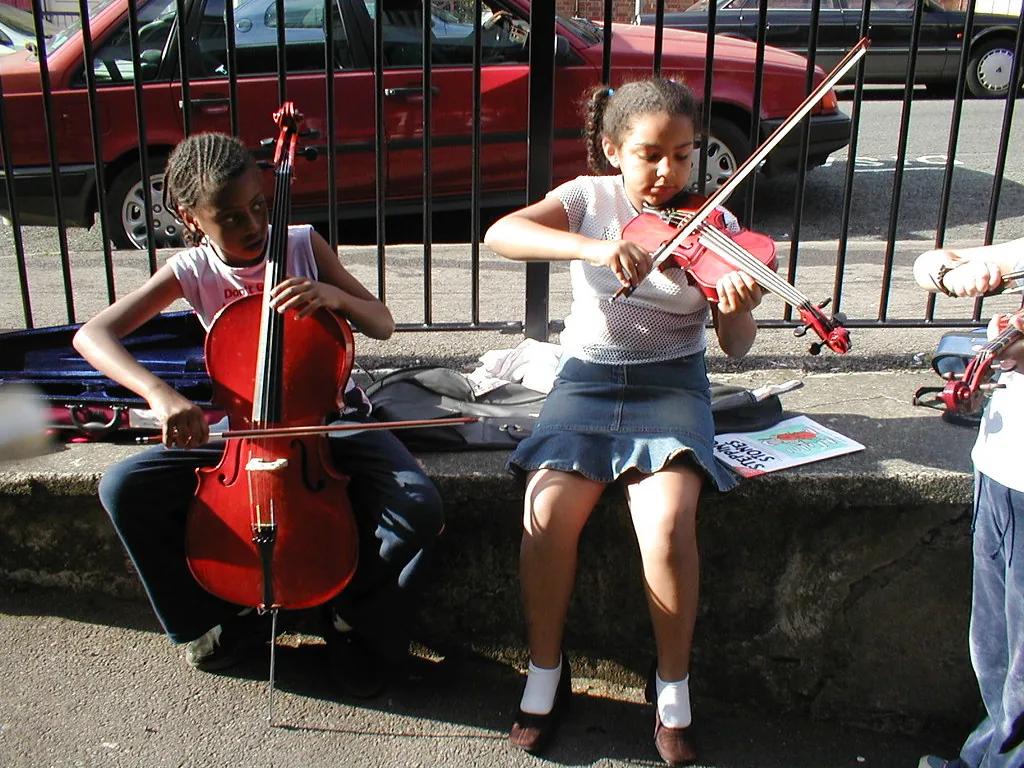
Johann Sebastian Bach, a central figure in classical music, left an artistic legacy without equal. His music, marked by remarkable depth and complexity, resonates as powerfully today as it did in his own time.
Considered one of history’s greatest composers, Johann Sebastian Bach went through several creative periods, notably in Weimar and Köthen. It was in Leipzig, however, that he produced some of his most celebrated works, including the Mass in B Minor and The Well-Tempered Clavier. His command of counterpoint influenced generations of musicians, from Chopin to Brahms.
The rediscovery of Bach in the nineteenth century, thanks to Felix Mendelssohn, marked a turning point in music history. His works, compared to cathedrals for their architectural beauty, remain an essential part of the classical repertoire. This guide invites you to explore his sacred and instrumental compositions, including works for organ, keyboard, and other instruments, and discover their richness and variety.
A Brief Biography of Johann Sebastian Bach
Johann Sebastian Bach, a towering figure in music history, left an indelible mark on his era. Born on March 21, 1685, in Eisenach, he grew up in a rich musical environment, where music was far more than a family pastime.
Early Years and Family Influence
Born into a family of musicians, Bach received a strong musical education from an early age. His father, Johann Ambrosius Bach, and his older brother, Johann Christoph Bach, played key roles in his training. Their influence laid the foundations for his future career.
He lost his mother at the age of nine and his father a year later. These events shaped his childhood but did not diminish his passion for music. He continued to develop his skills by studying scores by masters such as Frescobaldi and Buxtehude.
Career and Major Appointments
Bach began his professional career as a violinist at the Weimar court in 1703. He subsequently held posts as an organist in Arnstadt, Mühlhausen, and Weimar. Each stage of his career brought challenges shaped by the religious and cultural setting of the time.
In 1717, he became Kapellmeister at the Köthen court, where he composed many instrumental works. His years in Leipzig, beginning in 1723, were especially productive and included the composition of cantatas and the Mass in B Minor.
Learn more about his biography.
Bach also played an important role in educating his own sons, including Carl Philipp Emanuel and Johann Christoph Friedrich, who became composers themselves. His family and artistic legacy endured for centuries, influencing generations of musicians.
Major Sacred Works
Johann Sebastian Bach’s sacred compositions represent a pinnacle of liturgical music. They stand out for their spiritual depth and exceptional technical mastery. Written for the church, these works still resonate powerfully today.
Cantatas, Passions, and Masses
Vocal works such as the St John Passion (BWV 245) and the St Matthew Passion (BWV 244) display great narrative and emotional richness. Structured in several movements, these compositions showcase the human voice and choir, creating an absorbing spiritual atmosphere.
Liturgical Works and Their Variations
The Mass in B Minor (BWV 232) stands out for its grandeur and complexity. Sections such as the Kyrie and Gloria showcase its polyphony and vocal power. Bach adapted his compositions to the religious settings of his different appointments, demonstrating his constant inventiveness.
In Leipzig, he composed a cantata every week, displaying tireless creativity. Although liturgical, these works transcend time and offer a universal musical experience.
Consult the complete list of his works to explore his musical legacy further.
Essential Instrumental Works
Bach’s instrumental compositions reveal an exceptional command of counterpoint and deep expressiveness. His keyboard music, particularly for harpsichord, remains an essential point of reference.
The concerto is a genre in which Bach excelled: it allowed him to create dialogues between instruments. His Brandenburg Concertos, for example, combine complexity and elegance in a burst of tonal color.
In his hands, the demanding musical form of the fugue becomes an exercise in style imbued with emotion. Bach blends rigor and expressiveness, creating works in which every instrument has its place.
| Work | Instruments | Characteristics |
|---|---|---|
| Brandenburg Concertos | Orchestra | Rich dialogue, complex structure |
| The Well-Tempered Clavier | Keyboard | Preludes and fugues, harmonic exploration |
| Sonatas and partitas | Violin | Virtuosity and lyricism |
Organ Compositions: Virtuosity and Innovation
The organ holds a central place in Bach’s work and testifies to his inventiveness and virtuosity. With its wealth of sounds and technical possibilities, the instrument inspired some of the most remarkable compositions in his repertoire.
Preludes, Fugues, and Toccatas
The organ preludes and fugues, particularly the pieces catalogued from BWV 531 to BWV 565, demonstrate an exceptional command of counterpoint. Complex and expressive, these pieces show Bach’s ability to combine rigor with emotion.
The toccatas, with their free and virtuosic style, offer a burst of tonal color. These compositions demonstrate a deep understanding of the instrument and its expressive potential.
Transcriptions and Arrangements
Bach often transcribed works intended for other instruments for the organ, adapting their themes with great fidelity. These arrangements reveal thematic richness and artistic versatility, showing how fully he explored the organ’s possibilities.
Published in the nine volumes of the Peters edition, these transcriptions offer a distinctive perspective on his musical legacy. They testify to his ingenuity and his ability to renew his repertoire.
Masterpieces of The Well-Tempered Clavier
The Well-Tempered Clavier, a masterpiece of keyboard music, strikes a perfect balance between rigor and emotion. Comprising two volumes (BWV 846 to 893), it explores the possibilities of the keyboard in depth, combining mathematical precision with intense expressiveness.
Landmark Preludes and Fugues
Each prelude and fugue in The Well-Tempered Clavier forms a musical miniature structured with compelling logic. The often lyrical preludes lead into fugues that display Bach’s mastery of counterpoint. This alternation creates a distinctive emotional tension, in which every note seems to have its place.
The arrangement of the preludes and fugues reveals an unparalleled musical architecture. Despite its complexity, each piece retains a clarity and fluency that make it a model of perfection.
The Harpsichord’s Legacy
The harpsichord, an emblematic instrument of the Baroque era, remains central to performances of The Well-Tempered Clavier. Its crystalline sound and possibilities for phrasing allow for an authentic interpretation of these masterpieces.
Far more than a collection of pieces, this work is an artistic manifesto that continues to inspire musicians and composers today. Its influence on modern classical music is undeniable and makes The Well-Tempered Clavier an essential point of reference.
Bach’s Legacy in Modern Classical Music
Bach’s influence on modern classical music is profound and lasting. His legacy, marked by technical rigor and constant innovation, continues to inspire contemporary composers.
Influence on Later Composers
Composers such as Chopin, Schumann, and Brahms drew on Bach’s works to develop their own styles. Bach’s command of counterpoint and musical structures helped lay the foundations of classical music.
Many contemporary musicians still draw inspiration from Bach’s compositions and adapt his themes to a variety of genres. These adaptations show the continuing relevance of his musical ideas.
Bach’s legacy is undeniable: he influenced the technical and stylistic development of music over the centuries. His impact on classical music remains unequalled and ensures his lasting place in its history.
Mendelssohn’s Rediscovery of Bach
By the end of the eighteenth century, Bach’s works had gradually disappeared from concert stages. In 1829, however, Felix Mendelssohn marked a decisive turning point by programming the St Matthew Passion in Berlin. The event revived interest in Bach and reshaped how his music was perceived and performed.
This historic concert had a profound effect on Bach’s reputation. Mendelssohn, then just 20 years old, conducted the performance of the Passion and took care to restore the original score. His work helped audiences rediscover the richness and complexity of Bach’s music, offering them a new perspective on his artistic legacy.
The revival had immediate critical and artistic effects. Commentators of the time emphasized Bach’s spiritual depth and technical mastery and described the revival as one of music’s most sacred art. The event strengthened Bach’s standing as a major composer and inspired a new generation of musicians and composers.
Mendelssohn’s rediscovery of Bach in 1829 was therefore a pivotal moment in classical music history. It helped preserve Bach’s legacy and opened the way to new performances and adaptations of his works, securing his central place in the modern repertoire.
Chamber Music and the Cello Suites
Johann Sebastian Bach’s cello suites, composed between 1717 and 1723, are a pinnacle of chamber music. These six suites (BWV 1007 to BWV 1012) reveal exceptional artistic depth and technical mastery.
Remarkable Sonatas and Partitas
Each suite consists of six movements, including a prelude, allemande, courante, sarabande, minuets, and gigue. The Cello Suite No. 1 in G Major (BWV 1007) is especially famous for its prelude, which has appeared in many films and advertisements. The piece, lasting about 19 minutes, showcases the performer’s virtuosity.
The cello suites display a carefully crafted musical architecture. Despite its complexity, each movement retains a clarity and fluency that make it a model of perfection. Far more than a technical exercise, these compositions offer a genuine exploration of emotion.
The Importance of Chamber Music
Chamber music occupies a central place in Bach’s work. In string ensembles, the cello gradually replaced the viola da gamba, marking a turning point in music history. Often written for groups of two to ten musicians, these compositions combine intimacy and virtuosity.
Although written for a single-line instrument, the cello suites reveal unexpected harmonic richness. Bach creates an implied polyphony in which every note seems to carry deep meaning. These pieces, true artistic manifestos, continue to inspire contemporary musicians.
The cello suites, and chamber music more generally, are an invaluable legacy. They offer a distinctive view of Bach’s technical mastery and emotional depth, ensuring their central place in the modern repertoire.
Concertos and Orchestral Suites
Concertos and orchestral suites occupy a central place in Bach’s work and demonstrate his mastery of orchestration and musical inventiveness. Combining complexity and elegance, these compositions offer a burst of tonal color.
Violin and Harpsichord Concertos
The violin and harpsichord concertos, along with the Brandenburg Concertos (BWV 1046 to 1051), showcase the virtuosity of the solo instruments and the richness of the orchestra. Structured in several movements, these works create a powerful momentum.
The harpsichord concertos (BWV 1052 to 1065) reveal profound polyphony and expressiveness. Despite its complexity, each movement retains remarkable clarity and fluency.
The orchestral suites, such as the Orchestral Suites (BWV 1066 to 1069), explore instrumental possibilities. Far more than technical exercises, these compositions transcend time.
Bach and Classical Music: Essential Works
Bach’s work is distinguished by technical rigor and deep expressiveness, making him a pillar of classical music. His style, marked by an unparalleled command of counterpoint, redefined the conventions of musical composition.
Stylistic and Compositional Analysis
Fugues and preludes such as those in The Well-Tempered Clavier (BWV 846 to 893) display complex musical architecture. Carefully structured, each piece combines mathematical precision with intense expressiveness, creating a distinctive emotional tension.
Bach’s contrapuntal constructions, such as those in the Brandenburg Concertos (BWV 1046 to 1051), reveal a monumental musical architecture. Comparable to cathedrals, these works testify to exceptional ingenuity and artistic versatility.
The Historical Impact of His Compositions
Bach’s influence on classical music is immense. His compositions, such as the Mass in B Minor (BWV 232), inspired generations of composers. Bach’s command of counterpoint and musical structures helped lay the foundations of classical music.
Bach’s works continue to transcend time and offer a universal musical experience. His legacy, marked by constant grace and innovation, remains a source of inspiration for musicians today.
Chorales and Sacred Arias
Chorales and sacred arias occupy a central place in Bach’s work, reflecting great spiritual and poetic depth. Incorporated into Lutheran liturgy, these compositions accompanied worship and sought to uplift the soul.
Originally, chorales were simple melodies, often sung by the congregation. Bach transformed them into masterpieces by adding harmonic and contrapuntal richness. For example, his chorale “Jesu, meine Freude” (BWV 227) combines a complex structure with deep expressiveness, illustrating his command of counterpoint.
The organ, with its powerful sound, plays a key role in these compositions. Bach often used it to accompany the choir’s voices, creating a harmony between vocal and instrumental music. This harmony was essential in the cantatas, where biblical texts were set to music with great spiritual intensity.
The rhythms and melodies of these chorales were designed to stir strong emotions. For example, the chorale “O Sacred Head, Now Wounded” (BWV 244) uses recurring melodic patterns to reinforce its spiritual message. This approach deeply influenced the church choral tradition.
Bach’s chorales and sacred arias continue to inspire choirs and musicians today. Their poetic dimension and spiritual depth make them essential works in the liturgical repertoire.
To learn more about classical masterpieces, you can visit this site.
How His Musical Style Evolved Across Periods
The evolution of Bach’s musical style reflects his continual adaptation to the cultural and religious settings of his different appointments. Each period, with its own influences, shaped his approach to composition.
Weimar, Köthen, and Leipzig Compared
In Weimar, Bach developed a style marked by contrapuntal complexity, evident in his organ fugues. This period saw the emergence of rigorous structures that reflected a demanding Lutheran setting.
In Köthen, his style shifted toward instrumental compositions, including concertos and suites dominated by the virtuosity of the violin and harpsichord. Scores from this period display intense expressiveness.
In Leipzig, Bach incorporated liturgical elements into his music, creating cantatas and a Mass in B Minor of exceptional polyphonic richness. His role as organist and composer expanded, and he adapted his works to the needs of the religious community.
These periods show changes in his use of instruments and approach to scoring, as well as his adaptation to different eras and styles. They reflect an unparalleled mastery of the fugue and of multipart structure.
Passing On and Teaching the Art of Music
Johann Sebastian Bach also shaped history as a teacher who passed on musical knowledge. His teaching, though informal, influenced generations of musicians.
As a teacher, Bach favored practical learning, combining composition with instrumental performance. Although his methods were not recorded in writing, they were passed on orally.
His post as cantor in Leipzig allowed him to train singers and instrumentalists. Bach organized regular rehearsals and adapted his teaching to his students’ needs.
The organ, central to his teaching, helped him demonstrate complex techniques. Bach also encouraged chamber music, supporting learning in small groups.
His methods had a lasting impact on European musical life. Many students incorporated his principles into their own teaching, perpetuating his legacy.
Read this article to learn more about the history of musical knowledge and its transmission.
Curiosities and Anecdotes from Bach’s Life
Johann Sebastian Bach’s life, marked by a remarkable musical career, contains lesser-known anecdotes and facts that reveal a rich and complex personality.
Family Stories and Legends
The Bach dynasty, a fertile source of musical talent, produced many composers. His eldest son, Carl Philipp Emanuel, was a prolific composer who left more than 800 works. Fewer people know that Bach had 20 children, only ten of whom reached adulthood. This difficult reality did not prevent him from passing on his passion to his children, several of whom became renowned musicians.
One touching story concerns his marriage to Anna Magdalena Wilcke, a 16-year-old soprano. Bach, then 36, found in her a devoted wife and musical collaborator. She copied some of his scores, helping to preserve his legacy.
Lesser-Known Events in His Career
A lesser-known episode in his life is his imprisonment in 1717. At odds with his employer, the Duke of Saxe-Weimar, Bach asked to be released from his duties so he could take a post in Köthen. The displeased duke detained him for a month. This difficult period did not stifle his creativity.
Another surprising fact: Bach sought the title of court composer to the Elector of Saxony in 1733, revealing his ambition and desire for recognition. This pursuit of status reflects his dedication to his art and his determination to excel.
| Person | Relationship | Notable fact |
|---|---|---|
| Carl Philipp Emanuel | Eldest son | Prolific composer |
| Anna Magdalena Wilcke | Second wife | Musical collaborator |
| Johann Sebastian Bach | Father | 20 children, ten of whom reached adulthood |
These little-known anecdotes cast Bach’s life in a new light. They reveal a man who was both brilliant and human, whose work continues to resonate today.
Conclusion
Johann Sebastian Bach, a major figure in music history, left a monumental artistic legacy. His work, marked by spiritual depth and exceptional technical mastery, resonates as powerfully today as it did in his own time.
Through his sacred, instrumental, and organ compositions, Bach redefined the conventions of classical music. His influence on later composers, from Chopin to Brahms, is undeniable. His ability to combine mathematical rigor with intense expressiveness helped lay the foundations of modern classical music.
The richness of his catalogue, combining innovation and tradition, invites us to rediscover his masterpieces. From the Mass in B Minor to the Brandenburg Concertos, every piece displays an unparalleled musical architecture. His legacy, passed down through the centuries, remains an inexhaustible source of inspiration.
Johann Sebastian Bach embodies musical genius. Far more than a collection of scores, his work is an artistic manifesto that continues to transcend time. His legacy, marked by constant grace and innovation, remains an essential reference for musicians and music lovers around the world.
FAQ
How important is the fugue in Bach’s work?
How did the keyboard influence Bach’s compositions?
What role does the harpsichord play in Bach’s music?
How did Bach contribute to the development of the orchestra?
What was the relationship between Carl Philipp Emanuel Bach and Johann Sebastian?
What distinguishes Bach’s organ compositions?
How did Bach use the voice in his sacred works?
What place does March have in Bach’s work?
How did Bach incorporate passion into his compositions?
What is a Bach cantata?
How did Bach approach the cello suites?
What was the relationship between Bach and his son Carl Philipp Emanuel?
How did Bach approach composing a mass?
What are a prelude and fugue in Bach’s work?
How did Bach influence later composers?
Source Links
- https://www.aso.org/composer/detail/johann-sebastian-bach
- https://www.bach-cantatas.com/Arran/L-BACH.htm
- https://www.sco.org.uk/news/musical-signatures/
- https://www.staatsoper.de/en/biographies/bach-johann-sebastian
- https://polskabibliotekamuzyczna.pl/encyklopedia/bach-johann-sebastian/?lang=en
- https://www.bachinleipzig.de/en/bach-archiv/forschung-projekte/
- https://artsandculture.google.com/story/the-life-and-legacy-of-johann-sebastian-bach-bach-archiv-leipzig/6QUhhCfnO_8ZJQ?hl=en
- https://www.ipm.org/show/harmonia/2019-08-21/secrets