


Quick buying guide: this section sets the scene. The market now offers a wide range of models, from the cheapest to more carefully made versions.
This article is for parents, adult beginners and students looking for a first instrument without spending too much. We compare this unusual material with brass, looking at playability, intonation and durability.
Key point: making progress requires a stable instrument. Ease of sound production, intonation and ergonomics matter more than an instrument that merely feels easy to handle at first.
We will examine practical criteria: keywork, quality, budget, new, used or refurbished alternatives, and maintenance costs that are often overlooked.
Buyer’s Guide France method: understand the types of saxophone, compare materials, then choose within a realistic budget. Beware of marketing shortcuts: a low price or unusual material guarantees neither enjoyment nor reliability.
To learn more about different models and the alto, see this practical guide: beginner alto saxophone.
Plastic saxophone: a good idea for beginners or a gimmick?
The first few months of learning call for an instrument that makes you want to play every day. An instrument with an easy response lets you produce notes without struggling. This prevents frustration and encourages repetition, which is essential for progress.
What beginners really need
They want to play without forcing the sound, hold the instrument without tiring and enjoy it right away. Ergonomics matter: small hands need closely spaced keys and a manageable weight.
What makes an instrument a “gimmick”
Watch out for models with unstable intonation, squeaky keys, leaking pads or poor sound projection. These flaws force players to compensate with their technique and slow down learning.
Criteria to keep in mind: response, intonation, keywork, repairability and total cost, beyond the purchase price alone. An unusual model can be motivating, provided it remains stable enough for practising the basics.
| Indicator | Good sign | Warning sign |
|---|---|---|
| Response | Notes speak immediately with steady breath | Difficulty producing a sound |
| Keywork | Smooth keys with little looseness | Loose keys and leaking pads |
| Intonation | Consistent tuning from one instrument to another | Variation between instruments |
Before discussing materials, start by choosing the type that suits your build (alto, tenor and so on). For practical advice on choosing a first wind instrument, see this guide: how to choose your first instrument.
Understand the types of saxophone before buying: alto, tenor and baritone
Before buying, it is best to know the differences between alto, tenor and baritone so you can avoid a poor choice.
Why alto remains the most common choice
The alto saxophone is compact, light and easy to handle. Its ergonomics make learning easier and its keys more accessible to young players.
The alto suits many styles: jazz, pop, blues and classical music. Its versatility makes it an excellent balance of comfort and musicality.

Size, breath and budget: practical differences
Larger models, the tenor and baritone, require more air and weigh more. This can cause fatigue and make sound production harder for beginners.
Costs rise with size: cases, mouthpieces and reeds are often more expensive for a tenor or baritone. These factors affect the total budget for a saxophone purchase.
Transposition and range: what changes
The alto is a transposing instrument in E♭. The musician reads a note that sounds a minor third lower.
Its practical range runs from E♭3 to C6, which is enough for most beginner repertoire. Reading skills develop quickly and should not hold you back from choosing it.
In short: choose the alto if you want an easier-to-play, versatile instrument. Once you have chosen the type, the next step is to compare materials and sound.
Plastic or brass: differences in quality, sound and playing feel
A light instrument may be appealing, but stability remains crucial for progress.
Response and intonation: on an entry-level model, ease of sound production varies. Response depends as much on the mouthpiece as on manufacturing quality. Some limitations are acceptable, but unstable intonation prevents you from developing your technique.
Keywork and finish: check that the keys offer consistent resistance, are aligned and have airtight pads. An average finish leads to leaks and adjustments that slip over time. This makes maintenance harder and tires players out.
Projection and tone: descriptions such as “bright,” “warm” or “round” depend on the player. Even so, brass often provides more consistent tone and projection than a very light model.
Durability and repairability: some repair technicians will not work on very cheap models because of their manufacturing tolerances and the scarcity of parts. The guiding principle is to choose a simple, stable instrument over an unusual but fragile one if your aim is to learn.
| Criterion | Advantage of brass | Advantage of a light model |
|---|---|---|
| Stability | High quality, stable intonation | Lower weight, easy to carry |
| Keywork | Precise finish, long-lasting adjustments | Lower cost, but risk of wear |
| Repairability | Available parts, familiar repairs for technicians | Less standardised parts, more complex maintenance |
For a modern compromise, also explore digital options such as the XR3000 model, which may be useful to musicians who want to try playing without a major investment.
How to recognise a good saxophone, even as a beginner
Even without an expert ear, you can assess an instrument’s quality quickly. Start with the keywork: the keys should move smoothly and offer consistent resistance. That is a direct sign of careful manufacture and adjustments that will last.
Ergonomics: check the position of the key touches and thumb ring. Your hands should rest naturally without stretching. A good model reduces fatigue during long sessions and improves precision.
Extra keys sometimes allow advanced fingerings. They help with technical pieces but complicate maintenance on entry-level instruments.
A sturdy, well-fitting case often signals a serious manufacturer. Choose a hard case with foam inside: it protects the instrument and limits knocks that could disturb the keywork.
Try several models before buying. Two instruments that look identical on paper can feel very different. Ask a teacher or musician to check the instrument’s setup before you take it home.

| Feature | What to check | Why it matters |
|---|---|---|
| Keywork | Consistent key resistance | Reliability over time |
| Ergonomics | Key touches within easy reach, adjustable thumb ring | Less fatigue, better intonation |
| Case | Sturdiness and fit | Protection and perceived value |
Budget and prices in France: how much does a “good” beginner instrument cost?
Knowing how much to invest helps you avoid unpleasant surprises. In France, the price ranges are fairly clear: €250 to €500 covers playable entry-level instruments. A reliable student saxophone often costs between €500 and €1,500.
Intermediate or semi-professional models cost between €1,000 and €3,000. High-end instruments can exceed €2,500, depending on the brand and finish.
New, used or refurbished: a used instrument can save money, but it almost always needs servicing. Refurbished instruments offer good value because a professional has adjusted them. Buying from a shop often includes useful warranties.
Hidden costs: servicing, adjustments, pads, reeds, mouthpiece, strap and case. Calculate the total cost over 12 months: it is more useful than the purchase price alone.
Choose according to the player: a motivated adult may invest more from the start. A child will benefit from a light, reliable instrument. One approach is to start with a student saxophone, then upgrade if playing becomes more regular.
| Category | Price range (€) | Advantage | Allow for |
|---|---|---|---|
| Entry level | 250–500 | Low price, easy to transport | Frequent adjustments |
| Student | 500–1,500 | Reliability and quality | Accessories and maintenance |
| Intermediate / Professional | 1,000–3,000+ | Better intonation and durability | Initial cost, insurance |
For help buying a suitable saxophone, see this wind instrument buying guide.
Recommended beginner brands and models: credible alternatives to all-plastic instruments
Here is a practical selection of brands and models that avoid the drawbacks of very light versions.
Playable entry-level models: the Startone SAS-75 is a complete kit for getting started quickly (reasonable keywork, basic strap). The Classic Cantabile AS-450 has a better finish, although you should budget for better reeds. Cherrystone remains an inexpensive option to consider with caution.
Reliable choices: the Yamaha YAS-280 and recent Jupiter series offer very good value. They are robust, ergonomic and suitable for young hands.
When to upgrade: move up a level when you begin playing regularly or when your instrument limits your dynamics and intonation.
- Professional level: the Yamaha YAS-62, powerful and precise.
- Alternatives: the easy-responding Selmer Axos and the high-end Yanagisawa WO for demanding saxophonists.
Practical advice: try several examples from the same series and use an in-store selection of models to spot the differences. Set aside a little money to improve the mouthpiece, reeds or strap: the accessories included in kits are often basic.
Essential accessories for easy playing: mouthpiece, reed, embouchure and case
A small investment in suitable equipment makes sound production easier and supports your progress.
Why accessories are not optional: they affect ease of sound production, perceived intonation and comfort. A poor supplied mouthpiece or unsuitable reeds can slow down learning.
To begin, choose soft reeds (strengths 1 to 2). They require less air and help produce a stable sound. Recommended brands include Vandoren (Classic Blue), RICO and Royal.
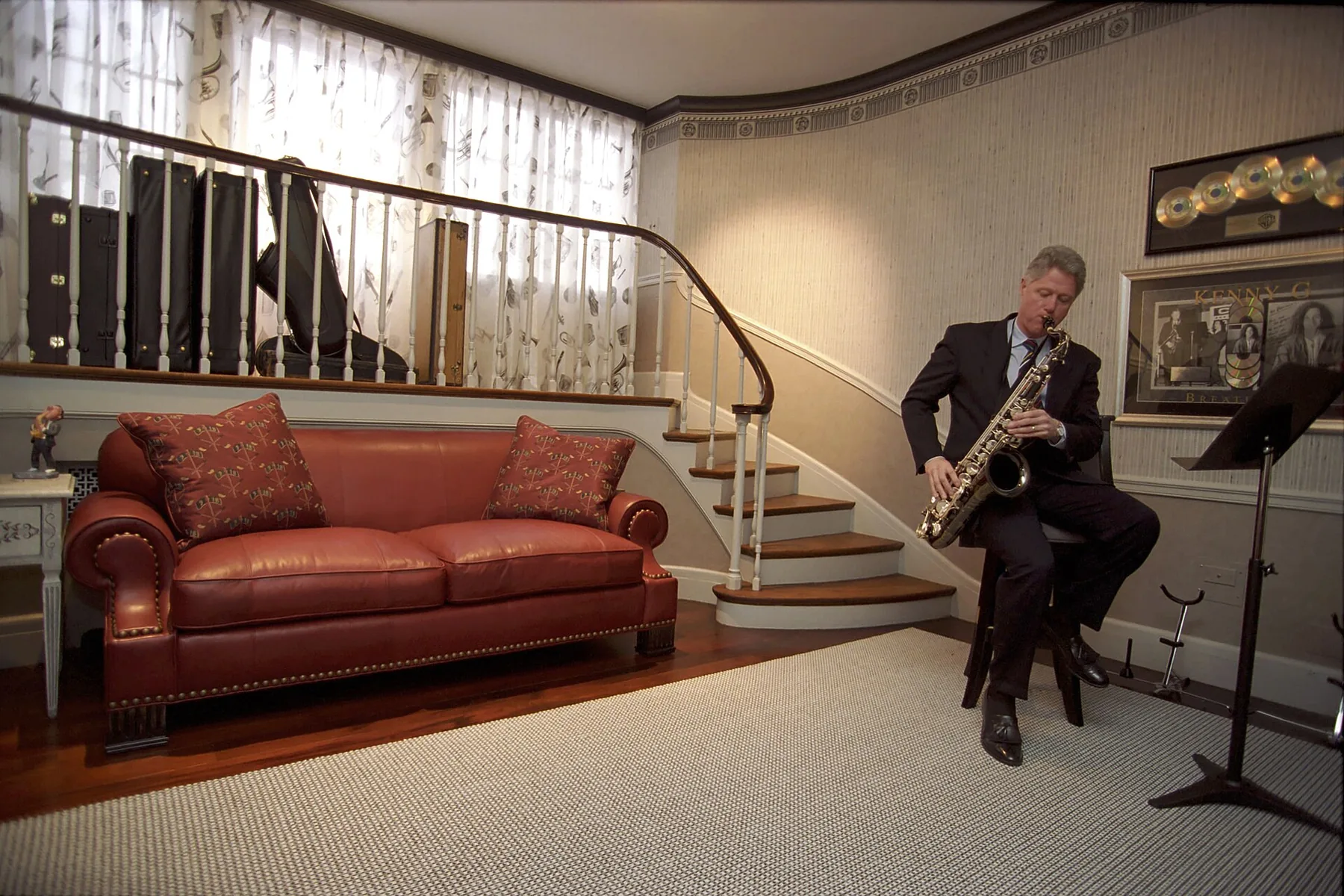
Your choice of mouthpiece and embouchure directly affects tone and intonation. Supplied moulded-plastic mouthpieces are often imprecise. Consider upgrading to a versatile Selmer S80 / C*, or to a Meyer or Vandoren V5, depending on the style you want to play.
Comfort, protection and maintenance
- A simple ligature to start with; a more precise Vandoren Optimum later on.
- A BG A10L rubber mouthpiece patch (0.8 mm) to protect your teeth and lips.
- A padded strap (Neotech) to prevent neck pain.
- A hard-shell case for frequent journeys, or a padded gig bag (Protec, Gator) if you want to travel light.
Routine care: use a swab after every session, apply cork grease (La Tromba) occasionally, and use a soft cloth and lacquer polish if needed. A simple routine helps preserve the instrument’s stability and extend its life.
Conclusion
The purpose of a first instrument is simple: to make you want to play every day.
A model made from a light material may serve as an introduction, but it quickly becomes disappointing if its intonation and keywork do not hold up. Priorities: easy sound production, comfortable ergonomics and stable intonation so you can practise music under good conditions.
Our recommendation: choose a recognised student alto, whether new, serviced used or refurbished, over a very cheap instrument. Improve your playing experience first with a good mouthpiece and suitable reeds.
Before buying, try the instrument, seek qualified advice, check its case and adjustments, and budget for maintenance. The best choice is still the one that makes you want to play regularly.
For a comprehensive analysis of the market and synthetic models, read this article.