

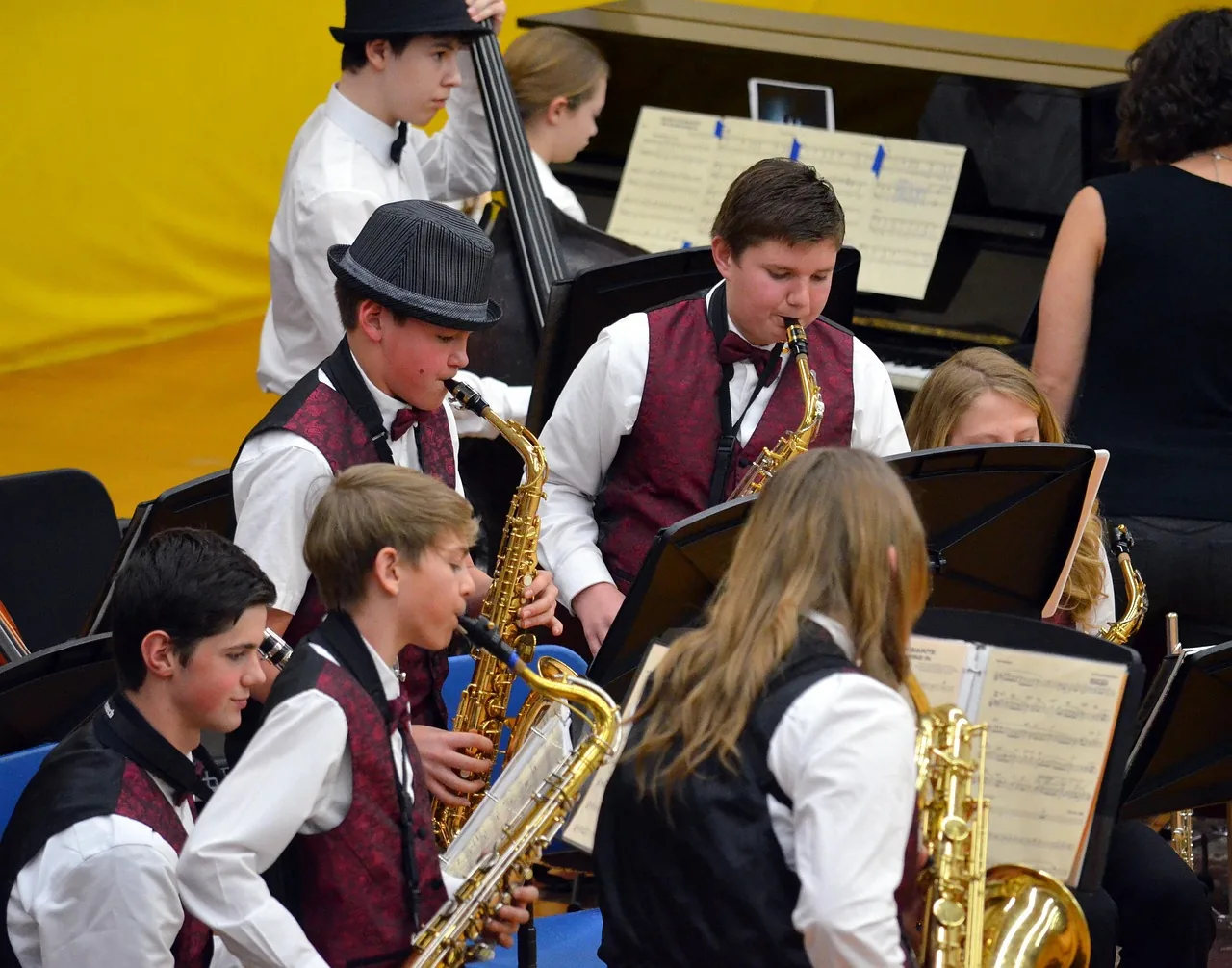
Why this guide for buyers in France? Used instruments appeal because of their price and the chance to find rare models. But a soprano demands great precision: intonation, leaks, pads and the case can conceal costly problems.
Our promise: to help you spot visible defects and playing problems, then suggest simple checks and actions you can take without being a repair technician. The goal is to get good value for money.
By “good condition,” we mean playable condition above all: smooth keywork, no leaks and stable intonation. Appearance matters, but playability comes first with such a demanding instrument.
The rest of this article will guide you step by step through understanding the market, assessing overall condition, testing the keywork and intonation, reading a listing, talking to the seller and making the transaction safer.
Finally, prepare to make decisions: when to negotiate, when to walk away, when to request a workshop service and how to budget for costs after purchase. We will also give price benchmarks based on the year, series, servicing, pads and whether a mouthpiece is included.
Why buy a used soprano saxophone in France today?
Choosing a used instrument starts with understanding which saxophone range suits your musical plans.
Soprano, alto, tenor: range and use
Range makes all the difference. The soprano produces clear, direct notes, the alto stands out for its expressiveness, and the tenor offers a warm sound prized in jazz.
These differences in sound affect your choice. Beginners often look for the more forgiving alto saxophone. Advanced musicians may prioritize intonation and stability for solo or studio playing.
Buying used and making an environmentally responsible choice
Reusing a good instrument reduces the impact of manufacturing while saving money. Well-maintained saxophones can enjoy a second life.
- Insist on a clear account of the instrument’s history and servicing.
- Ask for a thorough trial and detailed photos.
- Favor sellers who offer a warranty or a workshop service.
Availability varies in the French market. Compare listings for refurbished instruments and check their playing condition beyond the sales description.
Used soprano saxophone: common pitfalls and solutions
Before any visit, make a clear distinction between an instrument’s appearance and how it actually plays.
Good looks ≠ good playing condition. Flawless lacquer or attractive engraving does not guarantee airtight pads, accurate intonation or smooth keywork. Test the notes: they should speak promptly and remain stable throughout the range.
Check the service history: a listing that says “serviced, assembled and adjusted” is more useful than a vague description. Ask for workshop invoices if possible.
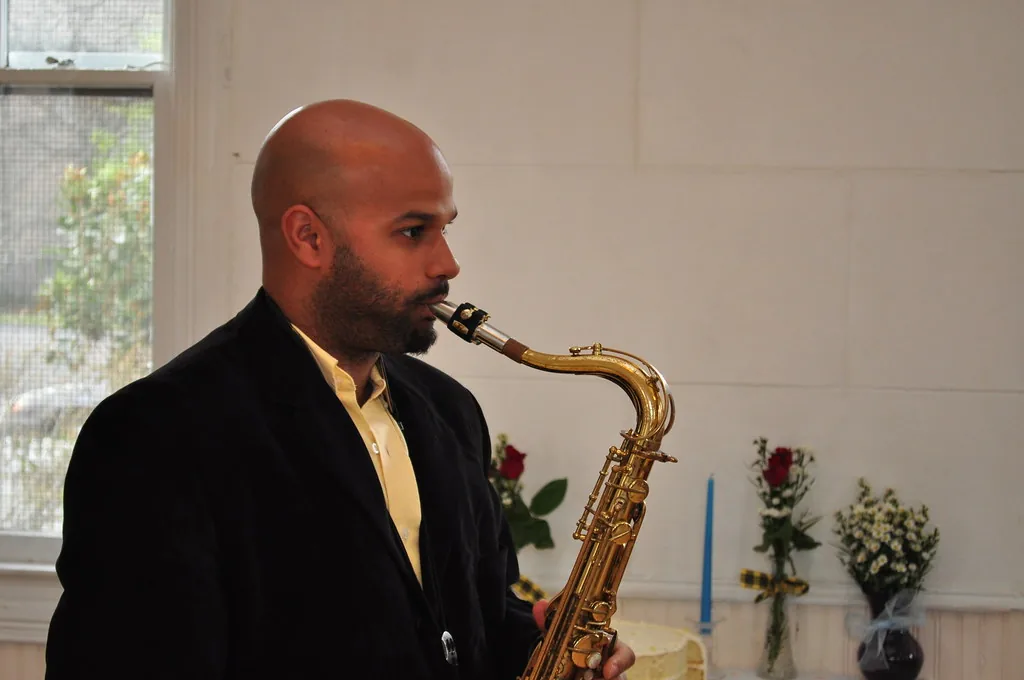
Pay attention to the pads: whether they are new, recent or worn affects response, dynamics and the true cost after purchase. Worn pads can mean an expensive service.
- Case: favor an original case in good condition; a worn generic case increases the risk of damage from knocks.
- Accessories: check whether the instrument is sold without a mouthpiece and add that cost to your purchase budget.
Practical solutions: ask for a trial period, such as a week, and a warranty if possible. Use the maintenance history when negotiating with the seller.
Used soprano saxophone prices: realistic benchmarks by condition, year and series
An instrument’s true value often depends more on its service history than on its appearance.
In France, observed prices range from around €900 to €5,500. This range reflects age, rarity and condition. Each price bracket brings different expectations for repairs and accessories.
Understanding the market by price bracket
- €900: an older instrument, for example from 1926, often with its finish removed but in good playing condition; minor work is likely to be needed.
- €1,500 to €2,200: vintage or 2000s models; recent pads or a full repad, with the case in varying condition.
- €3,000: a 2010s instrument in like-new condition, with its original mouthpiece and case.
- €4,200 to €5,500: rare pieces, special finishes or fully restored instruments; little work expected.
Year, origin and their effect on value
Models from 1926 or 1945 are appealing, but their value varies greatly with the consistency of their parts and internal wear.
Models from the 2000s and 2010s tend to be more consistent. In equivalent condition, they may sell for more because the supply of some newer models is limited.
| Price range | Typical example | What to budget for |
|---|---|---|
| €900 | 1926, finish removed, nickel-plated keys | Cosmetic touch-ups, workshop inspection |
| €1,600 to €2,200 | 1926, silver-plated and serviced, or a 2000s model with its body finish removed | Possibly new pads, replacement case |
| €3,000 | 2010s, like-new condition, original mouthpiece | Little work needed, ready to play |
| €4,200 to €5,500 | 1945, restored, or a rare gold finish | Rarity, original case in excellent condition |
Factors that affect the price
- Push the price up: a documented full service, new pads, like-new condition, an original case in excellent condition and genuine rarity.
- Bring the price down: missing silver plating, undisclosed removal of the body finish, a case in poor condition, no mouthpiece or no proof of servicing.
- The series, such as Super Action or Action Series, affects market position but does not replace a trial and invoices.
Overall condition: visual checks that prevent unpleasant surprises
Start by examining the surfaces: the finish reveals a great deal about the instrument’s history.
Finish and wear: a listing that claims “95% lacquer” calls for close-up photos. Silver plating may be missing in places. A body with its finish removed is not always defective, but it changes the baseline value.
Watch for engraving beneath lacquer that looks unusually crisp on an old model. It may suggest a touch-up or a composite instrument. Mismatched keys or abnormally fresh-looking engraving may conflict with the stated origin.
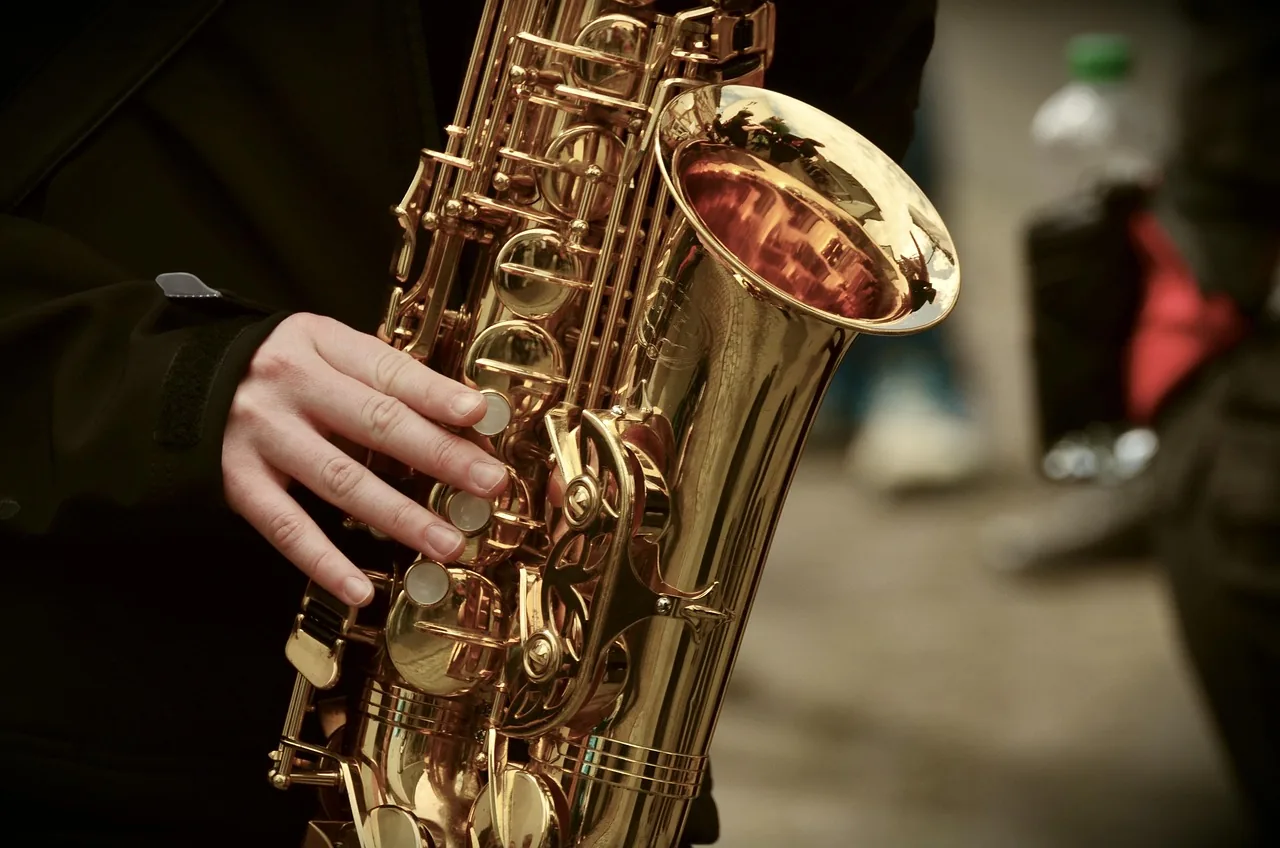
Bell and details
Inspect the inside of the bell: a gold-colored interior can sometimes justify a higher price. Check the nickel-plated keys, hinges and screws. These details should match the series and period.
Serial number and origin
Record the serial number, such as 68124 or 5764, and compare it with the maker’s information or historical records. This can help confirm whether the instrument dates from 1926, 1945, 1982 or 1992 and avoid relying on an approximate description.
- Photos to request: close-ups of the bell, keywork, worn areas and hinges, plus a full view of the body.
- If the listing says the instrument is in good condition but the photos show missing silver plating and a worn case, ask for a discount or decline the offer.
Turn your observations into negotiating points: a clearly disclosed removal of the finish may be acceptable. Significant loss of silver plating or mismatched keys, however, should lower the baseline price.
Keywork and playability: how to check a used soprano without being a repair technician
To assess an instrument without being a repair technician, start with simple, repeatable tests.
A quick procedure when you meet the seller: check that the keys move smoothly. They should be quiet and operate without sticking. Play softly, then loudly, to detect problems.
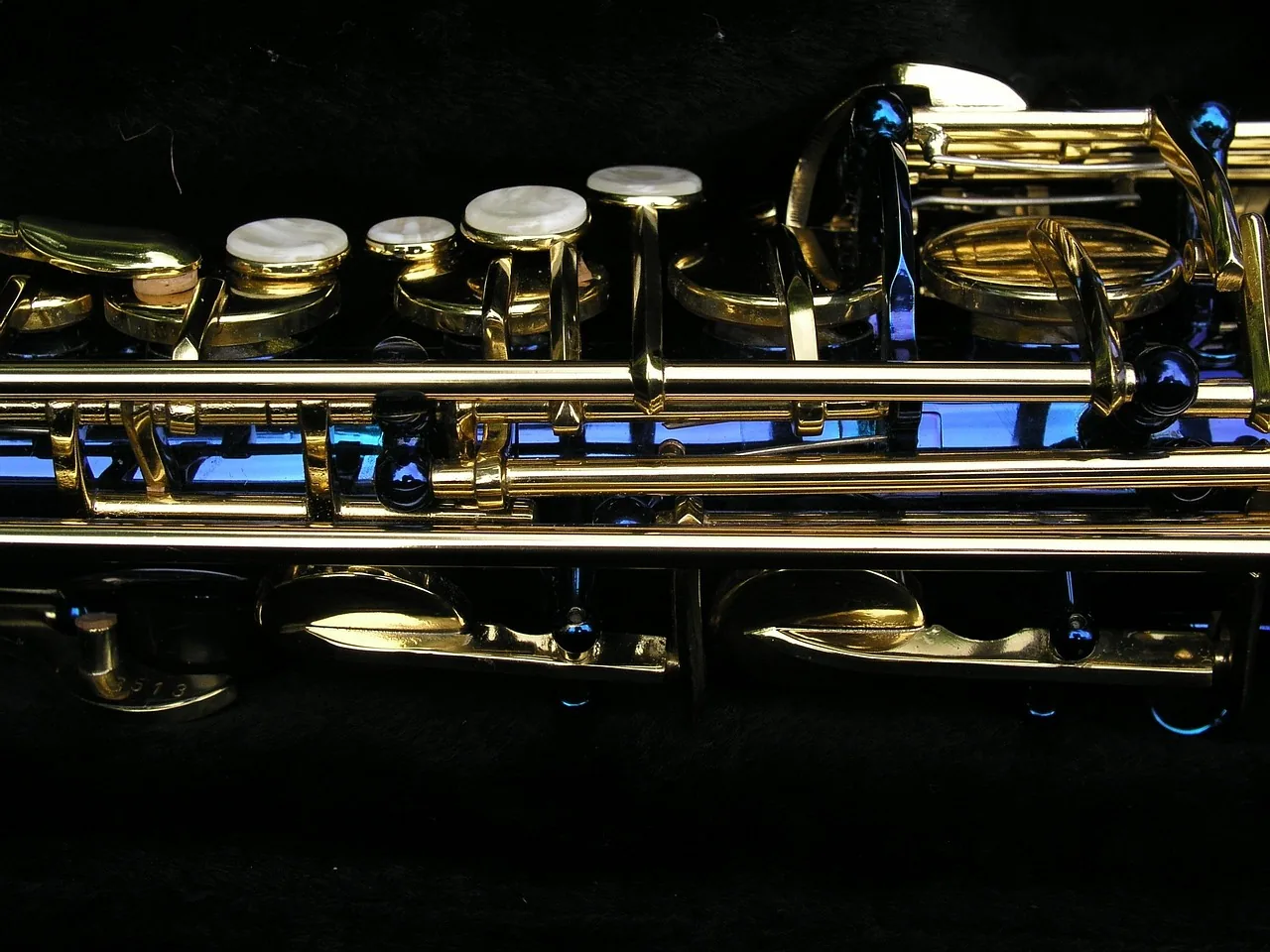
Spot a leak without tools: if low notes are unstable, some notes require excessive pressure or notes fail to speak during a passage, a leak is likely.
Intonation and stability: test each register with a tuner. Pitch can change quickly on this instrument; checking in one-third-tone steps can help you assess its stability.
Beginners benefit from a forgiving mouthpiece and a stable model. Advanced musicians may accept more demanding keywork if the sound quality makes it worthwhile.
Warning signs: noisy keywork, loose keys, uneven intonation or a constant need to compensate. These signs justify a service before purchase or a price negotiation.
Servicing, workshops and replacement parts: when to insist on a refurbished instrument
“Fully serviced” does not always mean the same work has been done at every workshop. Ask for an exact list of the work before relying on the listing.
“Fully serviced”: what to check
A complete service should include leak checks, adjustment of key heights and linked mechanisms, tightening of pivot rods, replacement of corks and felts, thorough cleaning and an intonation check while playing.
Repadded, brown leather pads, new pads: reading the listing
Repadded often means the pads are new, but it does not necessarily mean they have been adjusted precisely. Conversely, recent pads may have been well adjusted. Ask for a workshop invoice or photos from before and after the work.
Adjustments after purchase: plan a workshop visit
Even after a service, plan a workshop visit. Transport and changes in humidity can affect how the instrument behaves. Adjustments suited to your playing improve its performance and intonation stability.
Hidden costs: estimating the cost of restoration
If the seller gives no details, set aside money for restoration, especially pads and adjustments. Include this allowance in your calculation of the final price.
“Ask for invoices and a one-week trial when possible: they offer the best protection against unpleasant surprises.”
- Reading a listing quickly: look for specific claims such as “assembled and adjusted,” “workshop invoice” and “new pads.”
- Vague claims: “good condition” or “ready to play” without proof.
- Terms offered by the seller: favor a warranty, for example for one year, and a trial period, for example one week.
| Description | Expected work | Effect on price |
|---|---|---|
| Complete service | Leak checks, adjustments, cleaning, tests | Increases value; reduces the risk of costs after purchase |
| Repadding | Replacement of leather or synthetic pads | Moderate cost; necessary, but not enough on its own |
| Precise adjustment after purchase | Adaptation to the musician’s playing | Rarely apparent in the listing; budget for it |
Brands and models: comparing Selmer Paris, Yamaha, Yanagisawa and others
Comparing models means looking beyond the logo at how consistently they were made.
Objective criteria: consistency of manufacture, ergonomics, parts availability, resale value and suitability for your playing style.
Leading brands and what to expect
Selmer Paris, Yamaha, Yanagisawa, Keilwerth and Cannonball are useful points of reference. Their reputations can, however, hide differences between series and periods.
Selmer Paris and “Super Action”
Super Action often affects the price. Do not pay more for the name without invoices, a leak check and an intonation trial.
Compare by series and period
Focus on the series and period rather than a “high-end” label. Two models in the same segment can differ greatly because of their adjustments, pads and stability.
| Brand | Strength | What to check |
|---|---|---|
| Selmer Paris | Sound heritage | Invoices, series, adjustment |
| Yamaha | Consistency of manufacture | Ergonomics, parts availability |
| Yanagisawa | Finish and precision | Period, consistency of sound |
Even the best brand cannot make up for buying without a trial or warranty.
Seller, warranty and purchase terms: making the transaction safer
A safer transaction begins with checking who is selling the instrument and what protections they offer. Look for a transparent seller, proof of servicing and the possibility of getting an invoice.
Private seller or dealer
Private seller: often a better price, but more limited recourse. Ask for photos, the serial number and proof of maintenance.
Dealer: an invoice, workshop history and clearly defined recourse. Transparency is generally greater.
Trial and warranty
Example terms: a one-week trial and a one-year warranty. These terms reduce the risk and can justify a higher price.
Buying remotely and related costs
Ask for videos of the instrument being played, secure packaging and details about the case’s condition. If the listing offers free shipping, check whether transport insurance is included. For an overseas purchase, allow for shipping costs and taxes.
Financing
Financing may make sense for a professional purchase or a limited budget. Check the total cost, the term and insurance against loss or theft.
Quick transaction checklist
| Item | What to obtain | Why |
|---|---|---|
| Seller’s identity | Name, contact details, listing page | Recourse in case of a dispute |
| Evidence | Serial number, workshop invoices | Verify the history and baseline price |
| Terms | One-week trial, one-year warranty | Lower risk of costs after purchase |
| Delivery | Method, insurance, costs | Avoid hidden costs |
Checklist before paying: documents, accessories and details to verify
Before you pay, check that the listing includes all the essential information. This step protects your purchase and reduces unpleasant surprises after shipping.
What the listing should include: year, serial number to confirm the origin, playing and cosmetic condition, precise servicing details, including what was done, when and by which workshop, pad condition, case type and a list of accessories, including the mouthpiece, ligature and mouthpiece cap.
What to ask the seller for: close-up photos of the pads, hinges and pivot rods, bell and serial number. Insist on workshop invoices if the listing says “fully serviced” or “repadded.” Ask for a short video showing the keywork in action.
Tests to perform if you can try the instrument
- Intonation: check several notes with a tuner.
- Keywork: smoothness, noise and sticking points.
- Leaks: unstable notes or notes that fail to sustain when certain keys are pressed.
- Consistency of sound throughout the range.
If the instrument is sold without a mouthpiece: include the cost of a new one in your budget. If possible, try the instrument with your own mouthpiece to assess its true quality.
After purchase: arrange a prompt workshop visit to check for leaks and fine-tune the adjustments. Then follow a simple routine: cleaning, pad checks and an annual adjustment to maintain its quality.
“Get the invoices and a video before paying: they are your best protection.”
| Item | What to check | Why |
|---|---|---|
| Year and serial number | Legible photo of the number | Confirms the origin and period |
| Service and workshop invoice | List of work and date | Verifies the actual condition and supports the price |
| Case and accessories | Case type, original or generic, and mouthpiece | Affects protection and total cost |
| Tests during the trial | Intonation, leaks, keywork, sound | Assesses playability and stability |
Conclusion
To finish, keep in mind what turns a good offer into a safe purchase. Remember the observed price range: around €900 to €5,500, depending on the year, condition, servicing, case and mouthpiece.
Key decisions: prioritize playing condition and intonation, verify the service history, check the pads and keywork, and remember the case and accessories.
Calculate the total cost: asking price, any restoration, a mouthpiece and a workshop visit. You will then have a sound basis for comparing two offers.
For a safer purchase, favor a transparent seller and ask for invoices, a trial period, such as one week, and a one-year warranty if possible. If in doubt, have a workshop inspect the instrument or ask for trial and return terms.
Bookmark this page and use the checklist before contacting each seller to save time and avoid unpleasant surprises.