

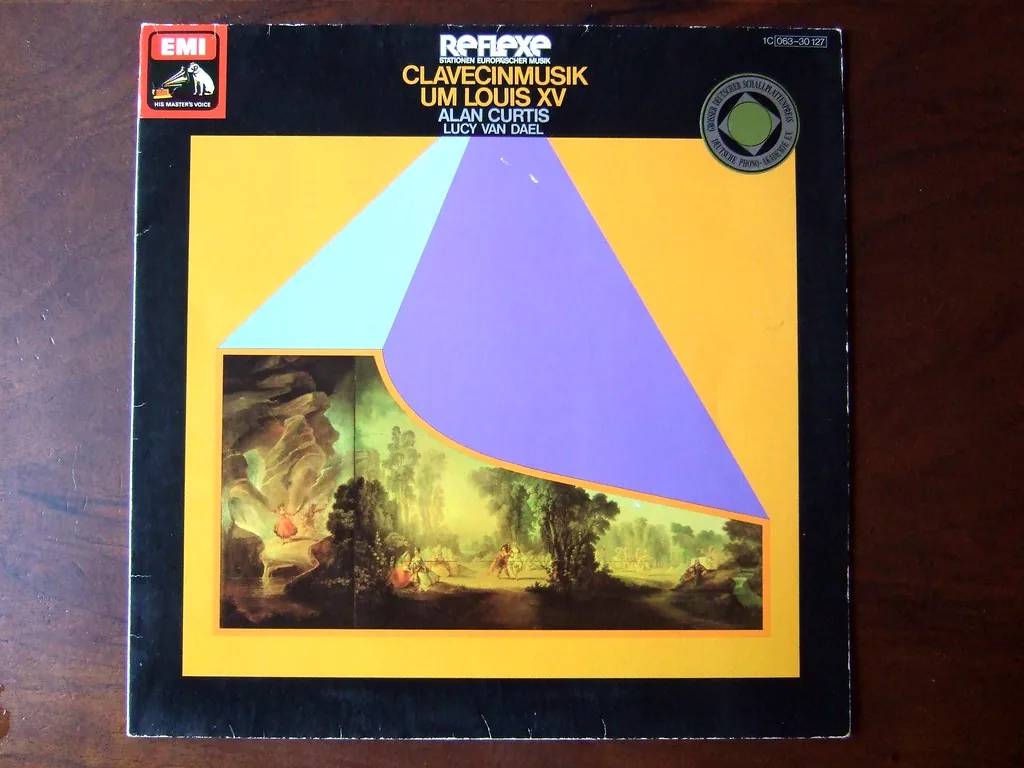
The harpsichord, a plucked-string instrument, has shaped the history of classical music. Since the 16th century, it has been an indispensable companion to composers and musicians. This unique instrument, with its distinctive technical features, has evolved over the centuries while retaining its importance in the orchestra.
During the harpsichord’s golden age in the 17th and 18th centuries, it became indispensable for accompanying recitatives in operas. Composers such as Johann Sebastian Bach and Domenico Scarlatti wrote major works for the instrument. The harpsichord was also used by English virginalists such as Byrd, Gibbons, and Farnaby.
French harpsichords of the 18th century, with their two keyboards, offered a variety of sounds. Specialist makers continued to innovate, adding sixteen-foot registers and lute stops. These innovations helped the harpsichord retain its place despite the arrival of the piano.
In the 20th century, the harpsichord enjoyed a revival thanks to performers such as Wanda Landowska. Today, it is taught in conservatories and continues to inspire contemporary composers. Its impact on classical music remains unmatched.
General introduction to the harpsichord
The harpsichord, a plucked-string instrument, has shaped the history of classical music. Since the 16th century, it has been an indispensable companion to composers and musicians. This unique instrument, with its distinctive technical features, has evolved over the centuries while retaining its importance in the orchestra.
During the harpsichord’s golden age in the 17th and 18th centuries, it became indispensable for accompanying recitatives in operas. Composers such as Johann Sebastian Bach and Domenico Scarlatti wrote major works for the instrument. The harpsichord was also used by English virginalists such as Byrd, Gibbons, and Farnaby.
French harpsichords of the 18th century, with their two keyboards, offered a variety of sounds. Specialist makers continued to innovate, adding sixteen-foot registers and lute stops. These innovations helped the harpsichord retain its place despite the arrival of the piano.
In the 20th century, the harpsichord enjoyed a revival thanks to performers such as Wanda Landowska. Today, it is taught in conservatories and continues to inspire contemporary composers. Its impact on classical music remains unmatched.
History and evolution of the harpsichord
The harpsichord, a plucked-string instrument, has shaped the history of classical music. Since the 16th century, it has been an indispensable companion to composers and musicians. This unique instrument, with its distinctive technical features, has evolved over the centuries while retaining its importance in the orchestra.
During the harpsichord’s golden age in the 17th and 18th centuries, it became indispensable for accompanying recitatives in operas. Composers such as Johann Sebastian Bach and Domenico Scarlatti wrote major works for the instrument. The harpsichord was also used by English virginalists such as Byrd, Gibbons, and Farnaby.
French harpsichords of the 18th century, with their two keyboards, offered a variety of sounds. Specialist makers continued to innovate, adding sixteen-foot registers and lute stops. These innovations helped the harpsichord retain its place despite the arrival of the piano.
In the 20th century, the harpsichord enjoyed a revival thanks to performers such as Wanda Landowska. Today, it is taught in conservatories and continues to inspire contemporary composers. Its impact on classical music remains unmatched.
The role of the harpsichord in classical music
The harpsichord held a central place in Baroque ensembles, providing a sonic foundation and a harmonic link. Its use as an accompanying instrument, particularly in the basso continuo, defined the Baroque era.
The importance of the harpsichord in the Baroque orchestra
The harpsichord was essential to musical cohesion. It provided a harmonic structure on which other instruments could rely, as well as rhythmic support. This versatile instrument was also used to accompany voices in operas and cantatas.
Influence on classical composers
Composers such as Bach and Couperin drew inspiration from the harpsichord’s technical possibilities. Bach, in particular, composed complex suites and variations for the instrument. The harpsichord influenced the development of counterpoint and harmony.
| Feature | Harpsichord | Piano |
|---|---|---|
| Main period of use | Baroque era | Classical and Romantic eras |
| Mechanism | Plucked strings | Struck strings |
| Dynamic range | Limited | Wider |
| Use | Basso continuo, accompaniment | Solo, accompaniment |
The harpsichord has left a lasting legacy in classical music. Even after the arrival of the piano, its influence can still be felt today. Discover how the piano evolved from these roots.
Technical features of the harpsichord
The harpsichord is distinguished by its string-plucking mechanism, which gives it a distinctive sound. This mechanism uses jacks fitted with quills or synthetic plectra that pluck the strings to produce sound. The plectra, positioned near the strings, play a crucial role in sound production.
The string-plucking mechanism
The jack is the key component of the harpsichord. When a key is pressed, the jack rises, allowing the plectrum to pluck the string. This mechanism offers a range of tonal colors, although its dynamic range remains limited compared with that of the piano. Each note is played at a fixed volume, requiring a particular playing technique to vary the expression.
Variations in construction and appearance
Harpsichords differ considerably in construction, affecting their sound and appearance. Some models, such as 18th-century French harpsichords, have two keyboards, offering greater versatility. Makers also experimented with sixteen-foot registers and lute stops, expanding the instrument’s sonic possibilities.
Harpsichord making is a traditional craft in which every instrument is unique. Construction techniques, often passed down through generations, reflect the importance of craftsmanship. Restoring old harpsichords, however, is a challenge that requires a thorough knowledge of historical methods and period materials.
| Feature | Harpsichord | Piano |
|---|---|---|
| Mechanism | Strings plucked by jacks | Strings struck by hammers |
| Sound | Clear, precise tone | Richer, more variable sound |
| Dynamics | Fixed volume | Wide range of dynamics |
The combination of these technical features makes the harpsichord an instrument in its own right, capable of producing rich and complex harmony. Its evolution over the centuries has preserved its identity while adapting it to musicians’ needs. Today, it remains an emblematic instrument of Baroque music and continues to inspire performers and composers.
To learn more about the evolution of classical music and its adaptation to other instruments, read our dedicated article.
Instruments related to the harpsichord
The harpsichord belongs to a family of plucked-string instruments that have shaped musical history. Its mechanism sets it apart, but it shares similarities with other instruments of the Baroque era.
Comparison with the lute and fortepiano
Unlike the harpsichord, the lute is played by plucking the strings with a plectrum or the fingers. Its range is more limited, but its versatility in Baroque and classical repertoires is remarkable. The fortepiano, by contrast, uses a mechanism that strikes the strings, offering greater expressiveness and a wider range.
The virginal and the spinet
The virginal and the spinet, close relatives of the harpsichord, have more compact structures. The virginal is often used in intimate music, while the spinet finds a place in smaller ensembles. These instruments have a similar range but offer distinct sounds.
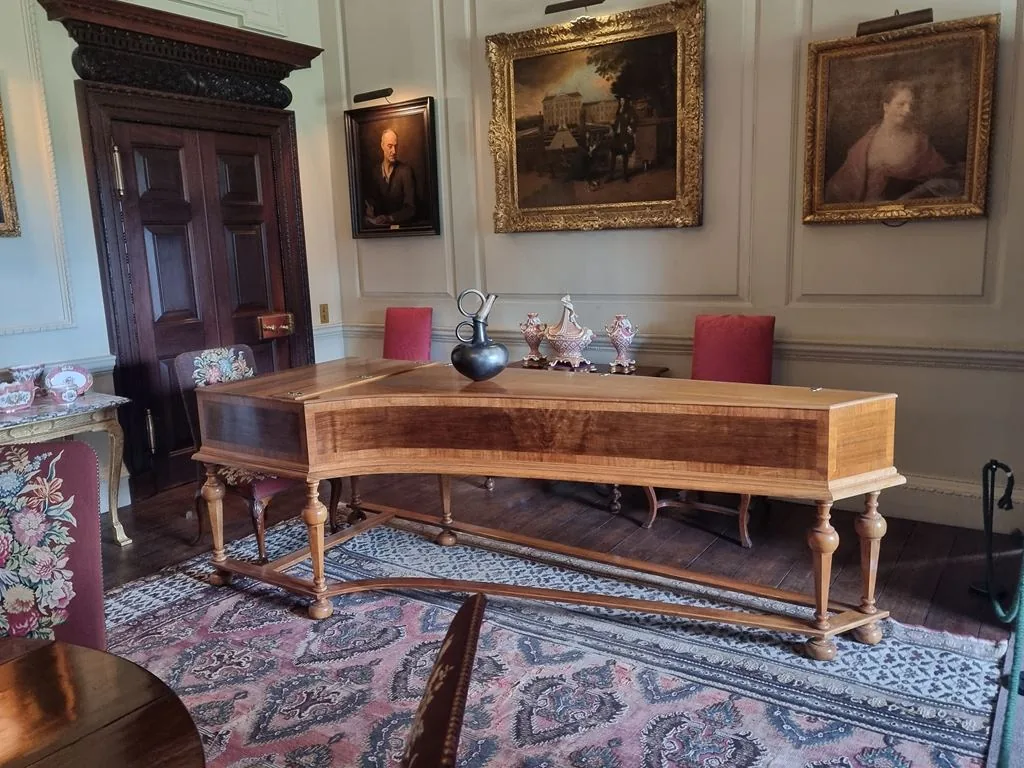
Instruments related to the harpsichord, such as the lute, fortepiano, virginal, and spinet, each have their own role in Baroque opera. Differences in their repertoires and playing techniques allowed them to complement one another, creating a distinctive richness of sound. Though distinct, these instruments contributed to the evolution of Baroque music.
Harpsichord making and decoration
Harpsichord making reflects exceptional craftsmanship. Each instrument, a work of art in its own right, embodies its owner’s prestige and taste. Makers specializing in these instruments combined function and beauty.
A variety of decorative techniques were used. Fine wood veneers, delicate carving, and mother-of-pearl inlay gave the harpsichord unparalleled beauty. Although visual, these decorations also served practical purposes, such as protecting wooden surfaces.
Renowned makers such as the Ruckers family left their mark on history through their creations. Their instruments, often richly ornamented, symbolize a refinement and style that have endured for centuries. Today, they remain models for contemporary craftspeople.
The harpsichord in the structure of the Baroque orchestra
The harpsichord occupies a strategic place in the Baroque orchestra, both rhythmically and harmonically. It provides a sonic foundation and a harmonic link, helping to structure compositions and unify the different instrumental sections.
The role of the harpsichord in the basso continuo
Basso continuo is a system of musical accompaniment used from the 16th century to the early 19th century. The harpsichord plays a central role by providing the harmonic and rhythmic structure on which other instruments can rely. This versatile instrument is also used to accompany voices in operas and cantatas.
Interaction with other instruments
The harpsichord interacts closely with instruments such as the violin and viol. It complements their melodies with rich, complex harmonies. The overall harmony created by combining these instruments’ sounds is characteristic of Baroque music.
The rhythmic and harmonic coordination provided by the harpsichord is essential. It ensures musical cohesion while allowing considerable expressiveness. Historical examples show its integration into the Baroque orchestra, particularly in works by Johann Sebastian Bach and Domenico Scarlatti.
To learn more about the history of Baroque music and its influence on the orchestra, read our dedicated article.
Expert accounts and perspectives
Harpsichordists, specialists in this emblematic instrument, offer valuable perspectives on its interpretation and place in the orchestra. Their accounts highlight the sensitivity and expertise needed to master the harpsichord.
Harpsichordists’ approaches to interpretation
Harpsichordists emphasize the importance of precise technique and a thorough understanding of the music. Playing must combine finesse and expressiveness to convey the harmonic richness of Baroque music. Interaction with other sections of the orchestra, such as the viols and violins, is crucial to creating a cohesive sound.
Élisabeth Geiger’s experience
Élisabeth Geiger, a notable contemporary harpsichordist, shares her experience. She stresses the importance of tuning and improvisation, essential techniques for adapting the harpsichord to the orchestra’s nuances. Her teaching approach emphasizes passing on these practices so that new generations of musicians can master this complex instrument.
Thanks to its versatility, the harpsichord remains a pillar of the Baroque orchestra, linking its sections through rich and expressive playing. Accounts from experts such as Élisabeth Geiger show how the instrument continues to inspire and reinvent itself, keeping the legacy of classical music alive.
The harpsichord’s influence on harmony and counterpoint
The harpsichord profoundly shaped the harmonic and contrapuntal practices of Baroque music. Its central role in ensembles made it possible to explore new sonic textures, in close interaction with other instruments such as the oboe.
Baroque composers such as Bach and Couperin used the harpsichord to create complex harmonic structures. The instrument offered ideal versatility for performing the basso continuo, supporting the melodies of the orchestra’s other instruments.
The dialogue between harpsichord and oboe, for example, produced works in which the voices intertwine gracefully. This interaction enriched the musical repertoire and brought classical musical language to a new level of complexity.
Concrete examples can be found in Rameau’s works, where the harpsichord and other wind instruments, such as the oboe, come together to create rich harmonies. These compositions demonstrate how the instrument contributed to the evolution of contrapuntal techniques.
Finally, studying the harpsichord remains essential to understanding the harmony of the Baroque era. Its use in teaching helps clarify the foundations of classical music and sheds particular light on the development of counterpoint.
Major works for harpsichord
The harpsichord repertoire is rich and varied, with major works that helped define the instrument. From suites and toccatas to concertos, these musical forms demonstrate the harpsichord’s versatility.
Major works by Couperin and Rameau
François Couperin and Jean-Philippe Rameau are among its most emblematic composers. With his Harpsichord Pieces, Couperin combined grace and complexity. Rameau, for his part, made history with his New Suites, in which form and the individual piece come together in rich harmony.
“The harpsichord is the quintessential instrument of Baroque music, capable of conveying both gentleness and vigor.” — Anonymous musicologist
The legacy of Bach and other masters
Johann Sebastian Bach also left an unforgettable legacy. His Well-Tempered Clavier remains a benchmark, with preludes and fugues that showcase the musical suite and form. Bach’s harpsichord concertos, such as BWV 1052, are masterpieces of virtuosity.
- Bach’s suites: a perfect balance of melody and harmony.
- Couperin’s pieces: a delicate and refined expression.
- Varied forms: from toccata to concerto, an unexpected richness.
The harpsichord repertoire invites a journey through the centuries: each form and each piece tells a story. From Bach to Rameau, by way of Couperin, these composers elevated the harpsichord to the status of a royal instrument.
Innovations and revival of the harpsichord in the 20th and 21st centuries
In the 20th century, the harpsichord experienced a remarkable revival, marked by technical innovations and a rediscovery of its repertoire. Performers such as Wanda Landowska played a key role in this revival, making the instrument popular once again.
Makers introduced improvements to the keys and bass, offering greater expressiveness. For example, the addition of a second keyboard and sixteen-foot registers expanded its sonic possibilities. These innovations helped the harpsichord adapt to the needs of contemporary musicians.
This period also saw the emergence of modern compositions combining traditional and innovative elements. These works demonstrate the instrument’s versatility. Contemporary composers, for example, explored new forms and techniques, keeping the harpsichord’s legacy alive.
The harpsichord is now included in conservatory teaching programs. This has preserved its heritage and helped train a new generation of musicians. Technical and educational innovations have secured its place in contemporary music.
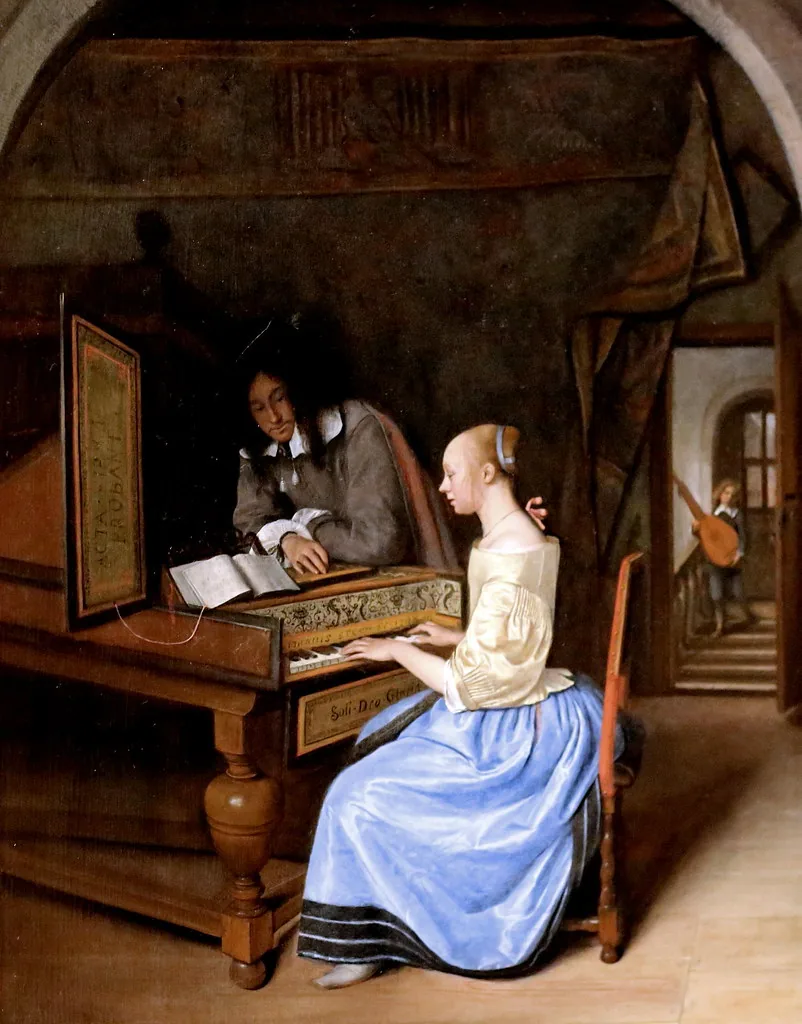
The harpsichord, a driving force in the orchestra
The harpsichord played an essential role as a rhythmic and harmonic pillar in the Baroque orchestra. Its use in the basso continuo helped structure compositions and unify the different instrumental sections.
Rhythmic and harmonic cohesion
The basso continuo, a system of musical accompaniment used from the 16th century to the early 19th century, centered on the harpsichord. This instrument provided the harmonic and rhythmic structure on which other instruments could rely. In Baroque sonatas, for example, the harpsichord supported soloists, creating musical cohesion.
The link between orchestral sections
The harpsichord linked the orchestral sections, unifying melodies and harmonies. Its influence was especially apparent in contrapuntal passages, where it guided interaction among the instruments. This coordinating role was crucial to maintaining the concert’s overall balance and dynamics.
| Feature | Harpsichord | Piano |
|---|---|---|
| Main period of use | Baroque era | Classical and Romantic eras |
| Mechanism | Plucked strings | Struck strings |
| Dynamic range | Limited | Wider |
| Use | Basso continuo, accompaniment | Solo, accompaniment |
The harpsichord supported soloists in sonatas and guided the overall harmony. Its driving role helped maintain the orchestra’s momentum and cohesion, making it indispensable in the Baroque era.
Teaching and promotion in conservatories
Harpsichord teaching in conservatories uses methods suited to introducing students to the instrument. Its particular techniques, such as the touch required for a plucked-string instrument, demand great finger precision, essential for mastering nuances of sound.
Although different, the cello plays a complementary role in ensemble teaching. Conservatories offer specialized courses, such as those at the Gabriel-Fauré Conservatory, where students receive individual and group lessons. This training strengthens their understanding of Baroque music.
| Method | Harpsichord | Cello |
|---|---|---|
| Technique | Plucked strings | Strings played with a bow |
| Teaching | Finger precision | Control of movement |
| Use | Basso continuo | Accompaniment |
Teachers’ accounts emphasize the importance of traditional teaching in preserving musical heritage. Discover how these methods influence contemporary music.
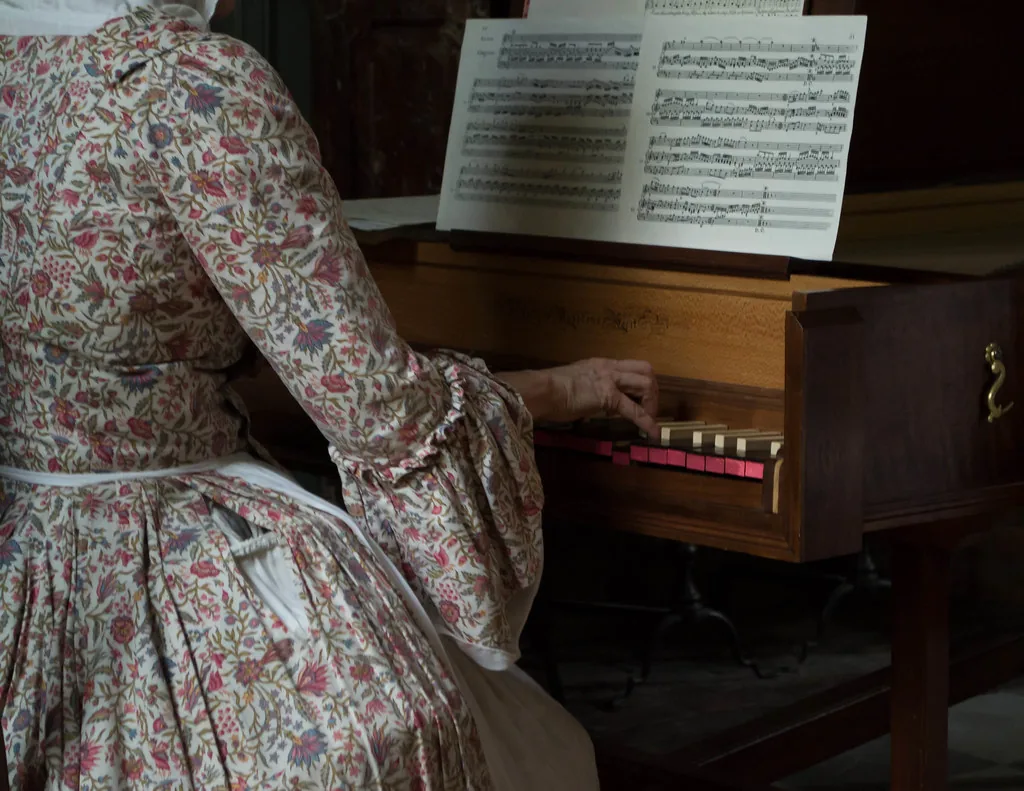
The harpsichord in contemporary music
Although a symbol of Baroque music, the harpsichord has adapted to modern musical styles. Contemporary composers such as Alain Louvier have revisited the instrument by incorporating electronic and experimental elements.
Modern works inspired by the harpsichord
Alain Louvier, for example, explores new sounds by combining the harpsichord with percussion techniques and electronic effects. These stylistic innovations offer a fresh view of a traditional instrument.
Stylistic renewal and contemporary techniques
The plectrum, a key part of the harpsichord’s mechanism, is sometimes modified to produce more percussive sounds. This adaptation makes it possible to create new sonic textures incorporating modern rhythms and unusual effects.
| Feature | Traditional harpsichord | Contemporary harpsichord |
|---|---|---|
| Use of the plectrum | Traditional sound | Modified sound, percussive effects |
| Inclusion of percussion | Limited | Integrated and experimental |
| Techniques | Acoustic | Electronic and mixed |
The harpsichord continues to captivate listeners, connecting past and future. Discover how it inspires new generations of musicians.
Historical and cultural perspective
The harpsichord, a symbol of musical elegance, has endured through the centuries in France and deeply shaped its cultural landscape. Its evolution reflects changes in musical taste and technical innovations.
The evolution of musical taste in France
Over the centuries, musical taste in France evolved and influenced the use of the harpsichord. Composers such as François Couperin and Jean-Philippe Rameau adapted the instrument to the trends of their time, incorporating new techniques and styles. The harpsichord became a reflection of French aesthetic preferences, combining harmonic complexity with melodic delicacy.
Passing on the classical heritage
Harpsichordists played a key role in preserving musical heritage. Performers such as Wanda Landowska reintroduced the instrument in the 20th century and taught traditional techniques. Today, conservatories carry on this legacy by training new generations of musicians.
| Era | Style | Technique |
|---|---|---|
| Baroque | Harmonic complexity | Basso continuo |
| Classical | Melodic balance | Precise touch |
| Contemporary | Experimentation | Sonic innovations |
Rich in history, the harpsichord remains a pillar of classical music. Discover how it continues to inspire today’s musicians.
Conclusion
The harpsichord, an emblematic instrument of Baroque music, shaped musical history through its central role in the orchestra. This instrument with plucked strings evolved over the centuries while retaining its importance.
Composers such as Bach and Scarlatti wrote major works for the harpsichord. Its use in the basso continuo helped structure Baroque compositions. Technical innovations, such as the addition of registers, preserved its place despite the arrival of the piano.
Today, the harpsichord continues to inspire contemporary musicians. Its legacy, carried forward by performers such as Wanda Landowska, lives on in conservatories. This instrument, a symbol of musical elegance, has endured through the centuries in France and deeply shaped its cultural landscape.
The harpsichord occupies a strategic place in the Baroque orchestra, both rhythmically and harmonically. Its defining role in Baroque and contemporary orchestras is undeniable. It influenced harmony and musical structure, leaving a lasting legacy.
Great masters such as Couperin and Rameau elevated the harpsichord to the status of a royal instrument. Its influence on harmony and counterpoint is unmatched. Today, it continues to adapt to modern musical styles, keeping the tradition alive.
FAQ
How important is the harpsichord in Baroque music?
How has the harpsichord evolved over the centuries?
What are the differences between the harpsichord and the piano?
Which composers shaped the history of the harpsichord repertoire?
How does the harpsichord influence harmony and counterpoint?
What is basso continuo, and what is its role?
How do harpsichordists interpret early works today?
Is the harpsichord still used in contemporary music?
Which harpsichord pieces are the hardest to play?
How should you choose a harpsichord for a particular use?
Source links
- https://www.radioclassique.fr/histoire/instruments/le-clavecin-cest-quoi/
- https://www.baroque.org/baroque/whatis
- https://en.wikipedia.org/wiki/Harpsichord
- https://en.wikipedia.org/wiki/History_of_the_harpsichord
- https://www.edmu.fr/2015/04/l-francaise-de-clavecin-au-xviiie.html
- https://philharmoniedeparis.fr/fr/activite/journee-detude/22945-linvention-du-clavecin-ancien-au-xxe-siecle
- https://www.britishmuseum.org/collection/object/H_1886-1120-1
- https://www.hymnal-orgue.org/en/how-does-a-harpsichord-work/
- https://www.hymnal-orgue.org/en/who-plays-the-harpsichord/
- https://fr.wikipedia.org/wiki/Musique_de_clavecin
- https://pad.philharmoniedeparis.fr/histoires-d-instruments-le-clavecin.aspx?_lg=fr-FR
- https://www.musicologie.org/publirem/serrou_baumont.html
- https://www.radiofrance.fr/francemusique/le-clavecin-baroque-ou-rock-n-roll-8763290
- https://www.pausemusicale.com/epoques-musicales/clavecin-versus-piano-le-son-de-lepoque-classique/
- https://www.larousse.fr/encyclopedie/musdico/clavecin/166849
- https://www.philippe-lescat-asso.fr/index.php/musicologie/travaux/51-rameau-et-le-clavecin.html
- https://www.smithsonianmag.com/smart-news/one-malaysias-last-sumatran-rhinos-has-died-180963568/
- https://www.nga.gov/features/slideshows/ruckers-harpsichord.html
- https://www.clevelandart.org/art/1964.514
- https://cmbv.fr/fr/decouvrir-le-baroque/ressources/abecedaire
- https://www.musiclic.com/blog/orchestre
- https://www.musee-unterlinden.com/en/home/
- https://www.artscouncil.org.uk/research-and-data
- https://www.ism.org/advice/music-education-conference/
- https://www.classicfm.com/discover-music/periods-genres/classical/
- https://www.musictheory.net/lessons/43
- https://www.openbookpublishers.com/books/10.11647/obp.0268
- https://www.gramophone.co.uk/features/article/the-greatest-harpsichord-recordings
- https://www.musiclic.com/blog/histoire-de-la-musique-classique
- https://www.hpschd.nu/tech/
- https://www.jstor.org/stable/10.2307/932902
- https://en.wikipedia.org/wiki/Historically_informed_performance
- https://journals.openedition.org/transposition/1244?lang=en
- https://www.classiquenews.com/cd-evenement-annonce-jor-jeune-orchestre-rameau-vol-2-sextuors-en-concerts-lexcellence-baroque-portee-par-bruno-procopio/
- https://www.pianoweb.fr/orchestre-classique-disposition-et-evolution-sonore.php
- https://conservatoires.paris.fr/p/6852-etudes-musicales-departements-et-cycles
- https://conservatoire.grandangouleme.fr/wp-content/uploads/2016/01/guide.pdf
- https://www.leperreux94.fr/system/files/2023-11/Projet d Etablissement Conservatoire 2023 2028.pdf
- https://www.franceinfo.fr/culture/musique/classique/pas-moderne-mon-clavecin-quand-un-instrument-baroque-devient-trendy_3288603.html
- https://www.radiofrance.fr/francemusique/podcasts/maxxi-classique/le-clavecin-et-la-pop-baroque-3827990
- https://www.medici.tv/en/artists/jean-rondeau
- https://www.erudit.org/fr/revues/sqrm/2022-v23-n1-sqrm09266/1110919ar/
- https://baroque-music.com/
- https://www.cambridge.org/core/journals/early-music-history
- https://www.resmusica.com/2008/12/04/le-clavecin-autrement-decouverte-et-passion/