


A practical guide to buying with confidence in France. The baritone saxophone is a powerful low-pitched instrument in E♭. Buying used can offer excellent value for money if you check the instrument’s condition.
This article sets the scene: why buying a used instrument can be a sensible choice. It explains how to avoid unpleasant surprises caused by leaks, mechanical problems or damage.
Here are the key steps: understand the baritone’s characteristics, set a total budget (asking price + servicing + accessories), inspect and play-test the instrument, then choose where to buy it. A well-maintained instrument is often a better choice than a prestigious but worn-out model.
Pay close attention to the pads, mechanism and finish. This introduction leads into a checklist to help you protect your purchase and assess the instrument’s quality.
Why choose a used baritone saxophone in France?
An instrument in E♭ has a low register and powerful projection, making it well suited to jazz and orchestral groups. Its distinctive sound carries across concert halls and big bands.
This type of instrument is demanding: it requires more air, a relaxed embouchure and more careful breath control than an alto or tenor. Musicians value its deep tone, but learning to play it calls for more technical skill.
Weight and ergonomics matter. Expect around 6 to 7 kg: transport, fatigue during concerts and playing while standing all make a strap or vest-style harness important.
- Sold as is: an instrument sold in its current condition, without a warranty.
- Refurbished: inspected and adjusted by a professional, ready to play.
- Vintage: a distinctive character developed over the years, but a greater need to check wear, parts and tuning.
“Vintage does not always mean better: condition and intonation matter more than reputation.”
| Option | Advantage | Risk |
|---|---|---|
| Sold as is | Often a low price | Repairs may be needed |
| Refurbished | Adjusted and ready to play | Refurbishment cost included |
| Vintage | Distinctive sound | Rare parts and wear |
If you already have solid playing skills, this kind of purchase can broaden your sound. Beginners may be better served by a suitable model or a carefully prepared used instrument.
To review listings and vetted offers, look at the saxophone listings before moving on to inspection and play-testing.
Price, total budget and value for money when buying a used baritone saxophone
Before you open your wallet, estimate the full amount you will need. The asking price is only part of the budget: add servicing, possible repairs and accessories.
Realistic price ranges in France: a solid intermediate instrument generally sells for €4,000 to €7,000. High-end models often cost more than €7,000.
The amount depends on the brand, model, build quality and overall condition. A well-adjusted model costs more but offers better value for money.

- Total budget = purchase price + servicing cost + repairs + accessories.
- Common examples: Selmer SA80 II and Series III, Yamaha YBS-62, Yanagisawa and Jupiter JBS1000.
- Practical rule: at the same price, choose an instrument that has been checked and is ready to play.
“A cheaper instrument with leaks often costs more once it has been repaired.”
Before buying, ask a repair technician for a servicing quote and review the maintenance receipts. For prices and comparisons, this resource can help you assess the offers.
Used baritone saxophone: what to check
Start with a visual inspection, then test the mechanism. Examine the brass body and bell for dents, repaired solder joints or signs of a fall.
Keys and mechanism: check alignment, spring return and whether any keys feel stiff. Listen for unwanted noises as you play; they often point to loose adjustments.
Pads and airtightness: an air leak makes low notes harder to produce. Check that the pads seal against the tone holes and sit evenly.
- Neck and corks: check the fit and whether the mouthpiece stays securely in place.
- Finish: distinguish worn lacquer from active corrosion.
- History: receipts and servicing records show how the instrument has been maintained.
“A well-maintained instrument inspires confidence, even if it shows signs of use.”
Weigh the risks: accept minor scratches, but negotiate or walk away if the bell is crushed, the mechanism is bent or there are numerous leaks. A professional inspection before purchase can make all the difference.
Play-test the instrument like a pro before buying
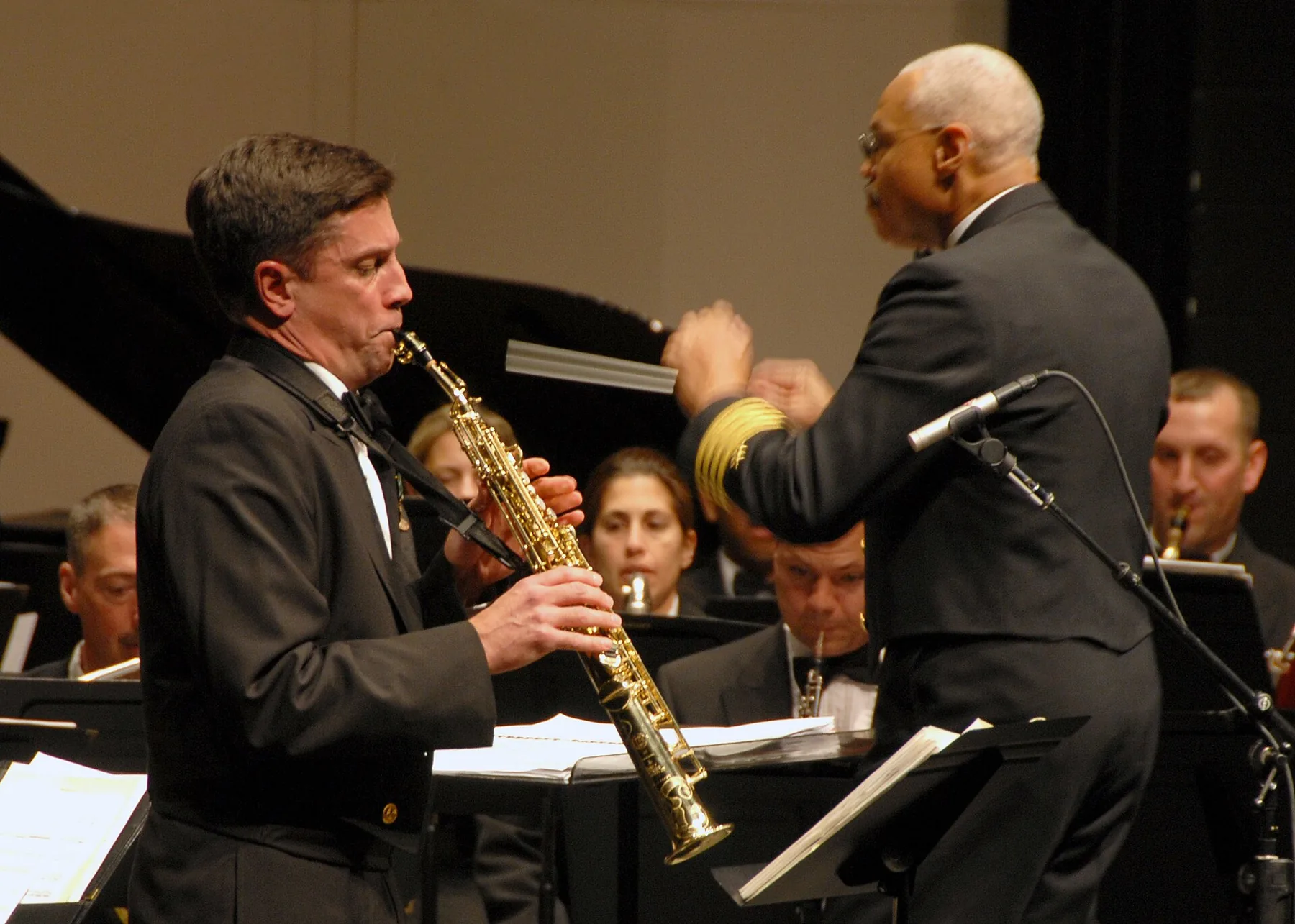
A test in real playing conditions reveals far more than photos or a specification sheet. Start with a short warm-up: play a few slow scales and sustained notes to settle your intonation and identify leaks.
Response and note production
Check how easily notes sound across the full range, from low to high. Focus on the low notes: they often reveal sealing problems.
Intonation and mouthpiece position on the cork
Place the mouthpiece on the cork and move it slightly to find the best tuning. Hold notes without tightening your embouchure so you can check their stability.
Tone, projection and style
Test the sound at different volumes. A hard-rubber mouthpiece produces a rounder sound; a metal mouthpiece offers more projection. Judge what you hear in relation to your style: jazz, big band or orchestra.
Playing comfort
Try the instrument while standing with a strap or harness. Check its balance, access to the keys and how tired you feel after a few minutes of playing. If possible, test it with your own mouthpiece and reed.
“A test that is too short can hide problems: take the time you need.”
| Step | Goal | What to check |
|---|---|---|
| Warm-up | Settle your intonation | Sustained notes, scales |
| Response | Detect leaks | Low notes, quick attacks |
| Tone | Check the sound | Mouthpiece, material, projection |
| Comfort | Play for longer | Strap, balance, fatigue |
For a complete method and detailed purchasing advice, see our practical guide to buying advice. Here are a few recommendations to follow during the play-test.
Where to buy with confidence: shops, private sellers and online listings
Where you buy can make the difference between a bargain and an unpleasant surprise. Compare buyer protection, price and logistics before deciding.
Shop or established seller
Advantage: a shop prepares and adjusts the instrument before selling it. A documented history and after-sales service offer valuable reassurance.
Buying from a private seller (Leboncoin, eBay…)
The price may be attractive, but the risks are higher if the instrument has not been serviced. Check its overall condition, and ask for photos of the bell, neck and pads, as well as the serial number.
Refurbished option
A refurbished model has been professionally inspected and adjusted. Benefit: fewer hidden costs and more peace of mind than with a sale as is.
- Compare the options: shop (buyer protection), private seller (price) and refurbished instrument (a balance of both).
- Check listings for a stated service history, an accurate description of condition, disclosed faults and detailed photos.
- Transport: choose careful shipping or collection in person to reduce the risks of moving a large instrument.
“If you cannot assess the instrument yourself, paying a little more to a reputable seller often prevents later expenses.”
Accessories to check and budget for with a used baritone
Thinking about accessories before you buy helps avoid hidden costs and extends the instrument’s life. Include the following items in your total budget.
Case or bag: essential protection
A sturdy case with a reliable closure reduces the risk of impact and temperature changes. Check how well it protects the bell and how comfortable it is to carry if you transport the instrument regularly.
Mouthpiece, reed and ligature: a direct effect on sound
The mouthpiece changes the tone and how easily notes speak. Test the instrument with your own mouthpiece if possible.
Allow for suitable reeds and a reliable ligature so your test is representative and the instrument feels comfortable to play.
Care kit: prevent wear
A good care kit contains a cleaning swab, cloth and cork grease. Regular care helps control moisture and extends the life of the pads.
“A good case and a little care are better than an expensive repair.”
- Wipe down the instrument after every session.
- Always put it back in its case.
- Protect it from impacts and temperature changes.
| Accessory | Purpose | Indicative cost | Priority |
|---|---|---|---|
| Hard case | Full protection | €100 to €400 | High |
| Mouthpiece | Tone and ease of playing | €50 to €250 | High |
| Care kit | Moisture prevention | €10 to €40 | Medium |
| Reeds and ligature | Sound stability | €10 to €80 | High |
To learn more about choosing your first setup, see our beginner’s guide, which can also help you make a shopping list.
Conclusion
In short, a structured approach protects your purchase and your budget. Set your budget, compare prices and choose where to buy before arranging a visit.
Inspect the instrument, test how it plays and check that the keys close properly. Try notes in real playing conditions to judge its quality and mechanical condition.
Account for the full cost: servicing, case, mouthpiece and maintenance. A reliable instrument avoids repeated expenses and supports your progress, whatever your level.
If several similar models are available, try them: feel and comfort vary. If you are unsure about leaks, damage or unstable adjustments, walk away or ask a repair technician for an opinion.
By following these steps, you improve your chances of finding a durable saxophone that suits the way you play.