

Setting the scene: in France, this maker has established itself as a high-end reference for alto and tenor saxophones. Forum reviews highlight a very clean tone and precise keywork, often compared with the versatility of other major brands.
This buying guide aims to help you research and choose an instrument according to your level, budget, and preferred playing comfort. We focus on how an instrument actually plays rather than its reputation alone.
Musicians describe an easy feel, consistency across models, and a clear sound without harshness in the upper register. Ergonomics, mechanics, and finish matter as much as material.
Before buying, examine the exact model, series, condition, and setup. For more historical context and technical detail, consult this practical reference: detailed buying guide.
Understanding the design philosophy and desired sound
An instrument’s design philosophy directly affects its sound and how it performs in practice. Here, the emphasis is on a clean tone and consistency across registers.
A clean, consistent tone
Which styles suit it? Studio work, orchestral sections, and precise playing benefit from a clear attack and stable intonation.
Some musicians prefer a rougher edge; to them, the sound may seem a little less warm.
Ergonomics and keywork
Players’ reports describe ergonomics similar to those of modern saxophones. Key placement and keywork support smooth changes in fingering.
With less tension and less need to compensate with the embouchure, practice can become more productive.
Perceived quality and manufacturing consistency
Consistent finishes, reliable mechanisms, and evident quality control explain the brand’s high-end reputation.
“Very clean sound, exceptionally good keywork”
Ultimately, trying an instrument with your own equipment is what separates a good saxophone from the right saxophone for you.
- Character: clarity, consistency, accurate intonation.
- Strength: clear articulation and control.
- Test: whether it suits your level and taste.
Yanagisawa: what sets the brand apart for alto and tenor
Comparing the series helps you identify what genuinely improves playability, mechanics, and finish.
First, place the model in context: student, intermediate, or professional. Then check the series’ features and materials. Do not rely on the asking price alone.
A practical example: T901/T902 and T991/T992
Forum members report that the difference often comes down to the bronze finish and price, and does not always mean a leap in performance. Older forum discussions describe the T902 and T992 as bronze variants.
“One T901 could project extremely well, while another was simply good”
Response, low notes, and projection
The tonal character remains consistent throughout the range. The low notes are sometimes perceived as a little less deep than those of a Selmer Series 3, but players appreciate the stability and ease of playing.
Projection depends on the combination of instrument, mouthpiece, and reed. Keep these factors in mind when trying one.
The role of the neck
The neck often changes the response. For example, pairing a TW01 with a bronze neck “transformed” its response. On other series, the effect may be subtler.
Guidelines for buying used
At a given price, expect the condition and setup to make sense. Some brands are easier to resell, but that does not make them the best choice for your playing.
| Model / series | Finish | Response | Used-buying budget guidance |
|---|---|---|---|
| T901 | Standard | Varies between individual instruments; sometimes projects strongly | A good choice if properly set up; check consistency |
| T902 | Bronze (2005 forum discussion) | Stable projection; warmer-looking finish | Slightly higher price because of the finish |
| T991 | Professional | Consistent response across the range | Expect consistency and a professional setup |
| T992 | Bronze / high-end version | Similar to the T991; the difference is often aesthetic | Added value mainly associated with the material |
For a closer look at the T991, read this detailed review: T991 review. To compare budgets and expectations, see this related article: buying considerations.
Bronze, lacquer, and silver: materials and finishes that really change the experience
The choice of finish deserves as much attention as the choice of neck or reed. In practice, bronze often refers to an alloy or patina rather than a magical change in tone.
On forums, a bronze finish is often cited as a reason for a higher price. In many playing tests, it changes the tactile feel and appearance, but not necessarily the sound.
Lacquer, wear, and maintenance
A very thin lacquer can wear over time and develop a “distressed” appearance. This is often cosmetic. Wear does not necessarily mean poor response.
Examine carefully the condition of the lacquer, any dents, and any corrosion. Listen for response, stability, and consistency between registers.
When paying a little more makes sense
Paying a little more can be worthwhile if it covers a professional setup, stable keywork, or a neck that improves the response. Avoid paying extra for appearance alone.
“What matters is the response, comfort, and stability in real playing conditions.”
| Finish | Appearance | Maintenance | When to pay more |
|---|---|---|---|
| Bronze | Warm patina; sometimes looks “grimy” | Shows marks; clean gently | If the finish comes with a neck or professional setup that benefits you |
| Thin lacquer | Glossy at first, then worn | Wear marks are common | Not if appearance is the only reason |
| Silver-plated / silver | High-end appearance; cool feel | Tarnishes; polish regularly | If appearance and preservation matter to you |
Yanagisawa buying guide: choosing the right alto or tenor saxophone for your level
Before buying, define what you want from a saxophone: how you will use it, how comfortable it feels, and your playing level. This helps you choose a model and set a budget from the outset.
Budget, listings, and used instruments: buying with confidence
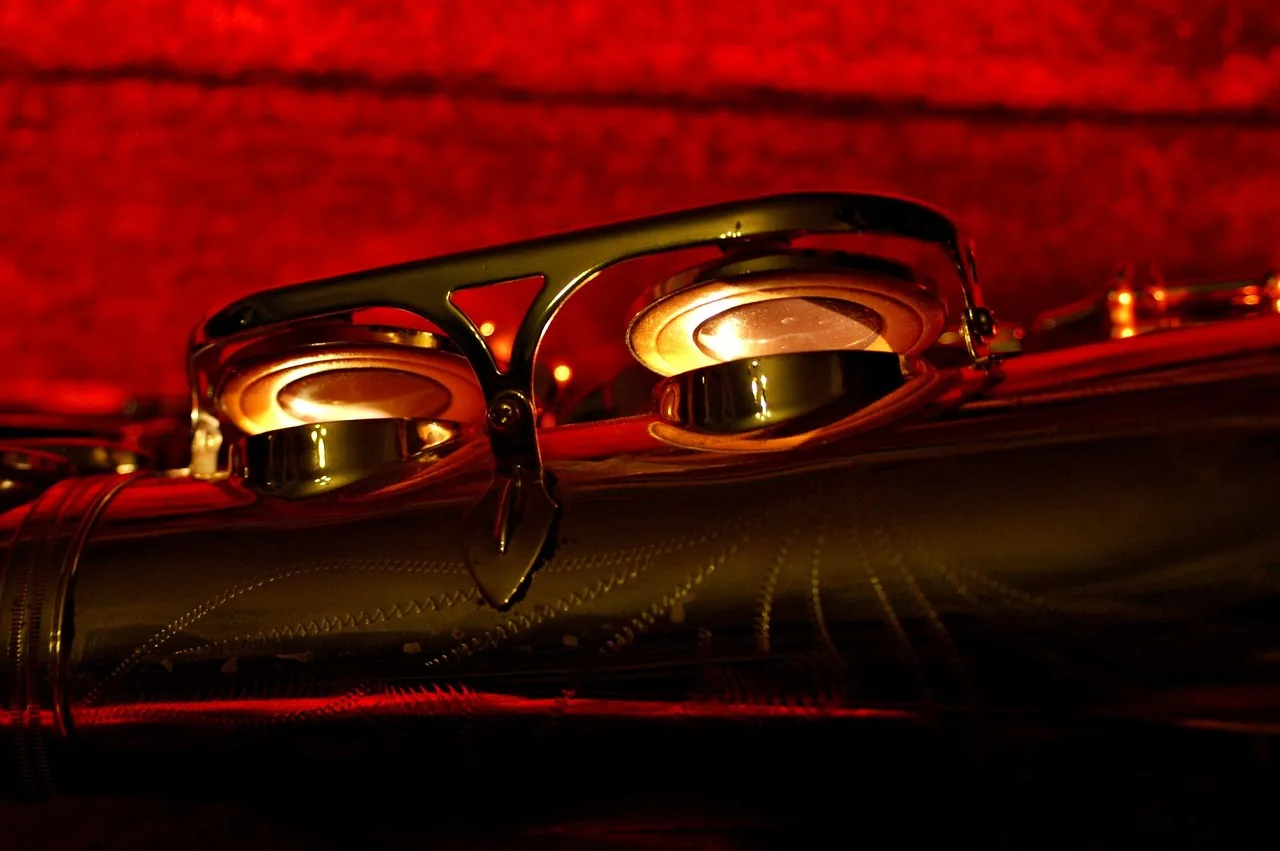
When sorting through listings, first verify the exact model, its range, and its service history. Ask for clear photos of the pads, corks, and keywork.
Compare two instruments in the same range instead of chasing a single “bargain.” The same price can conceal very different setup needs.
Trying one in real conditions: mouthpiece, reed, neck, and technician setup
Bring your mouthpiece and reeds of different strengths. Try several necks: some bronze necks have transformed the response in playing tests.
Record a few trials so you can compare them. A visit to a repair technician can turn an average instrument into a reliable one.
Care and maintenance
These instruments are appreciated for their straightforward care between visits to a repair technician. Learn to check the pads, air leaks, and key adjustments.
Simple maintenance helps keep the mechanism stable and limits repair costs.
| Step | What to check | Why |
|---|---|---|
| Review listings | Model, photos, service history | Helps establish whether the price fits the model range |
| Play test | Mouthpiece, reeds, several necks | Reveals the instrument’s actual playing response |
| Setup | Estimated servicing cost | Helps avoid an unpleasant surprise after purchase |
“Play test + mechanical inspection + repair estimate = a smart purchase.”
For a full overview and practical advice before buying, consult this complete buying guide.
Identifying a used saxophone: series clues, transitional models, and mechanical changes (1980s–1990s)
To identify a used saxophone, start by examining its serial number and visible mechanical details.
Serial numbers and periods
Practical tip: start with the numbers. Observed “500” altos have serial numbers around 00126341–00126374 (1985). “900” models appear near 00164385–00164389 (1991).
Visible changes in the mechanism
Look at the braces, rods, and height of the palm-key touches. On newer models, the mechanical connection to the body is reinforced.
Also note the low C and E♭ keys (one rod or two hinges), the articulated B♭ linkage, and the type of spring (flat or needle).
Transitional models and points to watch
Transitional models combine features from different series. That is not a flaw in itself, but it calls for careful checks of the condition and consistency of the parts.
- Check for play in the mechanism and alignment of the low keys.
- Check the condition of the springs and look for signs of impact.
- Compare the bell-to-body joint: two braces and a circular ring (500), versus three braces and a rectangular ring (900).
Practical tip: compare the serial number with the physical details, then seek the opinion of other owners or a repair technician. Return to a playing test with your mouthpiece and the saxophone’s neck, and estimate the restoration cost.
tell one alto saxophone model from another
Conclusion
In short: prioritize tonal consistency and ease of playing over appearance.
The central idea: a clean sound, modern ergonomics, and reliable mechanics support playing at a high level.
Put response and comfort first. Then consider the setup. Lacquer, silver, and appearance sometimes have little effect on the musical result.
Try instruments in real playing conditions, compare examples from the same series, weigh other owners’ opinions, and calculate any restoration costs.
An excellent, properly set up used instrument is often better than a beautiful but poorly maintained one. To broaden your search, consult this guide to the best saxophone brands.