

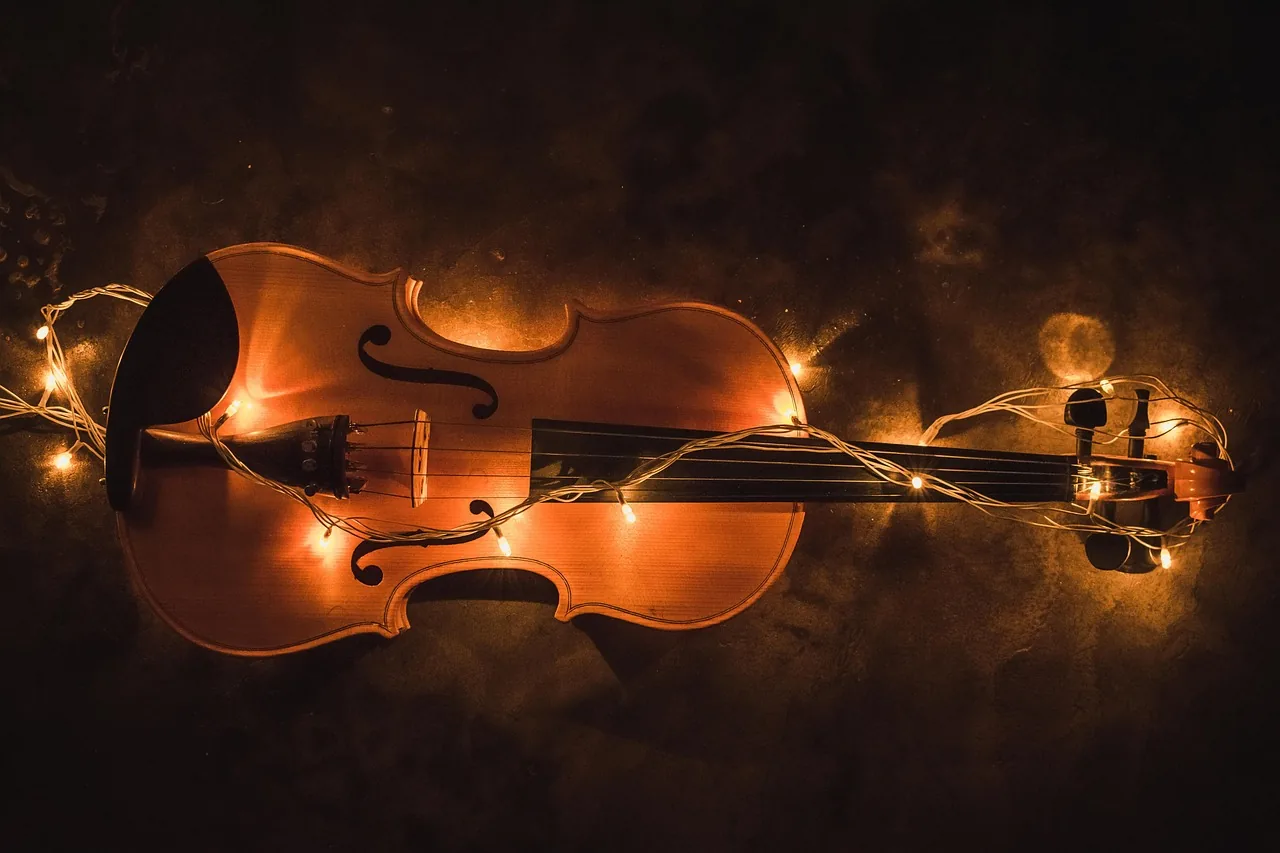
Classical music is a rich and complex historical legacy with timeless depth and beauty. For a beginner, entering this world can seem daunting, but it is a rewarding experience.
From the Baroque period in the seventeenth century to contemporary music, classical music has evolved through the work of legendary composers such as Bach, Mozart and Beethoven. These masters laid the foundations of a musical world that still resonates today.
Choosing an instrument is crucial for a beginner. The piano, violin and flute are popular starting points. Regular practice, even for short periods, is essential for developing a musical ear.
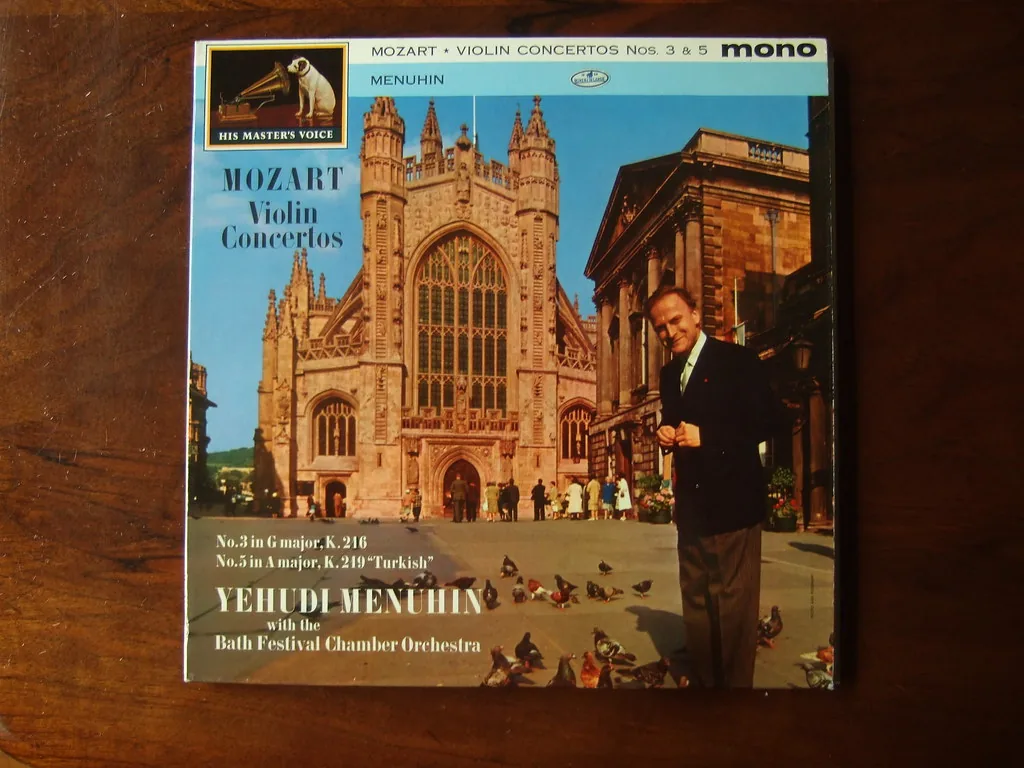
Listening to recordings by great performers helps you understand the nuances of classical music. For example, the piano concertos by Schumann and Grieg have memorable openings that captivate listeners.
By immersing themselves in this musical history, beginners can quickly become familiar with this rich and fulfilling world and enjoy an unparalleled cultural legacy.
An introduction to discovering classical music
Classical music is a rich, evolving genre with a range of styles that reflect cultural and artistic changes over the centuries. From the Baroque era to the present day, its development tells a captivating musical story.
The origins and development of the genre
The roots of classical music reach back to the Middle Ages and Gregorian chant. Composers left their mark on every era. Bach and Vivaldi distinguished themselves in the Baroque period, while Mozart and Beethoven became leading figures of the Classical period. Each period brought innovations that shaped the genre.
Why start exploring it today?
Discovering classical music today means connecting with a profound cultural legacy. It still inspires film, ballet and many other arts. As one musicologist puts it:
“Classical music is an inexhaustible source of emotion and inspiration.”
| Period | Characteristics | Notable composers |
|---|---|---|
| Baroque | Complex ornamentation, use of the harpsichord | Bach, Vivaldi |
| Classical | Balance and harmony | Mozart, Haydn |
| Romantic | Intense expression, lyricism | Chopin, Tchaikovsky |
What you need to appreciate classical music
To enjoy classical music fully, a few conditions help. A quiet setting and good acoustics are essential for hearing every nuance.
Find a suitable, quiet setting
A peaceful place lets you focus on the subtleties of a work. Background noise can distract you and make listening less immersive. A quiet space helps you connect more deeply with the music.
Why acoustics and equipment matter
Choosing a good instrument or audio equipment is important. For example, a quality hi-fi system or capable headphones can reveal details you might otherwise miss. Equipment directly affects the quality of your listening experience.
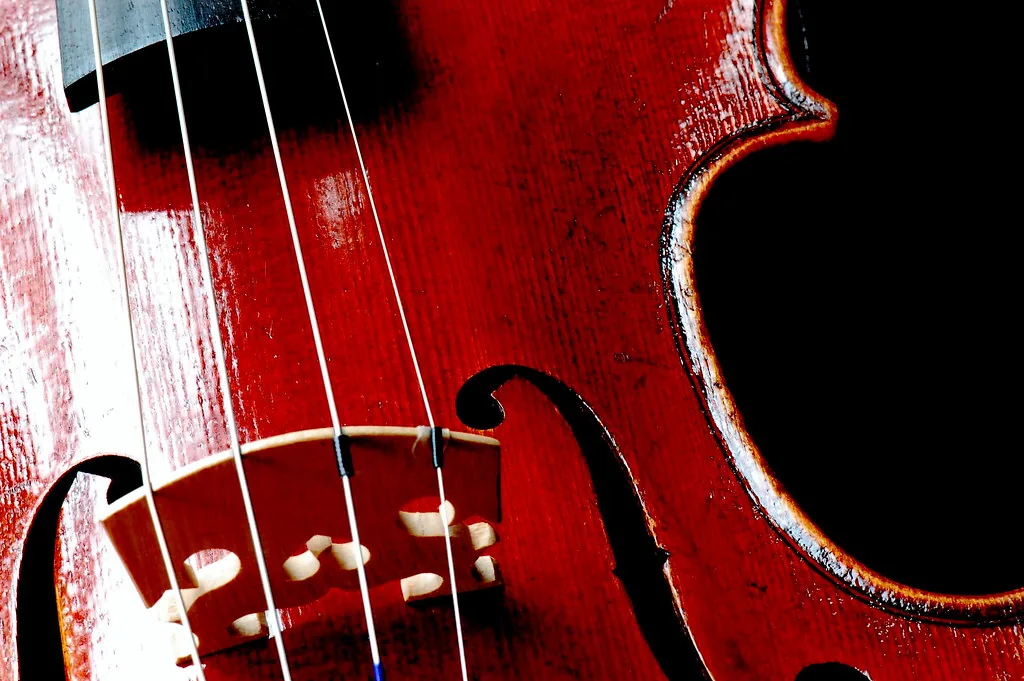
At a concert, the hall’s acoustics play a major role. At home, achieving comparable sound calls for careful equipment choices. Stereo speakers, for example, can provide a more immersive experience than listening on a mobile phone.
In short, appreciating classical music calls for a quiet setting and good audio equipment. Together, they help you hear the full richness of classical works.
How to get started with classical music
Discovering classical music begins with thoughtful choices. Selecting a suitable instrument and learning from a qualified teacher are key steps toward a rewarding experience.
Choose the right instrument and learning resources
First, choose an instrument that suits your preferences. The piano, violin and flute are excellent options for beginners. Each offers a different path into classical music.
Learning resources are essential. Sheet music, instruction books and educational apps can make studying easier. They help you understand music theory and practise effectively.
Learn from a qualified teacher
An experienced teacher guides your first steps, corrects mistakes and keeps you motivated. Their expertise can help you make steady progress and discover legendary composers.
Studying scores and comparing performances are also valuable. Listening to concertos and orchestral works broadens your horizons. Mozart’s and Tchaikovsky’s concertos, for example, reveal the richness of orchestral writing.
Individual guidance helps each student find a suitable way to learn. A good teacher inspires and motivates, making lessons more enjoyable and effective.
Explore Baroque, Classical and Romantic music
Exploring the classical repertoire means entering a rich and varied world. Every period, from the Baroque to the Romantic era, offers notable works that reflect changing styles and emotions.
Baroque works and their characteristics
The Baroque period, known for elaborate ornamentation, includes composers such as Bach and Vivaldi. Works such as Bach’s Brandenburg Concertos combine complexity and harmony. The harpsichord plays a central role and gives this music a distinctive texture.
Essential Classical and Romantic masterpieces
In the Classical period, Mozart and Haydn stood out for their structured, balanced compositions. Mozart’s Clarinet Concerto remains timeless. Romanticism brought the intensely expressive works of Chopin and Tchaikovsky, including the Nocturnes and Piano Concerto No. 1.
| Period | Characteristics | Notable composers |
|---|---|---|
| Baroque | Complex ornamentation, harpsichord | Bach, Vivaldi |
| Classical | Balance, harmony | Mozart, Haydn |
| Romantic | Intense expression, lyricism | Chopin, Tchaikovsky |
Building a varied listening repertoire develops musical sensitivity. Comparing performances of the same work can reveal unexpected nuances and deepen your experience.
Discover modern and contemporary music
Beyond traditional works, classical music gained innovative styles during the twentieth century. This period marked a turning point and profoundly influenced the repertoire.
Twentieth-century innovations and their impact
The piano played a central role in exploring new sounds. Composers such as Debussy and Ravel pushed boundaries, creating works that combine modern ideas with classical traditions. Their bold harmonies opened the way to varied interpretations.
“The piano, an iconic instrument, continues to reveal unexpected nuances that enrich contemporary music.”
Modern performances of classical works offer fresh perspectives. For example, contemporary interpretations of Ravel’s Piano Concerto show how a work can evolve in performance while retaining its character.
| Period | Characteristics | Composers |
|---|---|---|
| Twentieth century | Harmonic innovation, exploration of tone colour | Debussy, Ravel |
| Contemporary | Modern elements, stylistic diversity | Messiaen, Boulez |
Contemporary music reinterprets the classical legacy by incorporating modern elements. Works such as Olivier Messiaen’s Quartet for the End of Time embody this transition. To explore these newer approaches, see contemporary piano lessons.
Discover early and Renaissance music
Early and Renaissance music offer a journey through centuries of sound, revealing harmonic richness and distinctive musical forms. The emergence of polyphony and new approaches to harmony made these eras important stages in the genre’s development.
Gregorian chant and medieval polyphony
Gregorian chants, with their simplicity and spiritual depth, are a foundation of medieval music. Polyphony emerged later, weaving together several voices to create fascinating musical complexity. These innovations helped lay the groundwork for classical music.
The Renaissance and the rediscovery of harmony
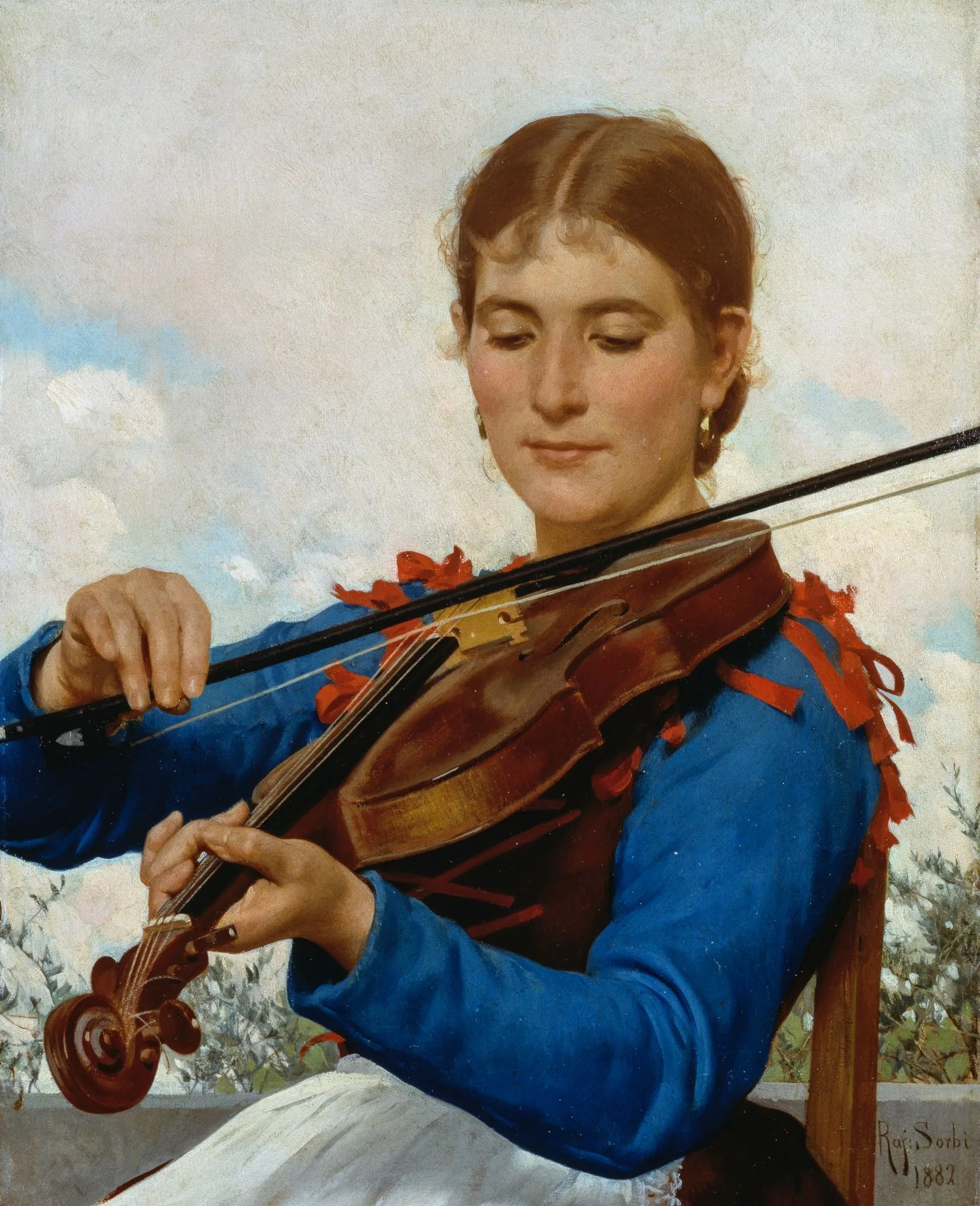
During the Renaissance, music found new balance and richness. Influenced by humanist ideals, composers explored harmony and new forms such as the suite. String instruments, including the violin, began to gain prominence.
| Period | Characteristics | Composers |
|---|---|---|
| Medieval | Gregorian chant, emergence of polyphony | Anonymous composers |
| Renaissance | Harmony, forms such as the suite | Palestrina, Lasso |
The music of this period, with its string instruments and expressive melodies, offers a distinctive view of how the musical genre developed. To learn more about music history, see this resource.
Musical discovery for the whole family
Discovering music is a rewarding experience the whole family can share. From an early age, hearing simple, evocative melodies can develop a child’s sensitivity to sound and create moments together.
Help children discover music
Parents play a key role in introducing their children to music. Short, engaging melodies can spark their interest. Pieces such as Saint-Saëns’s The Carnival of the Animals, for example, capture young children’s imaginations.
Playful activities, such as singing together or tapping out rhythms with everyday objects, can support children’s cognitive and emotional development. They also encourage creativity and coordination.
Make listening interactive and fun
Listening can become an educational game. Identifying instruments in a piece or imitating its rhythms, for example, helps children learn. These activities encourage active, engaging listening.
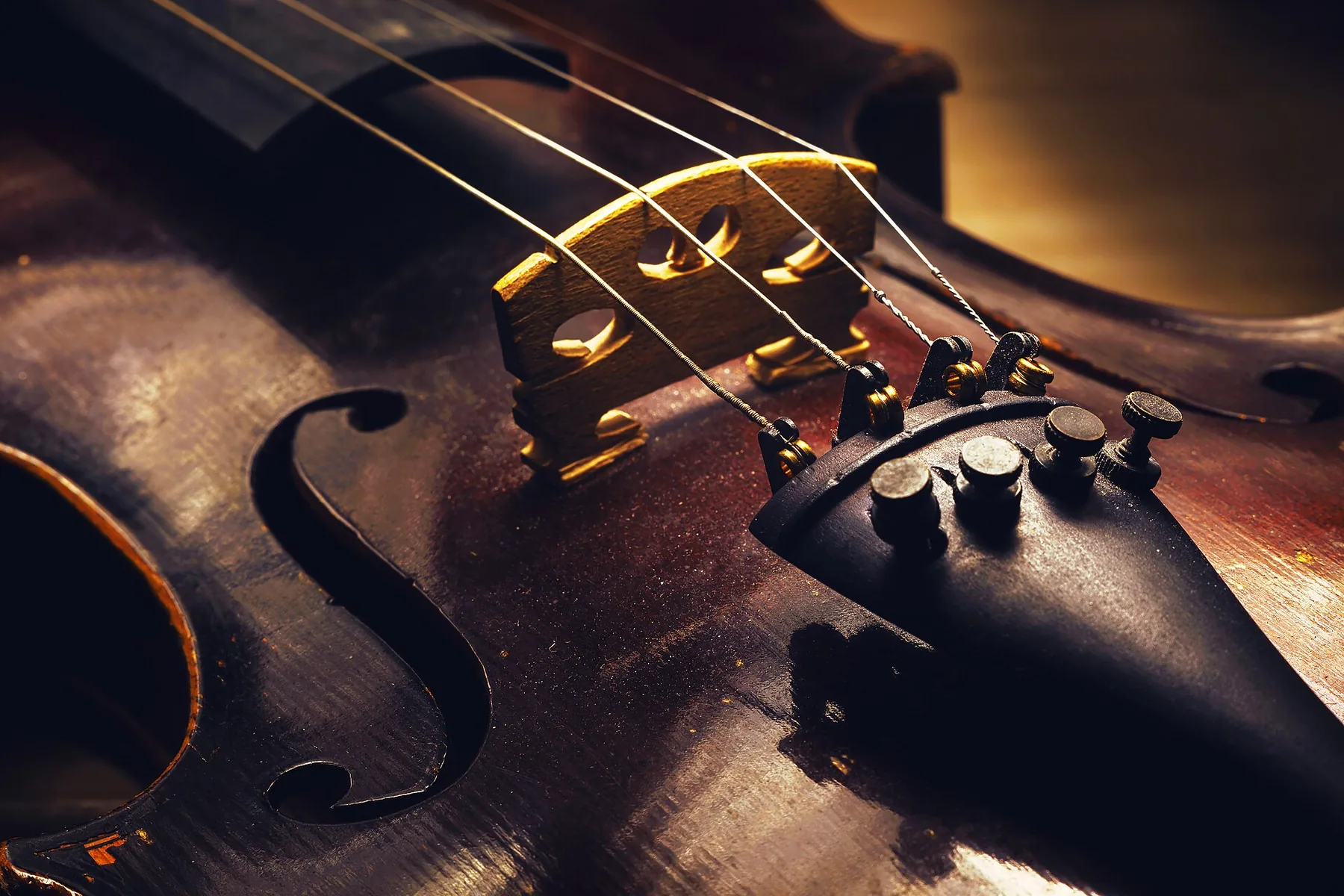
Studies suggest that even short daily music activities benefit children more than longer, less frequent sessions. Regularity helps sustain their attention and interest.
| Activity | Suggested age | Benefits |
|---|---|---|
| Sing nursery rhymes | Ages 3 and up | Develops speech and rhythm |
| Copy rhythms | Ages 4 and up | Improves coordination and concentration |
| Identify instruments | Ages 5 and up | Sparks musical curiosity |
In short, listening to memorable pieces together can create an enriching family atmosphere. To learn more about introducing children to music, see this resource.
Classical music’s influence on other arts
Classical music inspires other art forms. Its influence is especially evident in film and ballet, where it provides a narrative and emotional thread.
In film, classical scores often heighten the impact of images. Works by Debussy and Stravinsky, for example, have inspired memorable scenes. Musicians adapt to directors’ needs and create distinctive performances for the screen.
Film and ballet: a source of inspiration
Film uses classical music as a means of storytelling. Films such as Kubrick’s 2001: A Space Odyssey, featuring music by Ligeti, show how music guides emotion. Ballet choreography, meanwhile, draws directly on classical scores such as Tchaikovsky’s Swan Lake.
The influence runs both ways: music inspires film, which in turn influences new composers. Philip Glass’s film scores, for example, marked a turning point in contemporary music.
| Art form | Influence of classical music | Example |
|---|---|---|
| Film | Use of classical scores to heighten emotion | 2001: A Space Odyssey |
| Ballet | Choreography based on classical works | Swan Lake |
| Painting | Use of musical terms to describe colours | Kandinsky and his Improvisations |
In short, classical music is a cultural force that crosses artistic boundaries and offers a universal means of expression and inspiration.
Conclusion
Classical music is a timeless heritage that continues to resonate across the centuries. This rich and varied musical field invites exploration across eras. Each century has brought its own perspective, shaping a legacy that still inspires us today.
To begin exploring it, develop your musical ear. Choose a suitable instrument, follow an experienced teacher’s advice and create a good listening environment. Explore the repertoire discussed here, listen to master performers and discover the nuances of each work.
Passing on this heritage matters for the future. Classical music continues to adapt to modern times and inspire other arts. To learn more about this field and its development, see this resource. You, too, can help carry this timeless heritage forward.
FAQ
What are the best works for discovering classical music?
How do you choose a suitable musical instrument for a child?
Why is active listening important in classical music?
Which musical styles were most influential in the last century?
How do you prepare for a musical audition?
What are the basics of reading a musical score?
How does classical music affect education?
How can you discover new composers?
What is the difference between a concerto and a sonata?
How can you get started with contemporary classical music?
Source links
- https://www.musiclassics.fr/en/learning-to-play-why-start-with-classical-music/
- https://www.carnegiehall.org/Education/For-Young-Musicians
- https://www.carnegiehall.org/Education/For-Educators/Listen-and-Learn
- https://www.carnegiehall.org/Education/Programs/Link-Up/Activities-for-Families/Sing-and-Play
- https://en.wikipedia.org/wiki/Classical_music
- https://www.carnegiehall.org/Education/For-Educators/Listen-and-Learn