

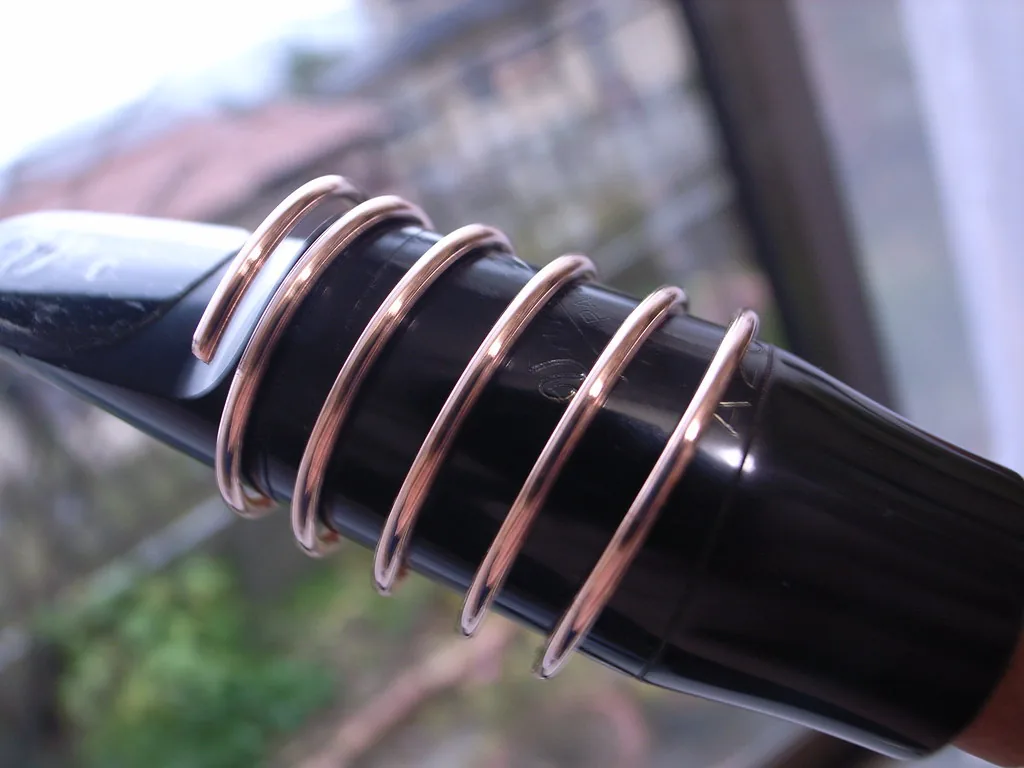
Your choice of mouthpiece directly affects your sound, intonation and ease of playing. This guide helps you connect playing comfort with your musical identity. It explains why replacing the mouthpiece supplied with your saxophone can bring greater stability and enjoyment.
We’ll start with simple questions: which saxophone do you play, what is your skill level and musical genre, how do you support your airflow, and how much time are you willing to spend adjusting?
We’ll then look at three broad categories: focused classical, flexible jazz, and powerful pop or rock. You’ll learn about the tip opening, chamber, baffle and table, and how they work with the reed.
A hands-on approach: practical pointers, common mistakes and advice for trying a mouthpiece in a store or at home. For a thorough practical guide, read this short article: guide to eight questions.
Why a saxophone mouthpiece changes your sound and ease of playing
Changing your mouthpiece radically changes the connection between your breath and the note. Sound begins when air sets the reed vibrating and the mouthpiece transfers those vibrations to the saxophone’s air column.
The mouthpiece’s geometry—the table, chamber and baffle—determines the resistance you feel. The tip opening and baffle provide more or less back pressure. This affects stability, fatigue and how an attack feels.
Practical role and audible effects
With the same reed, a better mouthpiece can make low notes steadier, high notes less harsh and attacks clearer. Replacing the supplied mouthpiece often improves the seal at the table, the precision of note production and consistency across the range.
- Air → reed → vibrations → air column: the sound-producing chain.
- Resistance: affects ease of playing and fatigue.
- Poorly matched mouthpiece = squeaks, unstable attacks and uneven intonation.
| Aspect | Effect of a forgiving mouthpiece | Effect of a demanding mouthpiece | Practical consequence |
|---|---|---|---|
| Resistance | Less fatigue | More control, but greater demands on the player | Match it to your skill level |
| Consistency | Consistent sound | Challenging parts of the range | Better consistency across the range |
| Attack | Clear attacks | Precise but temperamental attacks | Choose according to your goal |
Key idea: choosing a mouthpiece means adjusting how your air and reed work together to produce the final sound. For practical pointers and tips, see these saxophone playing tips.
Which saxophone do you play: alto, tenor, soprano or baritone?
Your choice starts with identifying your instrument precisely. Each type requires a particular mouthpiece size and design. A mouthpiece made for alto does not physically fit a tenor in the same way.
Why?
Why alto and tenor cannot share a mouthpiece
The differences are physical: the shank diameter, facing length and bore vary by saxophone type. These variations affect intonation and response.
Trying a mouthpiece intended for another instrument can hide the real cause of a problem. You may wrongly blame the reed or your airflow.
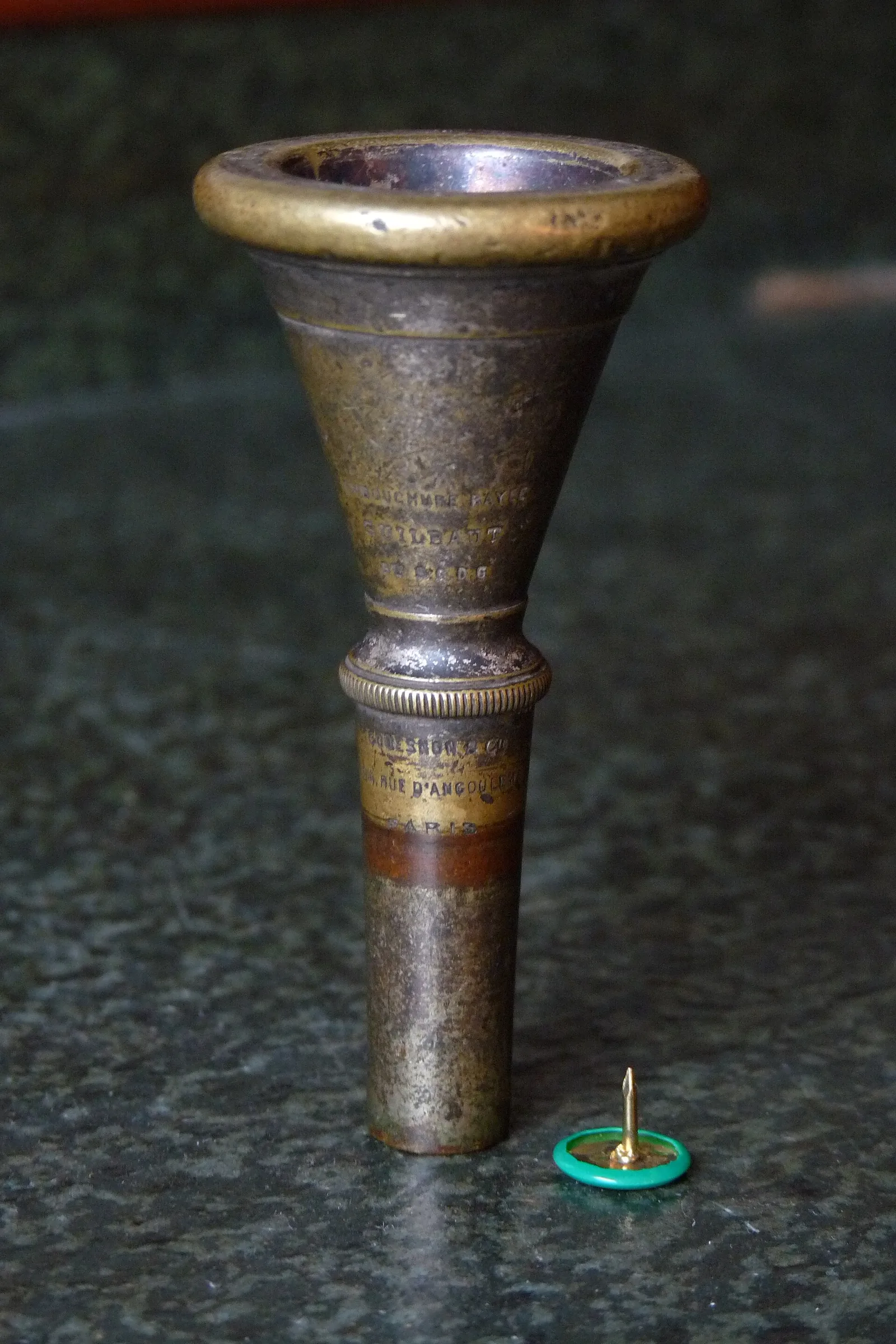
Choosing by instrument and mouthpiece availability
A simple buying checklist:
- First, filter by saxophone type: alto, tenor, soprano or baritone.
- Then compare the tip opening, chamber and baffle of compatible mouthpieces.
In the French market, alto and tenor have the widest range of mouthpieces. The selection is smaller for soprano and baritone, sometimes with higher prices.
| Instrument | Availability | Practical note |
|---|---|---|
| Alto | Wide | Many mouthpieces to choose from at moderate prices |
| Tenor saxophone | Wide | Many options for jazz and pop |
| Soprano | Limited | Fewer brands; custom options are common |
| Baritone | Restricted | Higher prices; professional mouthpieces are often needed |
Practical advice: broaden your search to other brands or consider a custom option if your instrument is uncommon. Avoid using a mouthpiece intended for another type of saxophone, even as a trial: it can distort your judgment.
Your skill level matters: beginner, intermediate or advanced
Your experience helps determine which tip opening and degree of forgiveness to look for.
Beginners: stability and a smaller opening
If you’re starting out, favor a smaller tip opening, around a size 5. This reduces squeaks and stabilizes attacks.
Choose an easy-playing mouthpiece with forgiving geometry and moderate resistance. Pair it with a suitable reed so you do not have to force the air.
Avoid step baffles or aggressive baffles at first: they can make the sound jump and interfere with your embouchure.
Intermediate players: progress in stages
At this level, increase the tip opening gradually. Aiming for a size 6 to 7 opening and a gentle, rounded or rollover baffle can improve projection without making the setup feel unfamiliar.
Do not jump straight from a very gentle mouthpiece, such as the Selmer C*, to a wide opening combined with a step baffle. That change can make intonation unstable.
Advanced players: refine the qualities you want
Advanced musicians can explore different options for different settings: studio, big band or amplified music.
- Look for projection, texture or flexibility according to your goal.
- Try several mouthpieces and variations to find the balance between resistance and expressiveness.
Practical tip: if you want to review the essentials before trying one, see this guide to eight questions.
How to choose a saxophone mouthpiece for your style
First, imagine your ideal sound: focused, dark, bright or powerful. Then translate that sound into specific features: tip opening, chamber and baffle.
Classical
What to look for: a focused, warm sound with stable intonation.
Favor a medium chamber, a flat baffle and a relatively small tip opening, around a size 5. This supports control and consistency across the full range.
Jazz
Jazz spans a broad range of sounds, from Stan Getz’s dark, warm tone to Michael Brecker’s bright, powerful sound.
If you want roundness, choose a medium opening and a spacious chamber. For more attack and projection, increase the opening and choose a more pronounced baffle.
Pop, rock, funk and brass bands
To be heard in the mix, prioritize projection and brightness.
Step baffles and small to medium chambers encourage punch. Be careful: a wider tip opening requires more air and better embouchure control.
- Useful rule: increasing the tip opening adds flexibility and power, but reduces immediate stability.
- If you play several styles, aim for moderate specifications to strike a good balance.
Guide to eight questions to refine your choice and find the right mouthpiece.
Understanding the features of a saxophone mouthpiece
Understanding each part of a mouthpiece lets you compare two models without getting lost in jargon.
Tip opening
Measurements: very small, < 1.5 mm; small, 1.5 to 1.8 mm; medium, 1.8 to 2.1 mm; large, > 2.1 mm.
A small opening favors control, a round sound and less fatigue.
A large opening offers more tonal possibilities and flexibility, but requires more air.
Chamber
Small chamber = a focused, clear sound.
Medium chamber = a good balance, often chosen for classical music.
Large chamber = warmth and roundness.
Roof or baffle
A flat baffle gives a dark sound.
A rounded baffle adds brightness.
A step baffle increases projection and power.
Table and facing length
Short facing, around 22 to 24 mm = quick response and stability.
Medium facing, around 25 to 28 mm = a balance of ease and tonal color.
Long facing, around 29 to 32 mm = more freedom for the reed and greater sensitivity.
Rails, bore and seal
The rails and table must be even to prevent air leaks.
A suitable bore and a good seal improve intonation and consistency throughout the instrument.
A quick way to read a product specification
- First, identify the tip opening and facing length.
- Then compare the chamber and baffle according to the tone you want.
- Finally, check the information on the rails, bore and seal.
Practical resource: for more technical details, see this Vandoren reference.
Match your choice to your embouchure and breath support
Your airflow and the way you support a note often explain why a mouthpiece does or does not suit you.
When a wider opening becomes demanding
A wider tip opening offers power and flexibility, but it needs more air and steady support.
If you have to strain to sustain a note, your pianissimo notes drop out or attacks become uncertain, the opening does not suit you.
Fatigue comes sooner with a wider opening. The first sessions may feel difficult: that is a sign to reconsider the combination of tip opening and reed.
Match the reed and its strength to the mouthpiece
With the same tip opening, reed strength and type change resistance and tone. A softer reed often helps you produce a round sound that is easy to play at first.
The principle is simple: if you increase the opening, start with a slightly softer reed. Then adjust its strength to regain stability and projection.
Goal: a setup that preserves comfort and control over time without exhausting your breath or sacrificing steadiness.
Budget, mouthpieces and trials: choose a saxophone mouthpiece with confidence
Start by setting a price range, then refine how you listen during trials.
Price ranges in France: entry level, about €30 to €50; midrange, about €100 to €200; professional mouthpieces can cost several hundred euros.
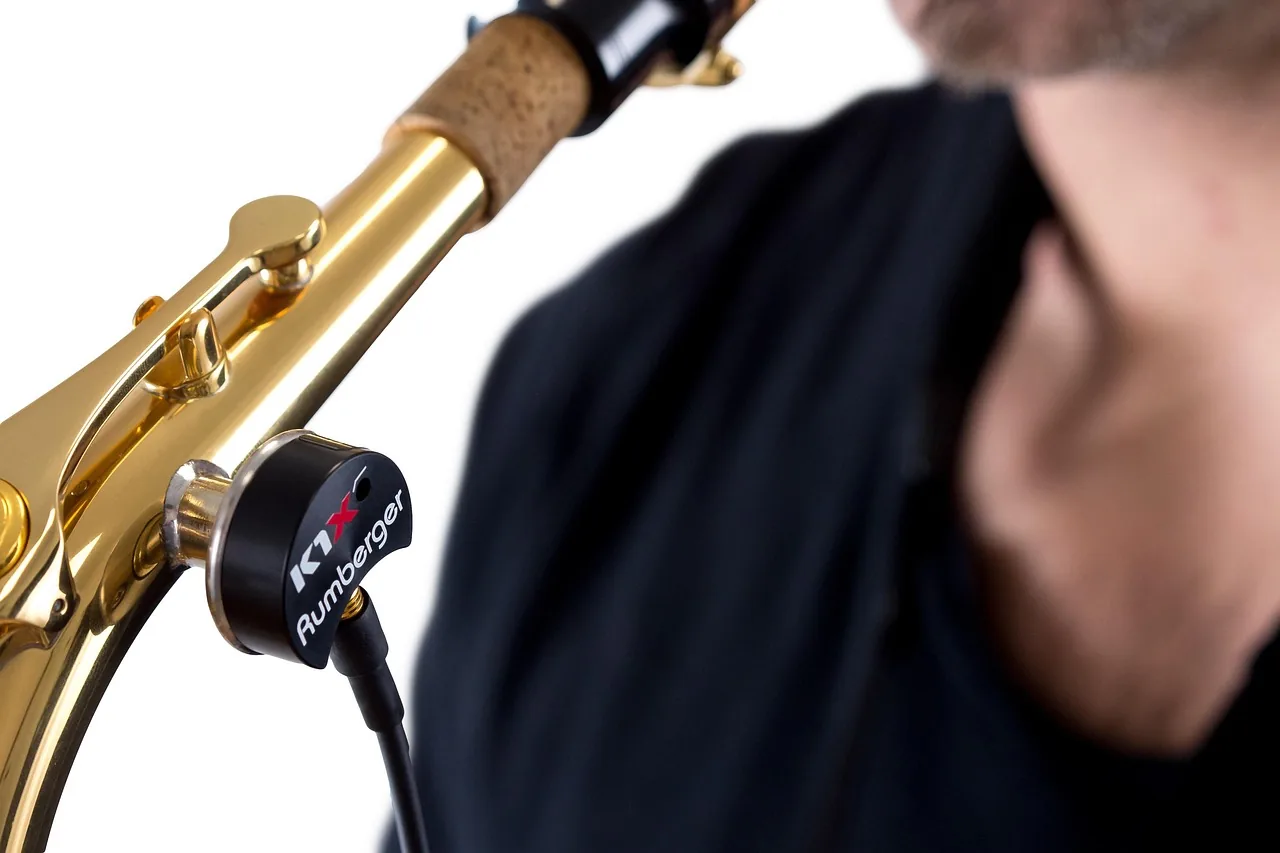
Practical examples
Some reference points: Yamaha AS4C, about €39; Selmer S90, about €159; Otto Link Tone Edge, about €136; D’Addario Rico Select, about €145; Meyer New York, about €222. These mouthpieces provide points of comparison for different goals.
An effective trial routine
Method: use the same reeds and ligature, then play the same exercises: long tones, attacks and a scale across two octaves. Test pianissimo and forte as well.
Tip: “Don’t settle on a mouthpiece after 30 seconds of loud playing; check the low register and pianissimo too.”
| Criterion | What it reveals | What to listen for |
|---|---|---|
| Brightness | Projection in the mix | Attacks and presence |
| Intonation | Tuning across registers | Scales and intervals |
| Comfort | Fatigue and ease of playing | Pianissimo and sustained notes |
Adjustment time: choosing a mouthpiece similar to your current one makes the transition easier. A radical change may take several weeks before you can judge the new mouthpiece.
To refine your choice, this article offers reference points and a practical listening method.
Conclusion
In summary: list your criteria: instrument type, skill level, intended styles, desired sound, breath support and time available to adapt. This framework makes choosing easier.
Core principle: the best saxophone mouthpiece balances sound, control and comfort for your everyday playing: rehearsals, concerts and personal practice.
Record how each mouthpiece feels and make short recordings so you can compare models objectively. Make sure your desired sound, whether dark or bright, aligns with the technical features: tip opening, chamber and baffle.
If you are torn between two options, favor the one that remains stable and comfortable over a 20 to 30 minute trial. To guide your trials, also see this guide to eight questions.